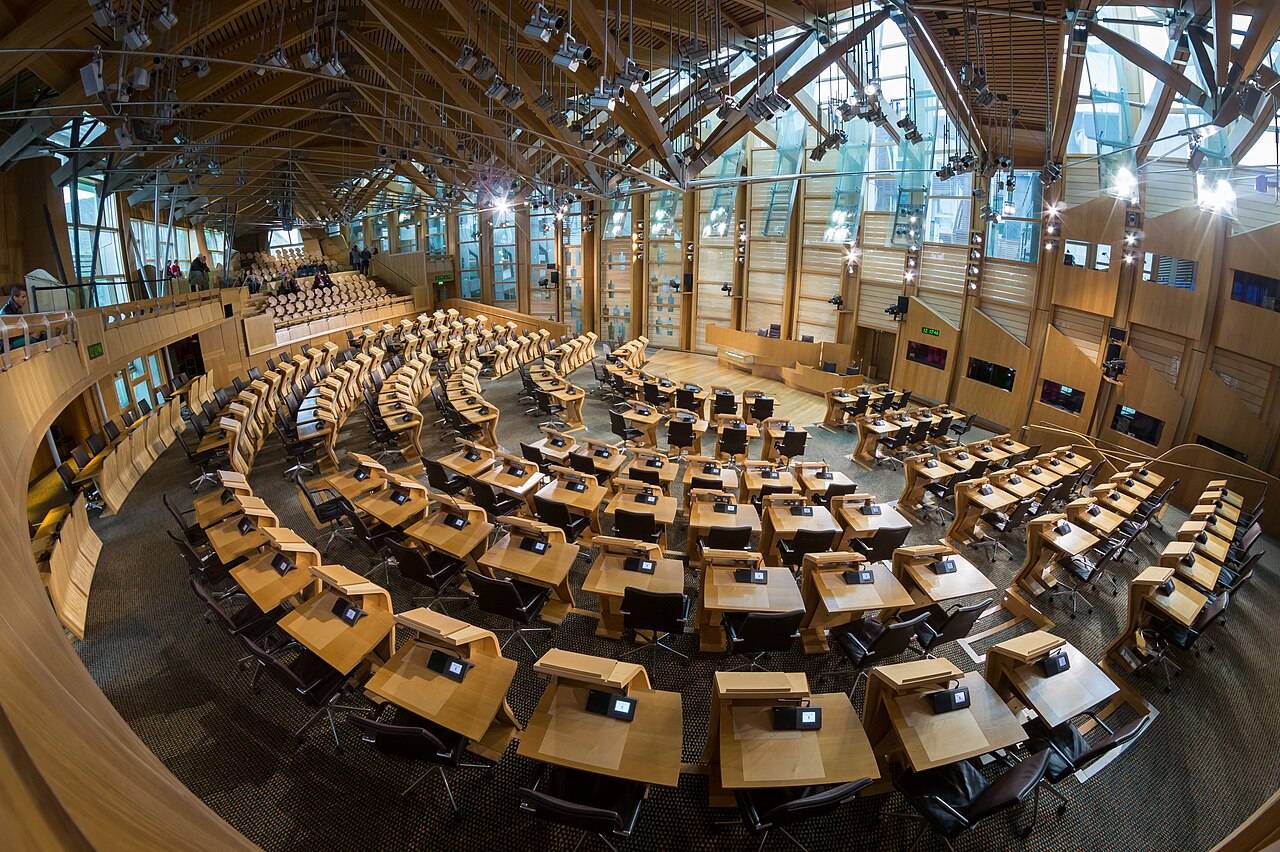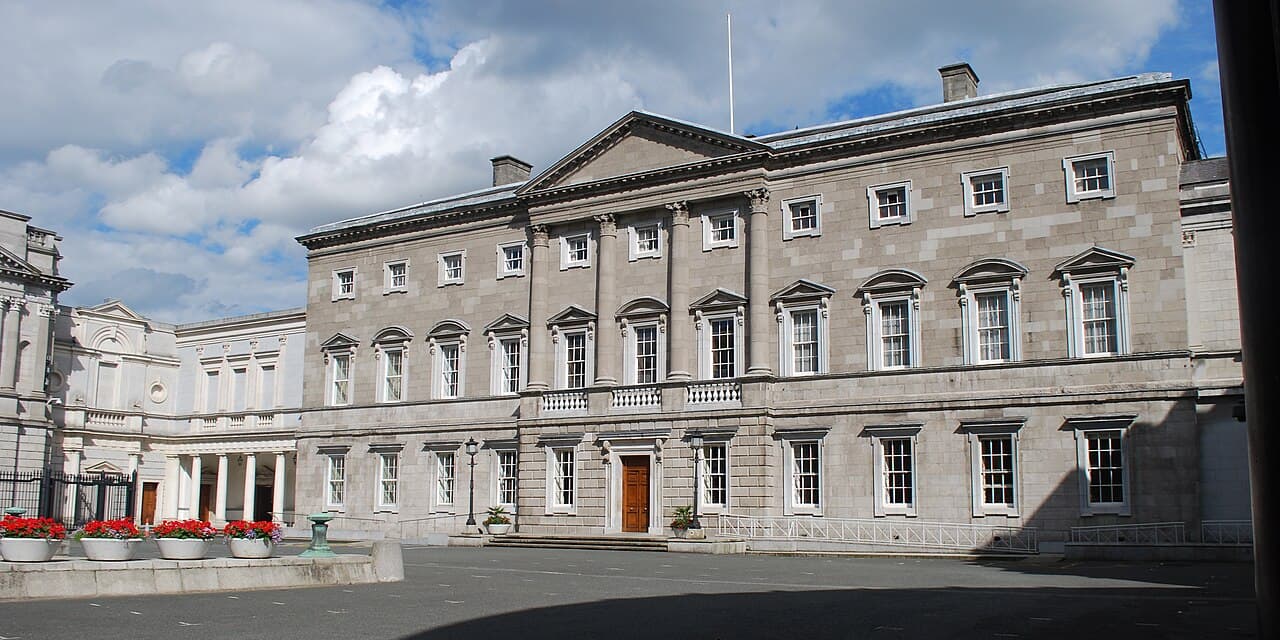
The Dáil, Ireland’s parliament, on Wednesday voted in favor of removing the mandatory three-day waiting period for abortions by 86 votes to 70, with no abstentions.
The bill from Sinn Féin would remove the current three-day waiting period between an initial consultation with a doctor and a termination of a pregnancy of up to 12 weeks – a provision included in the 2018 abortion legislation which supporters say acts as a safeguard.
The bill is now likely to go to the health committee for further scrutiny.
The vote comes only a few weeks after the Social Democrats put forward a similar bill seeking to abolish the waiting period, which failed to pass by 85 votes to 30, with 36 abstentions.
RELATED: Irish parliament defeats bill seeking to remove abortion waiting period
Taoiseach (prime minister) Micheál Martin supported Sinn Féin’s bill, as did Tánaiste (deputy prime minister) Simon Harris.
“The people did vote to repeal the 8th Amendment in 2018 and to provide free, safe and legal access to termination services,” said Martin, ahead of the vote.
“I am aware of the arguments for and against the removal of the three-day waiting period. It is important we have a respectful debate in the house. I intend to vote for this to go through to committee stage. At committee stage there will be, perhaps, a need for consequential amendments,” he added.
A spokesperson for Harris said his support for the bill was “his personal view and is reflective of the engagement he has had with women and medical professionals.”
Peadar Tóibín, leader of conservative political party Aontú, who was formerly a Sinn Féin politician, criticized the outcome of the vote, saying it has removed the “last protection for unborn children.”
“The battle for compassion and humanity is not over. It still has to get through the remaining stages of the Dáil and Seanad,” he added.
During a debate on Tuesday, Tóibín said that there were 10,852 abortions in Ireland last year.
“It is the highest figure on record. It is equivalent to 400 classrooms of children who are no longer with us as a result of that abortion law. It is absolutely heartbreaking,” he said.
“In 2018 there were 2,879 abortions and since that law was deregulated the number has surged. It has tripled in just seven years and yet there is no effort by the political establishment to understand why there is such a surge. There is no effort to ameliorate this awful human cost,” he added.
Abortion in Ireland
In May 2018, Ireland voted in favor of changing the constitution and reforming the abortion laws. A referendum passed by 66.4% to 33.6% to repeal the Eighth Amendment – a constitutional amendment from 1983 that guaranteed the right to life for the unborn, making abortion illegal unless the pregnancy was life-threatening.
According to the Department of Health, in 2024, there were 10,852 abortions in Ireland and in 2023, there were 10,033. Since 2019, when the legislation allowing abortion came into effect, there have been 48,984 abortions.
In 2022, according to figures from the Department of Health, 10,779 women sought an initial abortion consultation yet only 8,156 abortions occurred that year. Supporters of the three-day waiting period therefore argue that 2,623 women did not follow through after the reflection period.
On Sunday, before the vote, the Irish bishops’ conference released a statement on abortion that was agreed upon during a summer meeting between the bishops.
“Neither the State, nor the mainstream media, seem to have any interest in exploring what leads women to choose abortion or what happens to them afterwards,” the statement said, despite the fact that Ireland is “collapsing under the weight of research statistics.”
“While COVID-19 cost almost 10,000 lives in Ireland, there have been well over 50,000 deaths from abortion since 2019 (equivalent to nearly 2,000 classrooms of children),” the statement also said.
The bishops also said that during the pandemic “we were so focussed on saving life, protecting the vulnerable, and making sure that people were not forgotten” while at the same time “our society also began the wholesale destruction of human life through abortion.”
Speaking about the number of abortions that have taken place in Ireland, the statement said “we need to ask ourselves: why has this not provoked anything like the same kind of crisis response in the form of solidarity or outreach?”