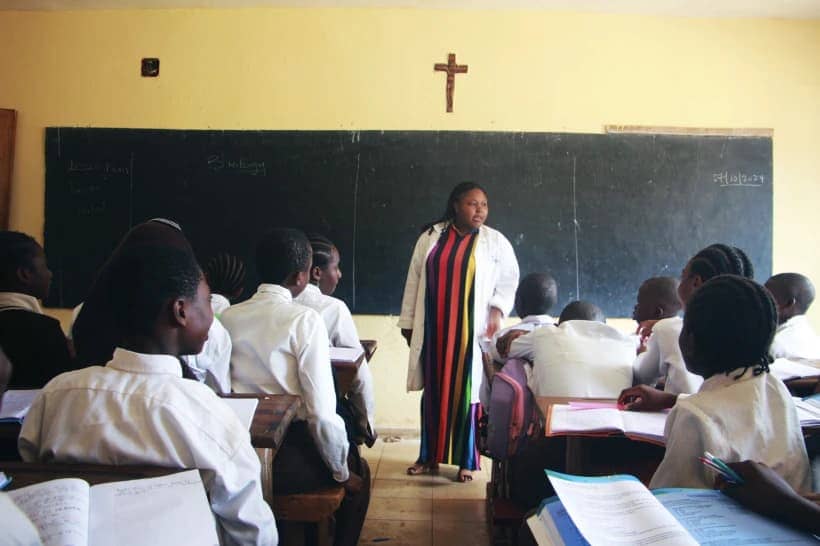
Catholic bishops in Nigeria have called for the release of 39 students and seven teachers kidnapped May 15 by armed men who attacked several schools in Nigeria’s Oyo State on May 15.
The bishops of the Ibadan ecclesiastical province (IEP) encompassing the Ibadan archdiocese and the dioceses of Ekiti, Ilorin, Ondo, and Oyo, decried the abductees’ long captivity and blasted the Tinubu government’s failure to curb rising violence in the country.
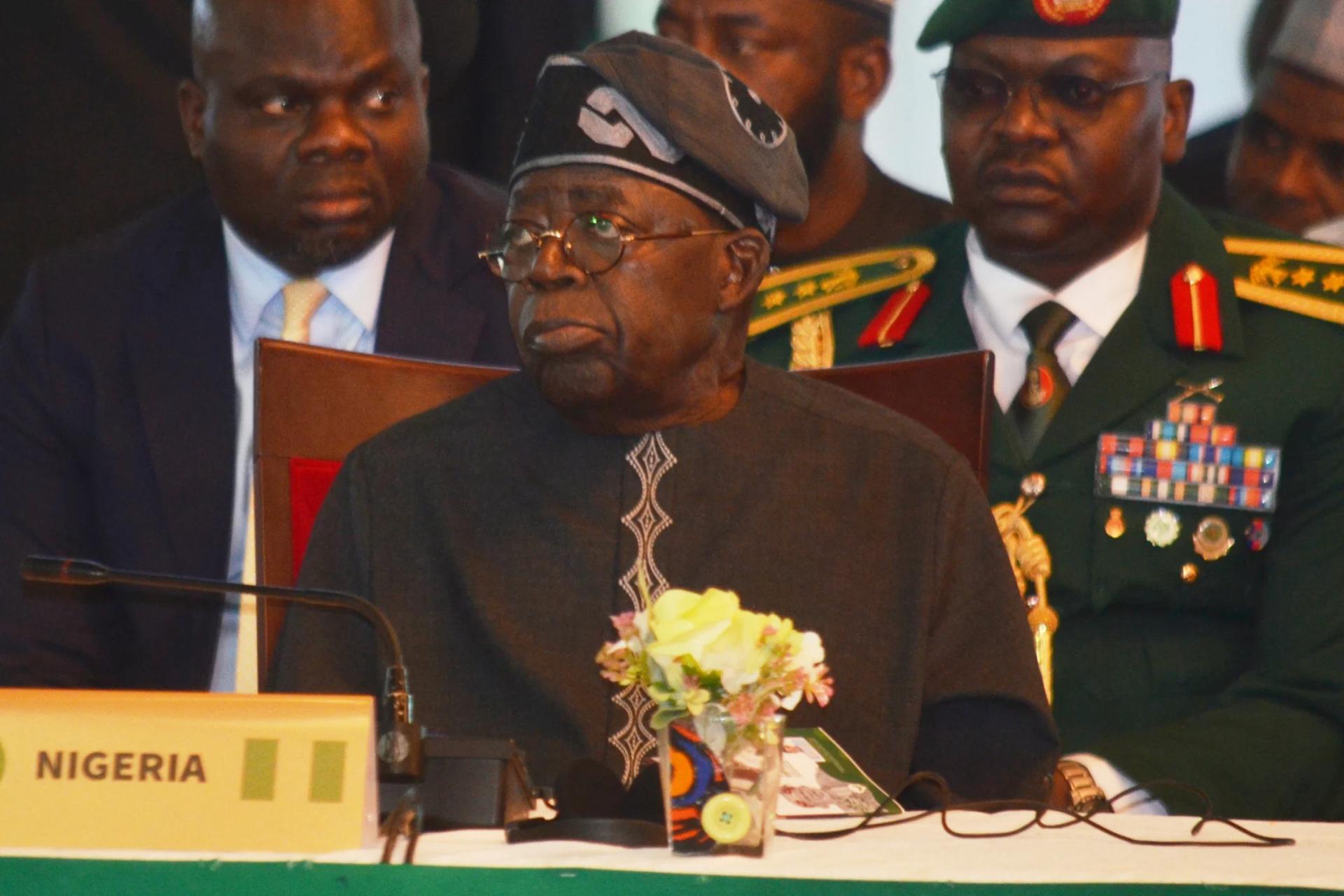
Nigeria’s current president, Bola Tinubu – a U.S.-trained accountant in professional life, who also served as governor of Lagos and senator – ran successfully in 2023 in part on a campaign promising better security throughout the country.
“It is over a whole month since 39 learners and seven teachers were kidnapped,” the bishops said in their June 22 statement, titled “Gone for Too Long, Bring Them Home Now.”
“Those children, who barely understood what happened to them, have now lived for over a month under the harshest conditions, with no roof over their heads, no good nutrition, and completely exposed to the elements in the forest,” the bishops say.
The clerics express concern that the kidnapped children are in the hands of “the most vicious and merciless criminals,” and say they “can no longer simply keep quiet.”
“No one deserves the excruciating weight, the painful lament, and the unspeakable suffering thus inflicted on the families and relatives of all the 46 abducted people so far,” they say.
Armed militants carried out coordinated, simultaneous raids on three schools in the Oriire district of Oyo State on May 15.
The kidnappers are suspected to be hiding in the expansive Old Oyo National Park forest, which shares a border with Kwara State—a region that has seen a sharp rise in armed group operations, including those by dislodged Boko Haram insurgents.
Efforts by security forces and local vigilantes to rescue the victims were thwarted by improvised explosive devices the malfeasants had planted, which caused several injuries.
On the same day the Oyo kidnappings took place, suspected Boko Haram militants launched a separate mass abduction in the Askira-Uba local government area of Borno State, targeting a government secondary school and two primary schools.
At least 42 schoolchildren – including toddlers and nursery pupils aged five and under – were snatched.
Father Anthony Omodunbi, who heads the social communications commission of the Osogbo Diocese in Nigeria’s Osun State, says schools are being targeted because they offer protection to the attackers.
“I think schools are increasingly being targeted because it will attract more sympathy from the populace and can easily be used as shields against government attack,” the cleric told Crux Now.
“Moreover, children in captivity are likely to attract bargain with government rather than individual families,” he added.
He said the Nigeria government is at a loss for what to do to stop the spread of terrorism in the country.
“The government could not stop it because it was never anticipated nor prepared for,” he said of the May 15 attacks.
“The government is clueless about the way out,” he added, before suggesting that there are people in government circles striving to make political capital out of the situation.
“Also, some are interested in making political points out of the situation, just like some allegedly imported Boko Haram to topple President Jonathan’s government,” the priest told Crux Now.
Terrorists have made kidnapping of school children and other vulnerable populations a key aspect of their criminal enterprise. The ransoms usually collected from such kidnappings sustain their activity.
The largest kidnapping case came in April 2014, when 276 school girls were taken from their school dormitory in Chibok. Some of the gilts have been released, by many are still missing.
According to Nigerian consulting firm SBM Intelligence, kidnappers received an estimated $1.85 million in ransom payments last year.
The spate of kidnappings is piling up more pressure on the Tinubu government, as the country gears for general elections in 2027.