The killing of a prominent Sudanese priest highlights the “moral failure” that now characterizes the northeast African nation.
That’s according to Father John Gbemboyo Joseph Mbikoyezu, the pastoral and social communication coordinator in the Sudan and South Sudan Catholic bishops’ conference, who was speaking exclusively to Crux Now in the wake of the cold-blooded murder of Father Yuhana Al-Amin.
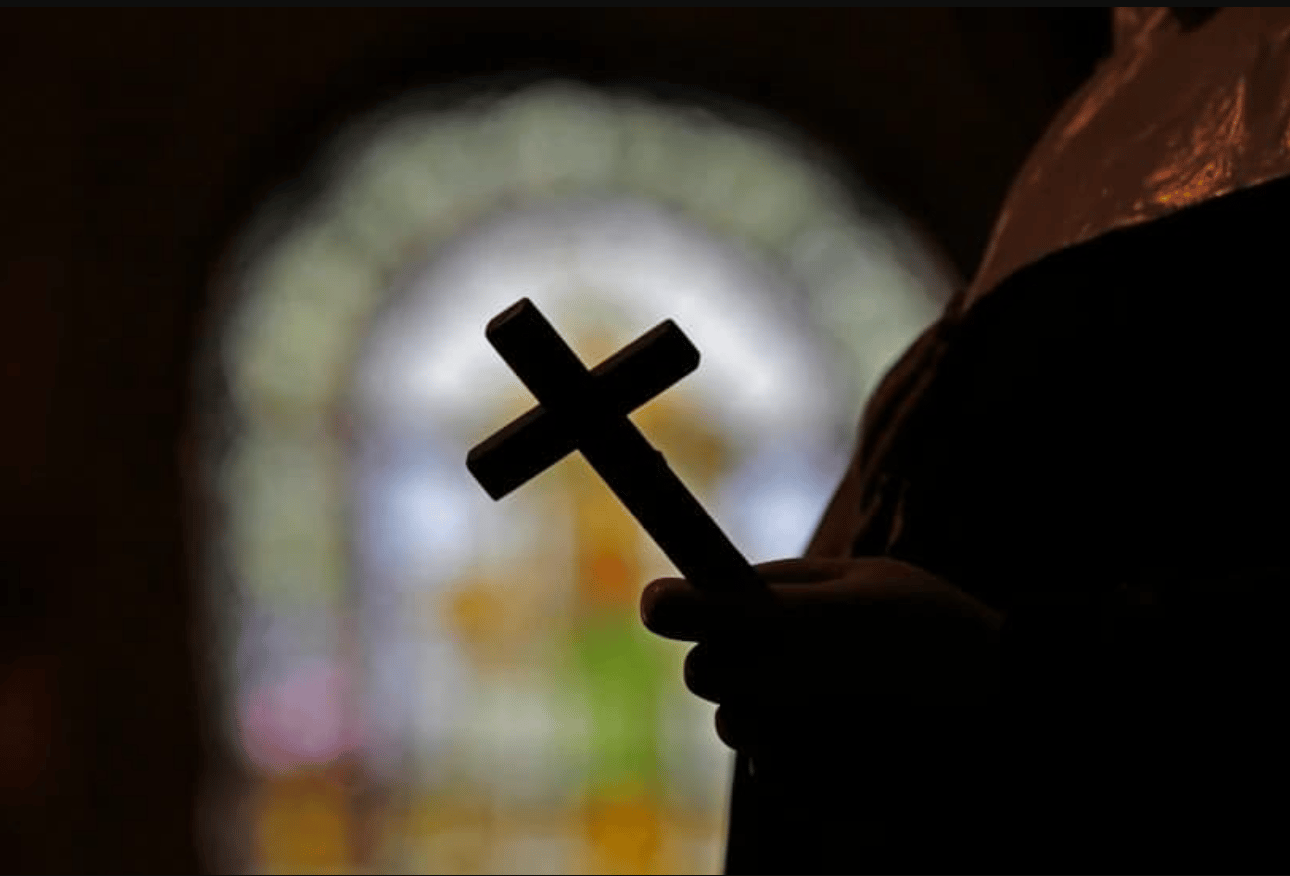
The pastor of Holy Cross parish in Kauda, South Kodorfan, Al-Amin was ‘shot and killed in his room at approximately 10:30 am on Friday, June 19, according to a statement issued by the local ordinary, Bishop Yunan Tombe Trille Kuku of the Diocese of El-Obeid.
In a statement shared with Crux Now, the bishop said he had received the news of the priest’s killing “with profound sorrow,” and described the Catholic faithful of Holy Cross as likewise “deeply saddened” by the tragic loss, along with the broader Catholic community and “all people of good will.”
The bishop said the late priest was known for dedicated pastoral service, commitment to the Gospel and care for the people entrusted to him.
Part of that dedication included plans to evacuate medical supplies that a military faction was determined to confiscate.
The statement explained that on Thursday, June 18, a faction of the military came to the parish demanding the keys to the storehouse where medical supplies were kept.
The armed men got access and took what they could take.
Also according to the statement, the priest then planned to evacuate what was remaining on Friday, but the armed men returned to ask for more.
Suspecting that the priest might have reported them to the government soldiers, they simply killed him, along with one of his guards. The guard who eventually reported the incident survived the shooting and is receiving treatment in hospital.
In comments to Crux Now, Gbemboyo said slaying of his brother priest is not only a cause for profound sadness but also symbolizes a deeper and more sinister problem in Sudanese society.
“The death of Father Al-Amin is symbol of the many innocent people dying today in Sudan because he was shot in cold blood,” Gbemboyo said.
Sudan has been a country at war for years, but the latest outbreak came in 2023 when the Sudanese Armed Forces (SAF), led by Gen. Abdel Fattah al-Burhan, and the paramilitary Rapid Support Forces (RSF), commanded by Gen. Mohamed Hamdan Dagalo (“Hemedti”) failed to agree on the basics of a power-sharing structure.
The two men had come together to oust Sudanese dictator Omar el Bashir but turned against one another soon after Bashir’s ouster, beginning a deadly battle for the control of the state and its resources.
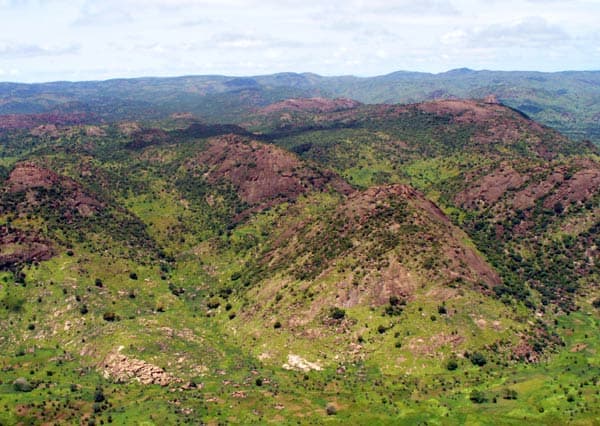
The Nuba Mountains – a region that borders South Sudan – had stayed largely out of the actual fighting, although the impact of the fighting has always been felt in the region.
Largely controlled by the Sudan’s Peoples Liberation Movement-North, (SPLM-N,) it is host to over 700,000 refugees.
The Nuba Mountains, however, are fast becoming a new frontline in the conflict, especially after the SPLM-N elected to join forces with the paramilitary Rapid Support Forces (RSF) against the SAF. The SPLM-N controls most of South Kordofan State, which encompasses the mountains.
“The conflict in the Nuba Mountains seems to be taking a different tune,” Gbemboyo told Crux Now.
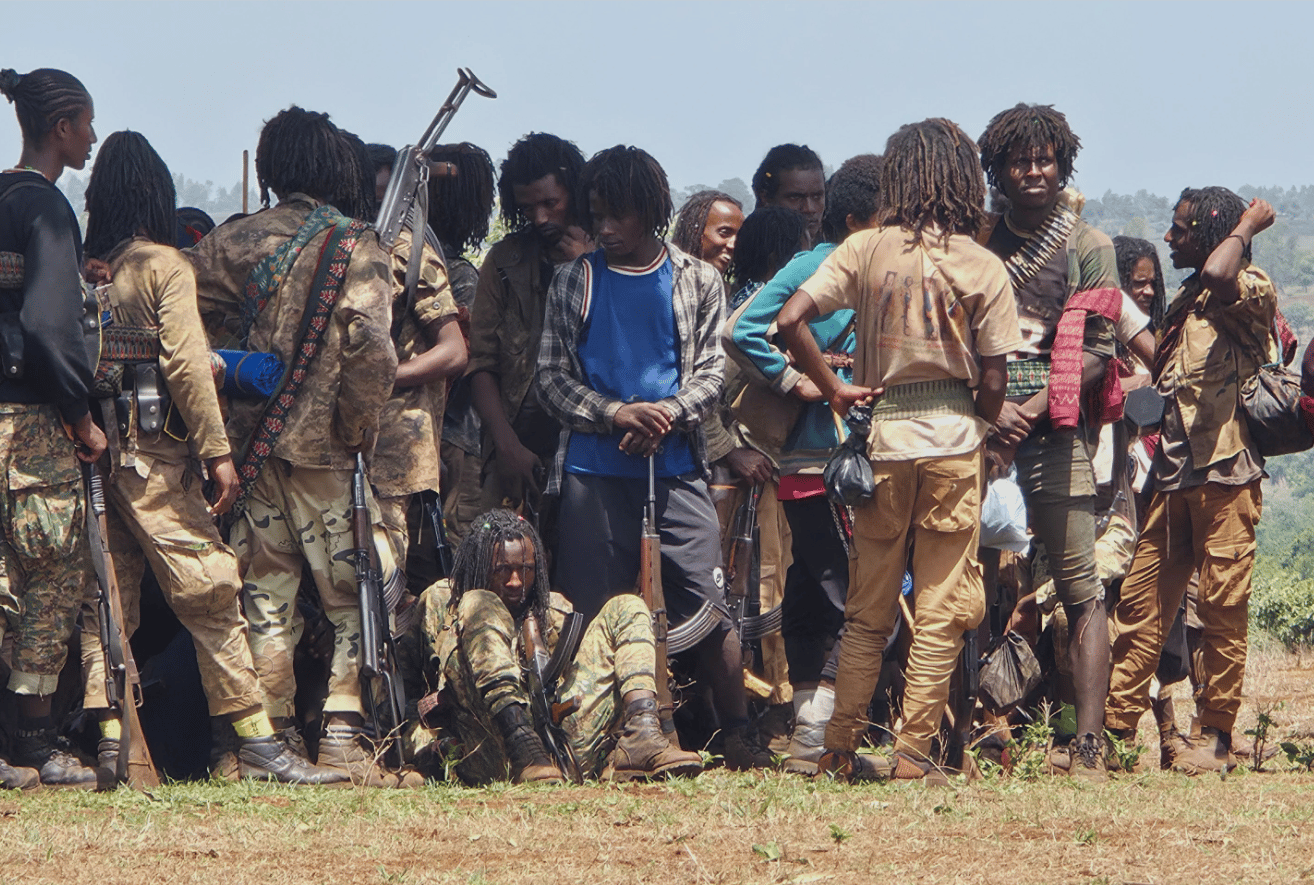
“The Nuba Mountains has been for years under the SPLM-N who have been in conflict with the government of the Sudan. Of recent there are reports of armed factions emerging within the Nuba Mountains who are fighting within the areas controlled by the SPLM-N,” Gbemboyo said.
“These fights,” he told Crux Now, “are resulting in the bombardments, killings, and the displacement of many people.”
On March 27,2026 for instance, the SPLM-N accused the Sudanese Armed Forces (SAF) of carrying out an airstrike that killed at least seven people and injured dozens more during a funeral in the Nuba Mountains.
Fr.Gbemboyo told Crux Now that the continued fighting represents a moral failure.
“As a Church in Sudan and South Sudan we feel that there is failure in morality and the killing of a community or religious leader like that of Father Yuhana is the highest point of this failure,” he said.
“This reveals how worse the common people are suffering and dying during the conflicts that have engulfed the Sudan. The Catholic Diocese of El-Obeid has lost two priests who have been killed since this conflict started four years ago,” Gbemboyo also said.
He encouraged the faithful of both Sudan and South Sudan not to lose hope despite the killings.
“The war in Sudan and the conflicts of South Sudan calls on the Church not to lose hope in God in times of trials such as the killing of Church leaders, as has happened in the Nuba Mountains,” he said.
“It is time for believers to open our hearts to pray and work for peace. Working for peace means to acknowledge that our people are enduring all sorts of suffering,” Gbemboyo said.
He urged the Church and all people of good will “to embark on advocacy for peace within the governments, regional and international partners so that peace returns to the downtrodden people in Sudan and South Sudan.”