A Spanish bishop known for his work in the media has condemned the using of people as “ammunition” during the Ceuta crisis and said that deportations are not necessarily immoral.
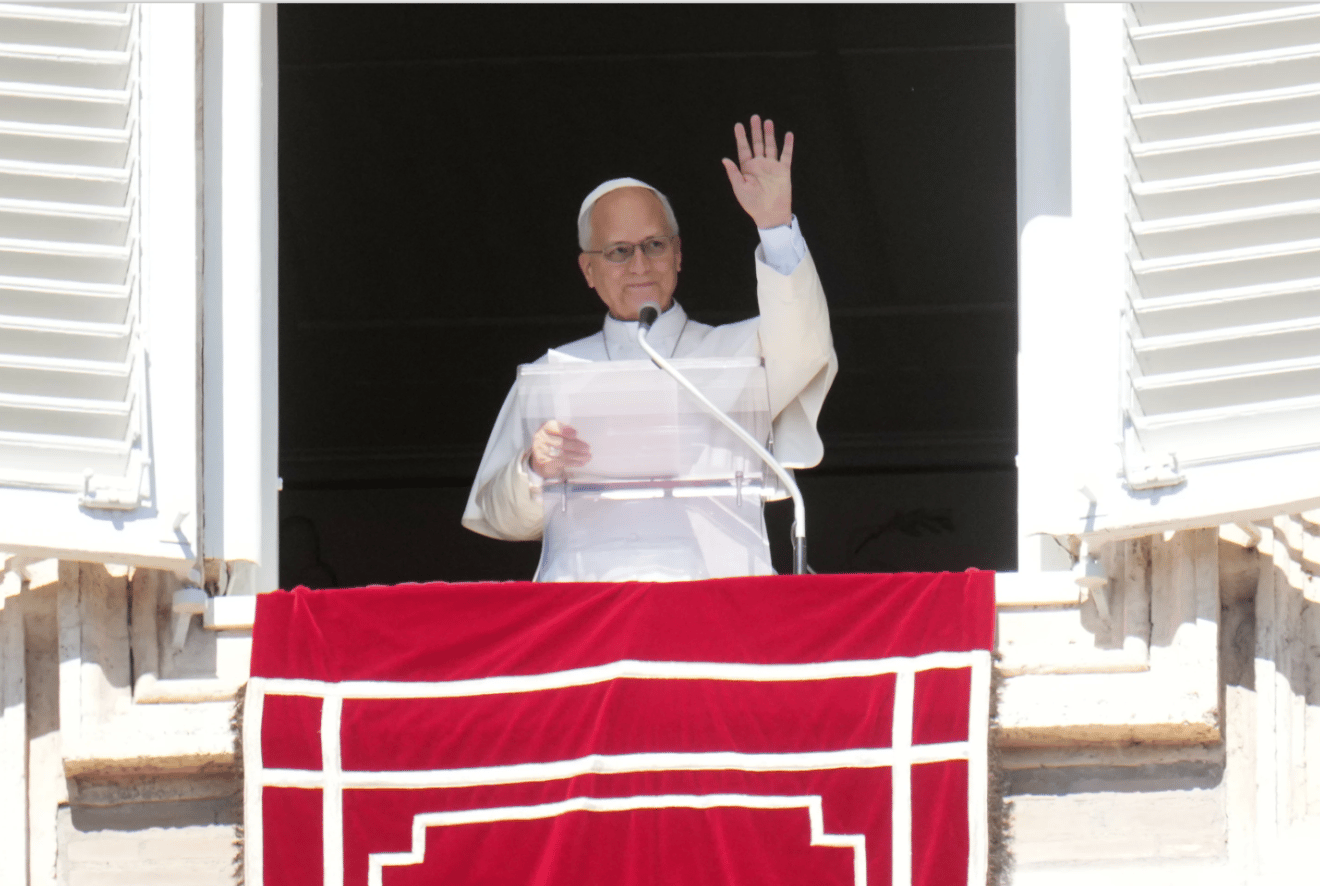
Bishop José Ignacio Munilla of Orihuela-Alicante, was speaking on Radio Maria on his regular show when he said the “tragedy unfolding in Ceuta these past few days is not a migration crisis” but instead is “the weaponization of demographics in the geopolitical game.”
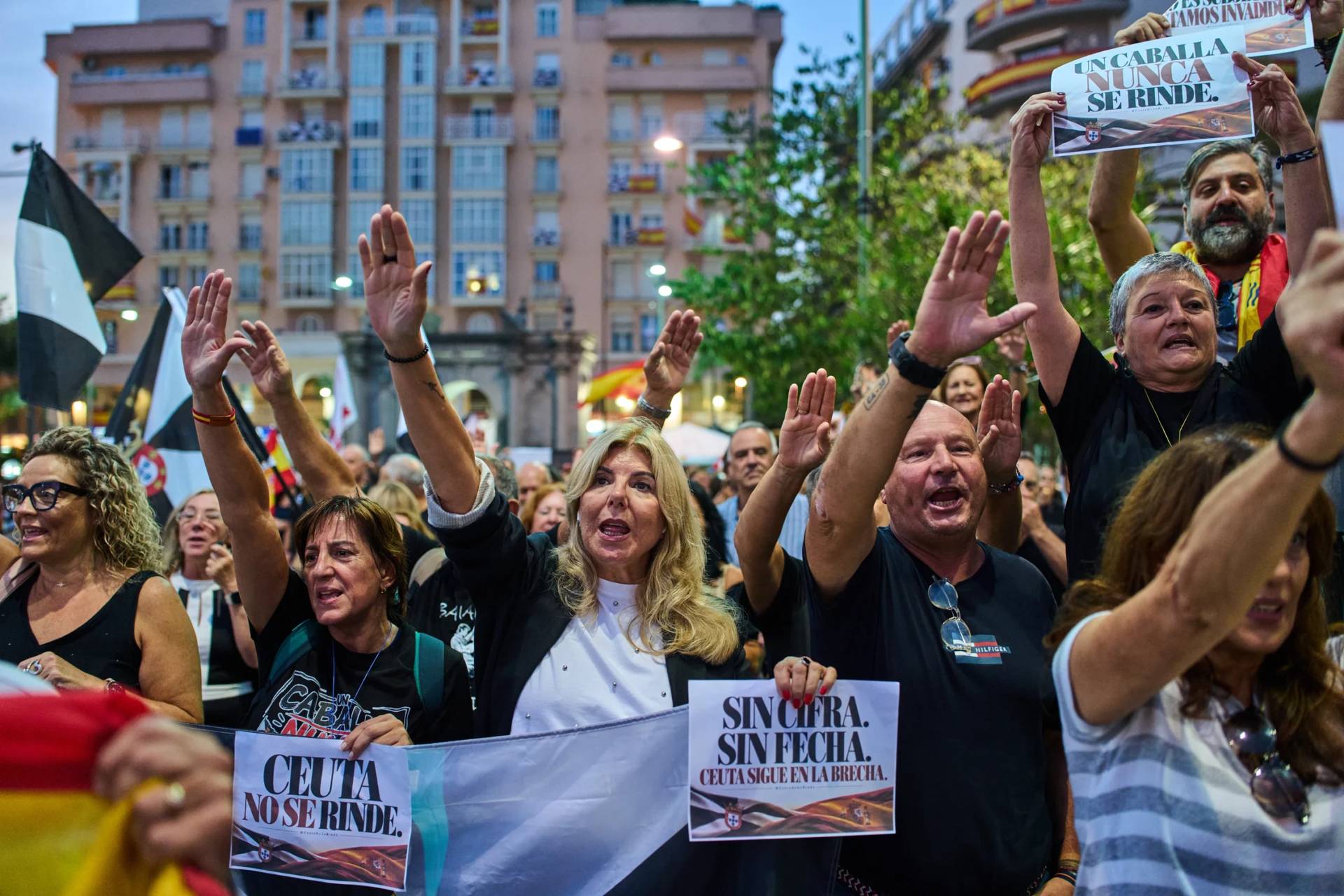
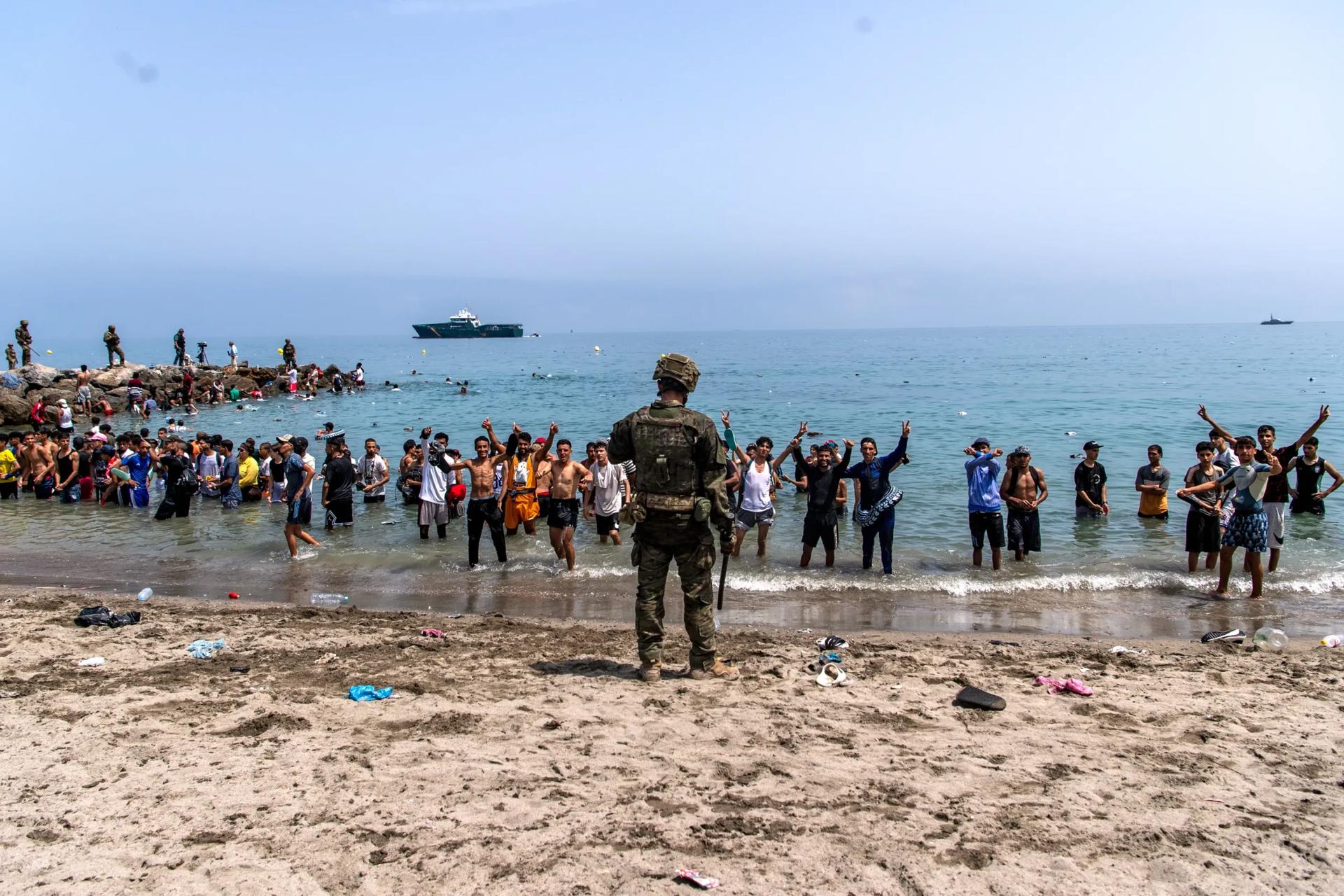
In late July, a surge saw more than 60 thousand migrants cross from Morocco into the autonomous peninsular Spanish city on the North African side of the Strait of Gibraltar, with as many as 141 people thought to have died during the rush.
Although a huge majority of the migrants have been returned, there are still 5000 in Ceuta.
Speculation has been rife about the cause of the Ceuta crisis, with many believing Morocco orchestrated the movement of people to punish Spain for its rapprochement with Algeria.
Munilla made it clear that he believed the migrants were used as part of bigger geopolitical maneuvering and that they were fed with “false expectations” that caused them to head to the city.
“The moral character of someone who uses their own people as ammunition is repugnant. It is one of the most serious forms of abuse of power imaginable,” he said.
“When citizens cease to be considered people with dignity and become instruments of political pressure, politics has degenerated into cynicism to the highest degree,” he added.
“Each of those who died had a name, a family. They were not pawns on a geopolitical chessboard, they were not diplomatic ammunition. They were people created in the image of God,” said Munilla.
However, Spanish Prime Minister Pedro Sánchez on Monday said he didn’t believe Morocco was involved.
“There’s no information from any intelligence agency that raises doubts over the involvement of Moroccan authorities,” he said to Cadena Ser radio.
“Cooperation with Morocco is frankly positive. I’d like to stress that we need to be aware that this crisis can be resolved only through cooperation – and not through a lack of trust in Morocco, which would only further aggravate the already complex situation we have in Ceuta,” he added.
The morality of deportations
Munilla went on to give his opinion on the controversial topic of deportations, drawing on Catholic social doctrine.
“I believe associations or NGOs that label summary returns as immoral are mistaken,” he said, because the defence of a “national border is not in itself an act of hostility towards immigrants.”
“The right to emigrate does not equate to an unconditional right to settle in any country regardless of the laws that regulate access,” he said.
However, he said the defense of borders can’t justify actions that violate human dignity.
“Therefore, the true moral response demands upholding two requirements simultaneously: yes to welcoming those who truly need a system of protection with solidarity, and also to responsibly safeguarding our borders. When one of these principles is absolutized to the point of negating the other, we cease to serve the common good,” Munilla said.
“Charity can never be separated from prudence, just as justice cannot be separated from mercy. The social doctrine of the Church does not invite us to choose between one or the other, but to strike a balance. And only from this balance can we confront one of the most complex challenges we are facing today,” he added.
______
You are reading this Crux Now article for free. You can register for our free daily newsletter here, and you can become a Crux Now supporter for full access to all our premium content here. To find out more about why becoming a Crux Now supporter is a great idea, go here.