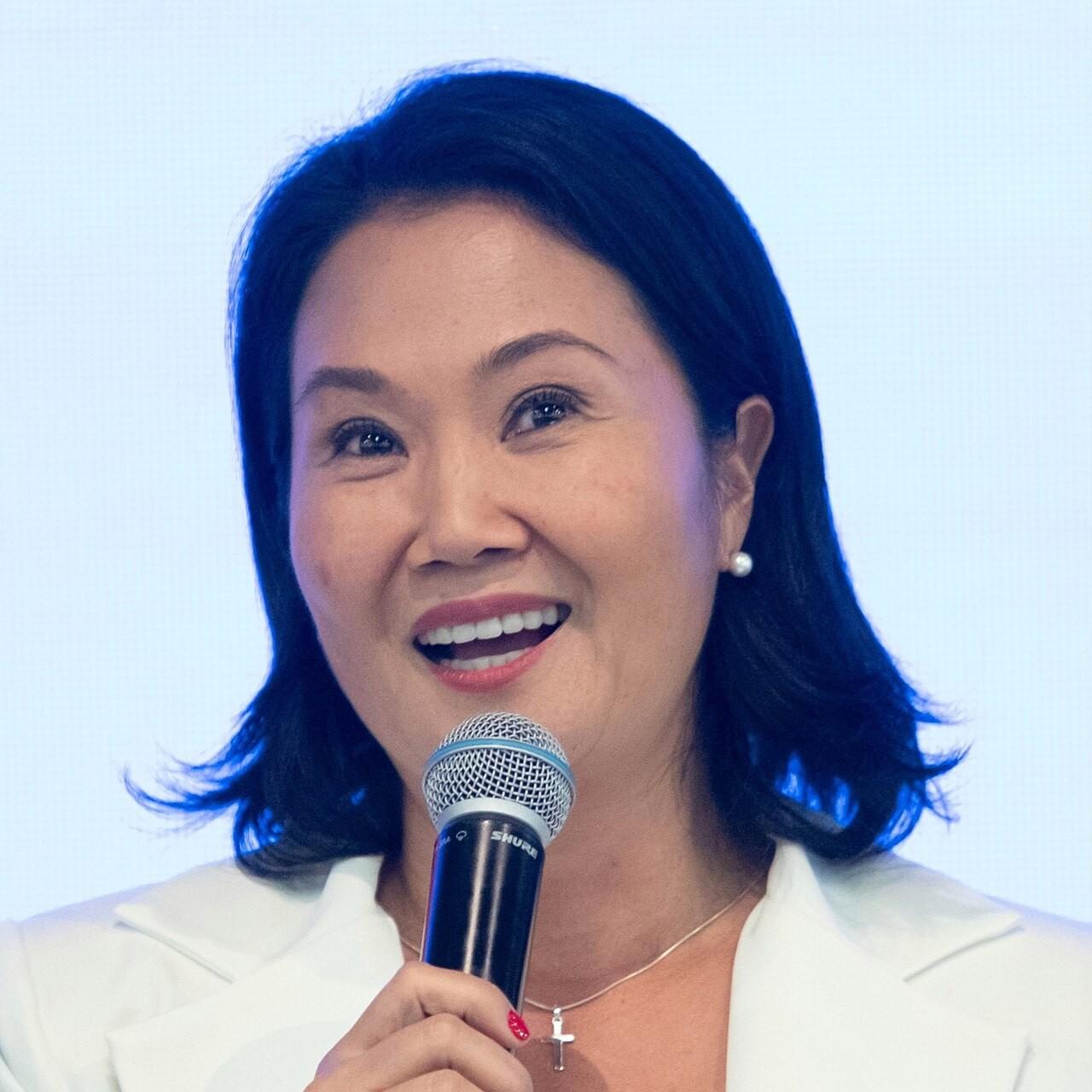
SÃO PAULO, Brazil – Keiko Fujimori will take office as the new President of Peru this week, facing the challenge of governing a politically divided nation and dealing with the potentially harsh consequences of a super El Niño.
It took Fujimori four elections to finally be victorious – she was defeated by Ollanta Humala in 2011, by Pedro Pablo Kuczynski in 2016, and by Pedro Castillo in 2022 – but she has been a central figure in Peruvian politics since the 1990s.
Not only was she the First Lady to her father, former President Alberto Fujimori, between 1994 and 2000 – after her mother, Susana, denounced her husband for corruption and was removed from her position – but she has also been the main leader of Fuerza Popular (“popular power,” in Spanish), the Fujimorist party, over the past several years.
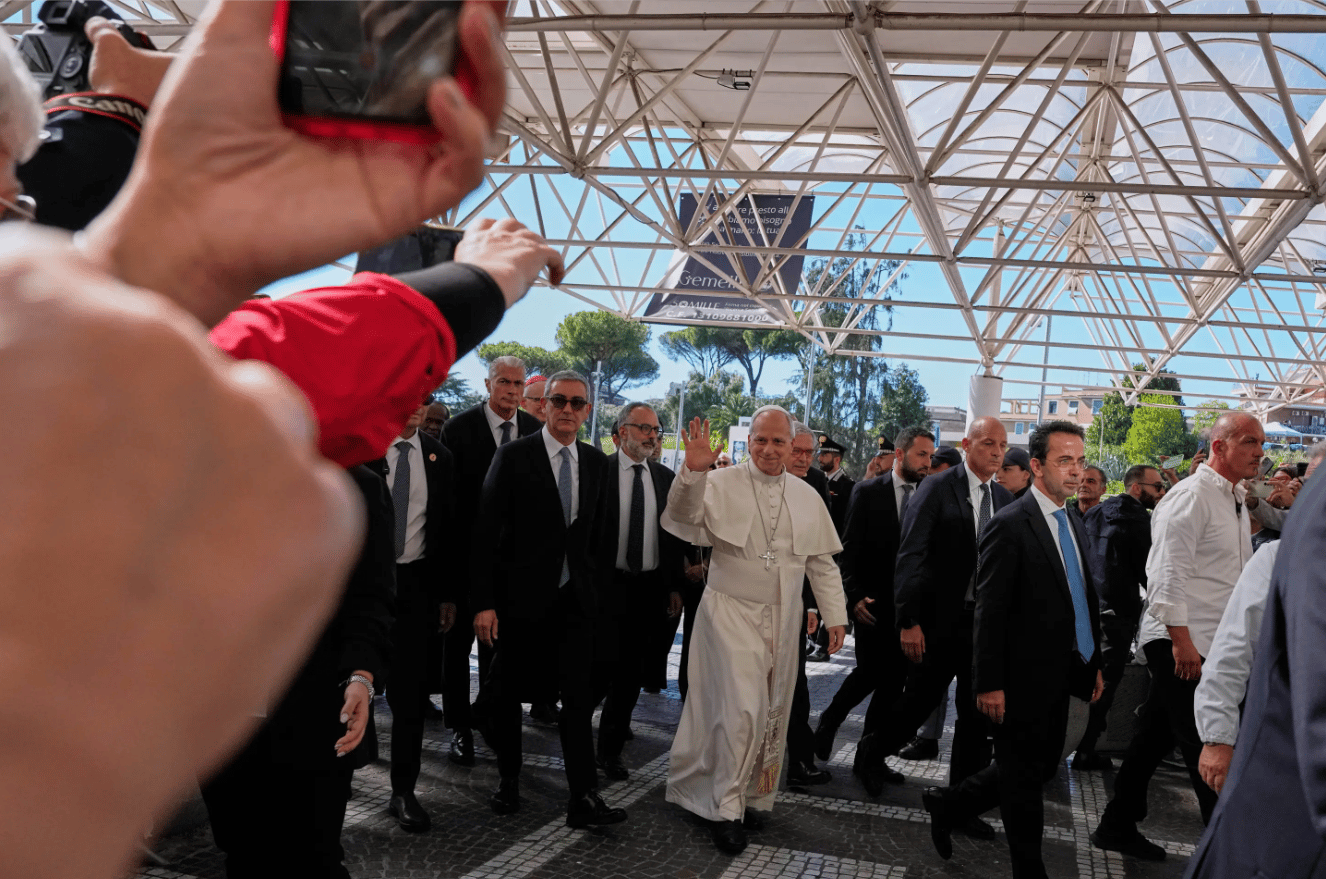
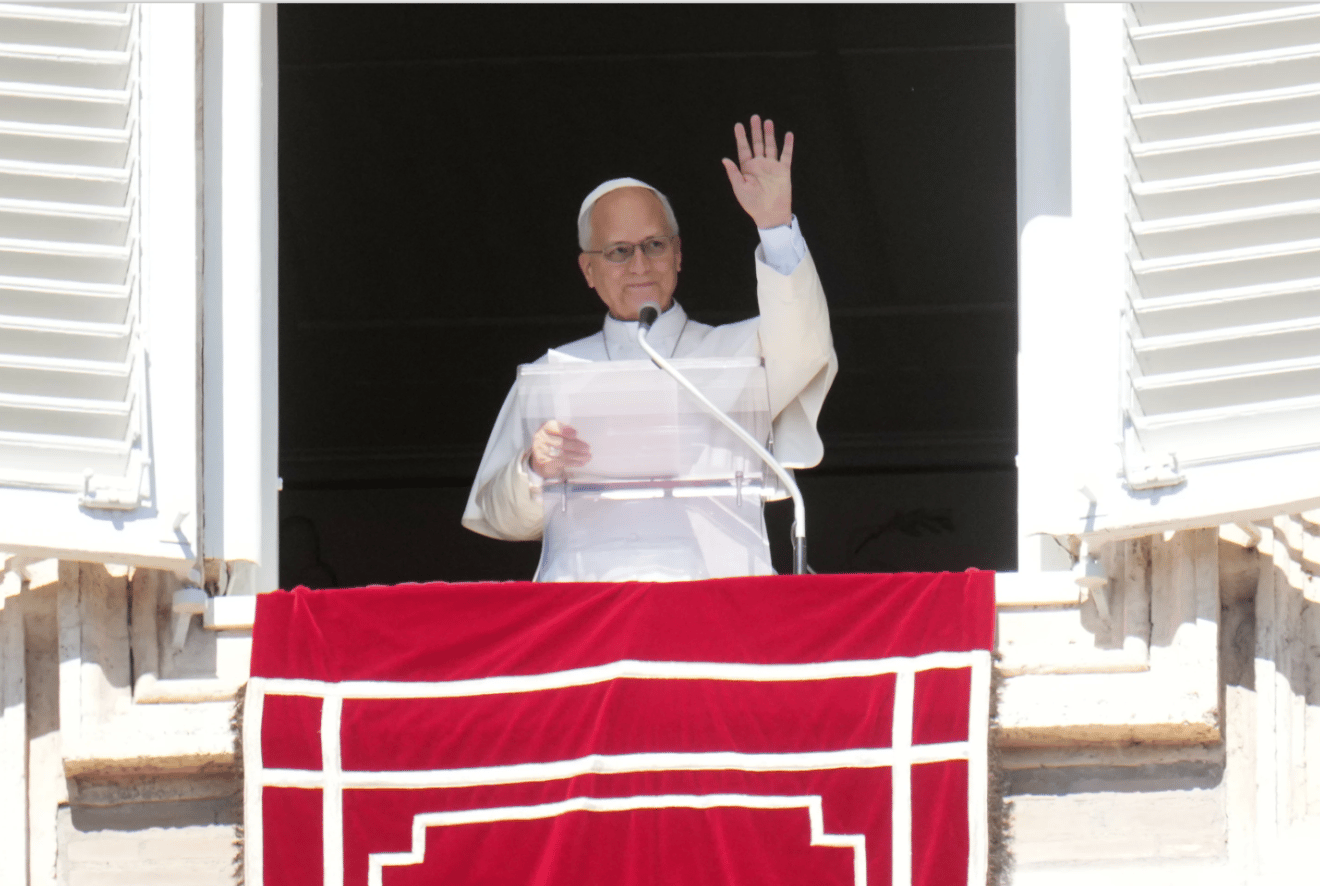
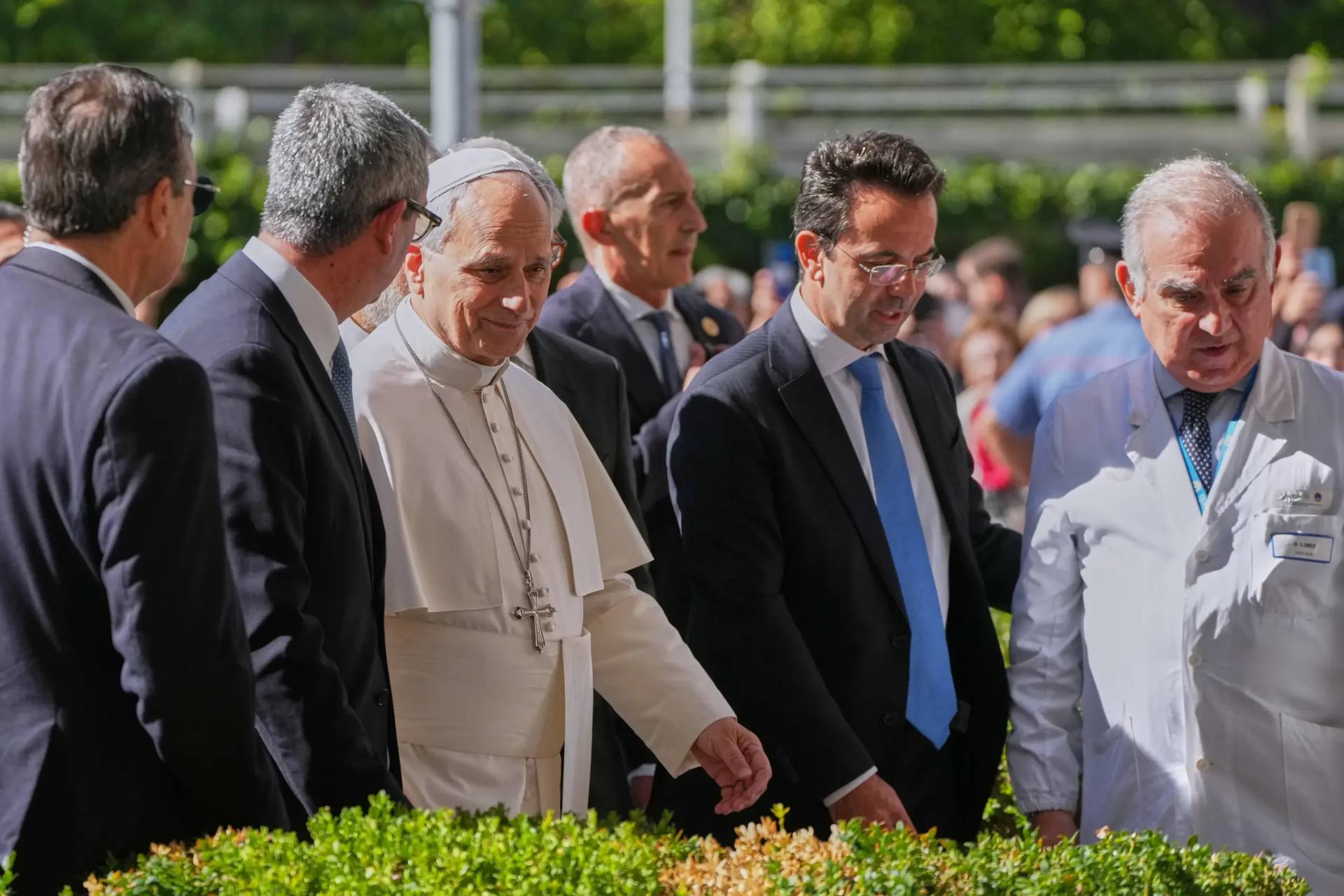
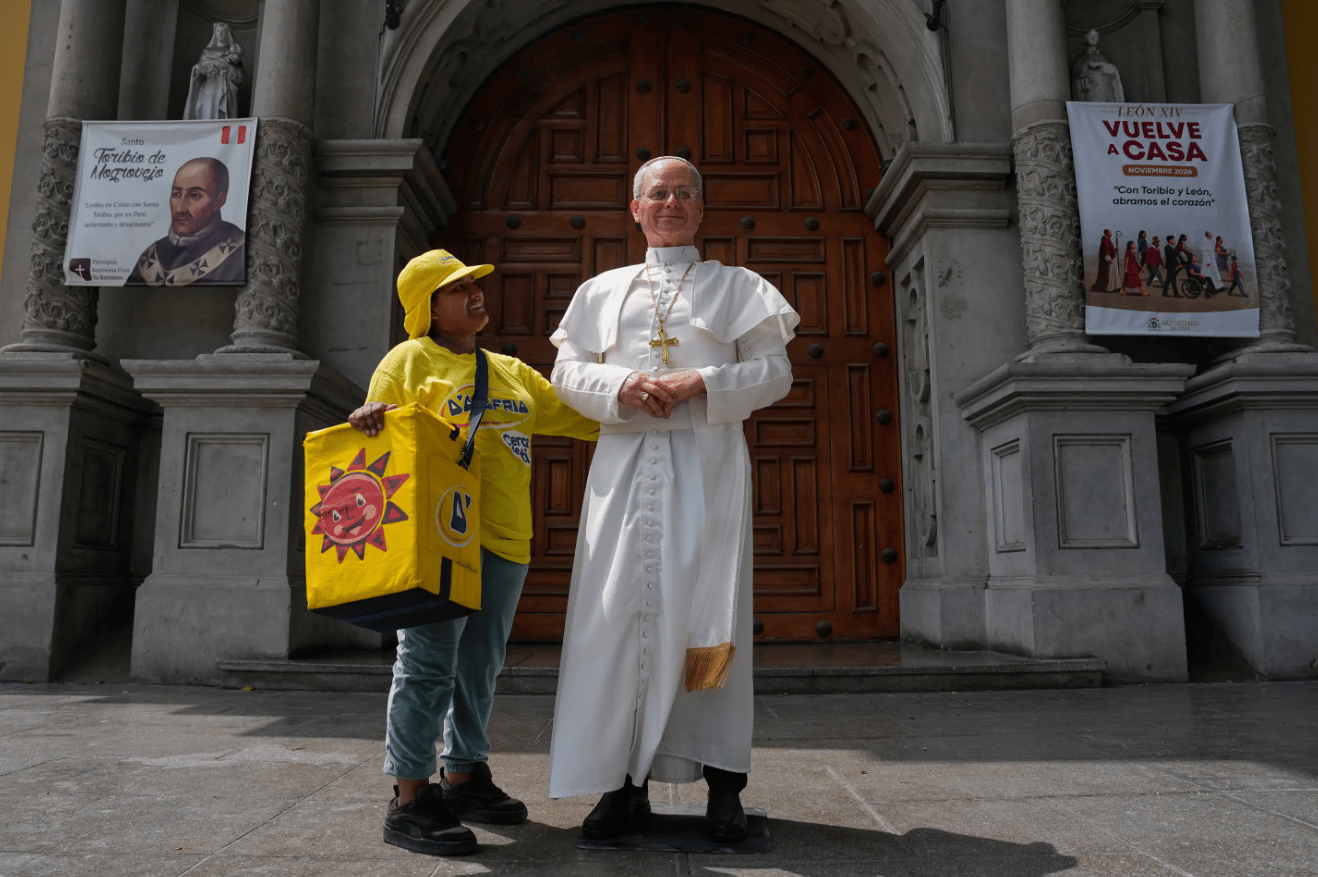
The Catholic Church will work with the new leader not only on the coordination of Pope Leo XIV’s visit, expected to occur in November, but also on social issues, as was announced after a meeting between Fujimori and the heads of the Peruvian episcopate on July 16.
But analysts do not expect the relationship between the president and the bishops of the country to be all smooth sailing.
“Her visit to the bishops’ conference is part of the protocol,” Cecilia Tovar, a philosopher and a member of the Bartolomé de las Casas Institute, told Crux Now. “She also wanted to demonstrate that she’s open to dialogue with different social segments,” Tovar also said
But that, according to Tovar, is part of her political strategy.
“She controls the Peruvian Congress and has contributed a great deal to the current political polarization,” she said.
Since 2016, when Pedro Pablo Kuczynski took office, political turmoil has led the Andean nation to have eight different presidents.
The most recent wave of unrest began in the wake of Pedro Castillo’s election in 2021.
After repeatedly failing to obtain enough support in Congress, Castillo attempted to declare a state of emergency, but ended up being ousted and detained.
He was replaced at the end of 2022 by Vice President Dina Boluarte, who faced public unrest from the beginning.
Several social movements staged protests against her in Lima and in the southern part of Peru, demanding her resignation.
Boluarte used force against the protesters, which resulted in more than 70 deaths and almost 2,000 injured. She ended up being impeached in 2025 amid a security crisis.
Armando Borda, who heads the Social Christian Studies Institute, told Crux Now Keiko Fujimori is now expected to manage the country’s open political rift.
“Institutionality – as a matter of fact, the democratic system as a whole – has been severely affected,” Borda said. Rebuilding trust will be a major challenge,” she said.
About a third of Peruvian citizens did not vote this year.
Those who did go to the polls were divided almost evenly between Keiko Fujimori and her opponent, left-winger Roberto Sánchez.
The difference between them amounted to less than 50,000 votes.
“Keiko knows very well that she didn’t receive the support of the majority of the people. She might make a gesture to other political forces and include in her administration politicians who are not strictly Fujimorist,” Borda said.
Human rights advocates hope she will not follow the path of her father, Alberto Fujimori, who came to power in 1990 and staged a coup d’état in 1992, launching what would become a de facto dictatorship.
Amid terrorist attacks carried out by Communist organizations like Sendero Luminoso (Shining Path, a Maoist-inspired guerrilla group), Fujimori decided to crack down on them with an iron fist.
But state violence ended up affecting many innocent victims, some of them Catholic activists. Human rights violations also impacted vulnerable social groups as part of Fujimori’s policies.
The Church has always taken a critical stance on such violations – and would equally criticize Keiko Fujimori if she tried to reenact her father’s actions, said Borda.
Tovar doesn’t think she will take concrete measures to address the country’s dark past.
“The Fujimorist-controlled Congress has never taken any step to compensate Boluarte’s victims or the victims of political violence from the 1990s,” Tovar said.
She said the state halted the search for the bodies missing from the 1990s massacres, demonstrating that “it doesn’t care about them.”
“The Church will keep monitoring issues related to human rights violations, I’m sure. The bishops’ conference has many members who follow Pope Francis’s and Pope Leo’s [human rights] inspiration,” Tovar said.
Pope Leo XIV has deep knowledge of the Peruvian context and recent history, having worked in the South American nation since the 1980s.
Tovar does not expect Leo – who is also a Peruvian citizen – to be silent in the event Fujimori’s administration fails to uphold human rights.
She noted that he spoke out in the past, and “will do it again if he thinks it’s the moment to do so.”
In 2017, when he was Bishop of the Diocese of Chiclayo, the future pope criticized Fujimori after he received a presidential pardon from Kuczynski for medical reasons.
Fujimori had been convicted of human rights crimes (including the killing of civilians) and of corruption-related charges, and had been detained since 2007.
Leo said at the time that Fujimori had apologized too vaguely and had only acknowledged his own fault in general terms.
“Perhaps it would be more effective for him to personally ask forgiveness for some of the great injustices that were committed and for which he was convicted,” the future pontiff said.
The pardon was nullified by the judiciary in 2018 and, after remaining hospitalized for a while, Fujimori was imprisoned again in 2019. In Dec. 2023, he was freed by a Supreme Court decision and went to live in Keiko Fujimori’s house.
Alberto Fujimori died in Sept. 2024.
Before taking office and announcing the members of her cabinet, Keiko Fujimori can still count on the Church’s hope that she will lead a successful administration.
“It’s a new government, and we always have hope for new governments,” Borda affirmed.
Tovar said that Fujimori has been showing concern over the upcoming super El Niño weather phenomenon, which is expected to have a major impact on Peru later in 2026.
“She has been listening to experts and promising to act. If she manages to deal with it successfully, it will be positive for her administration,” she said.
Despite Keiko Fujimori’s controversial political background, many Catholics are satisfied with her election and see it as an important step toward securing Catholic values in Peru.
Such is the case of pro-life activist Susan Vargas, who heads the 40 Days for Life campaign in the country.
“After 10 years of political instability, with eight different presidents – seven of whom promoted ideological views opposed to life and the family – a ray of hope has arrived for our country in 2026,” Vargas told Crux Now.
She said Keiko Fujimori has made clear in several interviews her commitment to defending the values of life and the family, something that also appears in the ten-point platform of her party’s government plan.
“What we hope for Peru is positive progress, both economically and in upholding our values. We will remain vigilant to ensure that the dignity of every human being is respected from conception until natural death,” Vargas concluded.