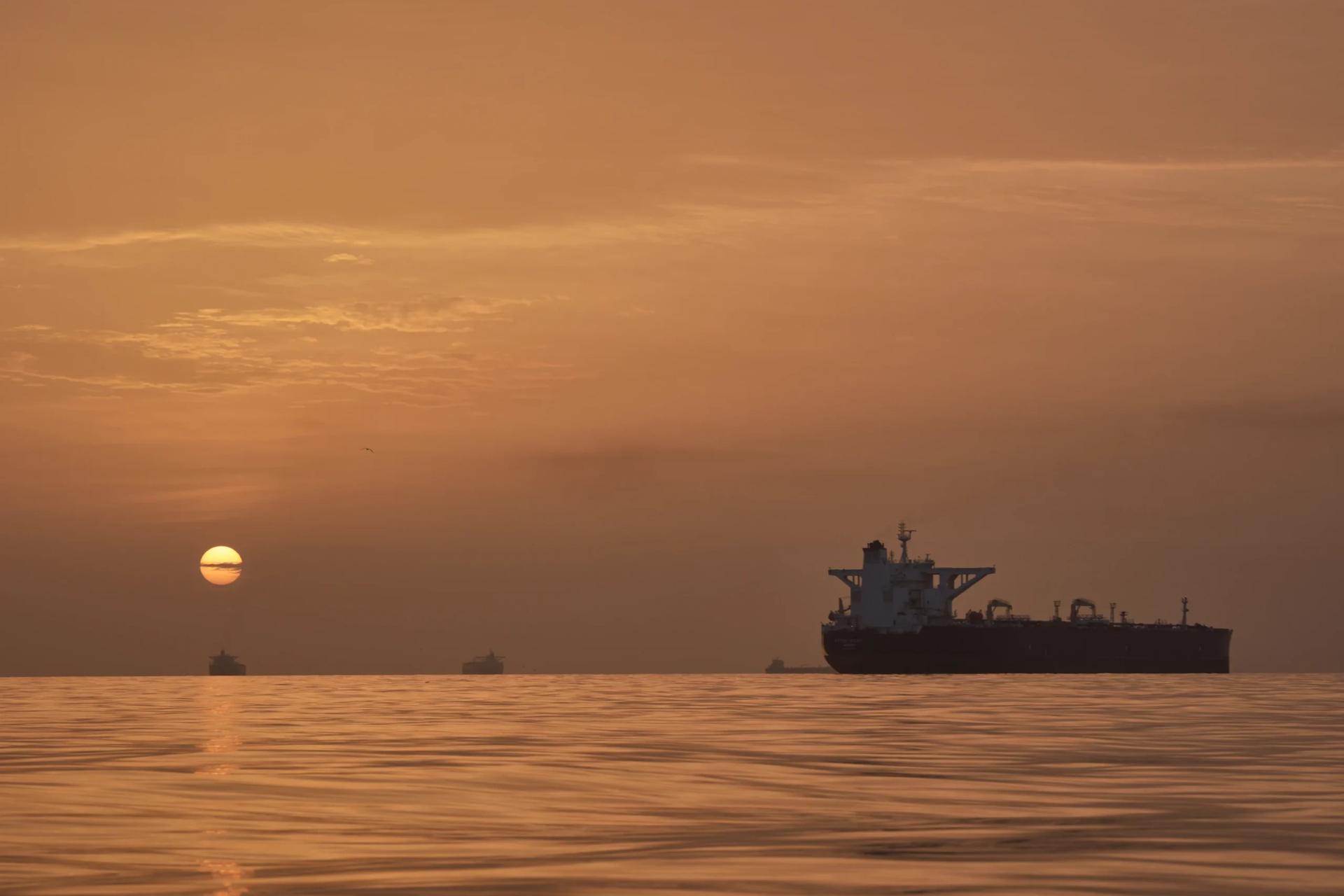
LEICESTER, United Kingdom – A leading Catholic aid agency is joining efforts to stop the exploitation of seafarers in Great Britain.
Stella Maris, which was formerly known as Apostleship of the Sea, is the leading charity helping seafarers in the UK and around the world, and says the lives of fishers and seafarers already “can be dangerous and lonely,” even when they are adequately protected.
Stella Maris offers chaplains and ship visitors to provide fishers and seafarers with practical and pastoral support, information and a listening ear around the world.
In an exclusive interview with Crux Now, Stella Maris CEO and National Director Tim Hill says the majority of fishing companies treat their employees well, but “weaknesses in the UK’s immigration system, labor market enforcement” and industry regulations “allow the exploitation of overseas fishers.”
“Through our work with overseas fishers, Stella Maris has seen the lasting human cost when people are left vulnerable to exploitation,” Hill says.
The International Transport Workers’ Federation (ITF) and four other organizations are calling on the British government to reform the coverage of seafarers’ immigration status, employment rights, recruitment, and the enforcement of the existing laws.
A key reform would be making it easier for seafarers to switch jobs without endangering their right to work in the United Kingdom.
“With access to the Skilled Worker visa route due to close for fishing occupations in December, the Government must put a fair and lawful alternative in place before more fishers are pushed into insecure arrangements,” Hill says in a statement.
“These reforms would protect workers while supporting a fishing industry in which responsible employers can recruit the people they need,” he says.
Please find Crux Now‘s conversation with Tim Hill of Stella Maris, below ...
Crux Now: What are the problems facing foreign workers in the fishing industry in the UK?
Hill: The vast majority of fishing companies treat their crews well. However, fishing takes place largely out of public view, and restricted access to vessels and ports can make abuse difficult to identify.
Overseas fishers can be particularly vulnerable because their employment, accommodation and immigration status may all depend on the same employer. Reported problems include wages being underpaid or withheld, excessive hours, falsified working records, unsafe conditions, recruitment debt and restrictions on movement.
Workers may also be threatened with dismissal, deportation or blacklisting if they raise concerns. In the most serious cases, fishers working in the UK industry have been formally recognized as victims of modern slavery.
The isolation of life at sea makes it harder for fishers to obtain independent information, contact welfare organizations or report what is happening.
Fear of losing both their livelihood and their immigration status can leave them feeling they have little choice but to remain in an exploitative situation.
Why do you want to change visa laws surrounding the fishing industry?
Weaknesses in the UK’s immigration system, labor market enforcement and the regulation of the fishing industry have created conditions which allow the exploitation of overseas fishers.
Stella Maris wants these fishers to be recognized and protected as workers. They should have clear immigration status, access to UK employment protections and the ability to report mistreatment without fearing that they will lose their job and their right to remain in the country.
In our joint letter to the Home Office, we set out ten key reforms covering immigration status, employment rights, recruitment and enforcement for overseas fishers.
These included a dedicated Fishing Worker Visa that would enable businesses to recruit the people they need while allowing fishers to change employer when necessary and give them stronger access to employment protections.
This is particularly urgent because the Skilled Worker visa route for fishing occupations is due to close at the end of 2026. Without a fair and lawful alternative, the industry is likely to become more reliant on Transit visas, increasing the number of fishers recruited through a route that was never designed for people living and working from UK ports for extended periods.
What is the Transit Loophole, and why is Stella Maris concerned about it?
The Transit Loophole refers to the use of Code 7 Contract Seaman Leave to recruit overseas fishers to work aboard UK fishing vessels.
This arrangement was designed for seafarers passing through the UK to reach their departing ship.
It was not intended as a long-term employment route for fishers working from UK ports. However, some businesses use it to employ fishers on vessels that sail beyond the 12-nautical-mile boundary and then return regularly to UK ports.
A fisher may therefore spend months working for a UK employer aboard a UK-flagged vessel while being treated under immigration law as though they are passing through the country. This can deny overseas fishers employment rights and labour protections afforded to other workers in the UK.
Stella Maris is concerned because this leaves fishers in an extremely precarious position. Their permission is effectively connected to a particular vessel.
Leaving an abusive employer may mean losing the basis on which they are in the UK and facing deportation or blacklisting.
Working outside UK territorial waters there can be uncertainty about which authorities and employment protections apply, while any work inside UK territorial waters and on land may breach their immigration conditions, even if they are doing so at their employer’s instruction.
This can discourage workers from reporting withheld wages, excessive or falsified working hours, unsafe conditions and other abuse.
The result is a system in which an immigration arrangement intended for temporary transit can be used to control workers and leave exploitation hidden and difficult to challenge.
Why are the rights of members of the fishing industry so complicated?
People performing similar jobs aboard UK fishing vessels can have very different rights depending on their employment arrangement, immigration status and where it is operating.
Some British and settled fishers work as self-employed “share fishers” and receive a proportion of the value of the catch rather than a conventional wage.
Others are employees.
Overseas fishers may hold a Skilled Worker visa, enter through a transit visa, or have another form of immigration status. Each arrangement provides different rights and protections.
The rules are also spread across immigration, employment and maritime law, as well as international standards.
Responsibility for enforcement is divided between different authorities, and enforcement can be inconsistent. Inspections may focus primarily on vessel safety and documentation rather than wages, recruitment practices or signs of exploitation.
The system can be difficult even for specialists to navigate; it is therefore unrealistic to expect an overseas fisher, who may depend on their recruiter or employer for information, to understand fully which rights apply and how to enforce them.
How does all of this affect the spiritual lives of fishers, especially Catholic fishers?
The Vatican acknowledges the sacrifice and contribution of those who work at sea and inland waterways, including fishers, recognizing them not only for the essential work they do, but as people with their own hopes, relationships and dreams.
Fishing already involves long periods away from home, family and parish life.
When this is combined with excessive working hours, restricted movement, poor treatment or fear about immigration status, it can cause profound isolation, anxiety and loss of hope.
For Catholic fishers, being unable to leave the vessel may mean going for months without attending Mass, receiving the sacraments or spending time with a Catholic community.
Fishers have told Stella Maris chaplains how much it means to be visited, prayed with and given the opportunity to speak openly with someone they trust.
Stella Maris has supported fishers affected by slavery and labor exploitation.
Our chaplains have provided practical and pastoral and spiritual assistance while accompanying people through investigations and lengthy legal proceedings.
During an experience in which so much control has been taken away from them, that steady presence can help fishers remain connected to their faith and recognize that they have not been forgotten.
However, pastoral support cannot compensate for an immigration and employment system that leaves people isolated or afraid to seek help.
Our Catholic faith calls us to uphold the dignity of every worker. That is why Stella Maris supports fishers directly while also advocating for laws that enable them to work safely and exercise their rights.
______
You are reading this Crux Now article for free. You can register for our free daily newsletter here, and you can become a Crux Now supporter for full access to all our premium content here. To find out more about why becoming a Crux Now supporter is a great idea, go here.
Follow Charles Collins on X: @CharlesinRome