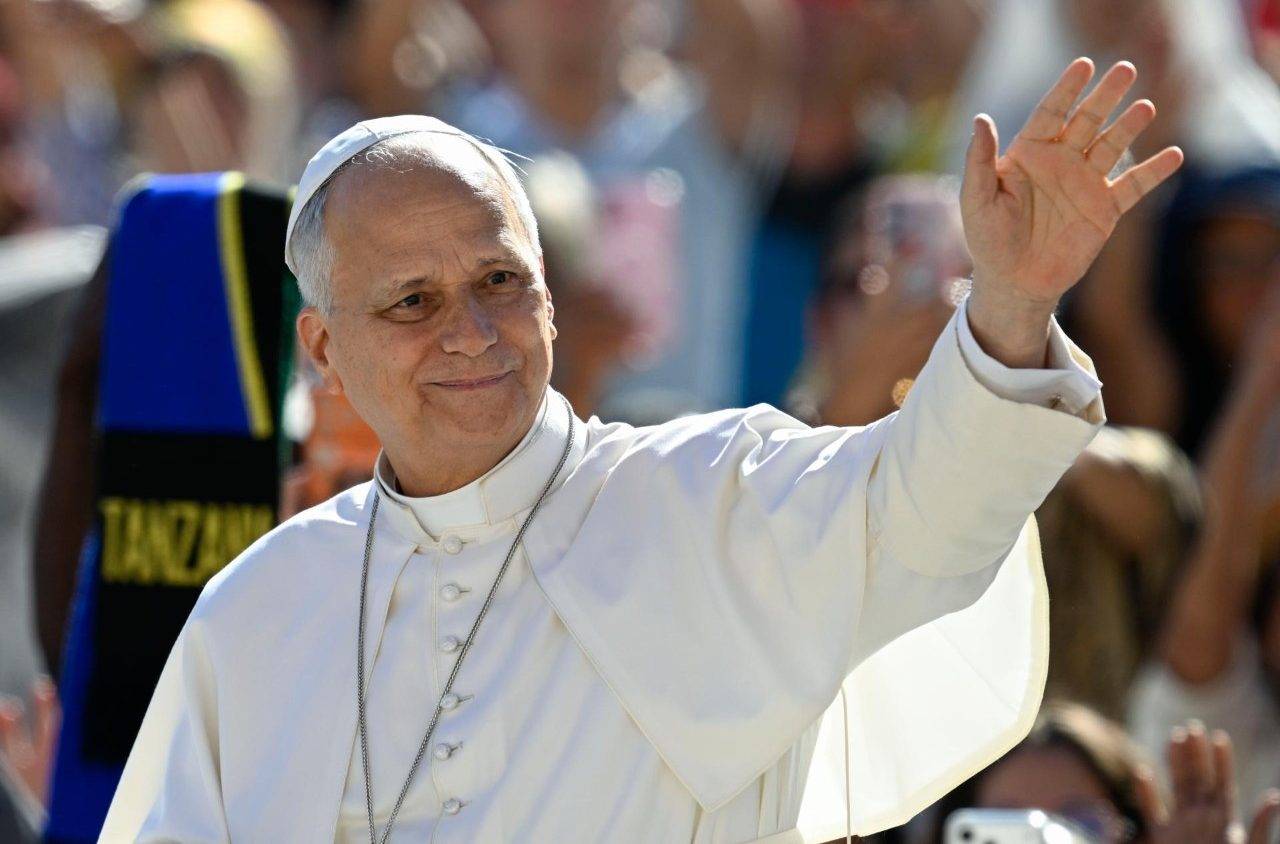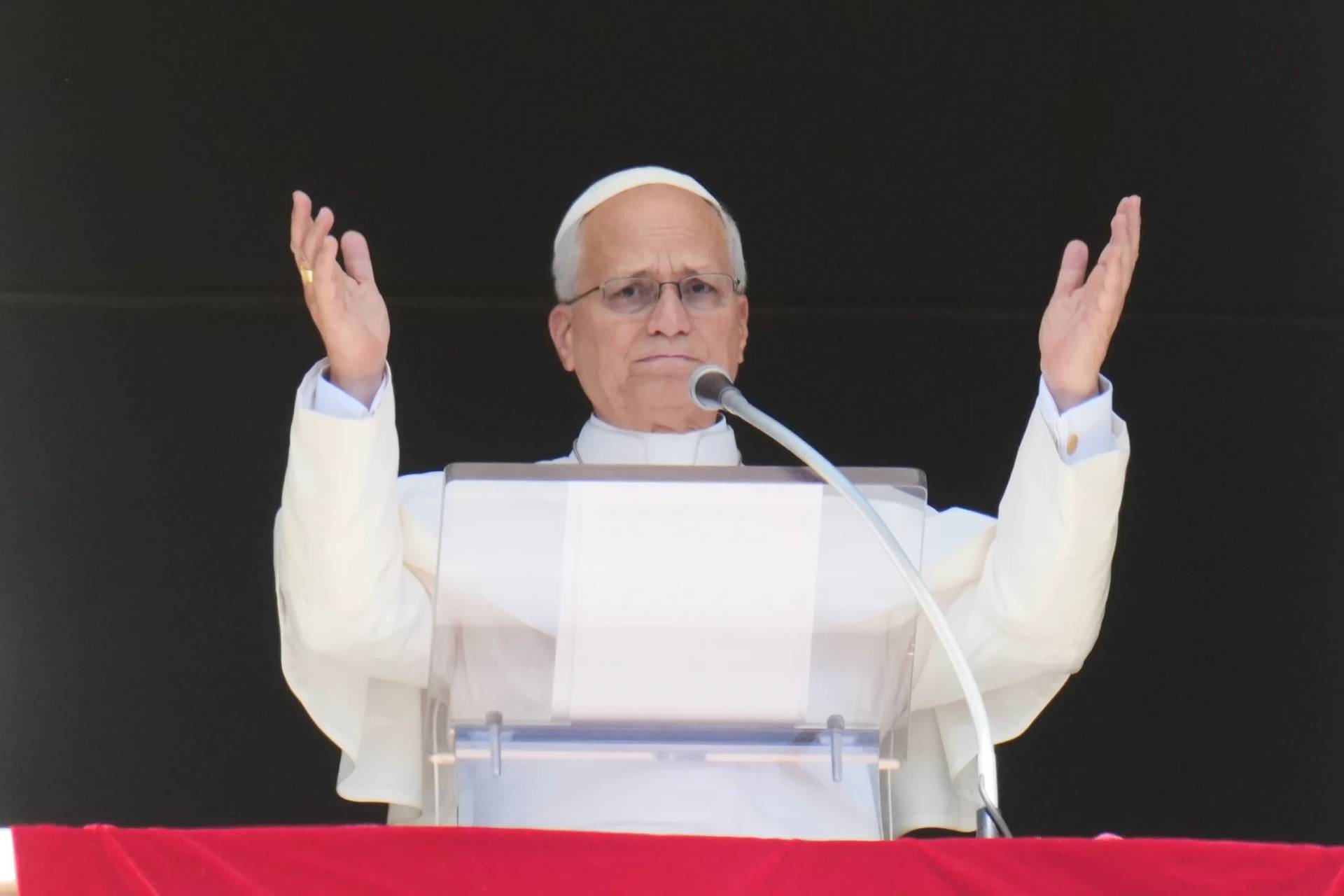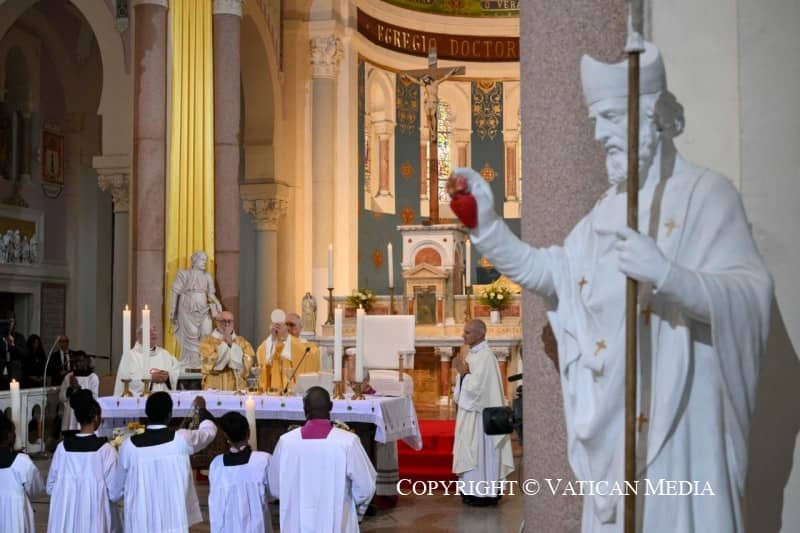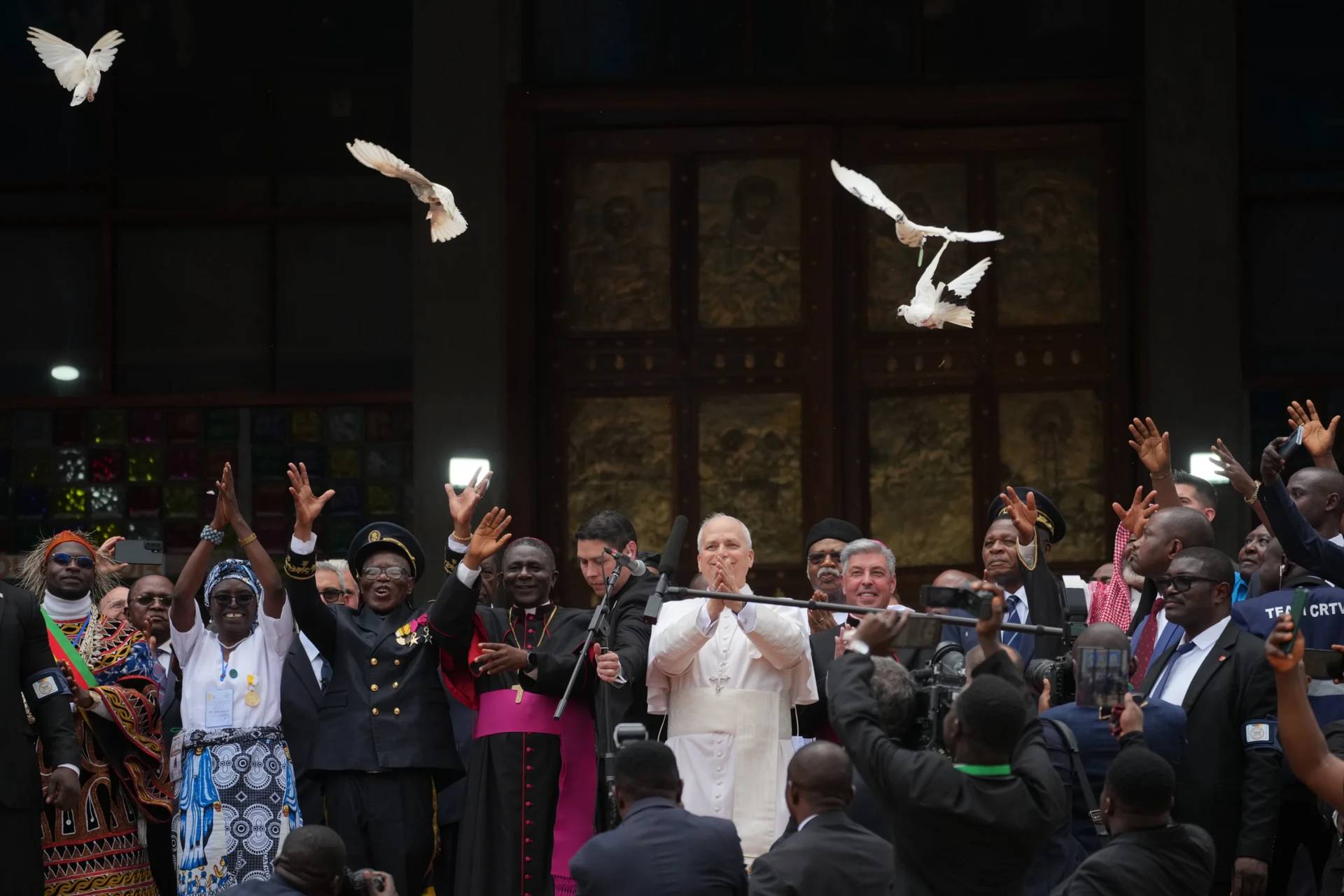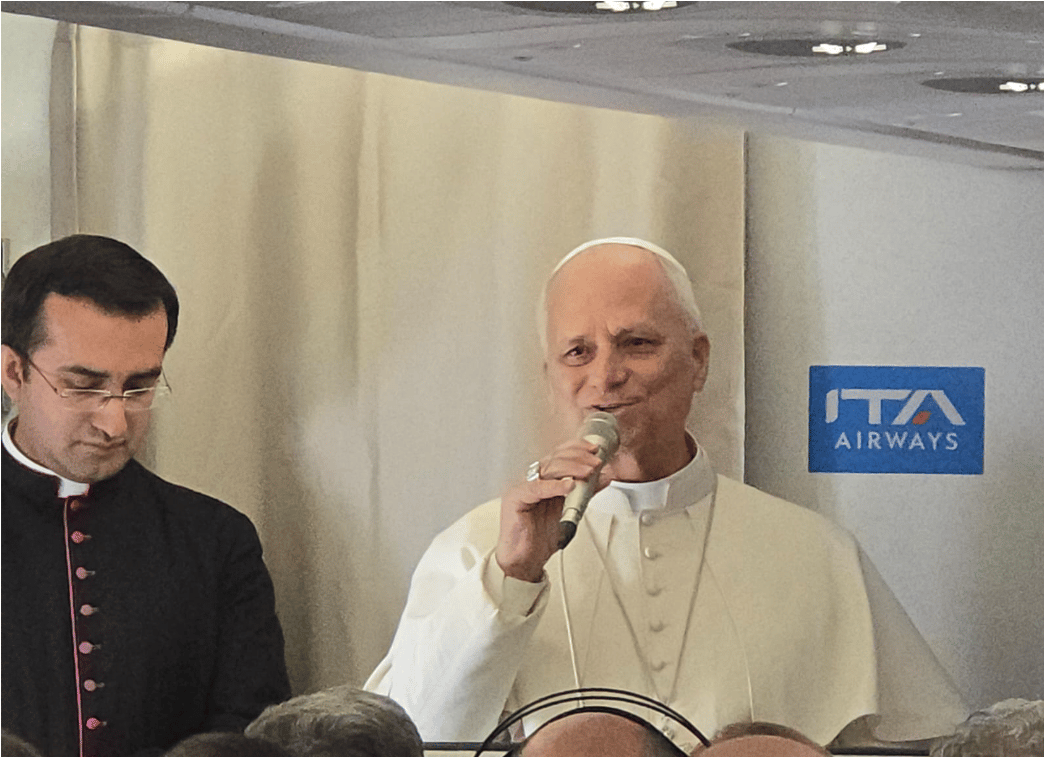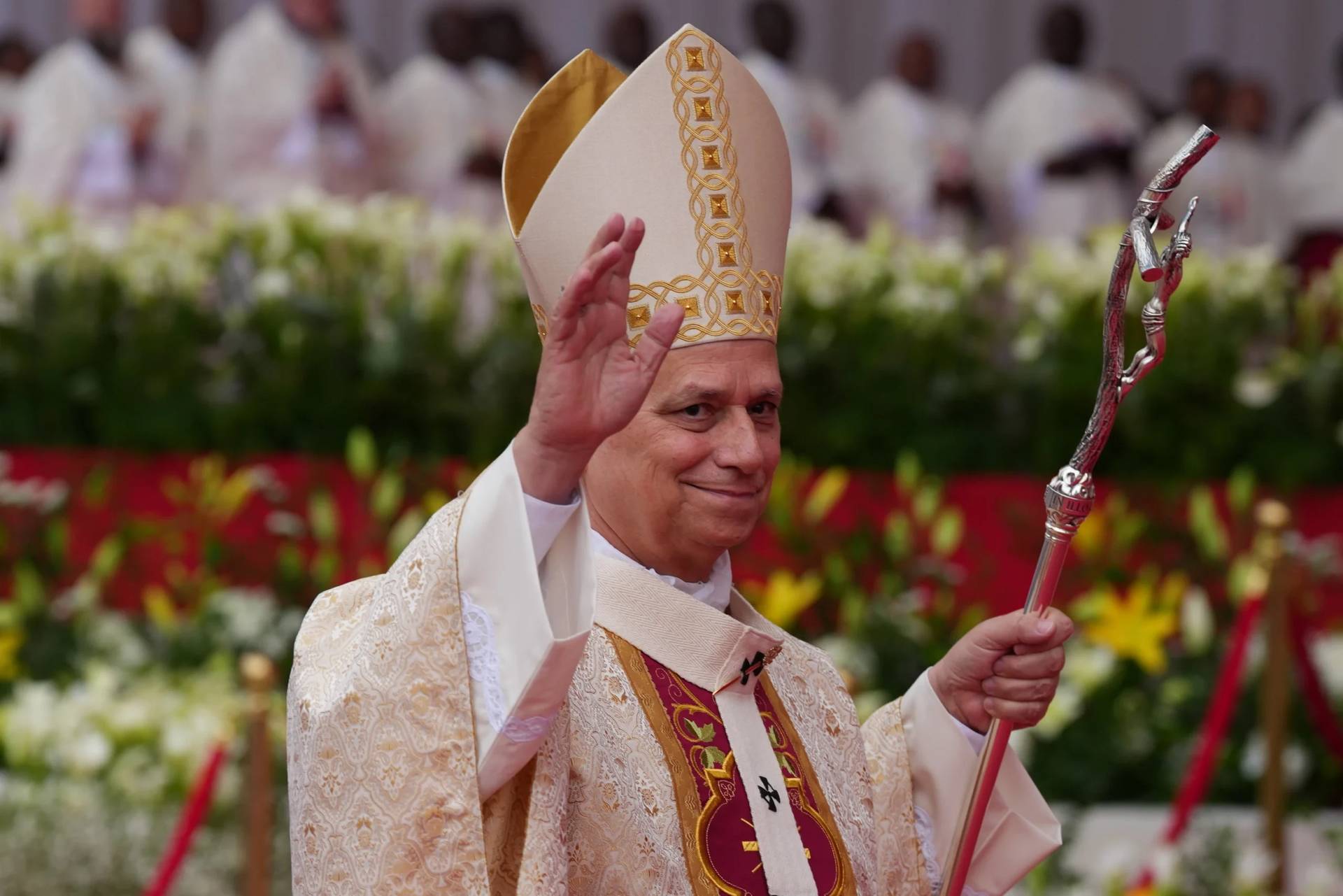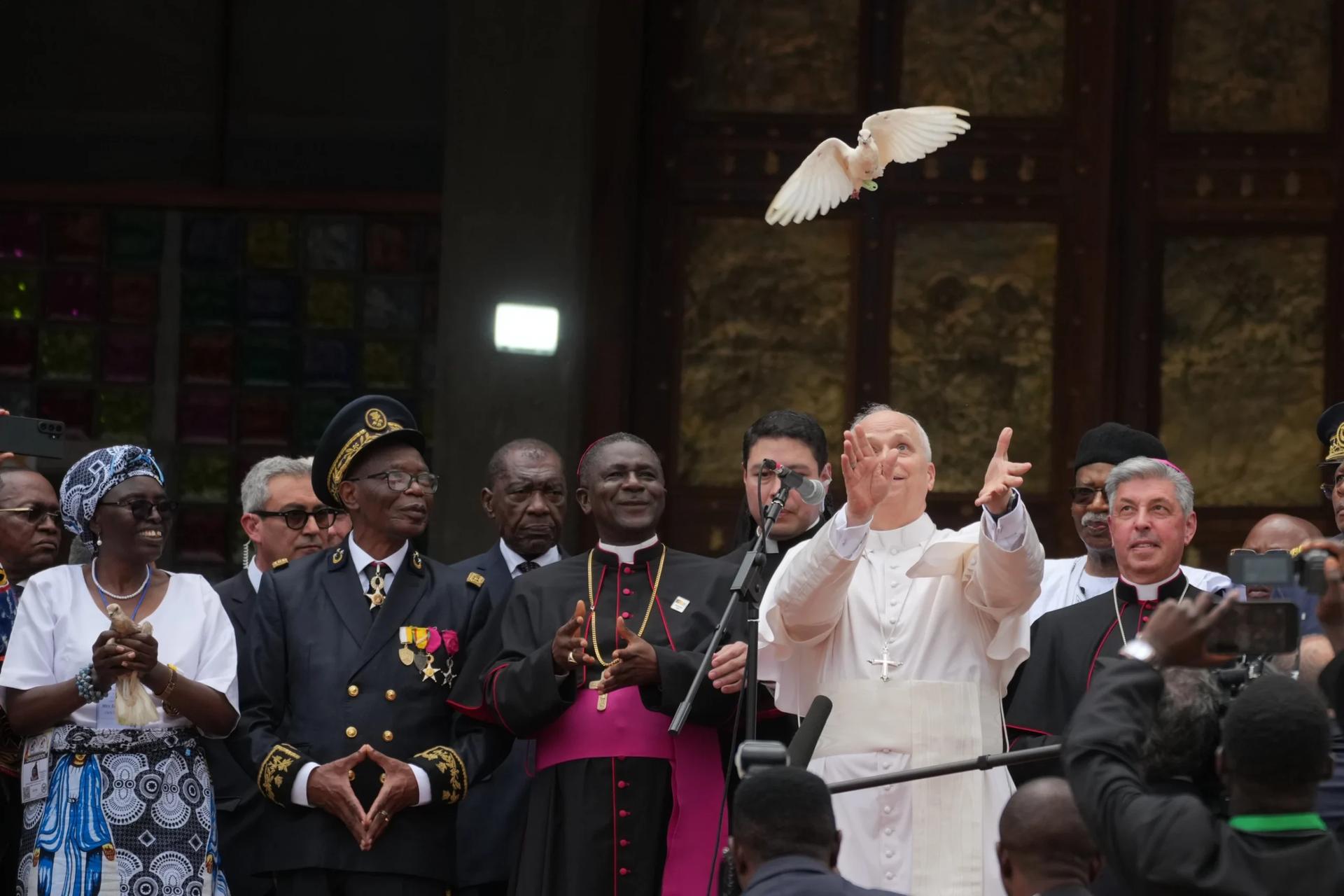
YAOUNDÉ, Cameroon – During his April 15-18 visit to Cameroon, Pope Leo XVI broke a long-standing taboo: He directly addressed the separatist conflict in the country’s English-speaking regions and explicitly called for a peace rooted not only in silence but also in justice.
Cameroonian authorities have often favored what political scientists call “negative peace”—an approach that prioritizes the mere absence of active combat through military containment. This stands in stark contrast to “positive peace,” which, as advocated by the pope, requires structural fairness, accountability, and the resolution of underlying grievances.
To understand the current conflict, one must look to Cameroon’s colonial history. Initially colonized by Germany, the territory was divided between Britain and France following Germany’s defeat in World War I, with France receiving approximately 80 percent of the land. The two distinct regions the British Cameroons and French Cameroun were administered separately until 1961, when they reunified to form a federation of two co-equal states.
Since then, the minority English-speaking population has complained of systemic marginalization, arguing that they are treated as second-class citizens and that their distinct legal and educational systems are being eroded.
“Anglophone Cameroonians are slowly being asphyxiated as every element of their culture is systematically targeted and absorbed into the Francophone Cameroon culture and way of doing things. These include the language, the educational system, the system of administration and governance (where appointed leaders are sent to lord it over people who cherish elected leaders), the legal system, and a transparent democratic process where elected leaders are answerable to the electorate who put them there in the first place,” said the bishops of the Bamenda Episcopal Conference in a Pastoral Letter.
Joseph Wirba, a former opposition Member of Parliament, warned the government years ago that failing to redress these grievances would inevitably lead to resistance.
“When people have had pent-up anger, humiliation for over fifty years, when it bursts out, you will never be able to control it,” Wirba told Parliament in 2015. “When injustice becomes law, resistance becomes a duty. The people of West Cameroon have a duty to resist your oppression, and if you want to take that territory by force, you will kill till the last man before you take it, and you can start from me today.”
Wirba’s words proved prophetic. In 2016, teachers and lawyers in the Northwest and Southwest regions took to the streets to protest the imposition of French in Anglophone schools and courts. The government responded by deploying the military, which used lethal force and framed the conflict solely as a threat to state sovereignty.
This hardline stance is epitomized by Paul Atanga Nji, Cameroon’s Minister of Territorial Administration, who has frequently referred to separatist fighters as “mad people,” terrorists, and “spices” that should be ground in the blender of state violence.
“The state will always reject the terrorists,” he has declared. “The strange story is that even Lucifer is rejecting the terrorists. Lucifer’s Kingdom is the temple of evil, but Lucifer is telling the terrorists from the North West and the South West that ‘we asked you to commit atrocities, but you have committed more atrocities than we expected,’ so you don’t even have a space in Lucifer’s Kingdom.”
Such rhetoric has been used to justify resorting to overwhelming military might to crush the crisis. However, during his visit, Pope Leo suggested that these problems cannot be resolved by force alone.
Addressing the country’s political authorities, including President Paul Biya, in Yaoundé, Pope Leo noted that Cameroon faces “complex difficulties.” He acknowledged that violence in the Anglophone regions and Boko Haram incursions in the north have caused “profound suffering: lives have been lost, families displaced, children deprived of schooling, and young people no longer see a future.”
Yet, the pontiff argued that using force to restore order is not a viable solution. “Peace, in fact, cannot be decreed: It must be embraced and lived,” he said—a sharp contrast to the military option frequently preferred by the government.
The pope underscored the need for the human family to “reject the logic of violence and war, and to embrace a peace founded on love and justice.” He described this as “a peace that is unarmed, that is, not based on fear, threats or weapons, and at the same time disarming, because it is capable of resolving conflicts, opening hearts and generating trust, empathy and hope.”
“There is such a hunger and thirst for justice!” he added. “A thirst for getting involved, for a vision, for courageous choices and for peace! It is my great desire to reach the hearts of all, especially young people, who are called to help shape a world that is more just, including in the political sphere.”
A government approach that aims only to silence the guns, without addressing the atrocities committed or the constitutional grievances that sparked the violence in the first place, risks creating a culture of impunity in which victims’ trauma remains unacknowledged.
The Anglophone crisis is therefore a textbook example of the incompatibility of peace without justice. The military option preferred by the government might have displaced populations and degraded rebel capacity, but it has failed to secure loyalty or stability. As long as the state relies on coercion to maintain order, the underlying resentment festers, making a return to violence perpetually likely.
For peace expert and political scientist Dr. Derick Kinnang, true reconciliation in Cameroon requires a paradigm shift in which peace is defined not by the enforced silence of dissent but by “the establishment of an inclusive political order.”
He said such an inclusive political order must address the historical marginalization of the Anglophone minority and ensure that human rights abuse is investigated and redressed.
“If you fail to establish this foundation of justice, any peace agreement will be fragile and I believe temporary,” Kinnang said.
After all, in the words of Pope Leo: “Genuine peace is born when everyone feels protected, heard, and respected, when the law is a sure bulwark against the arbitrary power of the wealthiest and strongest.”
“For peace and justice to prevail, it is indeed necessary to break the chains of corruption that disfigure authority by emptying it of its credibility. It is necessary to free the heart from this thirst for gain which is idolatry,” the pope said.