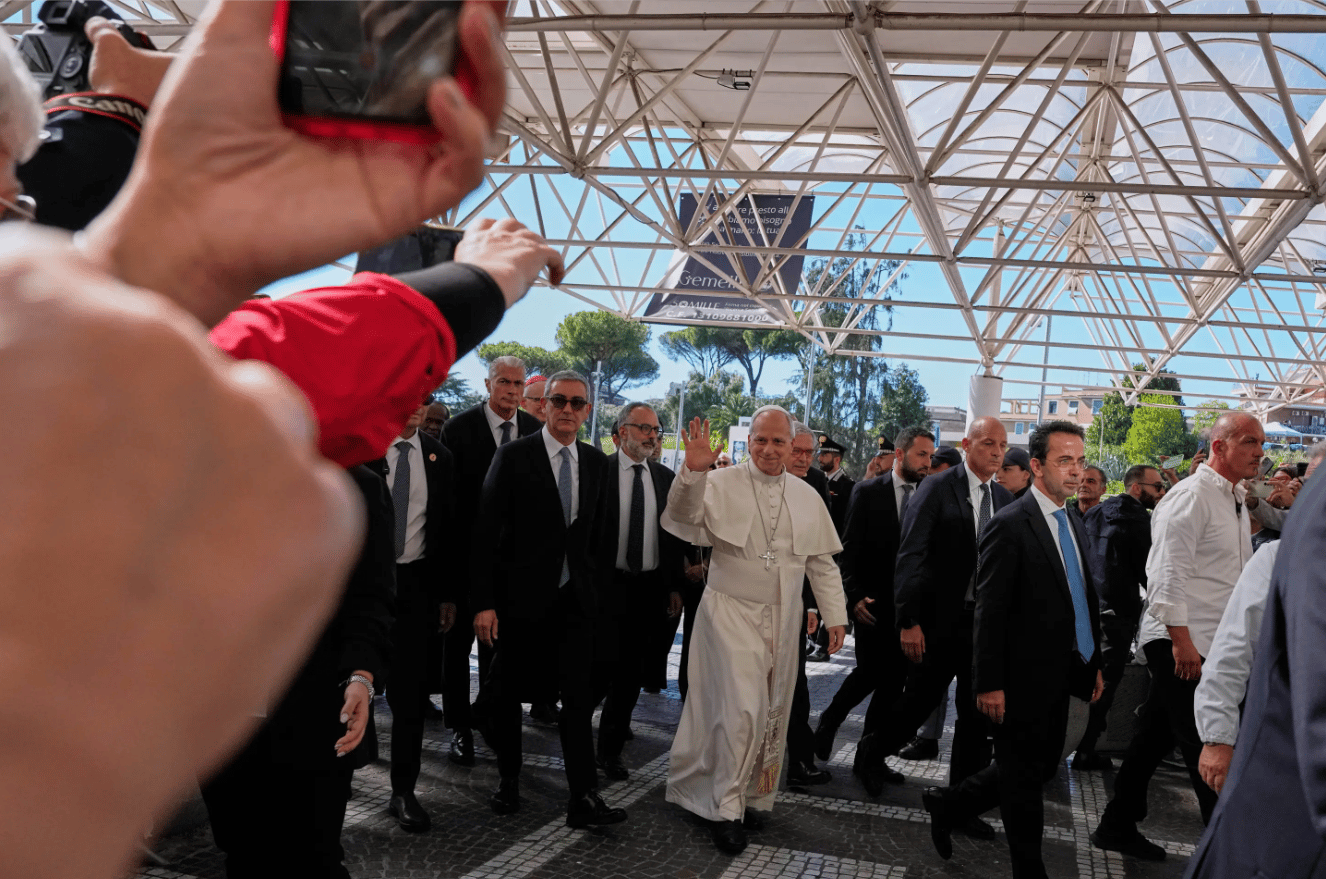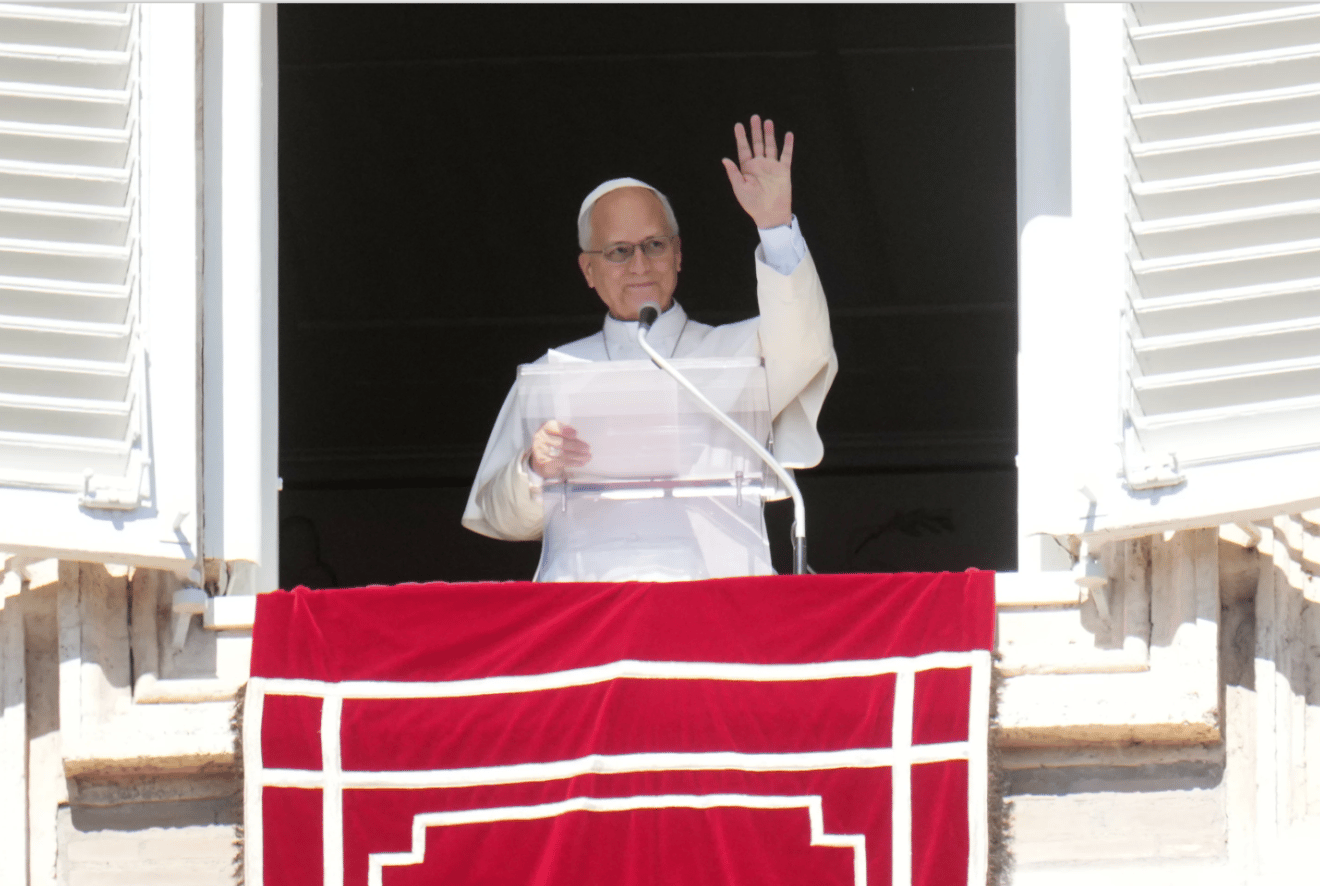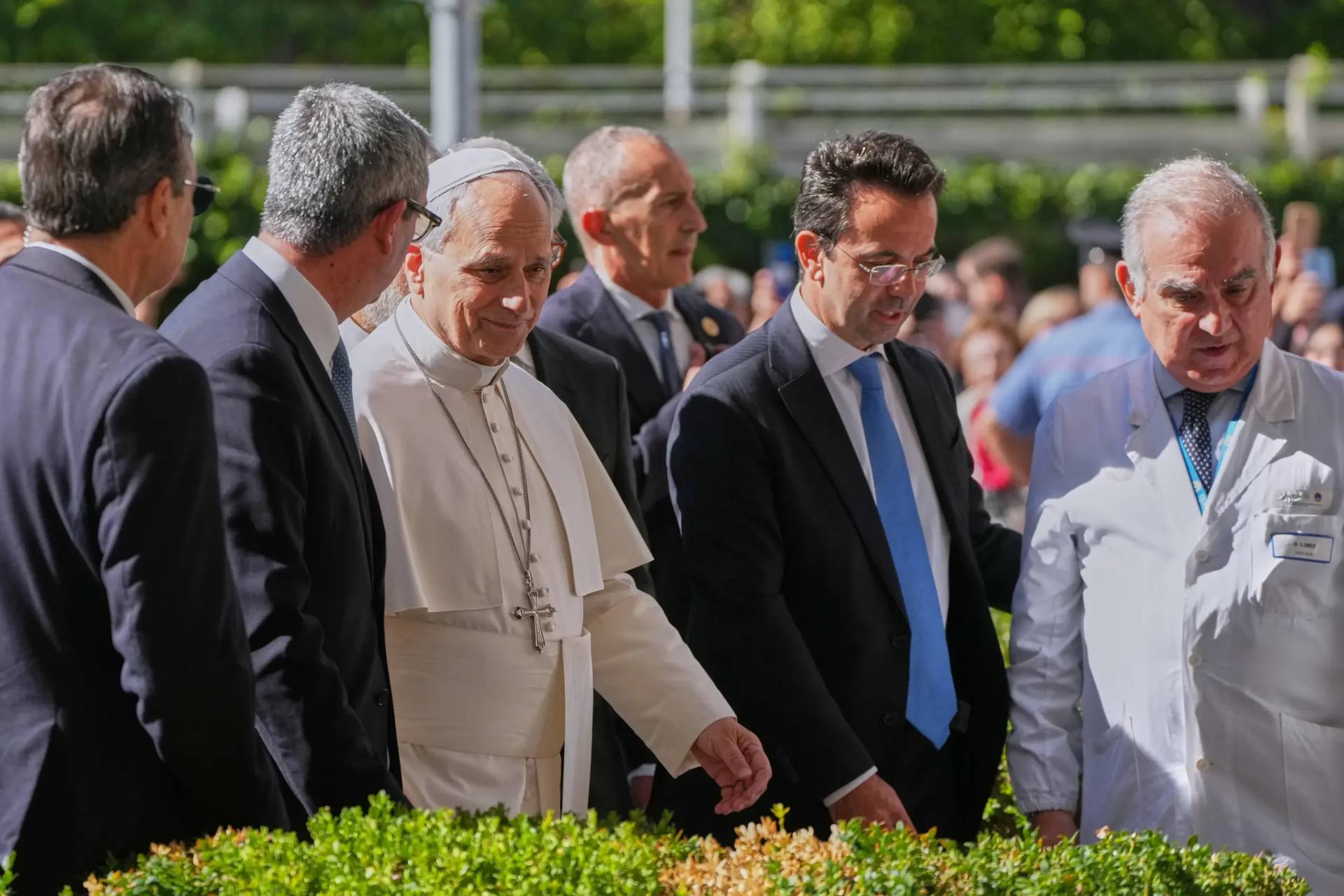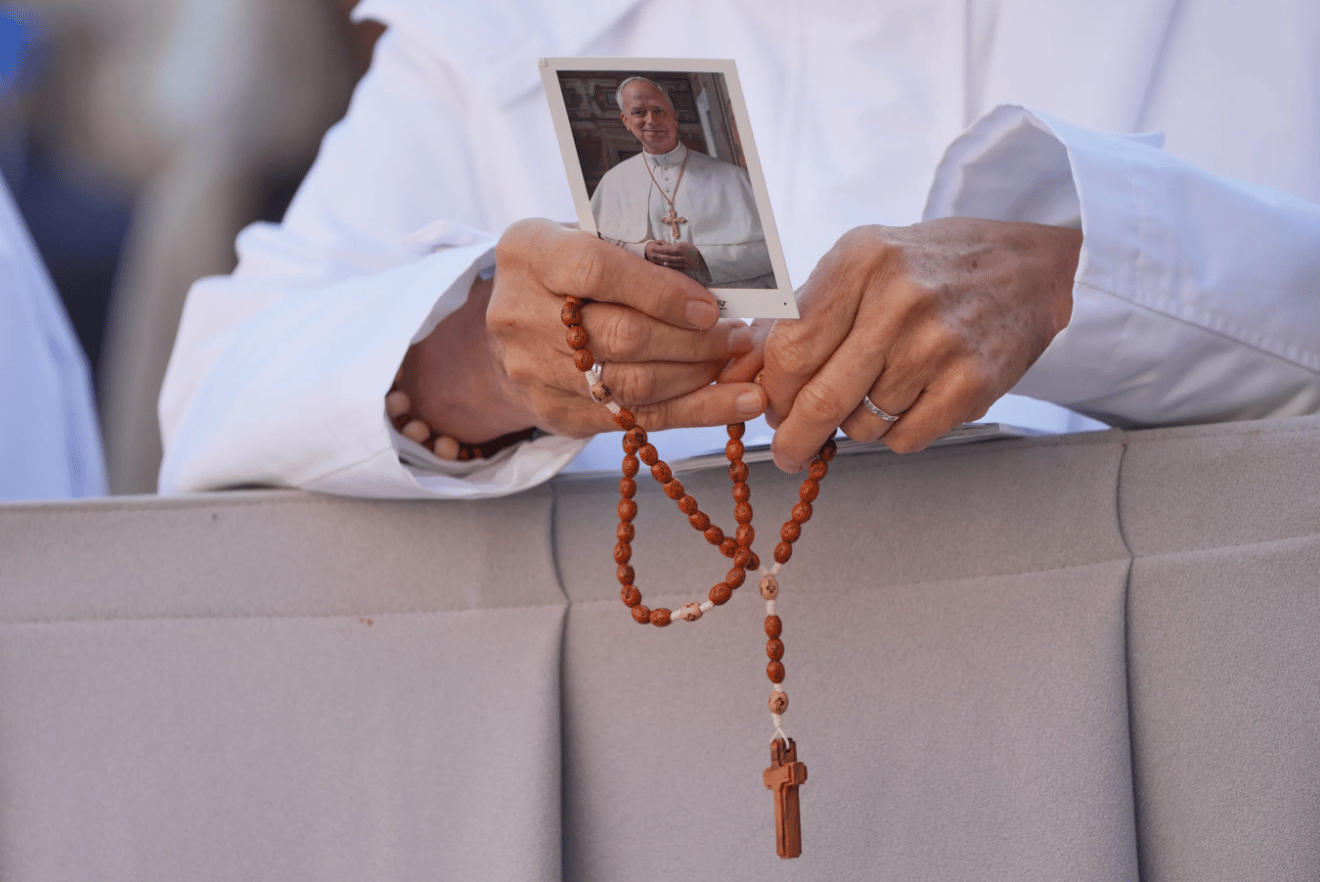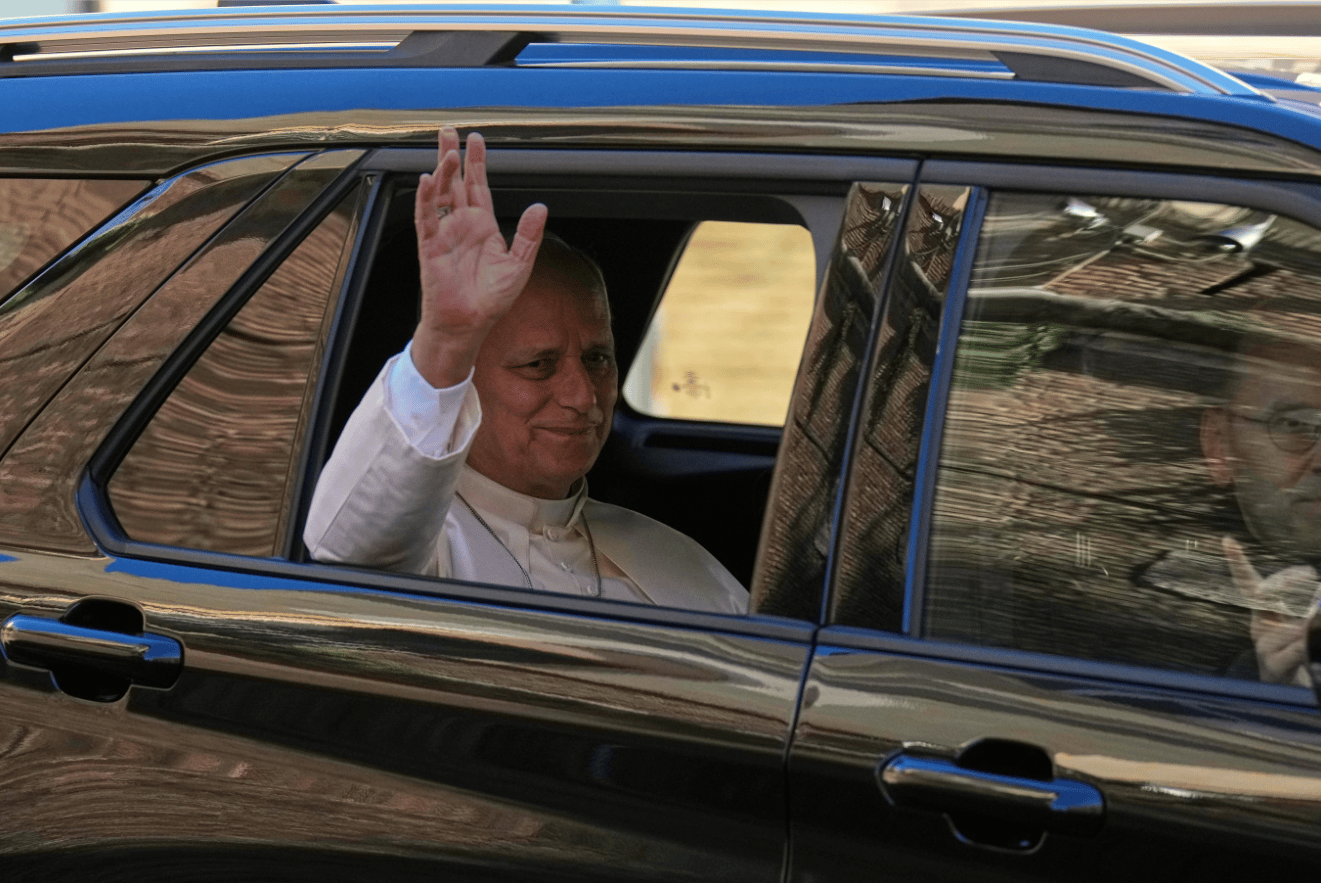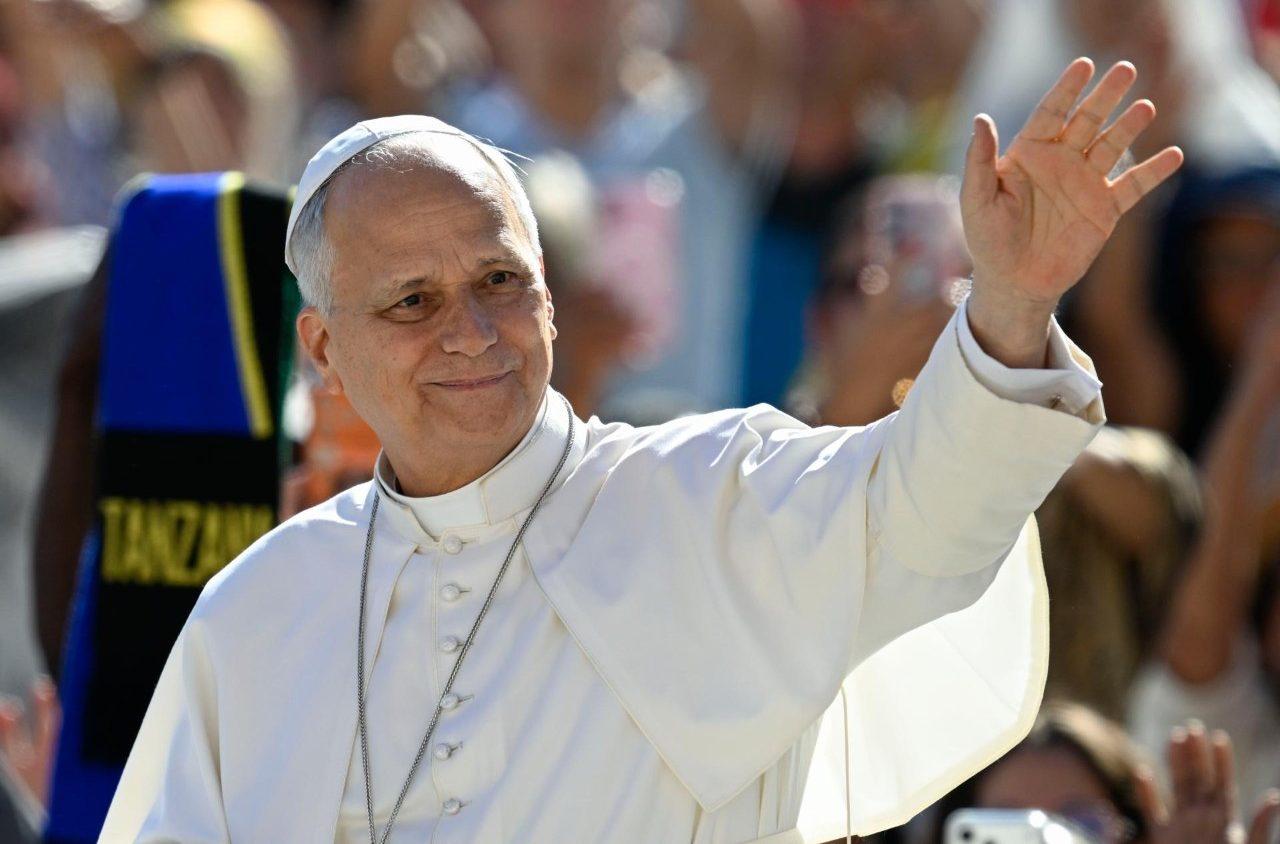
Pope Leo XIV on Wednesday discussed the imminent beatification of Archbishop Fulton Sheen, to take place Thursday in St. Louis, Missouri.
Sheen became a leading U.S. television figure in the 1950s with his television show “Life is Worth Living” and later became the Bishop of Rochester, New York, from 1966 to 1969. He died in 1979.
“May the example and intercession of this holy bishop, known for his evangelizing work through the media, inspire many others likewise to find new ways of spreading the gospel message with joyful enthusiasm,” Pope Leo said during his Weekly General Audience.
RELATED: He captivated millions on TV. Now Archbishop Fulton Sheen is one step closer to sainthood
The Pro-Prefect of the Section for First Evangelization and New Particular Churches of the Dicastery for Evangelization, Cardinal Luis Antonio Tagle, is to preside at Sheen’s beatification Mass. Tagle is also the pope’s official representative – the papal legate – to the occasion.
“The heart of a wise person is in the hands of the Lord, and his heart allows the Lord to direct its destiny,” Tagle said at a Mass in Sheen’s hometown of Peoria on Tuesday, “and when the heart is guided by the Word of the Lord, it will be just.
“The Lord is more pleased with the heart that is open to his will, that’s attentive to his promptings and is ready to act on his inspiration,” Tagle said.
In a statement on Wednesday, Archbishop José H. Gomez of Los Angeles called Sheen a fascinating character.
“A sharp philosopher educated in top universities in Europe, he became a pioneer in Catholic communications, using the mass media of his time to evangelize and explain the Catholic faith to believers and nonbelievers,” he said.
“During his lifetime, he was the most widely recognized Catholic in America. Yet much of his career belongs to an America we would hardly recognize today,” Gomez said in a letter published by Angelus.
“Sheen also came of age in the postwar generation when the leading institutions in American life — the media, universities, political parties, business and community leaders — were all committed to Judeo-Christian values and beliefs about marriage, family, patriotism, and civic virtue,” Gomez also said.
______
You are reading this Crux Now article for free. You can register for our free daily newsletter here, and you can become a Crux Now supporter for full access to all our premium content here. To find out more about why becoming a Crux Now supporter is a great idea, go here.