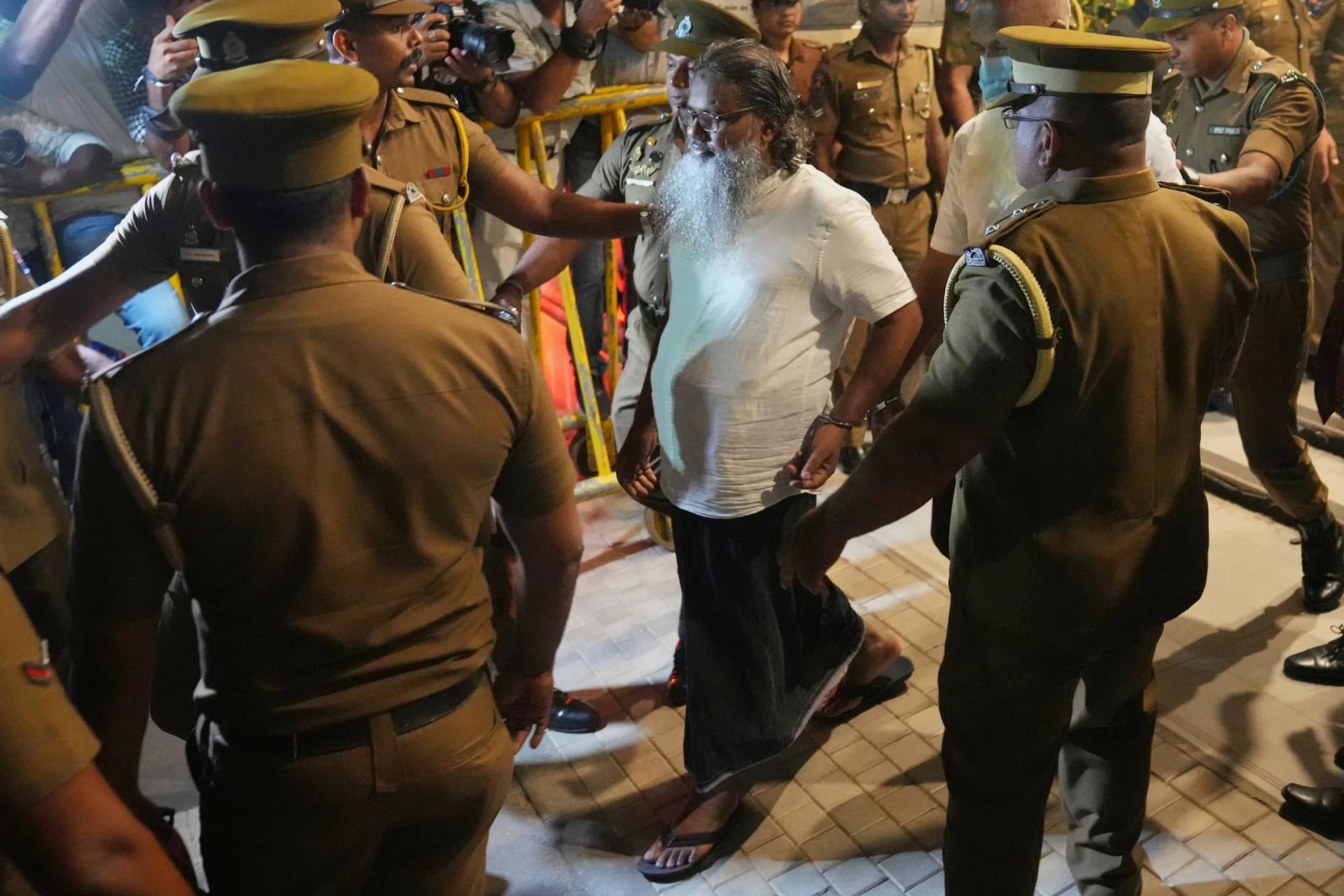

A Pakistani trial court has acquitted a blind Christian man who spent 10 months in jail after being charged with blasphemy, an offense that carries a mandatory death sentence under the country’s laws.
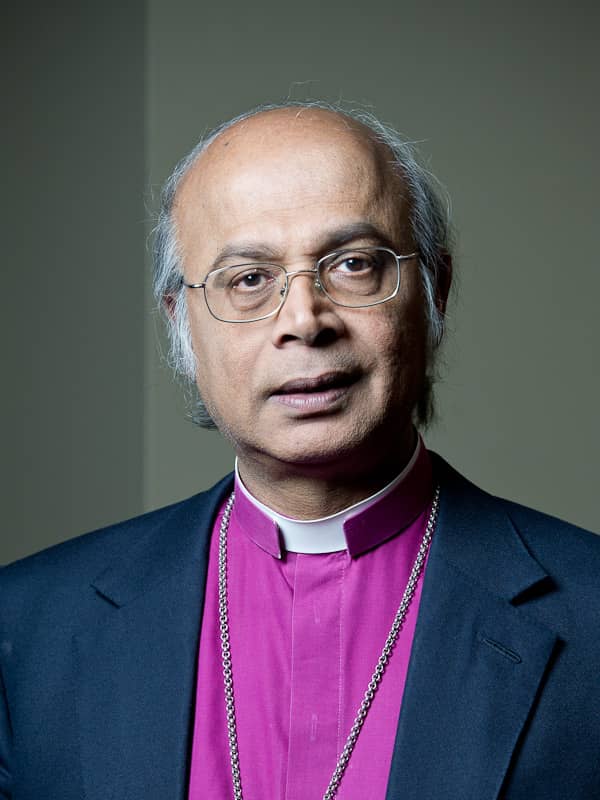
The director of the UK-based Minority Concern Pakistan, Aftab Alexander Mughal, told Crux Now the acquittal is an encouraging development but warned that Pakistan’s blasphemy laws are still being abused to harass and threaten the innocent.
“Since the blasphemy laws were strengthened under the military rule of General Zia-ul-Haq in the 1980s,” Mughal said, “they have been widely misused to settle personal disputes and enmities.”
Zia, a career military officer and World War II veteran, ousted Pakistani Prime Minister Zulfikar Ali Bhutto in 1977 and ruled the country until 1988, using repression to secure his grip on power and establish a program of Islamization for Pakistani society.
“Christians,” Mughal said, “have been disproportionately targeted under these laws.”
Authorities in Pakistan had charged 51-year-old Nadeem Masih – who has been blind since birth – under Section 295-C of Pakistan’s blasphemy law criminalizing acts of insult to Muhammad, the founder of Islam, and mandates the death penalty upon conviction.
The court in Lahore ruled that prosecutors failed to provide sufficient evidence to support the allegations.
Masih’s family had consistently denied the allegation, insisting that the case stemmed from a dispute with local contractors.
Masih’s 80-year-old mother, Martha Yousaf, previously told Christian Daily International–Morning Star News that her son earned a modest income by operating a weighing scale for visitors at the park.
Yousaf alleged that several park workers routinely harassed her son, extorted money from him and borrowed funds without repaying them.
Masih’s mother said the contractor and several others prevented her son from setting up his weighing scale on the day of his arrest, assaulted him and took him to the police station where he was later accused of blasphemy.
She further alleged that Masih was beaten while in police custody and pressured to confess to an offense he did not commit.
Masih’s legal team, led by father-and-son attorneys Javed Sahotra and Shawaiz Javed Sahotra along with attorney Hafiz Zahid Islam, highlighted major inconsistencies and weaknesses in the prosecution’s case and won acquittal for Masih.
Asia News quoted Pakistani rights attorney Lazar Allah Rakha as saying the matter ought never to have got so far as formal charges and a trial – something Pakistan’s higher courts have said repeatedly – stressing the need for proper investigation in blasphemy cases to prevent abuse of law.
“These cases are extremely sensitive and carry life-altering consequences,” Rakha said. “It is essential that investigations are carried out carefully by experienced officers and that all available evidence is thoroughly examined before charges are filed.”
Mughal told Crux Now the trial court’s decision was “courageous” and “offers hope that victims of false blasphemy accusations may receive justice more swiftly, even at the initial stages of the legal process,” but said Pakistan has a long way to go.
“In most blasphemy cases,” Mughal siad, “justice comes only after years of imprisonment and appeals to the higher courts.”
“Lower courts are often reluctant to acquit defendants due to fear of retaliation from extremist groups,” he said.
“[U]ntil meaningful reforms are made to Pakistan’s blasphemy laws,” Mughal said, “innocent people will continue to become victims of false accusations, and these laws will continue to be exploited to settle personal scores.”
“Likewise,” Mughal said, “unless those who make false accusations are held accountable, this pattern of abuse will persist, leaving Christians and other vulnerable communities living in a constant state of fear.”
This article has been edited after original publication to clarify that Lazar Allah Rakha did not represent the defendant, Nadeem Masih, at trial, and to specify that Masih was represented by attorneys Javed Sahotra and Shawaiz Javed Sahotra along with attorney Hafiz Zahid Islam.