
Rescue teams continued their increasingly frantic work to locate survivors in the wake of catastrophic flash flooding at the Nepal-China border last week, as the death toll climbed above a thousand and the number of missing reached nearly four thousand.
Nepal’s disaster agency reported 1,003 confirmed fatalities and 3,916 people missing, with 583 foreign nationals included in the number. China said 16 people were dead and 546 were missing as of Tuesday, 261 foreigners among them.
Rescue efforts are hampered on both sides of the border by ongoing landslides and wrecked infrastructure making access to remote areas difficult and often impossible.
The senior churchman in Nepal, Fr. Silas Bogati, told Crux Now on Tuesday that Caritas Nepal is participating in relief efforts.
“We have been receiving international assistance, and India has already sent a plane-load of relief material,” Bogati said.
Pope Leo XIV has made repeated appeals for international solidarity, and the president of the Indian bishops’ conference urged the faithful of his country to generous response.
RELATED: India’s bishops call for solidarity with neighbors as scope of Nepal-China disaster grows
Nepal had been reluctant to accept international assistance initially but reversed its decision in fairly short order under intense diplomatic pressure from countries with foreign nationals among the missing.
“We are coordinating closely with the government and with various agencies so assistance can reach the places where the disaster has caused the greatest suffering,” said Bogati, who led Caritas Nepal for 11 years before becoming apostolic administrator.
RELATED: Nepal’s senior Church leader describes harrowing situation in wake of disaster
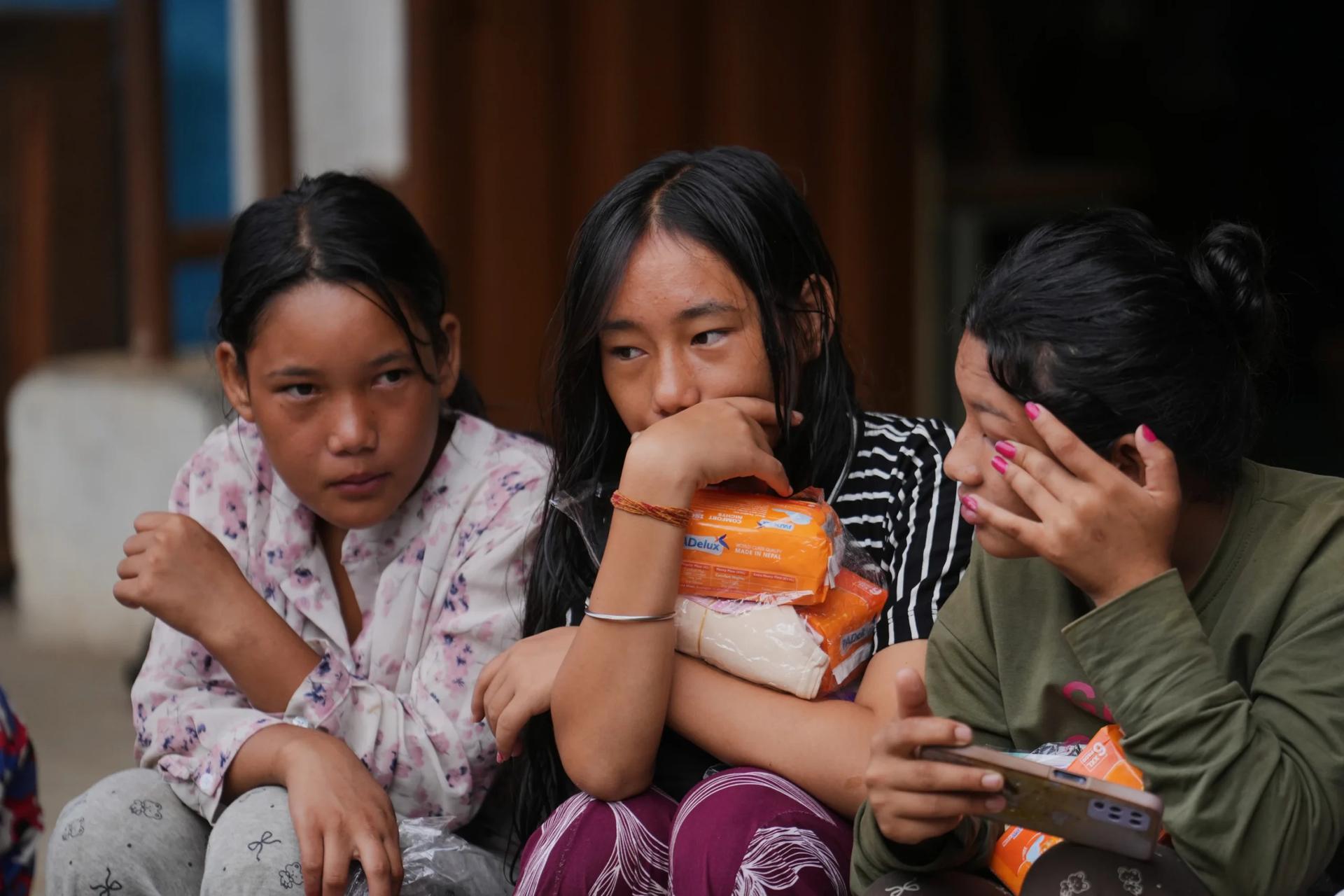
Bogati described difficult conditions in the temporary camps already prepared for the displaced, saying relief materials including food items and non-food items – hygiene kits and other essential supplies – are largely waiting to be delivered.
“It will take a few days to streamline all of this,” Bogati said.
In the meantime, he said people “have been evacuated and are being cared for,” though he noted “there are also places that are difficult to reach because of damaged roads.”
“In some areas,” he said, “helicopters are being used to deliver relief to people who cannot otherwise be reached.”
Authorities in Nepal said close to 12 thousand people have been rescued so far, but the sheer scale of the Wednesday disaster – triggered by the disintegration and collapse of a Himalayan glacier near the headwaters of a major river system – continues to be daunting.
“The immediate priority has been to rescue people, provide shelter and ensure that basic necessities reach them,” Bogati told Crux Now.
“As coordination improves and supplies reach the camps,” he said, “these conditions should also improve.”
______
You are reading this Crux Now article for free. You can register for our free daily newsletter here, and you can become a Crux Now supporter for full access to all our premium content here. To find out more about why becoming a Crux Now supporter is a great idea, go here.