MANILA, Philippines — Filipino bishops have thrown their weight behind a nationwide signature campaign to pass a law banning political dynasties, which have dominated the country’s politics over the past century.
The lay-initiated signature drive, called Dapat Isa Lang (One Is Enough), seeks to prohibit politicians from the same family from simultaneously occupying public office. The campaign’s proponents aim to use the “people’s initiative” mechanism to enact this anti-dynasty law.
Under the country’s 1987 Constitution, citizens can pass a law by gathering the signatures of 10 percent of registered voters to launch a national referendum. This people’s initiative mechanism effectively bypasses Congress, which is dominated by political dynasties and is unlikely to act against their interests.
Organizers admit it is a daunting task to gather and validate the required number of signatures: at least 7.1 million, a tenth of the current figure of 71 million registered voters. Another challenge is ensuring that the signatures represent 3 percent of voters in each of the country’s 254 legislative districts — a constitutional requirement.
Faced with these hurdles, proponents of Dapat Isa Lang are turning to the Catholic Church, one of the world’s most well-oiled bureaucracies, to reach millions of Filipinos at the grassroots level.
The Philippine Catholic Church is the largest in Asia, comprising 86 million Filipinos or 79 percent of the population. Reaching the farthest mountains or most remote isles, the Church’s footprint across the country’s 7,600 islands remains unmatched.
‘Moral and ethical concern’
The recent statement of the Catholic Bishops’ Conference of the Philippines (CBCP) is therefore seen as a significant push for the Dapat Isa Lang movement, which was launched at the Diocese of Cubao in northern Metro Manila on May 8.
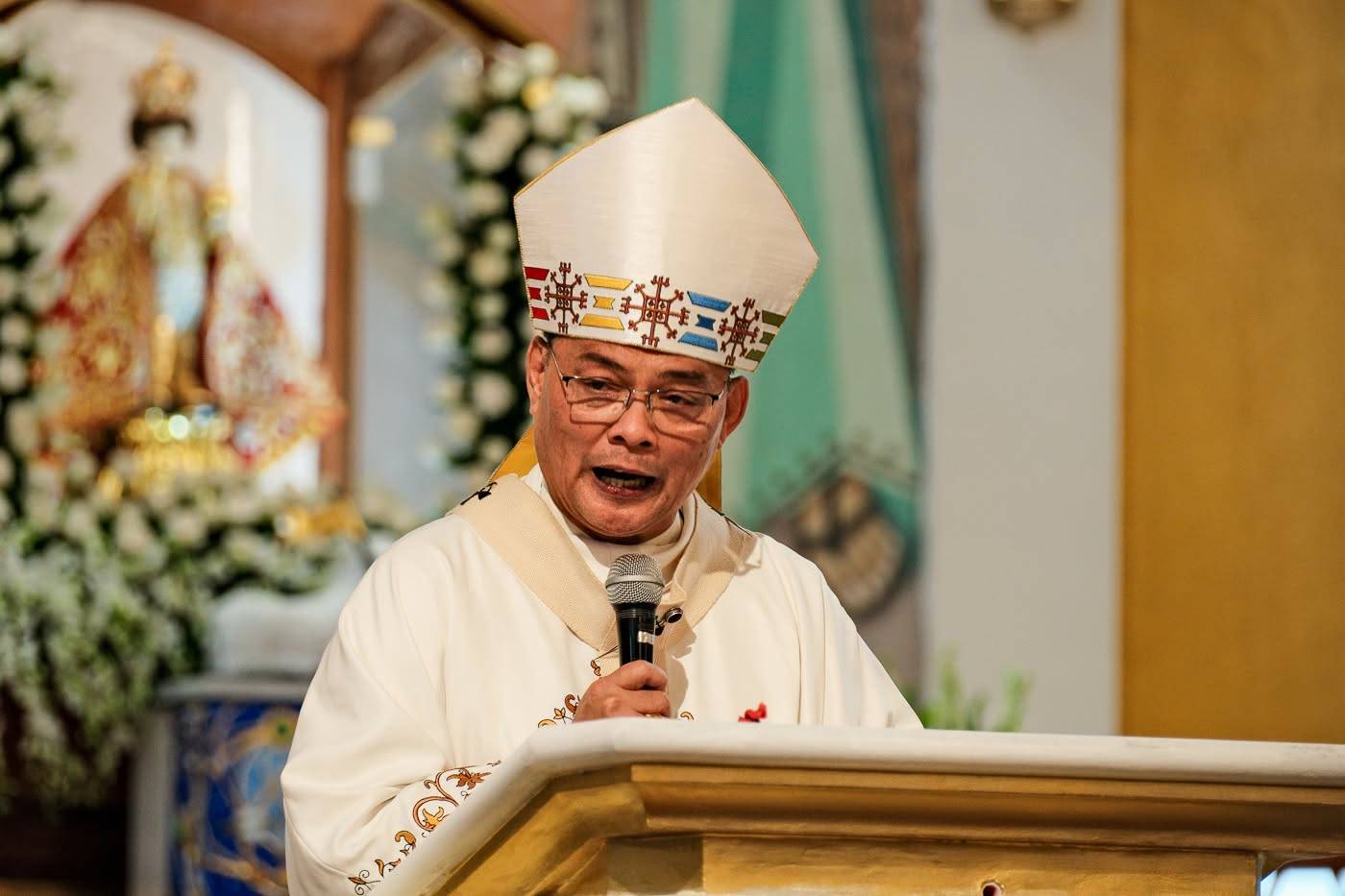
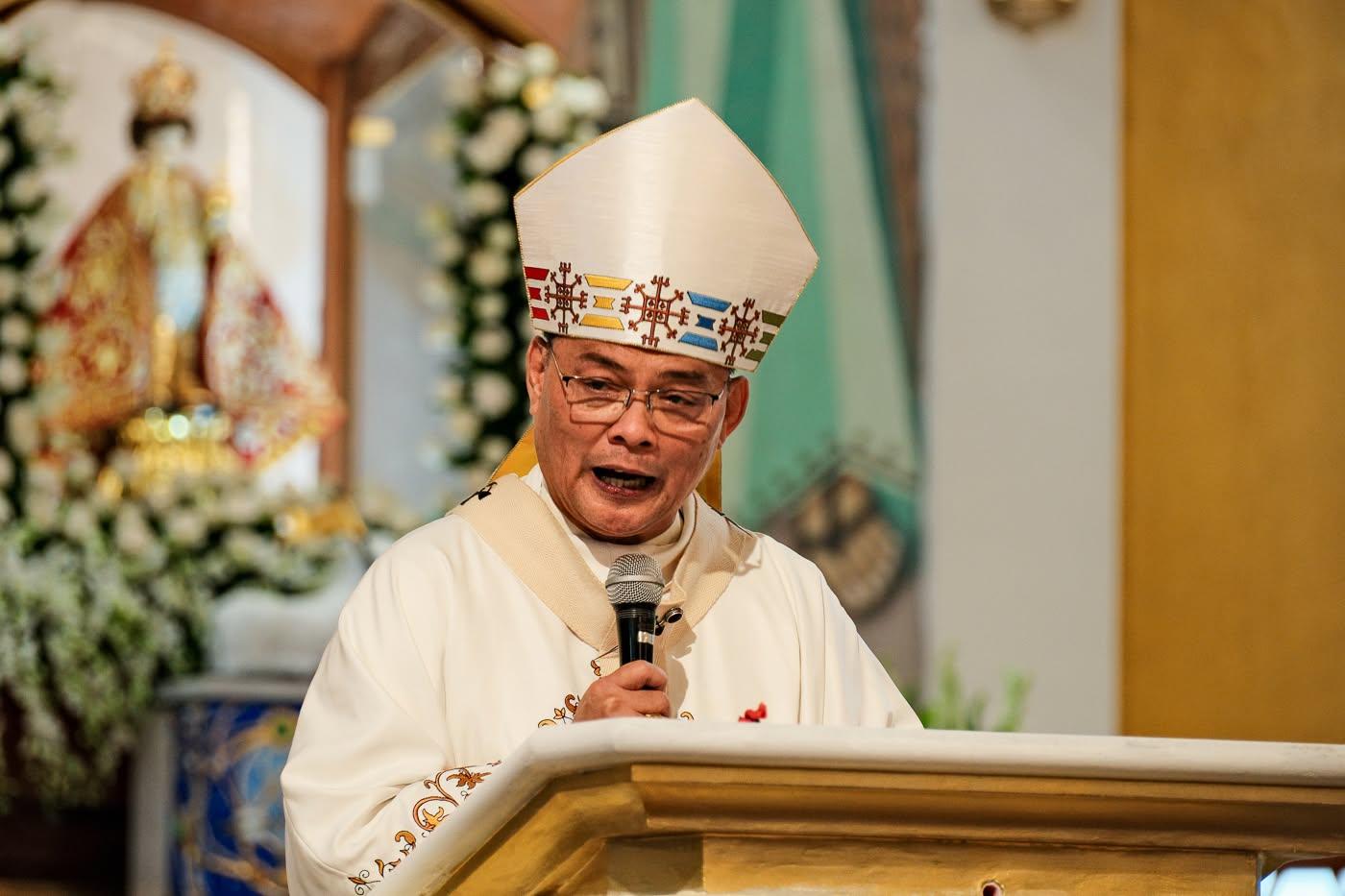
In a pastoral statement on Sept. 25, CBCP president Archbishop Gilbert Garcera said Filipino bishops “encourage our dioceses, parishes, Catholic schools and universities, religious communities, lay organizations, and all people of goodwill to support the Dapat Isa Lang People’s Initiative and to help our people understand its purpose and provisions.”
“Public office must never become a family inheritance. It is a public trust, entrusted by the people to serve all,” the 67-year-old Garcera said.
He said that, beyond the question of competence among political clan members, “the deeper concern is a system that allows political power to concentrate and be repeatedly passed among members of the same families, narrowing opportunities for other qualified citizens, weakening genuine political competition, and making accountability more difficult.”
He said this is why political dynasties “are not merely a political question” but “are also a moral and ethical concern.”
‘New kind of People Power’
Cardinal Pablo Virgilio David, a former president of the bishops’ conference, noted how “in many places, politics has become one of the most lucrative family businesses.”
David, 67, said this is why he “strongly” welcomes the CBCP pastoral statement supporting Dapat Isa Lang.
The cardinal then alluded to the 1986 People Power Revolution that ended the 14-year dictatorship of the late Ferdinand E. Marcos — whose son and namesake, Ferdinand Marcos Jr., is the current Philippine president.
“Perhaps the time has come for a new kind of People Power — not to install one political family and remove another, but to open the doors of public service to more Filipinos,” the cardinal said.
Carlos Africa, spokesperson for Dapat Isa Lang, told Crux Now on Tuesday that their movement is “deeply grateful to the CBCP” for endorsing their signature drive.
He noted that the CBCP statement “comes at a crucial moment,” two weeks after the Supreme Court ruled that Congress should urgently enact an anti-dynasty law.
“The Court has spoken, and now the Church has spoken. The only question left is whether the people will act,” said Africa, noting how dynasties “now control 87 percent of our provinces, 75 percent of the Senate, 83 percent of our legislative districts, and 75 percent of our cities.”
“The bishops have named this for what it is — a moral issue — and reminded us that public office must never become a family inheritance,” he said.
“With dioceses, parishes, Catholic schools, and lay organizations behind this effort, we can reach every district in the country. The power to fix this belongs to the people themselves,” Africa added.
______
You are reading this Crux Now article for free. You can register for our free daily newsletter here, and you can become a Crux Now supporter for full access to all our premium content here. To find out more about why becoming a Crux Now supporter is a great idea, go here.