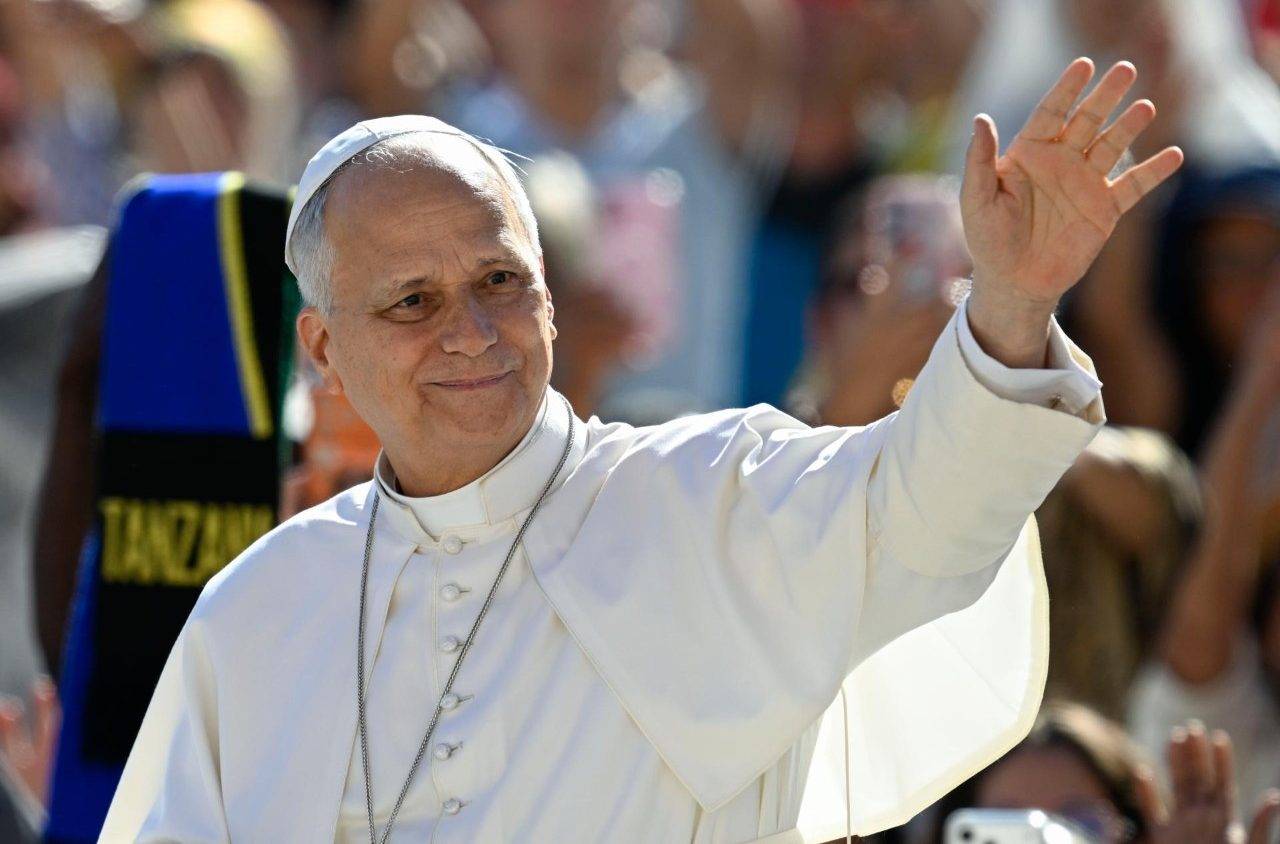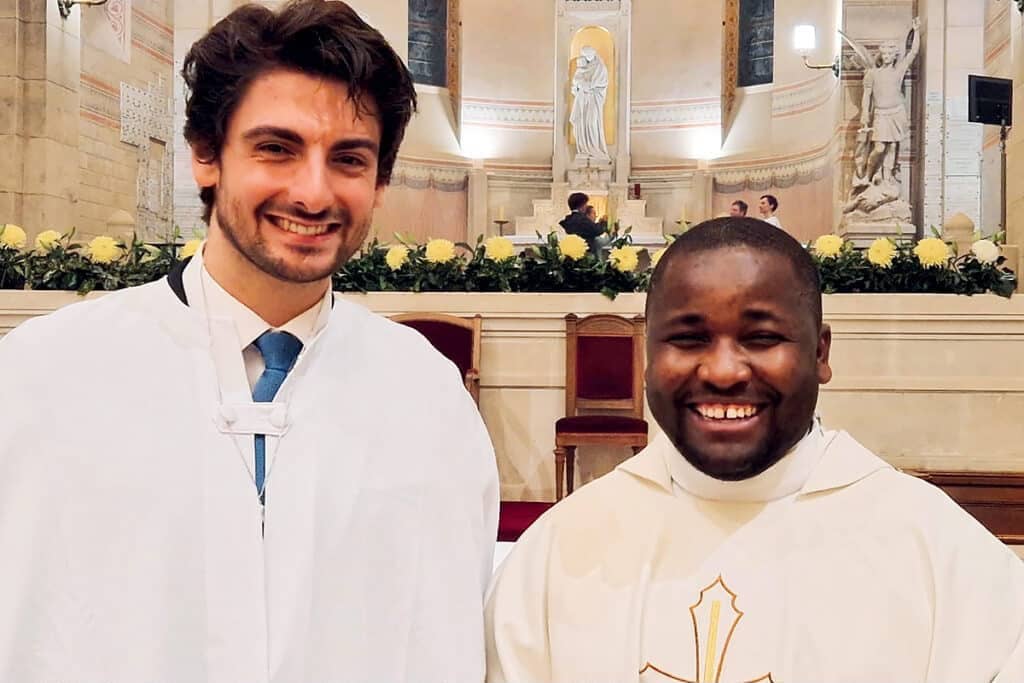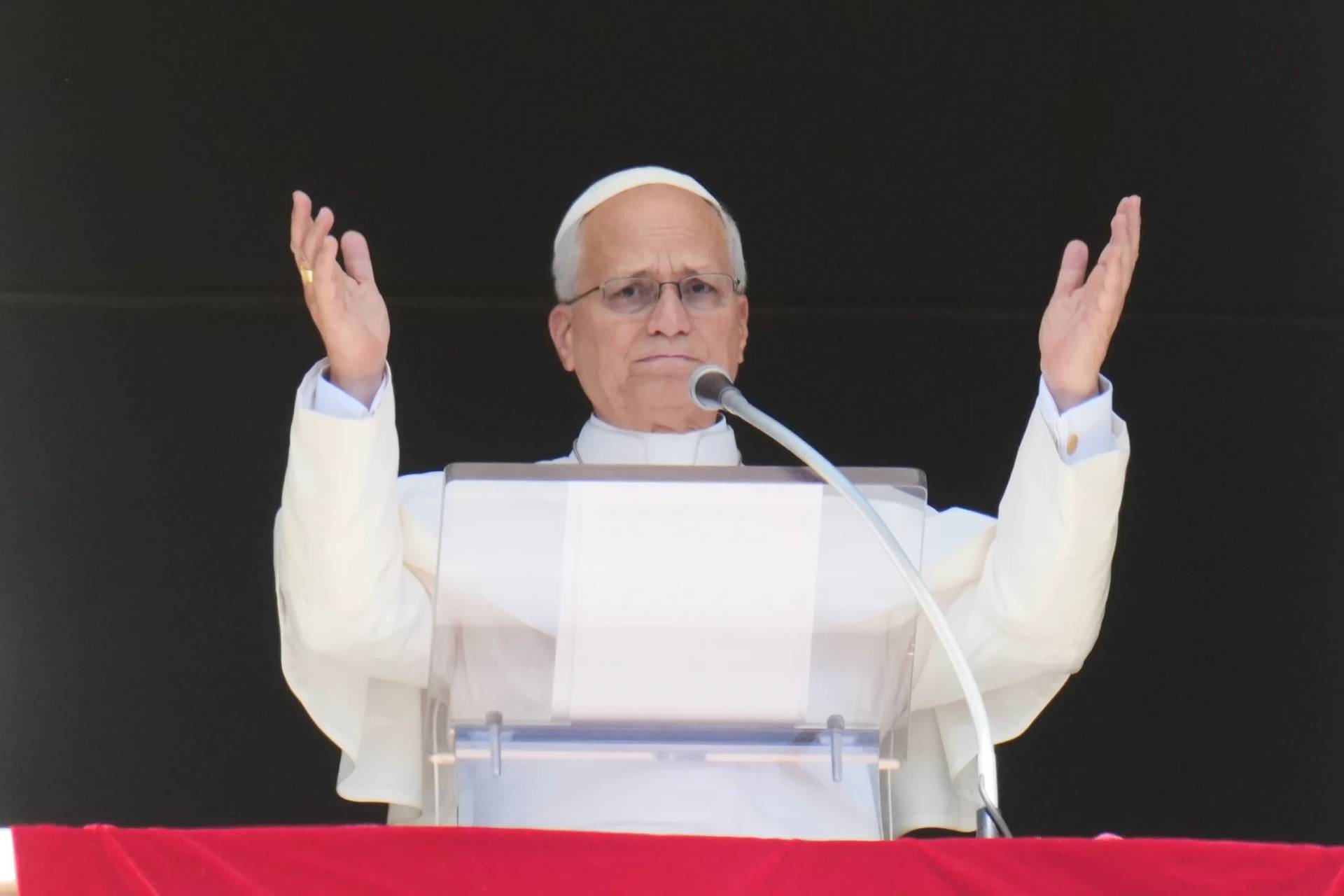
Cardinal José Cobo, Archbishop of Madrid, has said it is “likely” that Pope Leo XIV will visit Spain next year in a trip that could include Barcelona in June for the centenary of the death of the Venerable Antoni Gaudí, the famous Catalan architect on his way to sainthood.
Speaking to Cadena COPE, owned by the Spanish Episcopal Conference (CEE) of which he is the vice president, Cobo encouraged people to “get ready” when asked whether the pope would be in Barcelona on June 10 for the centenary of Gaudí’s death.
“That’s what’s on the table; it’s likely the pope will come to Spain. And it’s very likely he’ll come to Madrid. The when and how still need to be finalized. We can start getting things moving,” the cardinal added.
This October, Pope Leo had a private audience with Salvador Illa, the president of Catalonia, during which Illa invited the pope to visit Barcelona.
The pope reportedly told him that he was “eager” to visit the city, but couldn’t confirm his attendance yet.
Alongside celebrations of Gaudí’s life and work, it is also planned that the inauguration of the central Tower of Jesus Christ at the Sagrada Família – perhaps the architect’s most famous work – will take place on June 10 next year.
Although the basilica is still under construction, on Oct. 30 this year it became the tallest church in the world reaching 162.91 meters and is on target to reach its final goal of 172 meters when the Tower of Jesus Christ is completed.
In April this year, Pope Francis recognized Gaudí’s “heroic virtues” and declared him Venerable, a huge step forward for his cause for canonization which was officially opened by the Vatican in 2003.
Controversy over the Valley of Cuelgamuros
Cobo also hit out at those who were critical of the tense negotiation between the government and the Spanish Catholic hierarchy, which resulted in the Valley of Cuelgamuros – a Franco-era monument that used to be known as the Valley of the Fallen – being reinterpreted by the government as “a tool at the service of reconciliation and collective memory.”
The monument was originally built to commemorate the victims of the Spanish Civil War who fought for the nationalists and was the burial place of General Franco up until 2019, as well as being home to a basilica and a community of monks. Some critics suggested the church had been too accommodating during the negotiations.
“Everything has been interpreted ideologically and taken out of context. The presence of some media outlets or pseudo-media outlets uses other bishops or the pope, no matter what we do, and it goes so far as to involve slander and attacks on honor,” Cobo said.
The archbishop of Madrid added that some of these outlets “live off Catholicism without being Catholic” and emphasized that the hierarchy “established a framework to signify the Church’s assets that appear in the monument.”
This means that during “complex” negotiations it was made clear “the monks would remain in the valley, that worship would be protected, that the basilica would be protected with independent access, and that the interior and exterior religious signs would be respected,” the cardinal said.
The government opened a competition for architects to bid on how they would reinterpret the space and after many phases of negotiations involving the CEE, the Apostolic Nunciature, the Archdiocese of Madrid, the monks, and the government, it was now in “another phase”.
“This is a phase where the monks and the Holy See play a leading role in refining the project,” he explained.
Condemnation of the eviction of migrants
The cardinal was also critical of the eviction of 400 people on Wednesday from an abandoned school building in Badalona, Catalonia, which left them homeless – many of whom were migrants.
“I endorse the statement from the Catalan bishops on this issue. That this news has broken in winter and at Christmas, without providing any recourse, is painful for all of us. It’s just the tip of the iceberg; it’s not only that they are migrants, but that they are poor people living on the streets,” Cobo said.
“It reveals a painful fact: We don’t have a law addressing homelessness, we don’t know what to do with the people living on the streets, the undocumented immigrants. We’ve discussed the regularization of migrants with all the political parties, and it’s just sitting in a drawer,” he added.
In the context of rising polarization in Spanish society, Cobo said the church must be a voice that emphasizes a “sense of honor and looking each other in the eye” and that the church “can accompany us to recover the consensus that we have forgotten.”