DHAKA – Bangladesh is facing a serious energy crisis linked to the ongoing conflict in the Middle East.
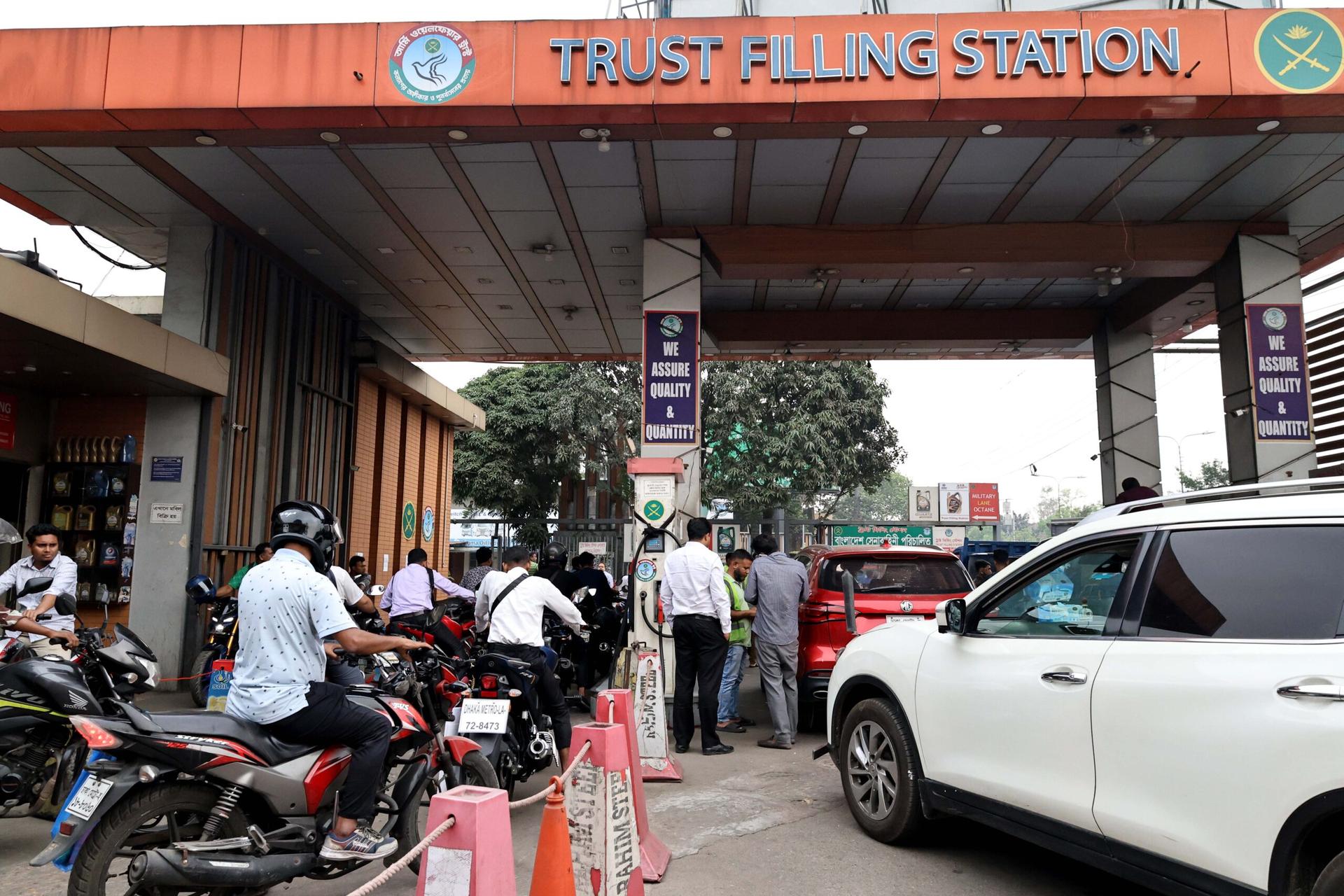
Fuel rationing is in place in Bangladesh ahead of both Eid al-Fitr –the great festival at the close of the Muslim holy month of Ramadan – and Easter, with universities closed early ahead of the holidays and fuel rationing in place since Monday of this week.
Passage through the Strait of Hormuz – a key shipping lane off the southern coast of Iran, through which as much as a quarter of the world’s oil passes – remains insecure as a result of the ongoing U.S.-Israeli bombing campaign against Iran.
Bangladesh relies on foreign oil for 95 percent of its oil and more than a quarter of its natural gas.
Lines at filling stations have stretched long for more than a week, as citizens face an uncertain holiday travel season in the majority-Muslim nation of 180 million people where Christians make up less than 1 percent of the population.
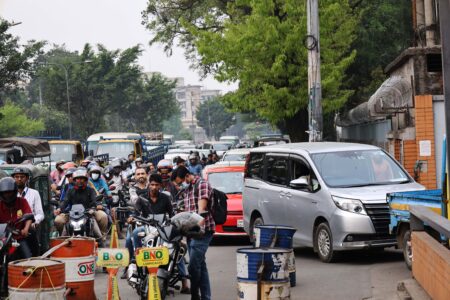
“We go home every year on Christmas and Easter Sunday to celebrate with relatives and share joy of the festival,” 37-year-old Joseph Tripura told Crux Now. “But this time,” he said, “the uncertainty about going home on Easter Sunday is still not over.”
Tripura, a Catholic who works in a private company in Dhaka, has family in Bandarban district, a hilly region under the Chittagong Diocese, about 250 miles from the capital.
He said the only hope for him to go home is by bus, but bus companies are offering few advance tickets ahead of Eid, if they are offering any.
“As a result, if this fuel crisis is not resolved before Easter, I will also have to give up hope of going home.” Tripura said.
He is not alone in his concern.
This year, at least 15 million people hope to travel from Dhaka to other regions for Eid, said Road Transport and Bridges Minister Sheikh Rabiul Alam.
“Trucks, covered vans and lorries will be banned from the highways for three days before Eid and for the next three days, including Eid,” Alam said.
“Vehicles carrying perishable and consumer goods will be allowed to ply during this period,” he added.
The government has declared a seven-day holiday around Eid, from March 17 to March 23, while the festival proper begins with the sighting of the new moon, likely on March 20 or 21 in Bangladesh.
“Compressed natural gas [mostly methane, on which many vehicles run in the country] and filling stations will be kept open 24/7 for seven days before Eid and five days after it,” The minister said.
Still, panic-buying has more than doubled the amount of motor fuel purchased in early March, and there is no telling what either real supply or perception will be by the time of Holy Week and Easter Sunday, on April 5.
Sources at Bangladesh Petroleum Corporation (BPC), a government agency that imports and supplies fuel oil, say the increased demand is not justified.
Agency officials note that stock will run out quickly at that rate, creating a situation in which stockpilers stand to benefit.
Suman Mahmud, 45, lives with his family in Dhaka but usually travels to his village in Satkhira, about 175 miles to the south, for Eid.
“I wanted to go home two days before Eid,” Mahmud told Crux Now. Mahmud described himself in a situation similar to the one his fellow citizen, Tripura, is facing.
“I can’t get a ticket at the bus counter,” Mahmud said, “they won’t give me a bus ticket unless they get a guarantee of fuel.”