BARCELONA, Spain – On Jan. 8, the Spanish Catholic Church and the government signed an agreement allowing victims of clerical sexual abuse to seek compensation through the ombudsman following over a year of tense negotiations between church and state.
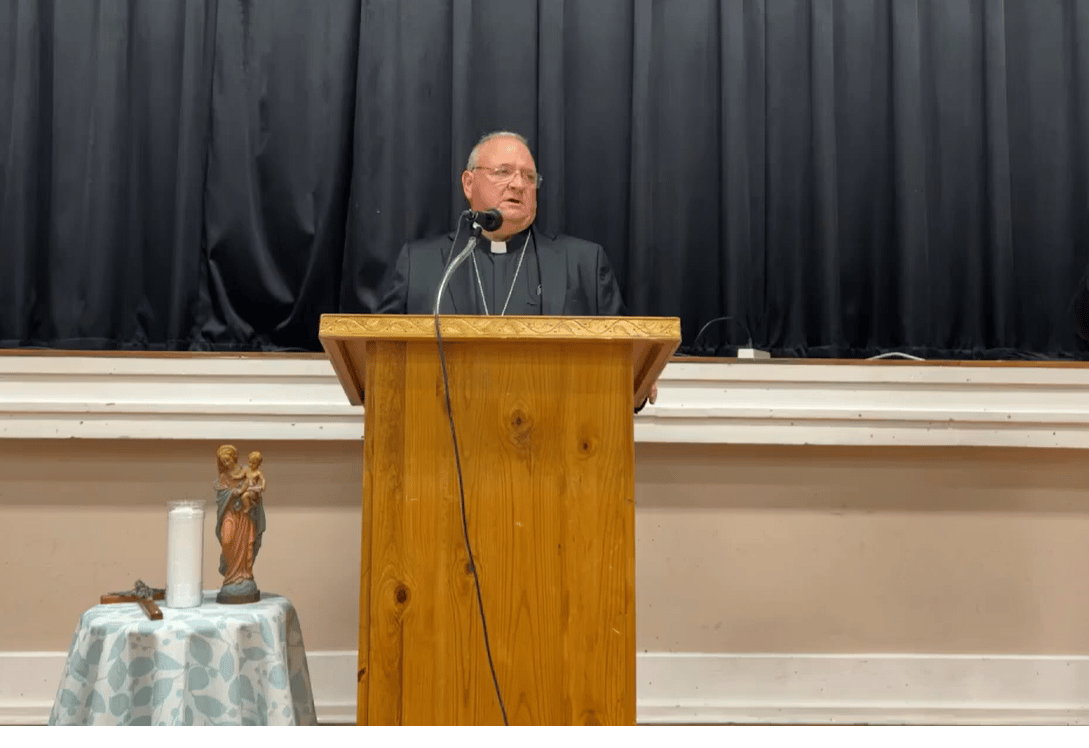
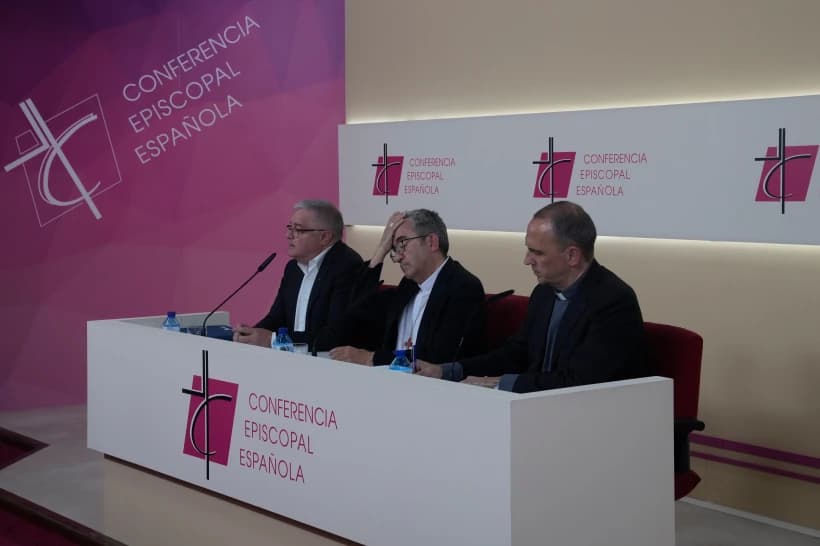
The agreement was signed in Madrid by Archbishop Luis Argüello, president of the Spanish Episcopal Conference (CEE); Jesús Díaz Sariego, president of the Spanish Conference of Religious Orders (CONFER); and Félix Bolaños, minister of the presidency, justice and relations with the Cortes.
The new channel will be available for victims whose cases have been dismissed by the courts due to either the statute of limitations or the death of the alleged perpetrator and who don’t want to use the existing channel offered by the church in Spain.
It is a temporary route for one year which is renewable for another year.
The Spanish ecclesial hierarchy set up the PRIVA Commission in September 2024, a forum through which victims can seek compensation which has, according to Argüello, already paid out €2 million ($2.3 million) after reviewing petitions from more than 100 victims.
This commission also considers cases where victims couldn’t go through legal channels, but victim advocacy groups have criticized this system as it relies on victims approaching the church themselves and also doesn’t have external oversight.
The new agreement will now allow for such cases to be submitted through the ombudsman when victims don’t want to have to deal with the church directly.
Under the new agreement, victims will approach the Spanish Justice Ministry with their petition which will send it to the ombudsman. The ombudsman will consider the case and propose a compensation plan that the church’s commission will assess.
If the church and the victim can’t reach an agreement, the case will go to a committee with members of the ombudsman, church, and victims’ associations on it. If no agreement is reached, then the ombudsman’s original recommendation will stand.
Spanish Church and Vatican welcome agreement
Argüello said this agreement was “another point of access” for victims, and not meant to be a parallel path but a complementary one to the church’s efforts.
The archbishop said he was pleased that the agreement allowed for tax exemptions for compensation and also that it recognized the ongoing work of the PRIVA Commission.
“Another aspect of the signed agreement that we also find valuable and that satisfies us is that it recognizes the competence of the PRIVA Advisory Commission,” Argüello said.
Jesús Díaz Sariego, president of CONFER, said the agreement showed that the church’s current system is “working really well” and underlined the church’s “moral commitment in this area.”
“What institution in our country takes responsibility for crimes that have already passed the statute of limitations?” he asked.
Argüello revealed that he had been in touch with Cardinal Pietro Parolin, the Vatican secretary of state, and received from Rome “confirmation of their confidence that what we would do together would be endorsed by them and, at the same time, encouragement to find an agreement.”
Félix Bolaños thanked the Holy See for its role in providing an “essential boost for this agreement,” during “complex and arduous” negotiations with “moments of extreme difficulty.”
“This agreement allows us to grant them [the victims] the right to fair and adequate compensation from the Church,” Bolaños added.
The ombudsman’s key report
In 2023, Spain’s ombudsman produced an 800-page report that investigated 487 cases of sexual abuse within the church and included a survey that suggested that there could be potentially hundreds of thousands of victims in Spain.
The Catholic hierarchy refuted this number strongly and said their own investigations had found 728 sexual abusers within the church since 1945, and that the majority of crimes happened before 1990 with over half of the perpetrators now dead.
Following this report, in 2024 the government announced its intention to ensure that the church would compensate victims, and shortly after the church set up the PRIVA Commission.
The commission said it would listen to victims, assess their claims, and ensure that “economic, spiritual, and psychological” reparation is provided.