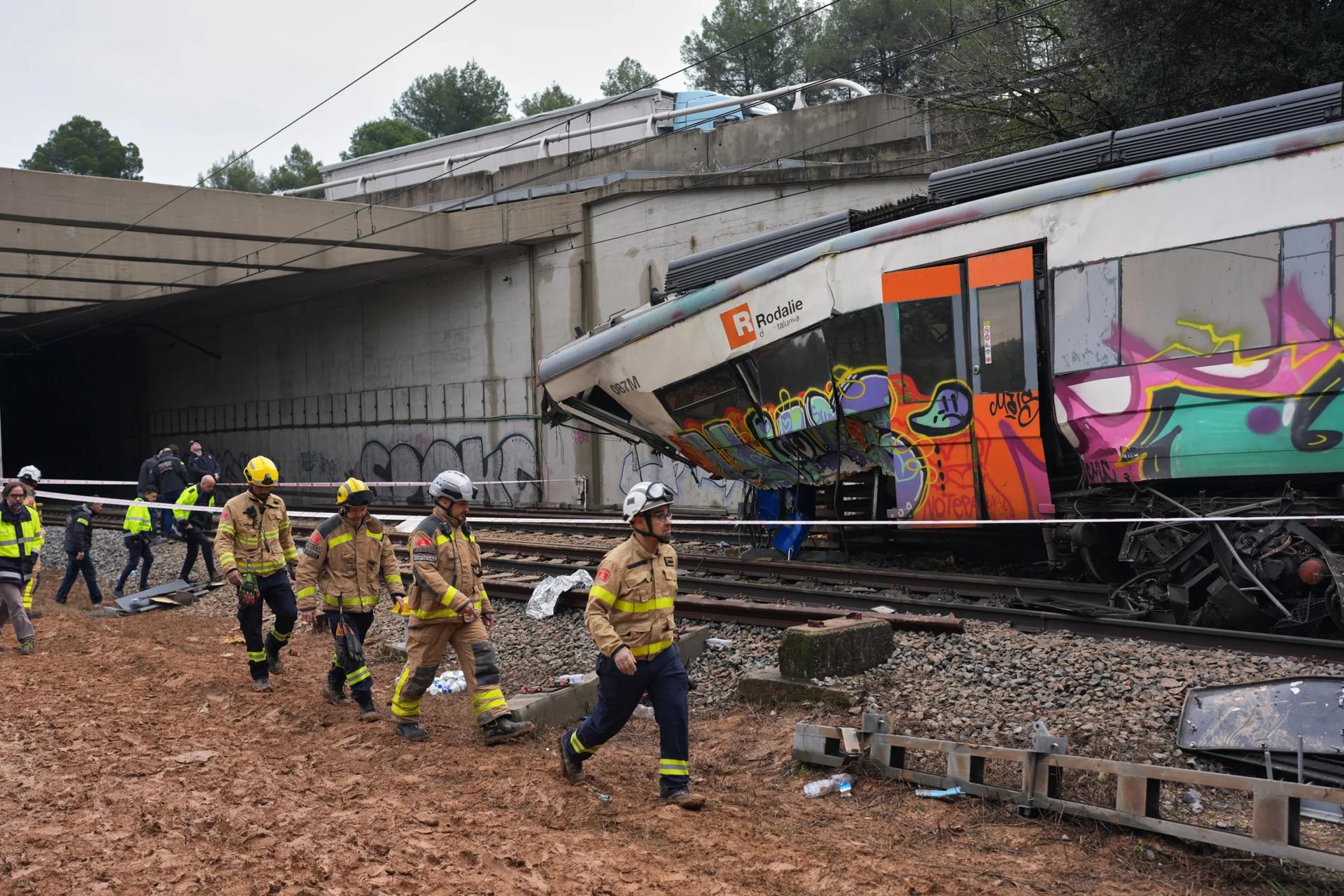
Bishop Jesús Fernández of Córdoba has said that the “confusion” of the authorities prevented priests at the scene of the recent train crash in Adamuz from administering last rites to victims.
Fernández said priests at the scene of the accident couldn’t administer last rites to the victims because authorities “thought the dead were already dead and something could be done for the living”.
He suggested this “lack of understanding could have caused the confusion, which caught us all somewhat off guard.”
“I think it was a moment of such confusion, to which neither we nor the authorities are accustomed,” he said.
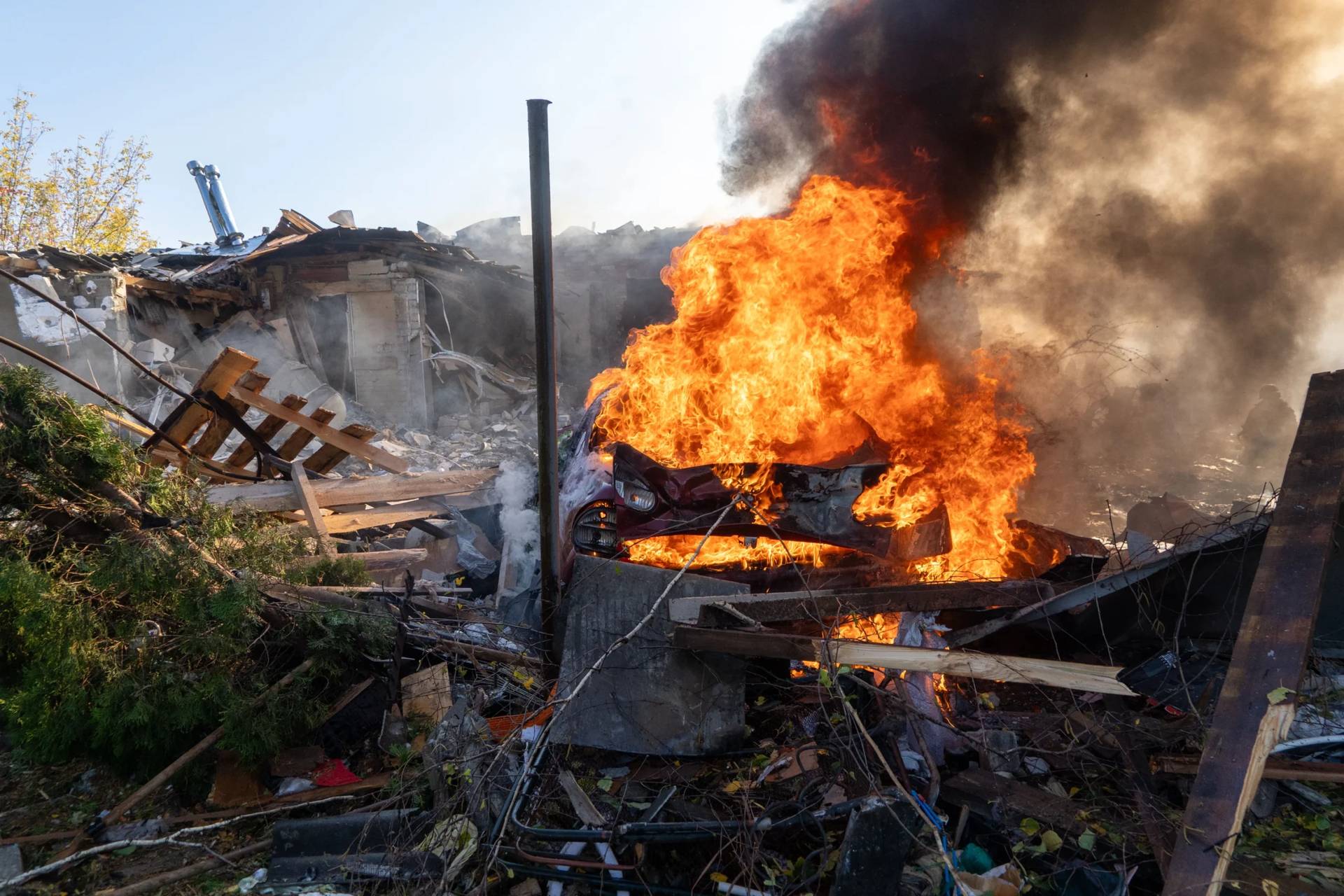
The crash occurred Jan. 18 in the southern province of Córdoba when a high-speed train traveling from Malaga to Madrid derailed and fell onto another track, colliding with a train traveling in the opposite direction toward Huelva, a city in southern Spain, and left at least 45 dead and 152 injured.
The parish of San Andrés in Adamuz, in the diocese of Córdoba, immediately became a place of refuge for those affected by the crash, with food and essential supplies, such as heaters and blankets, made available by the parish priest and the parishioners.
Fernández praised the actions of the parish, and the residents of the town, who “made an impressive effort, which has also served and helped a lot those of us who were not here at that first moment.”
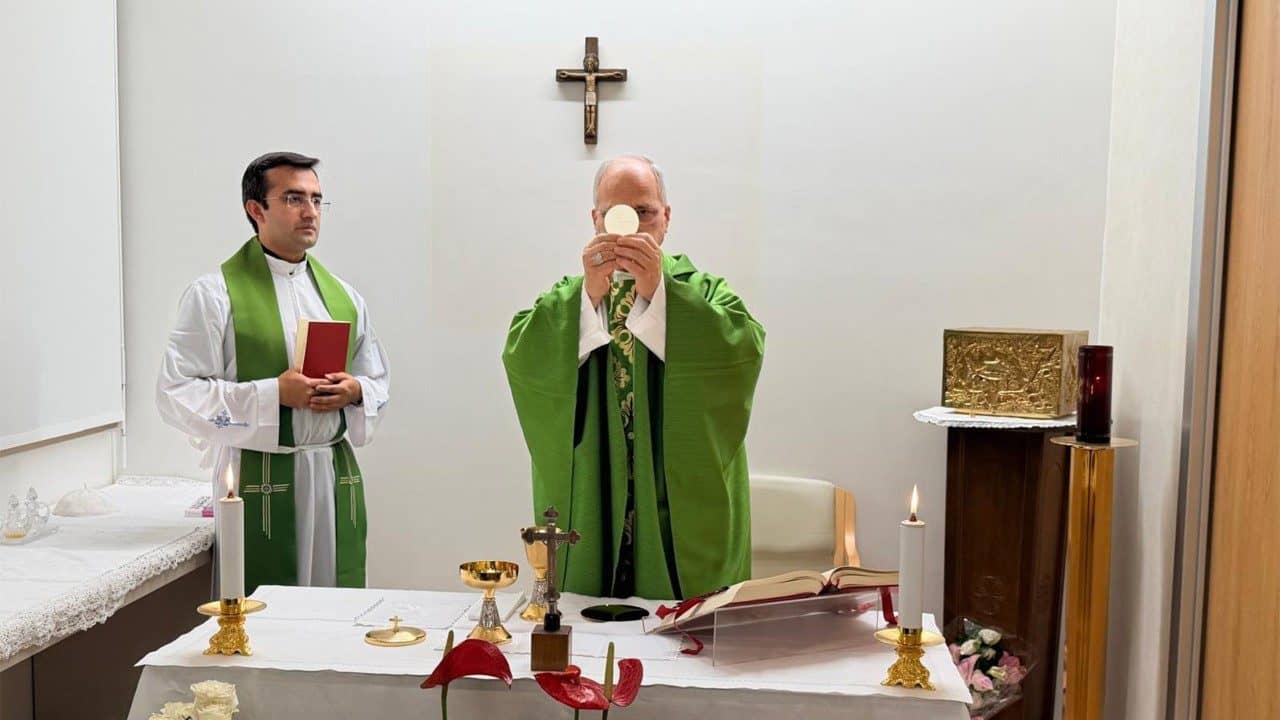
The bishop presided over the funeral on Sunday in Adamuz for the victims, and described the crash as a “dark and tragic night” that has filled the victims’ “families with sorrow and all of Spain with dismay.”
“I encourage you to continue praying and being close to all those who are suffering, setting an example of unity, since love must transcend all ideological, cultural, political, and religious boundaries,” he said.
The bishop also had words of consolation for those who questioned where God was during such a tragedy.
“God was there, in the emergency services, in the doctors, in the psychologists, in the priests, in the security forces, in the political leaders,” said Fernández.
“God was in the good Samaritans who rescued the injured from the rubble, offered first aid, transported them, and organized the operation. God was there, in the hospitals, and dressed in white to set up the operating rooms and provide everything necessary to care for them properly,” he added.
Controversy over state tribute
On Thursday, there will be a funeral Mass held in Huelva, the destination to which one of the trains was heading, and where 28 of the victims were from.
There was due to be a “secular tribute” organized by the government this Saturday, which has now been postponed.
It has been reported that the victims’ families do not want to attend a tribute organized by the government because of anger about the circumstances surrounding the crash, as well as disapproval of the tribute being secular.
María del Mar Fadón, sister of one of the victims, questioned the non-religious nature of the planned tribute. “Who are you to dictate how they want the funeral to be?” she asked.
“I don’t want to share any time or space with my brother’s murderers,” she added.
The sister of another one of the victims said on a television program En Boca de Todos (“On everyone’s lips”) that “you cannot have a ‘secular’ funeral in Huelva” and “the injured are in the hands of the Virgin Mary.”
“Huelva is Marian territory,” she said.
The funeral Mass in Huelva will be presided over by the bishop of Huelva, Santiago Gómez Sierra, and concelebrated by the president of the Spanish Episcopal Conference, Luis Javier Argüello, the bishop emeritus of Huelva, José Vilaplana, and diocesan clergy.
The Mass was originally going to take place in the Cathedral of La Merced but due to capacity concerns, it will now take place in the Carolina Marín Sports Palace which is bigger.
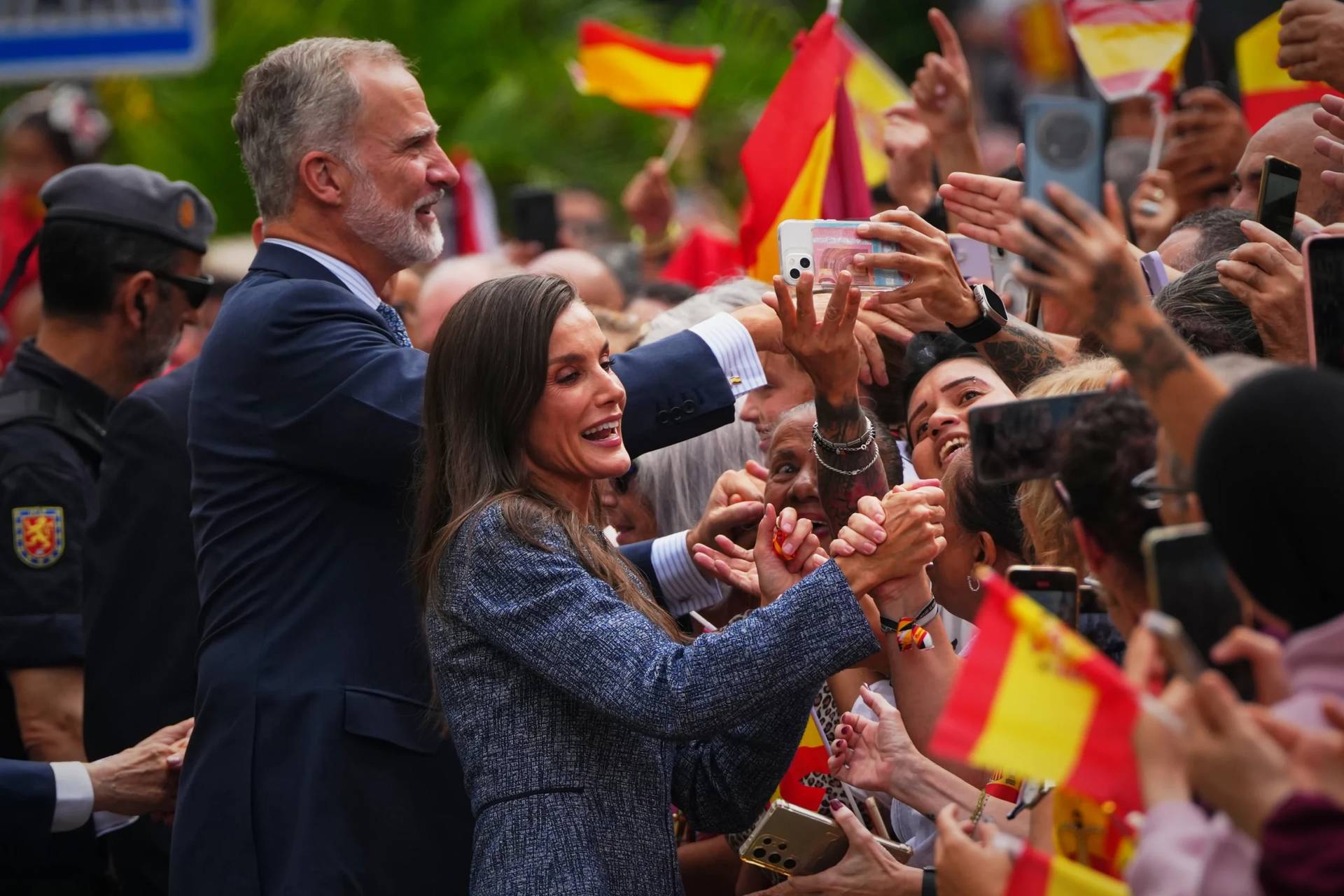
The King and Queen of Spain have confirmed they will be in attendance.