MILAN — Much like the Olympic flame, there is another symbol of triumph and transcendence — far less known — that graces one host city after another: a one-of-a-kind, wooden cross.
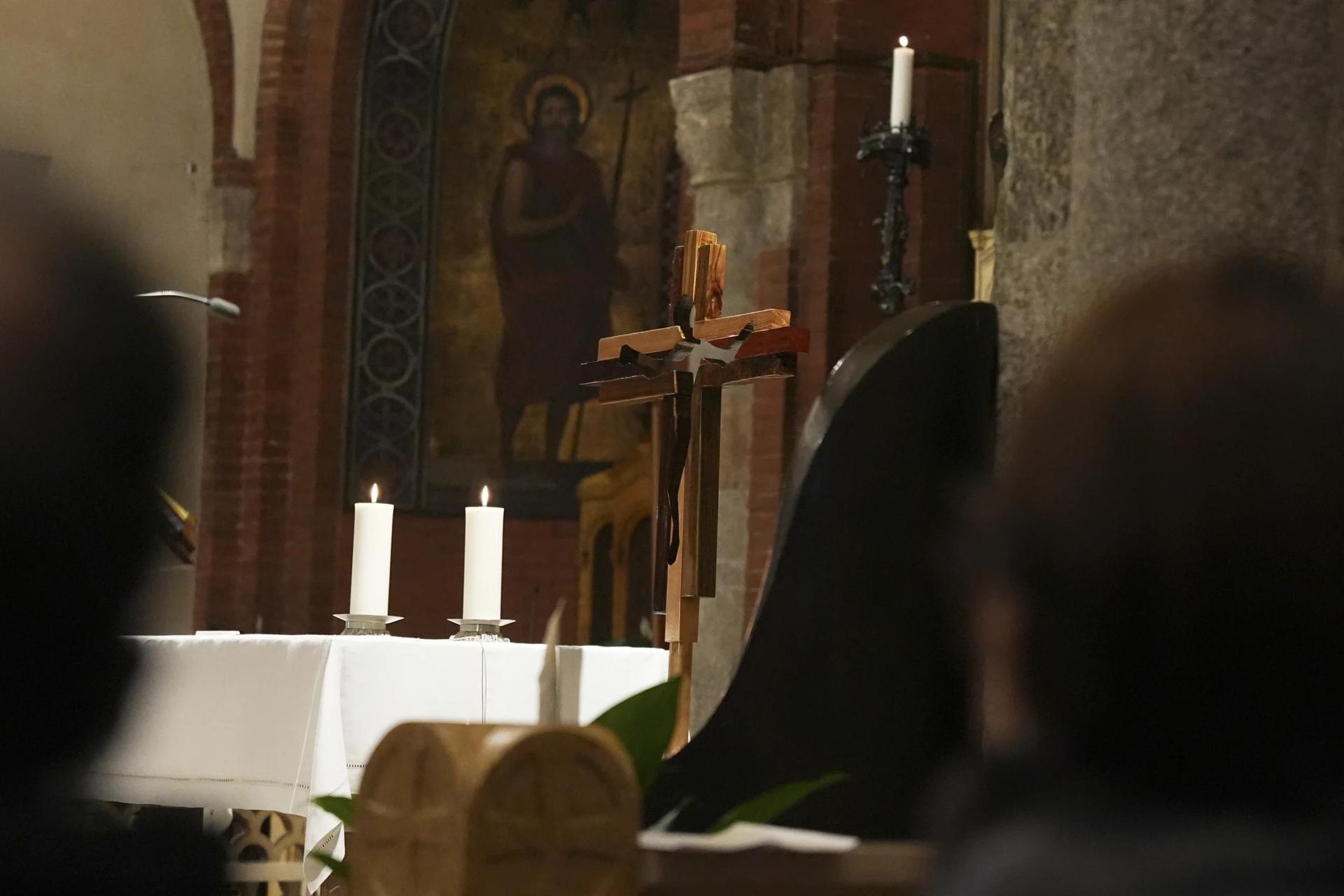
The Cross of the Athletes has arrived in Milan for the Winter Games and holds pride of place beside the main altar in the Basilica of San Babila. It is one of the city’s oldest churches that — for a few weeks, while the cross is within its walls — holds the title of Church of Athletes.
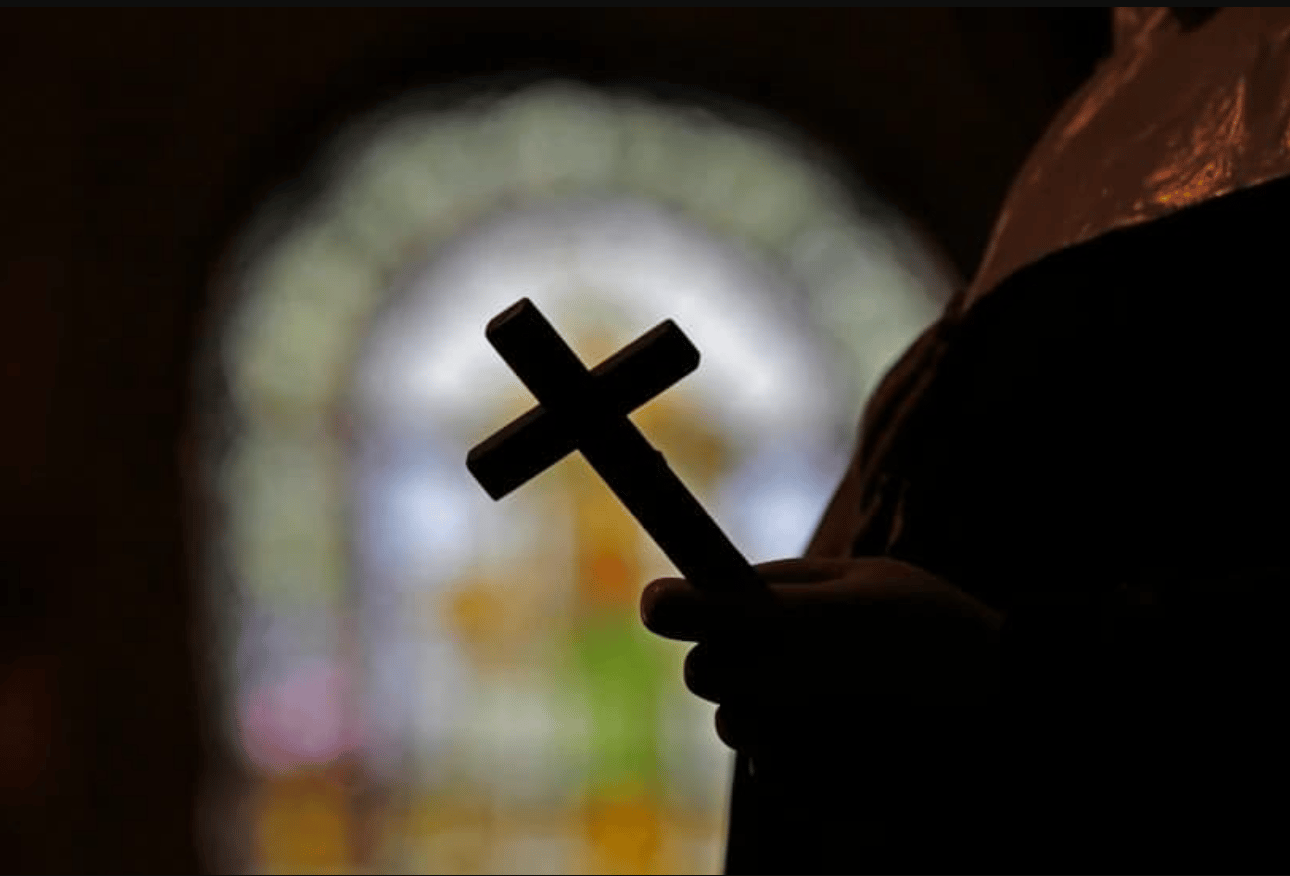
The presence of the cross at the Games is a tangible sign of the Catholic Church ’s belief that sport is a powerful way to bring people together. And this cross is unique in that it is made from pieces of wood sourced in five continents, an apparent nod to the five Olympic rings that convey the same sentiment.
“We think of sport not as an instrument that separates, but as one that unites,” said Father Stefano Guidi, who heads the Archdiocese of Milan’s Service for Oratories and Sport. “The cross represents this precisely through the way it was created.”
The making of the cross
English artist Jon Cornwall used 15 pieces of wood from continents around the world to craft the cross, which made its grand debut at the London Olympics in 2012.
Since then, special ceremonies have marked its arrival to host cities for both the Summer and Winter Games. (The exception was Tokyo, when pandemic travel restrictions were in place.) Last June, it was in the Vatican for the Jubilee of Sport, celebrated with Pope Leo XIV, who has a long-standing personal connection to sport. And the cross is expected to travel to Los Angeles for the 2028 Games.
“The cross — carrying the prayers and hopes of athletes — is a Christian message addressed to the entire world of sport, a sign of hope for humanity, and a proposal of peace among peoples,” according to a document from the Vatican’s culture ministry, which includes a sports department.
Leo said in a message entitled “Life in Abundance” issued on the same day as the Milan Cortina opening ceremony, that sport brings people together and values the journey as well as the end result.
“It teaches us that we can strive for the highest level without denying our own fragility; that we can win without humiliating others; and that we can lose without being defeated as individuals,” he wrote.
On a recent February morning, Giovanna Spotti and her husband attended Mass at San Babila and took a moment to closely admire the cross.
“The Cross of the Athletes moves us a great deal, because it is displayed and venerated here,” said Spotti, who lives nearby. “And San Babila is important because it is a very old church, truly characteristic of Milan.”
A message of unity beyond language
The Romanesque basilica sits in the heart of the city near Piazza San Babila, a major transit and meeting point. Milan’s Catholic archdiocese has designated it the Church of Athletes during the Olympics and Paralympics.
As part of the church’s activities for this period, it is celebrating some Masses in Italian, English, French and German.
The church was packed during the first Mass on Feb. 8, in Italian. The homily focused on the importance of embracing fraternity over individualism and fostering a spirit of unity beyond divisions.
Later, Father Stefano Chiarolla celebrated a German-language Mass. All attendees were Italian, but Chiarolla said the initiative is important nonetheless.
“Multilingual Masses are a sign of welcome,” said Chiarolla, who asked German speakers to raise their hands at the end of his homily and smiled when merely one Italian man did. “People can always attend Mass in Italian, but the diocese wants to offer a visible sign of hospitality that reflects the international nature of the event.”
Marino Parodi, who raised his hand, said he attended because family issues prevented him from coming to the earlier service.
“I searched on the web and I found this option,” he said. “I was glad to find it.”
Both the display of the cross and the multilingual Masses are part of the Milan archdiocese’s efforts to promote unity during the 2026 Winter Olympics. That broader program includes a youth-focused “Tour of Sports Values,” cultural exhibitions, a theatrical performance, concerts and inclusive sports initiatives, as well as art routes through some of Milan’s historic churches.