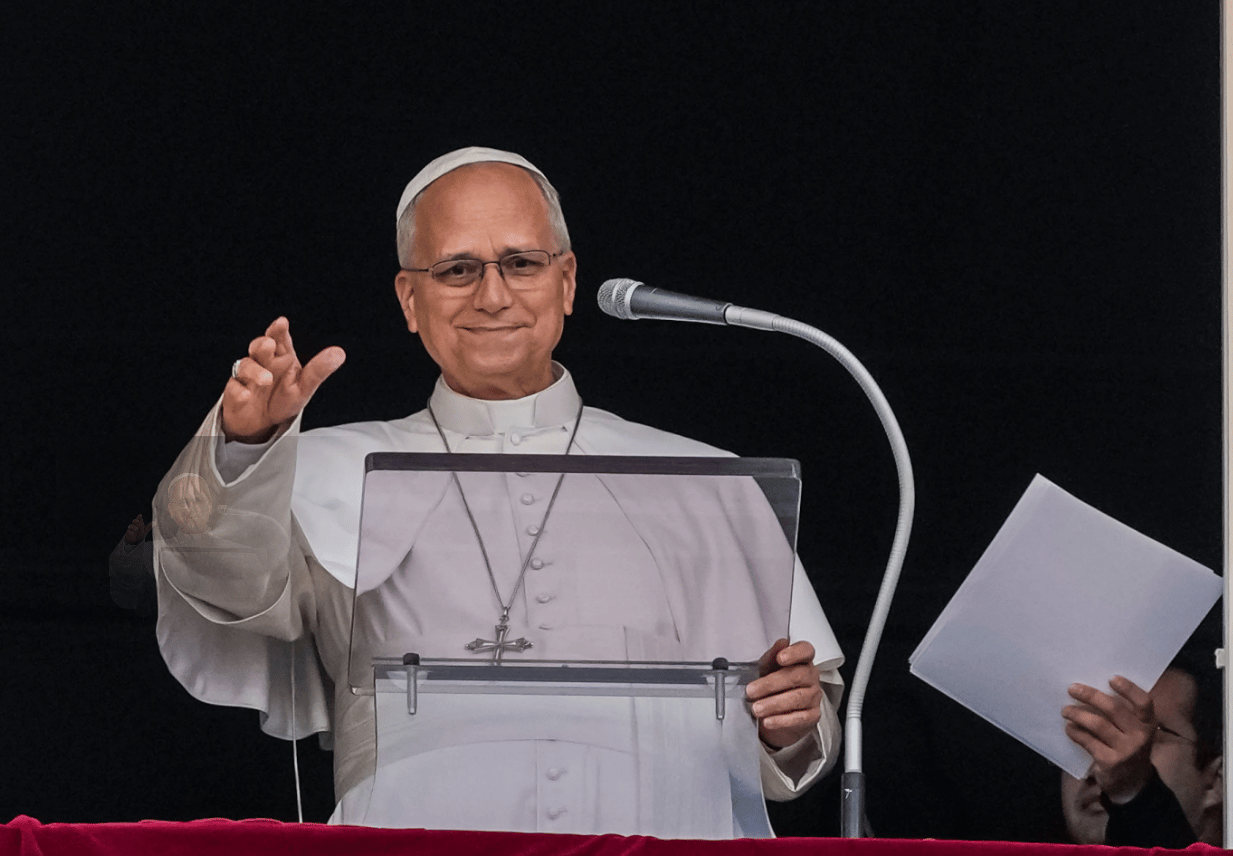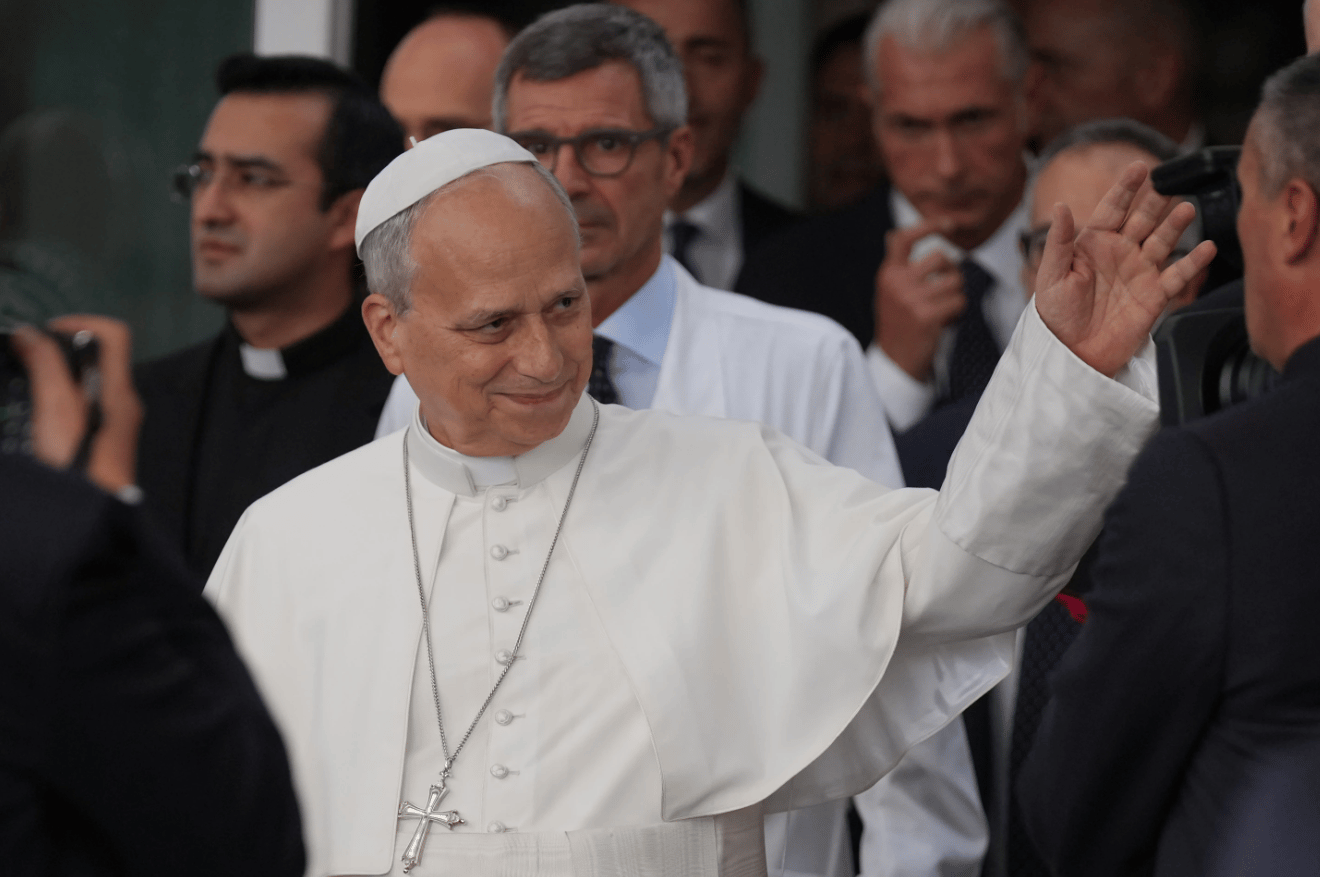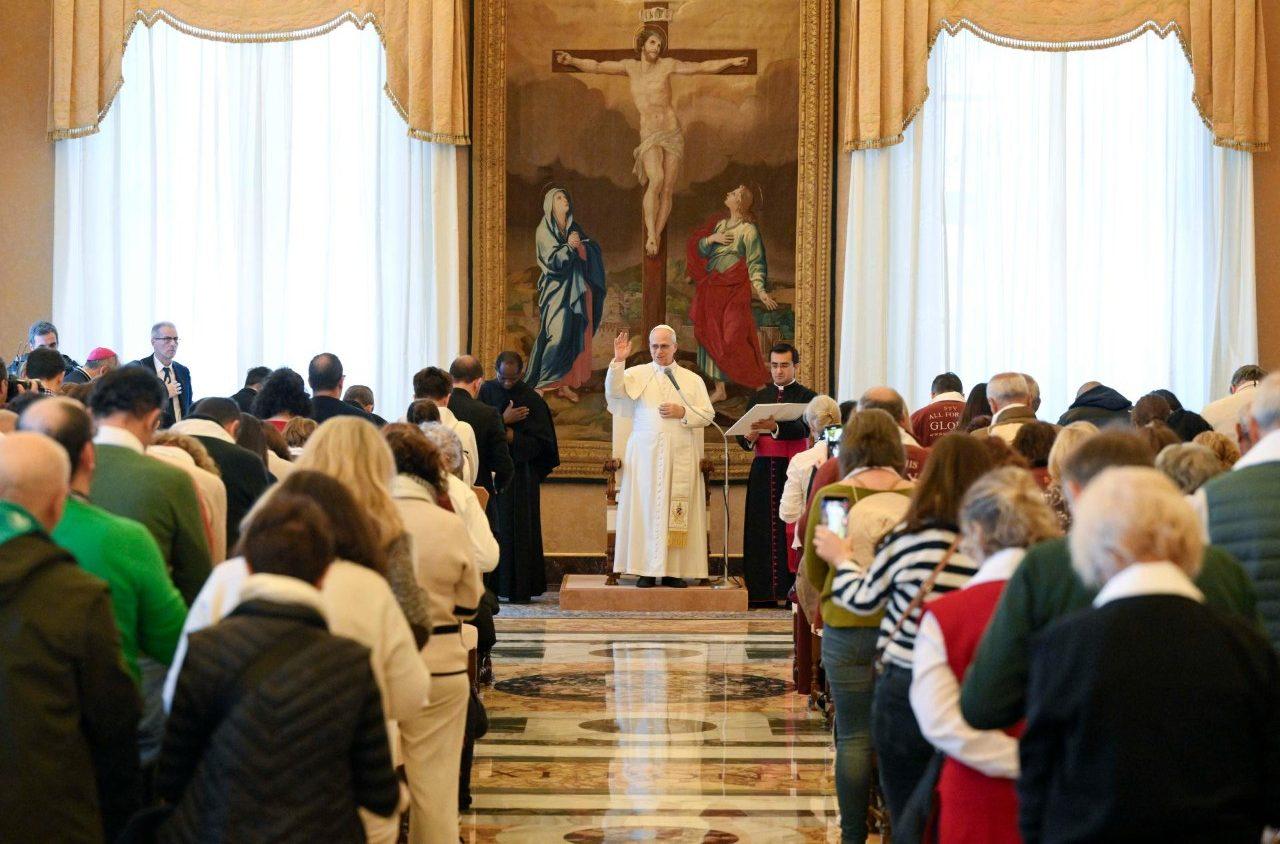
Pope Leo XIV has sent a letter to approximately 1,100 priests from Madrid, warning them that growing polarization and secularization puts the faith at dual risk of being instrumentalized or made irrelevant.
The pope’s message comes at a time of political upheaval in Spain as the ruling Spanish Socialist Workers Party (PSOE) is under more pressure following local elections in Aragón, and debates about migration continue to dominate.
“In many environments, we observe advanced processes of secularization, a growing polarization in public discourse, and the tendency to reduce the complexity of the human person, interpreting it from ideologies or partial and insufficient categories,” the Holy Father said in his message.
“In this framework, faith runs the risk of being instrumentalized, banalized, or relegated to the realm of the irrelevant, while forms of coexistence are consolidated that dispense with any transcendent reference,” he added.
The pope’s letter was read out at a two-day assembly called Convivium, where the priests of the archdiocese Madrid, alongside some laypeople and religious, were gathered after to reflect on the pastoral needs of the archdiocese and their own ministry.
There will be 28 working groups over two days at the assembly, taking place Feb. 9-10., and Cardinal José Cobo, archbishop of Madrid, will be present.
Tension between Church and State
The results of yesterday’s election in Aragón suggest, along with polling data, that Spain’s right-wing parties are in a strong position for the general election next year, which could see a coalition between conservative People’s Party (PP) and far-right Vox.
In Aragón, PP received 34.26 percent of the votes, PSOE 24.29 percent, and Vox 17.88 percent, leaving Prime Minister Pedro Sánchez’s government weakened again after a slew of corruption scandals left the party on the brink.
Aragón is often referred to as the “Spanish Ohio” as it is a bellwether for the direction in which the country’s politics is heading.
Last month, Sánchez made international headlines by regularizing the status of 500,000 migrants, a move which Vox leader Santiago Abascal criticised heavily, saying “Sánchez the tyrant hates the Spanish people” and calling for “repatriations, deportations and remigration.”
However, Archbishop Luis Argüello, president of the Spanish Episcopal Conference (CEE) welcomed Sánchez’s decision, saying in a video message that the regularization process was “a recognition of human dignity and an opportunity to collaborate for the common good.”
The migration department of the CEE, alongside Caritas and the Spanish Conference of Religious, also released a statement on the decision, saying “the time has come to take a decisive step toward a more just and inclusive society, where no one is relegated to invisibility and exclusion.”
Vox positions itself as upholding Catholic values but has been critical of the country’s bishops, particularly relating to immigration.
Last summer, Abascal accused the Spanish bishops of being neutered by government grants and the fallout of the sexual abuse crisis, also implying the bishops profit from “revenue received as a result of the system of aid for illegal immigration.”
Sánchez and the Spanish ecclesial hierarchy also had a public row in recent months after comments made by Argüello, who called for an election because of gridlock in parliament.
“The time when bishops interfered in politics ended when democracy began in this country,” Sánchez replied.
Madrid’s priests and a changing culture
In his message, the pope highlighted the challenges that come from ministering to a culture “where the common ground has noticeably weakened.”
“For a long time, the Christian seed found largely fertile ground, because moral language, the big questions about the meaning of life, and certain fundamental notions were, at least in part, shared. Today, that common ground has noticeably weakened,” Pope Leo said.
“The Gospel encounters not only indifference, but a different cultural horizon, in which words no longer mean the same thing and where the initial proclamation cannot be taken for granted,” he added.
Last year, Argüello said at the opening of the April plenary meeting of the CEE that “the time has passed, settled for centuries, when we said: I’m Catholic because I was born in Spain.”
A report by Funcas Foundation in June 2025 found that only 55 percent of Spaniards over 18 identify as Catholic. The report also found that in 2023, only 18 percent of marriages were celebrated according to the Catholic rite, which was 76 percent in 2000.
This tension was highlighted by a row over the plans by the President of the Community of Madrid, Isabel Díaz Ayuso, to hold a Mass in the capital in honor of the victims of last month’s train crash in Adamaz. One of the two trains that collided was travelling to Madrid.
Writer and philosopher Irene Lozano, known for helping current Prime Minister Pedro Sánchez write his book Manual de Resistencia, said Ayuso’s proposal was “a blatant appropriation” and suggested a Mass was inappropriate because “there will be agnostics, atheists, Catholics and Muslims” among the victims.
“I believe that the secular, non-denominational state in which we live should not interfere with people’s religious beliefs,” Lozano added.