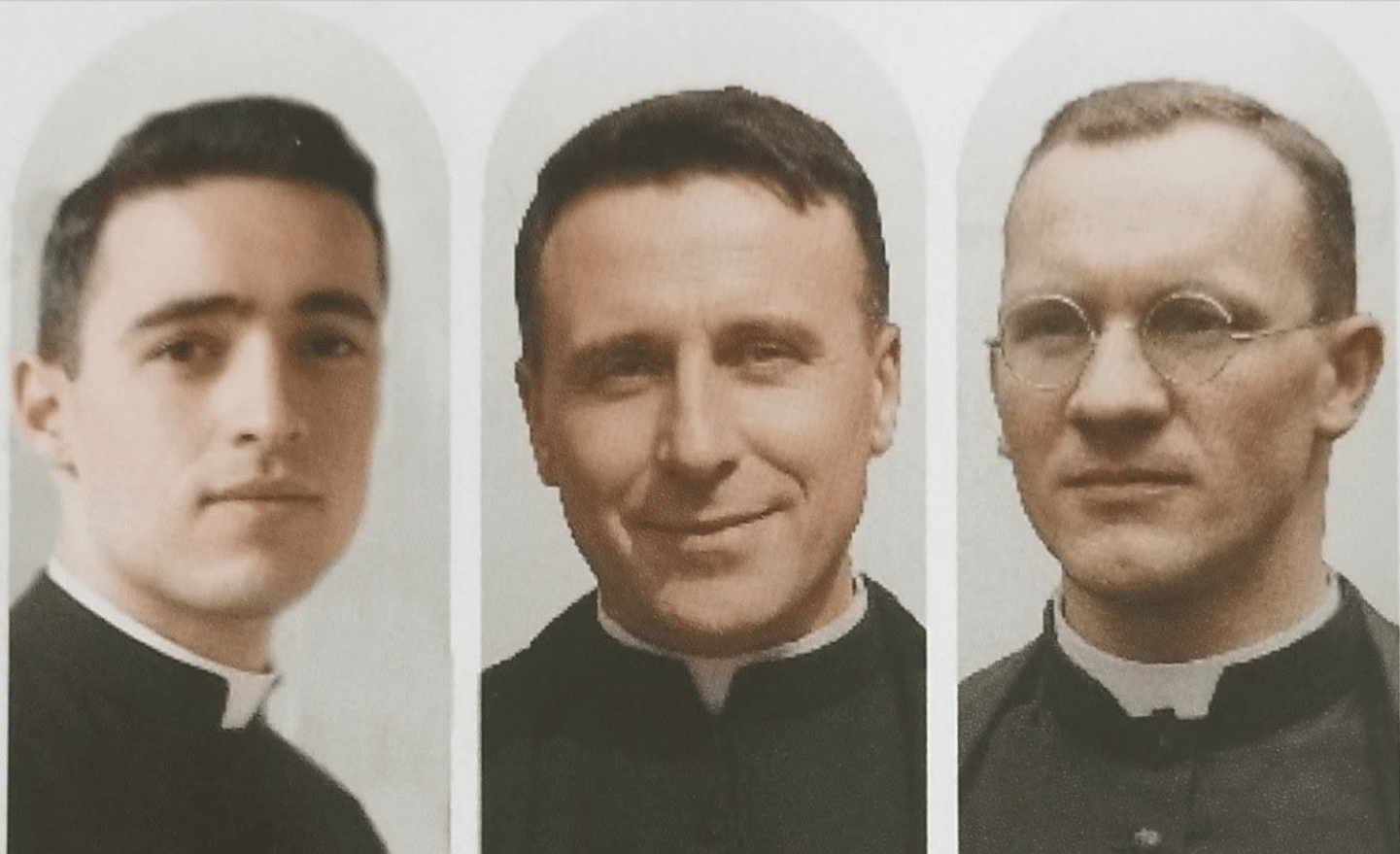
The Dicastery for the Doctrine of Faith has reportedly closed its investigation into a Spanish bishop who was accused of sexual abuse because it could not determine whether the victim was underage at the time of the alleged abuse.
According to reports in El País and the Spanish Catholic website Religion Digital the dicastery has closed the investigation because the Code of Canon Law in force at the time the abuse is alleged to have taken place – the 1990s – means that only cases involving a victim under the age of 16 constitute a crime.
The complainant alleges that the abuse began when he was 14, and continued until he was 21, when Bishop Emeritus Rafael Zornoza of Cádiz and Ceuta – the accused – was rector of a seminary in Getafe.
After being informed by El País of the dicastery’s decision which was reportedly made weeks ago, the complainant, a former seminarian, said he hadn’t received any information but that he was “disappointed.”
“More than outrageous, I find it disappointing that the Catholic Church had an opportunity to make amends and set an example, and instead resorted to a technicality. I’m not angry, because I don’t expect anything from the Catholic Church. I’m disappointed. The Church could have facilitated a healing process,” the complainant said.
The diocese of Cádiz and Ceuta and the Spanish Episcopal Conference told Crux Now that they had no more information on the case. At the time of writing, neither the Holy See Press Office nor the Apostolic Nunciature in Spain responded to inquiries.
Direct queries sent Friday from Crux Now to the head of the discipline section at the Dicastery for the Doctrine of the Faith, Archbishop John Kennedy, were also without reply.
Zornoza has maintained his innocence throughout, calling it “an unjust and false accusation.”
When the reports first appeared last November, Zornoza stepped back from public duties, and Pope Leo XIV then accepted his resignation, which Zornoza had submitted when he turned 75 in July of last year, before the allegations were published.
“I wish to express my sincere gratitude to Pope Leo XIV for his understanding and paternal closeness, in granting me the power to dedicate myself fully to the medical treatments required by my current state of health, as well as to attend with serenity and trust in God to my defense against an unjust and false accusation, which is being studied by the Church,” he said in a statement published by the diocese of Cádiz and Ceuta last November.
Also in November, Archbishop Luis Argüello, the president of the CEE and the Archbishop of Valladolid, seemed to compare Zornoza’s case to that of Álvaro García Ortiz, the attorney general who was found guilty by the Spanish Supreme Court of leaking confidential information and subsequently resigned.
“Some media outlets maintain the innocence of someone who has already been convicted and assert the guilt, with execution in the public square, of someone who has not been tried. It is necessary for them to review their measuring stick. At stake is the health of our democracy and the well-being of our coexistence,” the archbishop wrote on X (formerly Twitter).
A complex process
The complainant originally wrote to the dicastery in the summer of last year, detailing what he alleges to have taken place, which was subsequently published in El País.
“It was at night when he came to the room and I suffered the abuse. He got into my bed, caressed me and kissed me. In the mornings I also woke up the same way. At that time, I never said anything to him, paralysis controlled me,” the complainant said
When the Dicastery for the Doctrine of the Faith initially received the allegations last summer they deemed them credible and ordered the Archdiocese of Seville, of which Cádiz and Ceuta is a suffragan, to open an investigation.
Archbishop José Ángel Meneses of Seville then referred the canonical proceedings to the tribunal of the Spanish Rota in Madrid, a step dioceses can take for particularly complex cases.
The Spanish Rota compiled a report, which was then sent to the Sevilla archdiocese to send on to the dicastery.