SÃO PAULO, Brazil – As a bill to decriminalize euthanasia in Mexico appears to be gaining momentum, the Church is seeking to mobilize Catholics to defend life, betting that most Mexicans still believe it is their responsibility to care for their elderly and sick relatives.
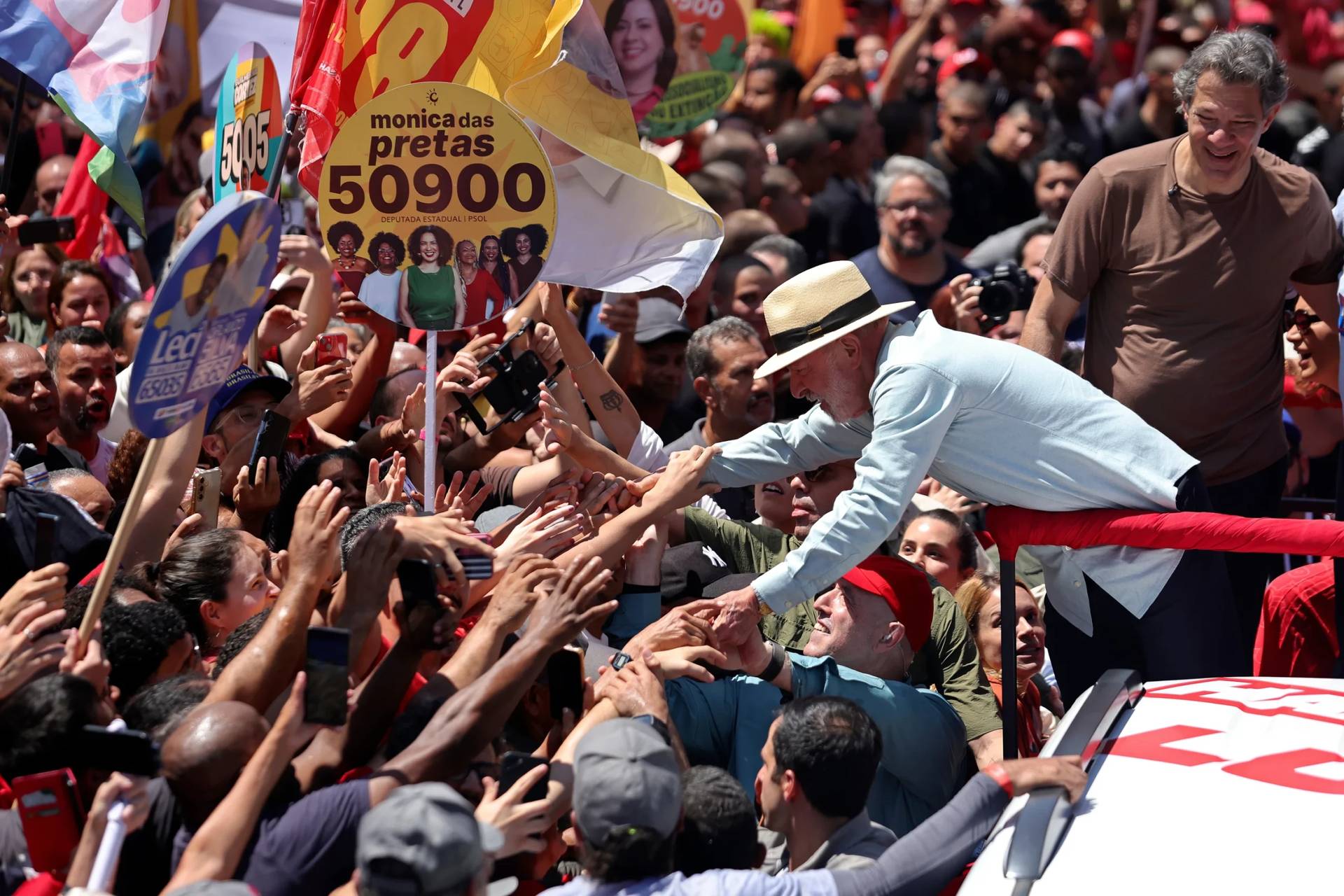
On Apr. 25, at least 2,000 demonstrators took part in the 15th edition of the Mexican March for Life in Mexico City, protesting the decriminalization of abortion in the nation’s capital 19 years ago and the potential legalization of euthanasia.
The Archdiocese of Mexico City had invited Catholics to join the demonstration in an editorial published in its house organ, Desde la Fe (“From the Faith”).
In the article, the archdiocese said that “abortion, euthanasia and suicide are plagues that strike our humanity under the guise of being valid alternatives in the face of suffering.”
“We do not judge those who resort to any of these options, because suffering exists, and it is extremely important to support the pregnant woman who feels alone or emotionally distressed, the sick person who feels they have no way out, and anyone experiencing some form of depression,” the editorial read.
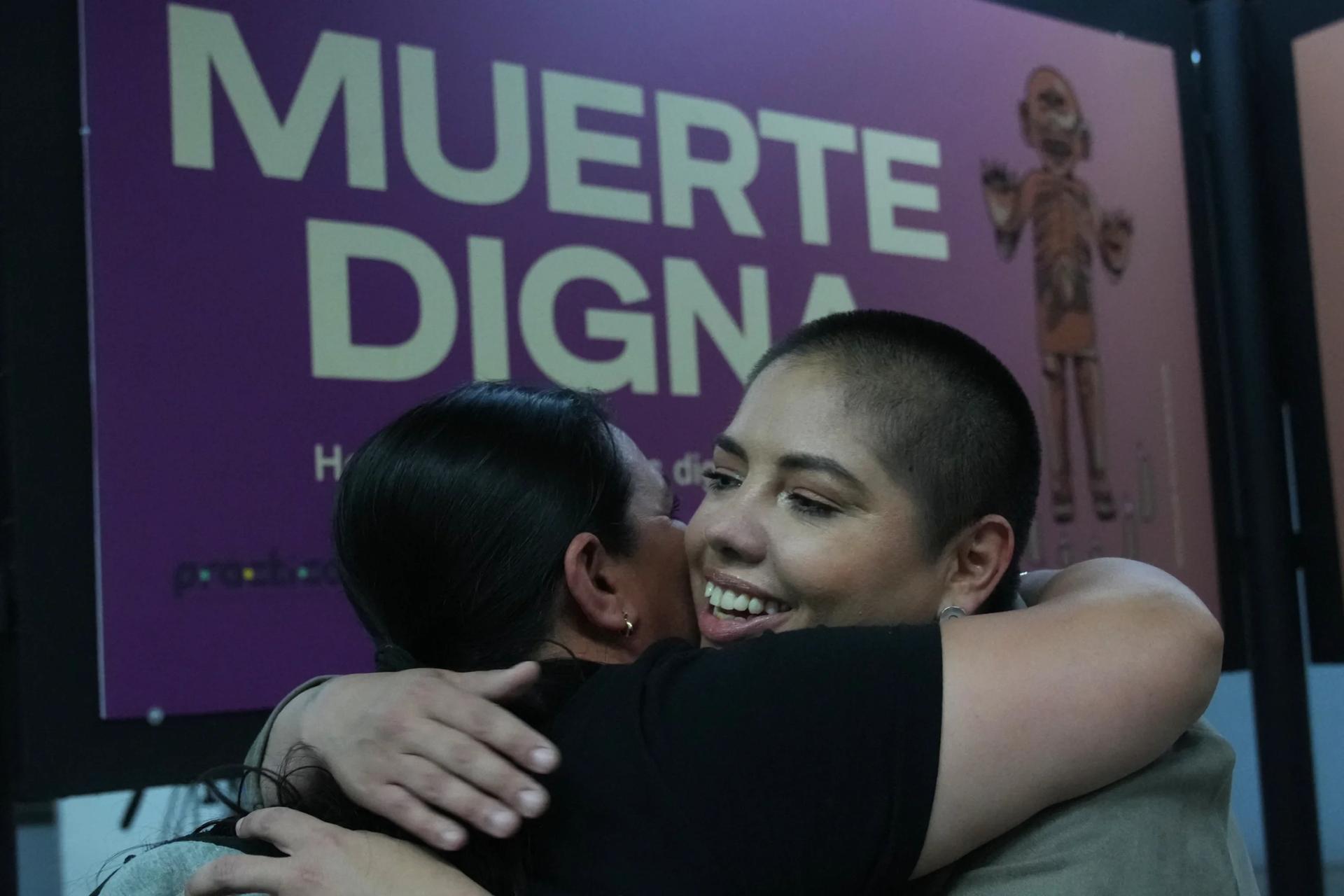
Activist Samara Martinez, 31, introduced the bill — known as Ley Trasciende por una muerte digna en México (Transcend Law for a Dignified Death in Mexico) — in the Senate last year.
Suffering from several incurable diseases, she has undergone two failed kidney transplants and now must undergo 10-hour hemodialysis sessions every day to remain alive.
Her initiative received support from 128,000 citizens and 2,000 healthcare professionals. At a Senate conference on Apr. 23, Martinez and several experts debated the bill with lawmakers and members of civil society.
Senator Emmanuel Reyes Carmona, of the left-wing Morena party — the same party as President Claudia Sheinbaum — said during the event that most of his colleagues support the measure and that “quantitative and qualitative research” shows that 70 percent of Mexicans support the idea as well.
A request for euthanasia would need to be submitted by the patient and their family, and a bioethics committee would be responsible for evaluating each case before allowing the process to proceed. According to the bill, euthanasia would not exclude parallel approaches, including palliative care.
In 2023, Mexican legislators attempted to legalize euthanasia but were unsuccessful. In other parts of Latin America, however, pro-euthanasia activists and politicians have had more success: in 2022, assisted suicide became legal in Colombia; in 2024, Ecuador approved euthanasia.
Father Alejandro Alvarez, a member of the National Life Pastoral Ministry team, told Crux Now that he does not believe most of Mexico’s population supports euthanasia.
“The atmosphere in the country is not favorable to it. We are people who care about our elders, about our sick relatives. Unlike in other parts of the world, we still have the custom here of taking care of our family members,” Alvarez said.
The Church has several groups and organizations dedicated to defending life and promoting palliative care, and they should be heard during the sessions debating the bill, he added.
“The Church will always advocate for life. In the case of chronically ill patients, we defend palliative care. We believe every person in need must receive special attention for their pain,” Alvarez told Crux Now.
He said patients who ask for euthanasia are people who no longer feel loved.
“People who have been left alone in the hospital or even at home often feel unimportant to anyone. They ask themselves: ‘Why am I living?’” Alvarez said.
The priest also questioned the idea of a “dignified death” currently promoted by supporters of euthanasia.
“They say a dignified death is one without suffering. But who said suffering is evil? Suffering is part of living. We have been failing as a society to teach certain values,” he added.
Sister Susana Lúa, who is also a doctor and an expert in palliative care in Guadalajara, has been closely following the debate over the bill.
She is a founding member of Juntos Contra el Dolor (“Together Against Pain”), a Catholic nongovernmental organization that has treated 12,000 patients over its 13-year history.
Unfortunately, palliative care remains very limited in Mexico, she said.
“Only 1.5 percent of Mexicans in need currently have access to palliative care,” she told Crux Now.
Public services also often lack the resources needed to provide palliative care, Lúa said.
“We see medical offices here and there claiming to offer palliative care, but in fact they are worthless,” she said.
At the same time, palliative care is neither especially complex nor expensive, she said. Establishing new services would not take much for the government and civic institutions.
“But what we see is a general lack of a palliative care culture,” she said, adding that most people are still dying at home in subhuman conditions.
“If palliative care is widely seen as a failure, the ‘solution’ becomes euthanasia,” Lúa said.
She said pain is the key factor in that scenario. Over the years, many of her patients have requested euthanasia. But as soon as they began taking pain medication, they stopped requesting death and expressed a desire to live each moment until the end.
“The absence of palliative care is the worst imposition on suffering people,” Lúa said.
On the other hand, a broader ideology of utilitarianism, fueled by the media, has fostered a culture of death.
“If a baby disturbs you, you can abort it. If the elderly are a problem for you, you can subject them to euthanasia. Many people think only about the utility of others now, unfortunately,” she told Crux Now.