Experts say the type of Ebola virus in the outbreak in central Africa that has killed more than 130 people – the Bundibugyo virus – is not the same as that which has caused most previous outbreaks in the region, which means that the previous vaccines are not effective.
Sister Rolande Kyakimwa of the religious missionary order, the Oblates of the Assumption, has told Crux Now that the atmosphere in eastern Democratic Republic of the Congo (DRC) is “agitated” following an outbreak of the deadly virus in the region.
According to the Congolese Minister of Health, Dr. Samuel Roger Kamba, 500 cases had been identified as of Tuesday, and 131 deaths had been recorded.
World Health Organization (WHO) Director-General Dr. Tedros Adhanom Ghebreyesus says the outbreak is driven by the Bundibugyo virus, one of several Orthoebolaviruses that can cause Ebola disease. He said it is mainly affecting the DRC’s remote northeastern Ituri province.
In a statement sent to Crux Now, Dr. Anne Ancia, WHO Representative in the Democratic Republic of the Congo, said the outbreak that was first announced “is deeply concerning.”
“The government of the DRC declared an outbreak on 15 May, following confirmation of eight cases in Ituri province,” she said in the May 19 statement.
“This species of Ebola is one for which there is no licensed vaccine or treatment, though supportive care is lifesaving.”
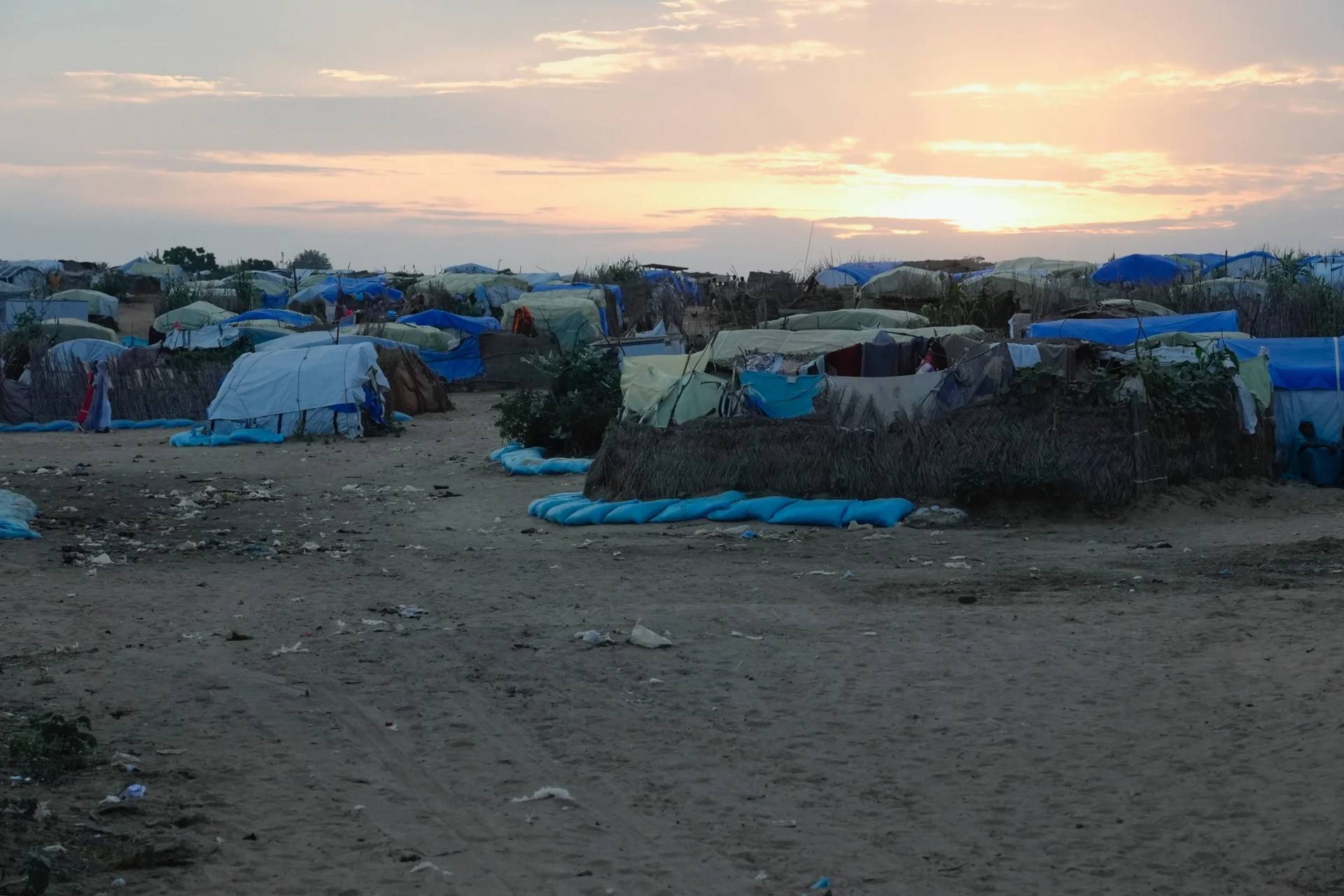
She said the situation is complicated because it is occurring “in a highly complex epidemiological, operational and humanitarian context—marked by insecurity, population displacement, and both densely populated and remote areas. “
She said the outbreak now affects ten health zones in Ituri province, and has reached North Kivu, with confirmed cases in Butembo and Goma.
Kyakimwa told Crux Now that “there is agitation, frustration, fear,” as the virus continues to spread.
“The atmosphere is agitated. Many people are frustrated by the return of this pandemic which ravaged the region. In certain health structures, they have temporarily stopped their training for reasons of prudence,” the religious sister said.
Two deaths have been reported in neighboring Uganda. This has led President Yoweri Museveni to postpone the 2026 Martyrs’ Day celebrations, traditionally held on June 3 at the Namugongo Martyrs Shrine in the country’s Catholic Archdiocese of Kampala.
In a press release May 17, the Ugandan leader said the government had decided to postpone the Martyrs’ Day “to a later date” after consultations with the national epidemic response task force and religious leaders.
“This decision was made because Uganda receives thousands of pilgrims annually from Eastern Congo, which is currently experiencing an Ebola outbreak. To safeguard everyone’s lives, it is essential that this important event be postponed,” the release says.
“I encourage those who had begun their journey to return home, continue observing the precautionary measures, report anyone who is sick, and encourage those who are ill to seek medical care. “
“We regret any inconvenience caused, but the protection of life must come first,” the president added.
Kyakimwa says the postponement is “a thunderbolt for all prepared [for the pilgrimage].”
“There were already preparatory meetings, novenas made on the occasion of this trip, meetings of the different local groups but unfortunately, they have been stopped because of this involuntary situation,” the religious sister said.
“Others who had already taken permission from their work places to make the trip to the pilgrimage in Uganda are now in a dilemma even though the program is not canceled but postponed,” she told Crux Now.
Catholic bishops in Uganda have issued a release directing Christians to observe the Uganda Martyrs’ Day locally.
“Although the national gathering at Namugongo has been postponed, dioceses and parishes are encouraged to celebrate the day with the guidance of the Diocesan Bishop and the relevant Government authorities,” said members of the Uganda Catholic Bishops’ Conference in a May 18 statement.
They underscored the enduring significance of the annual commemoration, describing it as “a profound witness of faith, courage, fidelity to Christ, and steadfast commitment to Christian values.”
A Monday report from the London-based MRC Centre for Global Infectious Disease Analysis indicates significant under-detection of cases. The study warns that the outbreak is likely larger than current data shows, and suggests there may already be over 1,000 cases, though the true scale remains uncertain.
The current outbreak is just one episode in a history of Ebola outbreaks in the DRC that dates back to 1976, when the pathogen was first identified near the Ebola River in Yambuku, resulting in 318 cases and 280 deaths.
Nearly two decades later, the 1995 Kikwit outbreak thrust the disease into the international spotlight, infecting 315 people and killing 254. The years that followed were marked by a persistent pattern of smaller, geographically isolated flare-ups across the country, from Luebo and Mweka in the late 2000s to Isiro and Boende in the early 2010s.
The 2018–2020 outbreak in North Kivu and Ituri, complicated by regional conflict, was perhaps the largest in the country’s history, resulting in 3,481 cases. The country’s resilience was further tested as outbreaks occurred in rapid succession, including in Équateur Province in 2020, North Kivu in 2021 and 2022, and South Kivu in 2022 and 2023.
With a vaccine hard to come by, the Bishop of Butembo-Beni has urged the population to adopt barrier measures not to become victims like in 2018 when resistance resulted in several deaths.
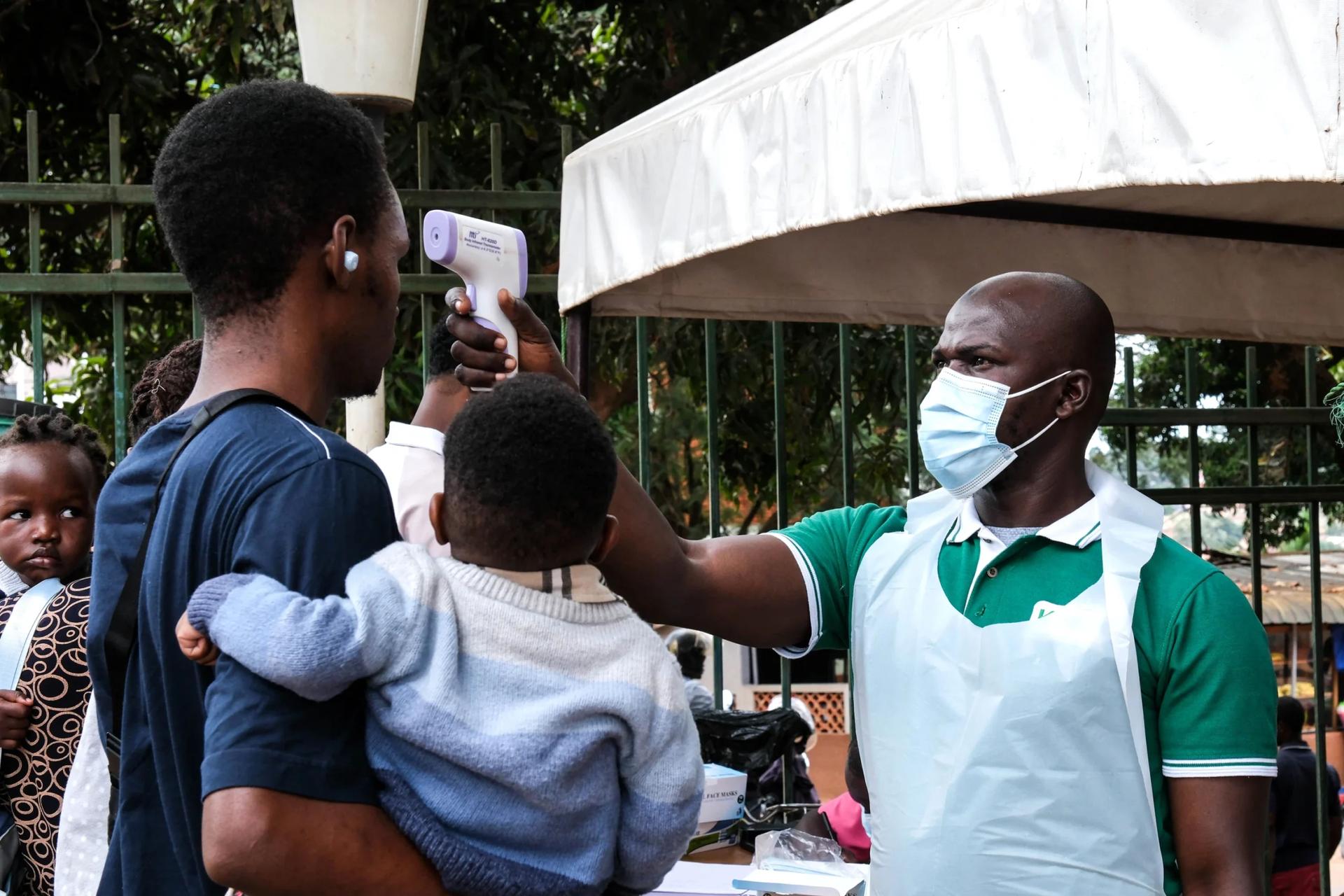
“These measures include hand-washing, avoiding all contact with dead bodies, and going to hospital when signs show,” said Kyakimwa.
*An earlier version of this piece misstated the death toll in the first line. The latest outbreak has killed 130 people, The error was typographical. Crux Now regrets the mistake.