The Director of Advocacy for Global Religious Freedom at ADF International, Kelsey Zorzi says the sentencing of Egyptian Coptic Christian scholar and YouTuber Augustinos Samaan to five years in prison with hard labor has created a “chilling effect” on Coptic Christians in the north African country.
A court in Egypt found him guilty of “misuse of social media “and “contempt of religion.”
He had been using his popular YouTube channel, with over 100,000 subscribers, to teach and defend the Christian faith-an activity Egyptian authorities say contravenes the country’s notorious blasphemy laws.
In an interview with Crux Now, Zorzi says Samaan’s case raises alarming questions about the shrinking space for religious expression in the region, and breaks down the chilling effect this sentence is having on Christian content creators, whether this represents a coordinated erosion of rights, and how the international community can respond without compromising diplomatic ties.
Crux Now: What does this sentence mean for Egypt’s Coptic community?
Zorzi: Christians view this sentencing as deeply troubling and as a significant escalation in the use of blasphemy-related laws against public Christian expression. The case has intensified concerns within the Coptic community that openly discussing, defending, or expressing Christian beliefs online may expose individuals to serious criminal penalties. For many, the case symbolizes broader fears regarding unequal treatment, shrinking space for religious expression, and the inconsistent application of constitutional guarantees related to freedom of belief and equality before the law.
Samaan was sentenced to hard labor for “misuse of social media” and “contempt of religion.” Does this severity suggest an intent to make an example of him, indicating that public expressions of Christianity are being criminalized under the guise of maintaining public order?
The severity of the sentence, including five years’ imprisonment with hard labor, appears intended to send a broader warning beyond the individual defendant, Augustinos, himself. The punishment is creating a visible chilling effect on Christians, particularly younger Christians and online content creators, who publicly engage in apologetics, religious discussion, or criticism of extremist interpretations of religion. The case risks signaling that even nonviolent religious speech can lead to severe criminal consequences.
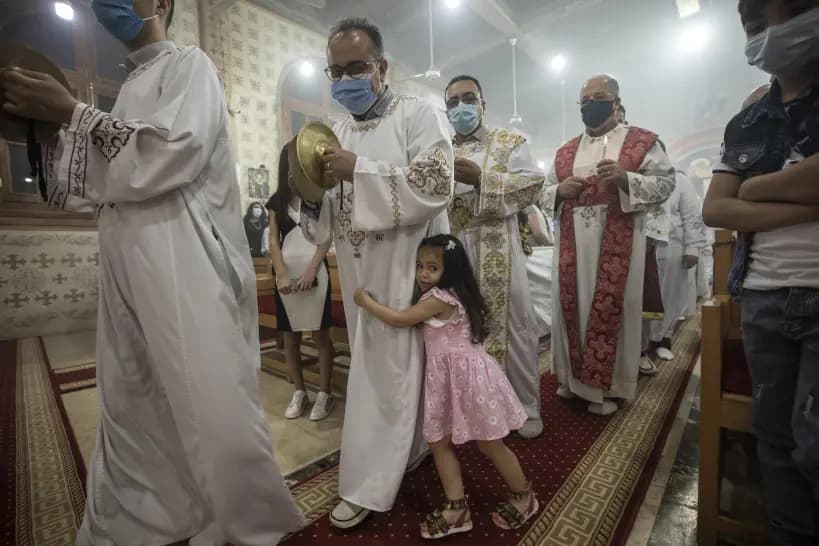
In a related development, a court declined to rule on a petition to establish Easter as a national holiday. When viewed alongside the Samaan verdict, do these two events represent a coordinated erosion of the rights of Coptic Christians?
Viewed together, Christians and religious freedom advocates see these developments as part of a broader and increasingly coordinated erosion of protections for Egypt’s Christian community. They reinforce a pattern of institutional barriers affecting Egypt’s Christian community.
While the cases arise under different legal frameworks, both decisions are viewed as aiming to reinforce perceptions that Christian concerns and claims to equal treatment are often not fully recognized in practice.
The Easter holiday case raised concerns about equal recognition of Christian religious observance, while the Augustinos case raised concerns regarding freedom of expression and criminalization of religious speech. Taken together, these cases contribute to a broader atmosphere in which Christian identity, expression, and participation in public life face growing institutional pressure and legal vulnerability.
With Samaan having over 100,000 subscribers, what effect does his imprisonment have on other Coptic content creators, and is there any space left for Copts to share their faith without facing legal repercussions?
Augustinos’ imprisonment is creating a widespread fear and self-censorship among Christian content creators and online speakers in Egypt. Many have become significantly more cautious about discussing theology, responding to criticism of Christianity, or addressing sensitive religious issues online.
Many worry that the case would continue discouraging open religious discussion and further narrow the already limited space for Christians to publicly express and defend their faith on social media platforms.
Egypt is a strategic ally to many Western nations. How can the international community balance diplomatic relations with the need to pressure Egypt on human rights and religious freedom?
The international community should engage Egypt constructively while consistently raising concerns regarding freedom of religion, freedom of expression, and fair trial protections. Strong diplomatic and strategic relationships should not prevent serious discussion of cases involving violations of fundamental freedoms and due process guarantees.
Moreover, Western nations should consider using available diplomatic and economic tools to encourage meaningful reforms and accountability.
Beyond legal advocacy, how does ADF support the families of prisoners of conscience like Augustinos Samaan, and what are the immediate needs of a family when a breadwinner is suddenly taken away?
When a primary provider is suddenly detained, the impact on the family is immediate and severe. Families frequently face financial instability, emotional trauma, social pressure, and uncertainty regarding the future. In many cases, they suddenly lose their main, or only, source of income while also taking on significant legal and visitation expenses.
While ADF only provides legal support in such cases, we have partner organizations that often coordinate to provide financial assistance to families, psychological and pastoral care, help coordinate prison visits, and organize ongoing community support to help families navigate the emotional and practical burdens of prolonged detention and legal proceedings.
For the broader Coptic community seeing these headlines, is there a sense of despair? How is ADF working to bolster the resilience of Christians in Egypt?
All Christians in Egypt view these cases with deep concern and growing frustration, especially because they are seen as reinforcing longstanding fears about unequal treatment and increasing pressure on public Christian expression. For most Christians, the recent developments contribute to feelings of discouragement and insecurity about openly discussing or practicing their faith.
At the same time, churches, advocacy organizations, and community networks continue working to support affected individuals and families, encourage resilience, and advocate for greater protections and equal treatment for Christians in Egypt.