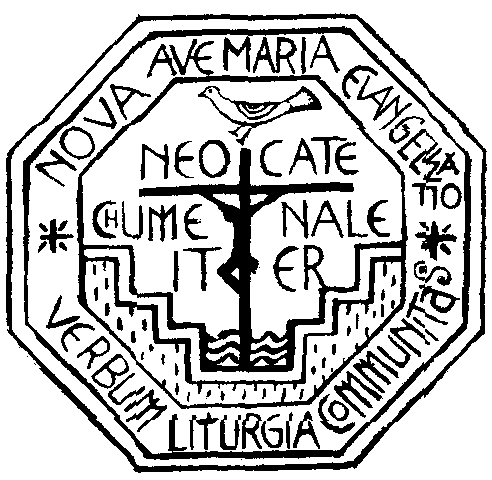
Among the new movements that grew in the wake of the Vatican Council II, the Neocatechumenal Way stands out as an “itinerary of Christian formation” rooted in small community-based life.
The Neocatechumenal Way presents itself as “post-baptismal catechumenate” – a course of integral formation in Catholic doctrine and Christian life – primarily for those who have received the sacraments but little instruction in what the Church believes or how the Church expects believers to live in the world.
The movement began in the slums of Madrid in 1964, when a young Spanish artist of some renown named Francisco “Kiko” Argüello – after an intense and years-long spiritual crisis that took him through the drama of atheism – went to live among the poorest of the poor in the sprawling and impoverished Madrid suburb of Palomeras Altas.