ROME – As tensions between the United States and Cuba intensify, the Vatican is paying close attention to the situation, with one top official condemning the use of humanitarian aid as a political weapon.
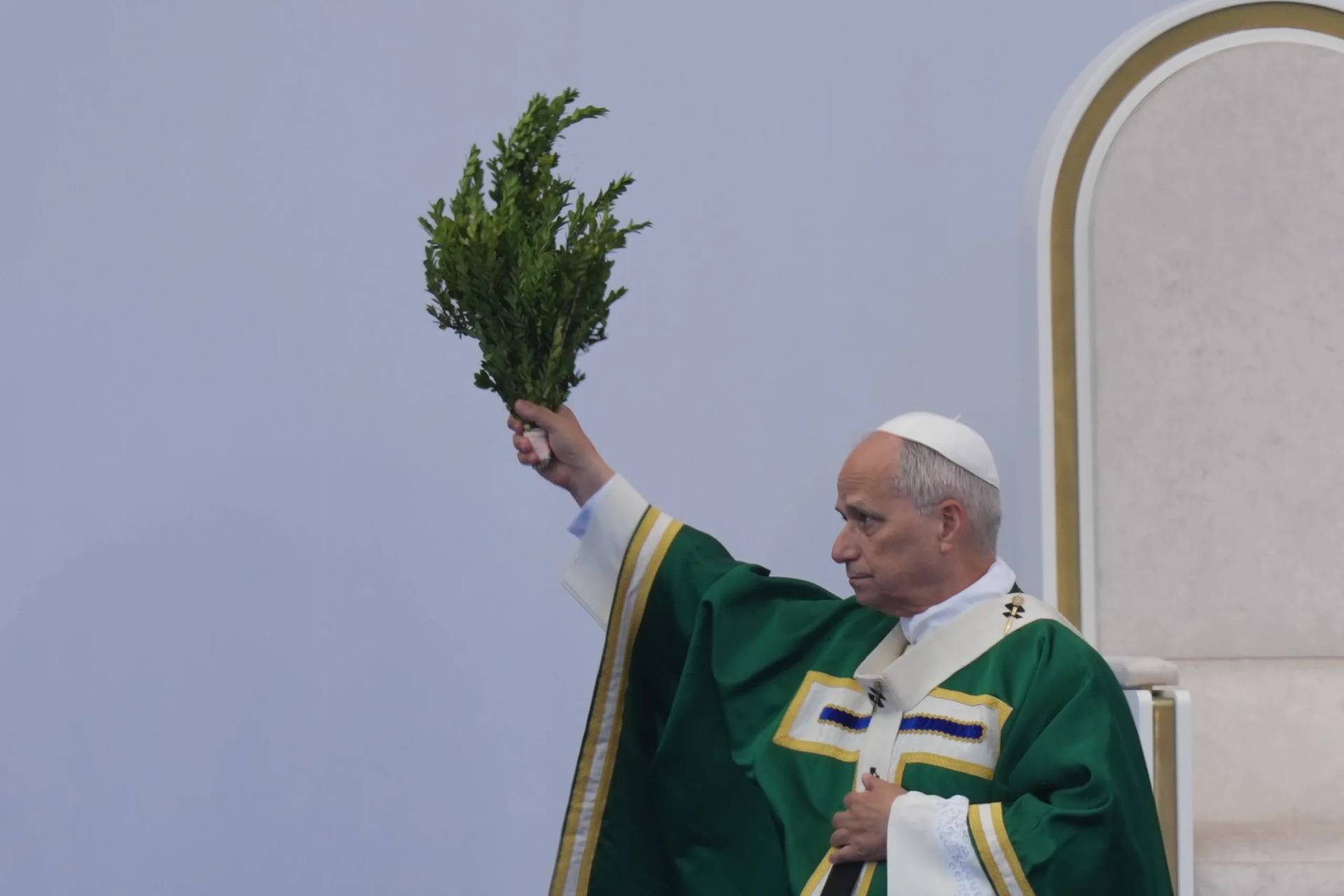
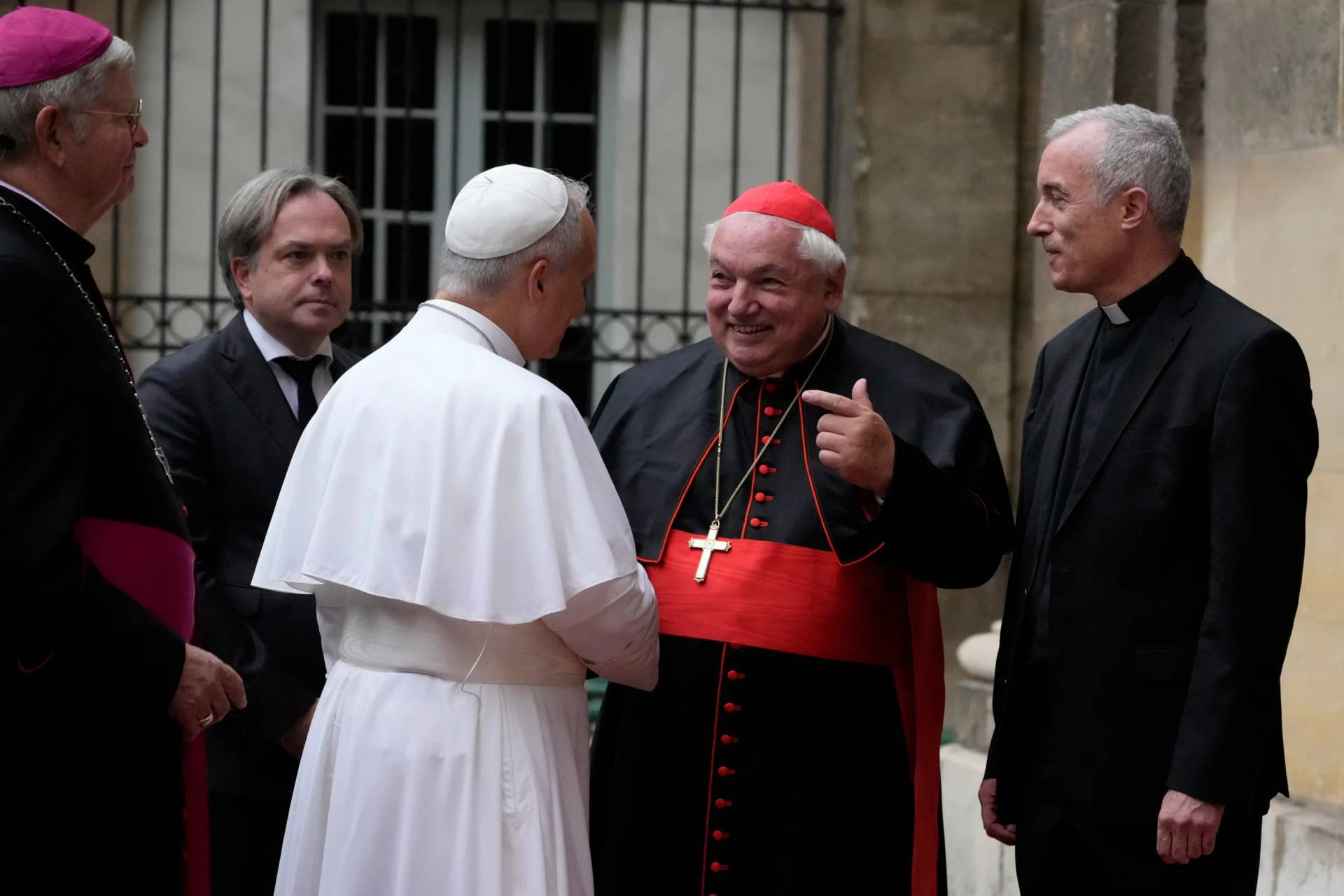
Speaking during a May 15 Mass for Cuba, Canadian Cardinal Michael Czerny, prefect of the Dicastery for Integral Human Development, said, “Any logic of permanent confrontation risks worsening the burden that already falls on ordinary people.”
This is especially true for the weakest, such as the poor, elderly, sick, and children, he said, and pointed to Pope Leo’s repeated insistence that no stable order can be established with “the force of arms” or “pressure that humiliates peoples.”
“Human development grows, instead, through dialogue, international law, cooperation among nations, and the protection of the dignity of every human being,” he said.
In this spirit, Czerny said humanitarian aid “should arrive in sufficient quantities and without obstacles, without ever being instrumentalized for political or geopolitical purposes.”
He recalled Pope Francis’s visit to Cuba in 2015 and his Mass in the Plaza de la Revolución, inviting leaders to put the human person at the center of social and political life, especially the most fragile and vulnerable.
Francis, on that occasion, he said, had insisted that service is “never ideological, because it is born from real attention toward the face of the other: ‘It does not serve ideas, but people.’ These words retain great relevance today.”
Czerny spoke during a Mass he celebrated for Cuba at the Church of St. Ignatius of Loyola in Rome, organized by the Cuban Embassy to the Holy See, days before the United States government announced an indictment for murder against former Cuban president Raúl Castro.
In the latest major escalation between the U.S. and Cuba, the U.S. on Wednesday announced charges against Castro for his alleged role in the shooting down of two civilian planes belonging to the volunteer organization called Brothers to the Rescue in 1996.
The incident, which killed three Americans, led to the creation and passing of the Helms–Burton Act, which strengthened the longstanding U.S. embargo against Cuba and remains in place today.
January’s U.S. military intervention in Venezuela, in which President Nicolas Maduro was detained and flown to the U.S. to face charges of drug trafficking, has had serious ramifications for Cuba and its already fragile energy infrastructure.
Venezuela had been supplying Cuba with oil; however, after intervening in Venezuela, the Trump administration cut off oil shipments to Cuba and imposed a blockade on most other foreign oil shipments from reaching the island nation.
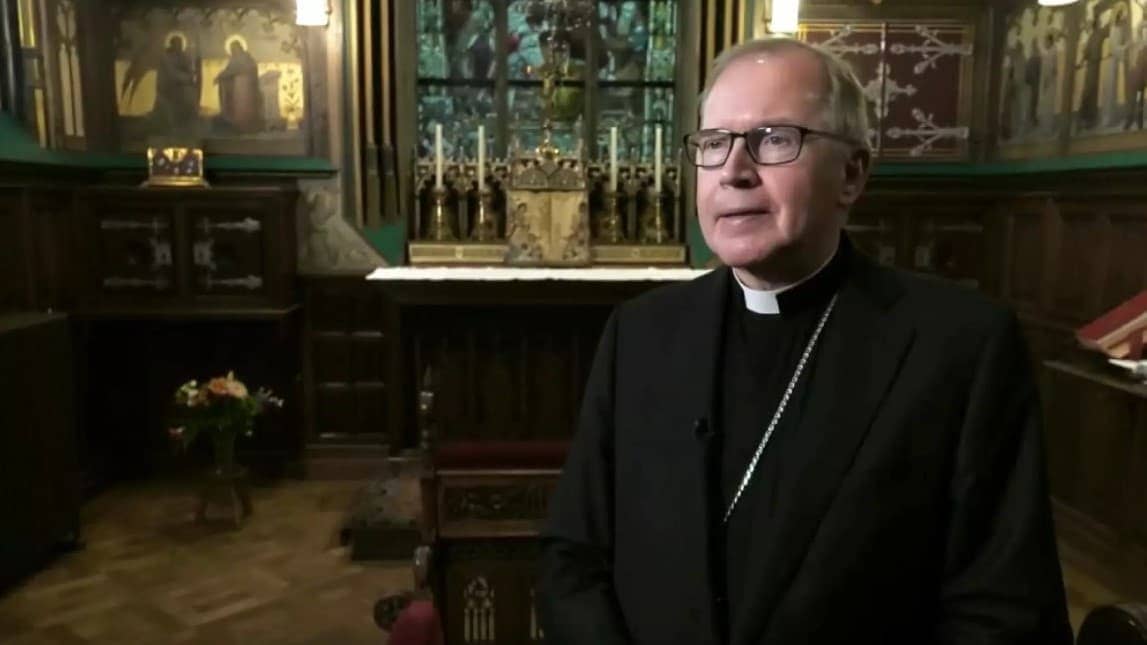
In recent comments to Catholic charity Aid to the Church in Need, Bishop Arturo González Amador, president of the Cuban Bishops’ Conference, said the situation in Cuba is becoming more desperate by the day.
“Cuba is suffering,” he said, calling the current situation “the saddest and most difficult time that I am aware of in the history of my people. Everything is a struggle to survive. The present is unsafe and the future is completely unknown.”
Poverty rates are soaring, basic medical supplies are lacking, and an increasing number of people are experiencing hunger, he said, adding that some people have even fainted during Masses and other liturgies because they do not have enough to eat.
“In some important hospitals, they have stopped doing operations because they don’t have water, let alone surgical equipment,” he said, saying some families have to go abroad for medical procedures due to a lack of supplies.
González Amador said there is an increased environment of perpetual anxiety and that, “In conversations with people, you notice sadness, despair, and uncertainty.”
Currently, he said, there is great fear about a potential military conflict with the United States.
“People’s daily lives are marked by a great fear. They are constantly talking about it, and this is a particular source of anguish for children and for the elderly. In the streets, we hear people say that they cannot take this pain any longer, and there is nobody to help them,” he said.
Amid this situation, the church is present, doing what it can to help alleviate the suffering of the people and “to keep the spirit alive and to bring hope where there is none, to listen and to accompany.”
Czerny, in his homily, assured of God’s closeness to the people in times of suffering, saying the journey toward peace requires “patience, discernment, and spiritual courage.”
He invoked the church’s social doctrine, which he said teaches that authentic peace is rooted in moral and spiritual pillars.
The values of truth, justice, freedom, and love are “indispensable conditions” for a dignified human life, he said, adding justice “demands concrete attention toward those who suffer the most.”
“Freedom reclaims real spaces for participation, listening, and shared responsibility. Truth becomes a style of sincere dialogue, capable of overcoming propaganda, rigidities, and mutual mistrust. Love opens the path to solidarity and to the sharing of material, cultural, and spiritual goods among peoples,” he said.
“Let us pray so that the beloved Cuban land may experience days of greater serenity, of authentic human and social development, of harmony, and of hope. Let us pray so that every political, economic, and international decision may be enlightened by wisdom, prudence, and a sincere search for the well-being of the people,” he said.
Issuing an appeal for greater fraternity, Czerny closed his remarks by asking the Virgin of Charity of El Cobre, a popular Cuban devotion, to intercede for peace in the island nation.