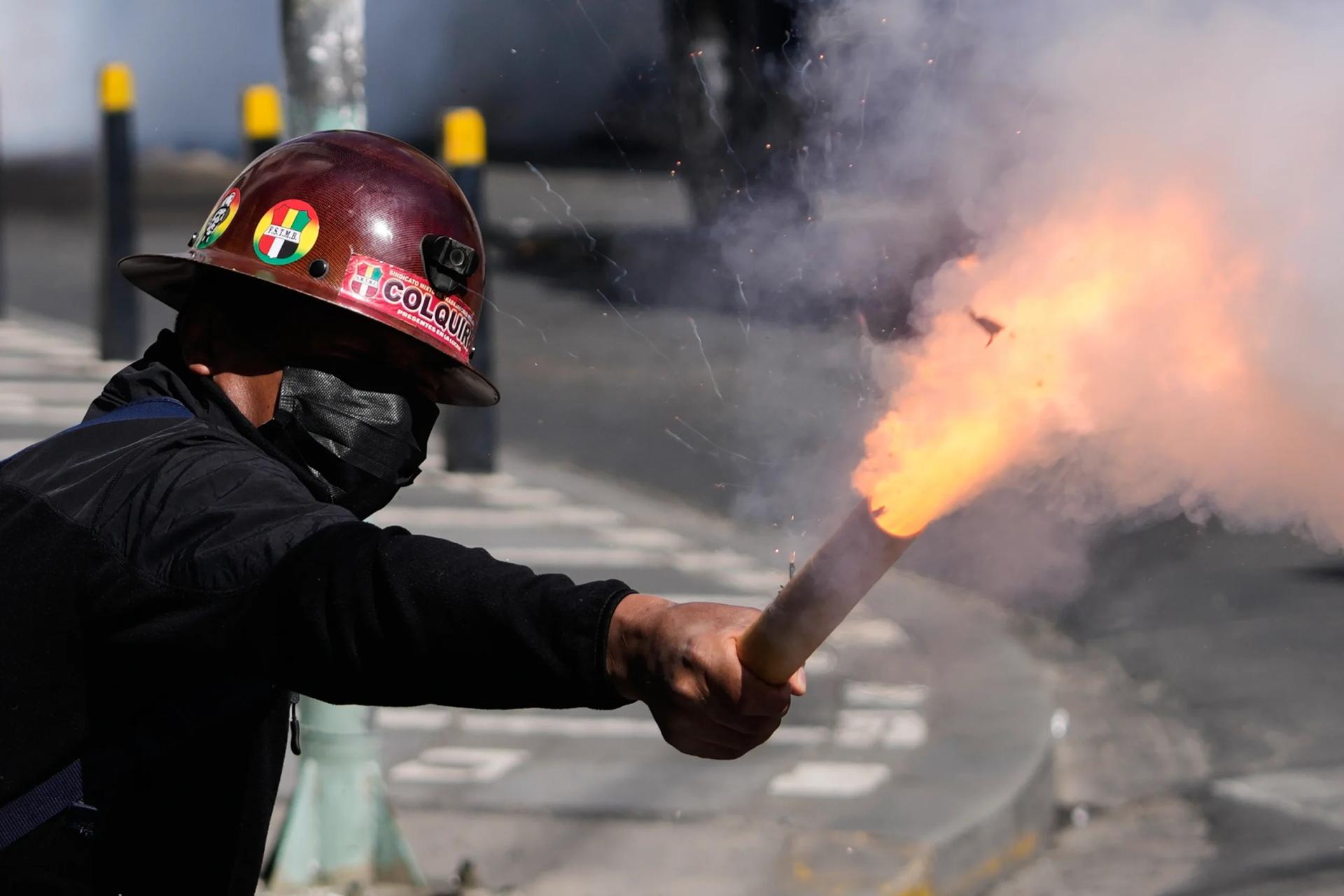
SÃO PAULO, Brazil – As Bolivia faces a major political crisis, with three weeks of protests in several cities and road blockades around the capital, La Paz, the country’s episcopate has offered to mediate talks between President Rodrigo Paz’s administration and the demonstrators. But the Church also faces a crisis of popularity in the current context.
Amid the worst economic crisis in the Andean nation in four decades, several social sectors, especially Indigenous peasant groups from western Bolivia and various occupational groups – including teachers, drivers, and miners – have been demanding Paz’s resignation.
According to the federal government, there are at least 44 road blockade points across Bolivia. The department of La Paz has been isolated by land, with all routes into the region blocked by protesters. In the city, basic food items, medicines, and fuel are already running short.
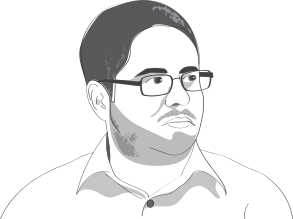
“It’s an outbreak of social unrest, much like the one that took place in 2003 [over the privatization of natural gas]. A number of social sectors have been expressing their dissatisfaction with Paz’s administration and presenting sectoral demands, which gradually converged into a call for his resignation,” sociologist Julio Cordova told Crux Now.
According to Cordova, Paz’s administration failed to address a series of social demands after he took office six months ago, leading to the current unrest.
One of the unpopular measures he adopted was ending the government’s long-standing fuel subsidies. As gasoline and diesel prices rose, everything became more expensive, especially affecting the urban and rural poor.
That happened in a country with an inflation rate now estimated at 15 percent.
“At the same time, people began to realize that the gasoline they were buying was of very poor quality, calling it gasolina basura [or ‘junk gasoline’],” Cordova explained.
Many families work in the transportation sector in cities like La Paz and neighboring El Alto. Seeing their vehicles damaged by the substandard fuel, they questioned the government, which has failed to provide any reasonable explanation so far, Cordova added.
To make matters worse, poor people noticed that while they were paying more for fuel and food, the government eliminated the tax on large fortunes.
Another source of frustration was the passage of an agrarian law that peasants perceived as favoring the sale of small properties to agribusiness interests.
“Probably most of the demonstrators voted for Paz, especially in the presidential runoff. But he forgot his promise of ‘capitalism for everybody’ and promoted a very right-wing agenda under pressure from the agribusiness sector in the Santa Cruz region,” Cordova said.
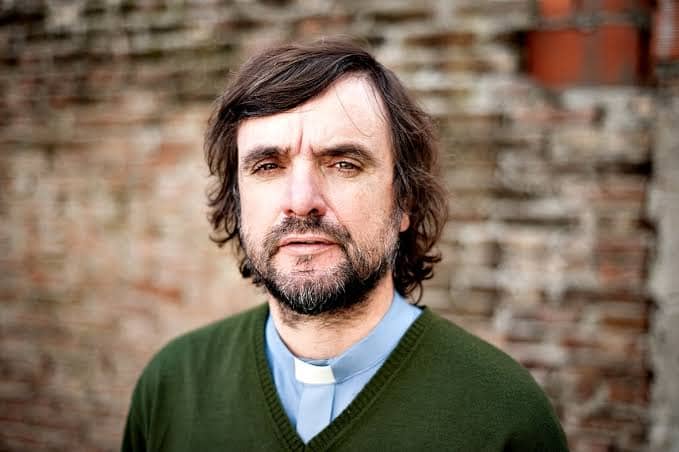
Father Guillermo Siles, who heads Radio Pius XII, said that Paz is seen by many as a weak leader, especially after his own vice president, Edmand Lara, broke with him and declared himself his opponent.
“He has no constituency. Earlier this year, there were elections for governors and mayors, and the candidates he endorsed failed to win,” Siles told Crux Now.
The Bolivian Church has been trying to call for peace and mediate a possible dialogue between the demonstrators and the government, but without success so far.
On May 11, Bishop Giovani Arana of the Diocese of El Alto released an open letter to the president and the protesters in which he called for a humanitarian pause.
“I make an urgent appeal to the national government and to the mobilized sectors to agree on a humanitarian pause that would allow the free passage of ambulances, food, fuel, and medicines, especially to the areas most in need, as well as the return of families and individuals to their places of residence,” the document read.
On May 19, Arana – who is secretary-general of the Bolivian Episcopal Conference – gave an interview to Radio Erbol in which he lamented the acts of violence reported the previous day during protests in La Paz.
“As for myself, I also engage in self-criticism as a member of the Church and ask: Where is everything we preach – the Gospel, love of neighbor, and forgiveness – actually falling? It truly hurts. It hurts deeply,” Arana said.
On May 20, the Church, together with Bolivia’s Ombudsman’s Office and human rights organizations, called on both Paz’s administration and the main protest organizers to set a date and begin talks.
“The problem with those statements from the Church is that nobody listens anymore. The Church’s influence is zero,” Siles said.
According to the priest, former President Evo Morales (2006-2019) managed to deeply discredit the episcopate, distancing Indigenous Aymara groups from the Church.
“He promoted political and trade union education and led Andean Indigenous people away from the Church. Until then, the Catholic Church had been one of the natural mediators during any crisis,” Siles explained.
Most of the current bishops, the priest added, are too cautious and fail to exercise a prophetic voice in times like these.
“That’s why, among many Indigenous groups, the Church has ceased to be a reference point,” he said.
Jorge Fernández, executive secretary of the education department of the Bolivian Episcopal Conference, told Crux Now that the Church has managed to forge closer ties with the social movements currently protesting, but that some of them hold “very rigid positions,” making dialogue with the government impossible.
“The Church will only mediate negotiations if both sides ask it to do so. That hasn’t happened yet,” Fernández said.
The episcopate is especially concerned about the lack of food, medicines, and even oxygen in La Paz and other cities due to the road blockades, Fernández added.
“Caritas La Paz has been running campaigns to help elderly care homes,” he said.
On May 20, President Paz announced that he would make changes to his cabinet in order to accommodate different social sectors, in an attempt to reduce tensions.
According to Julio Cordova, Paz’s resignation appears unlikely at this point, given that he continues to enjoy the support of the country’s most important economic sectors and the protests are not yet strong enough to force him out.
In fact, Paz is supported by U.S. President Donald Trump. Secretary of State Marco Rubio wrote on X on May 20 that “the United States stands squarely in support of Bolivia’s legitimate constitutional government” and will not allow “criminals and drug traffickers to overthrow democratically elected leaders.”
“But one important consequence of the protests is that there has been a clear split between Paz and the popular sectors that voted for him. He will emerge weakened, and his governability will suffer,” Cordova said.