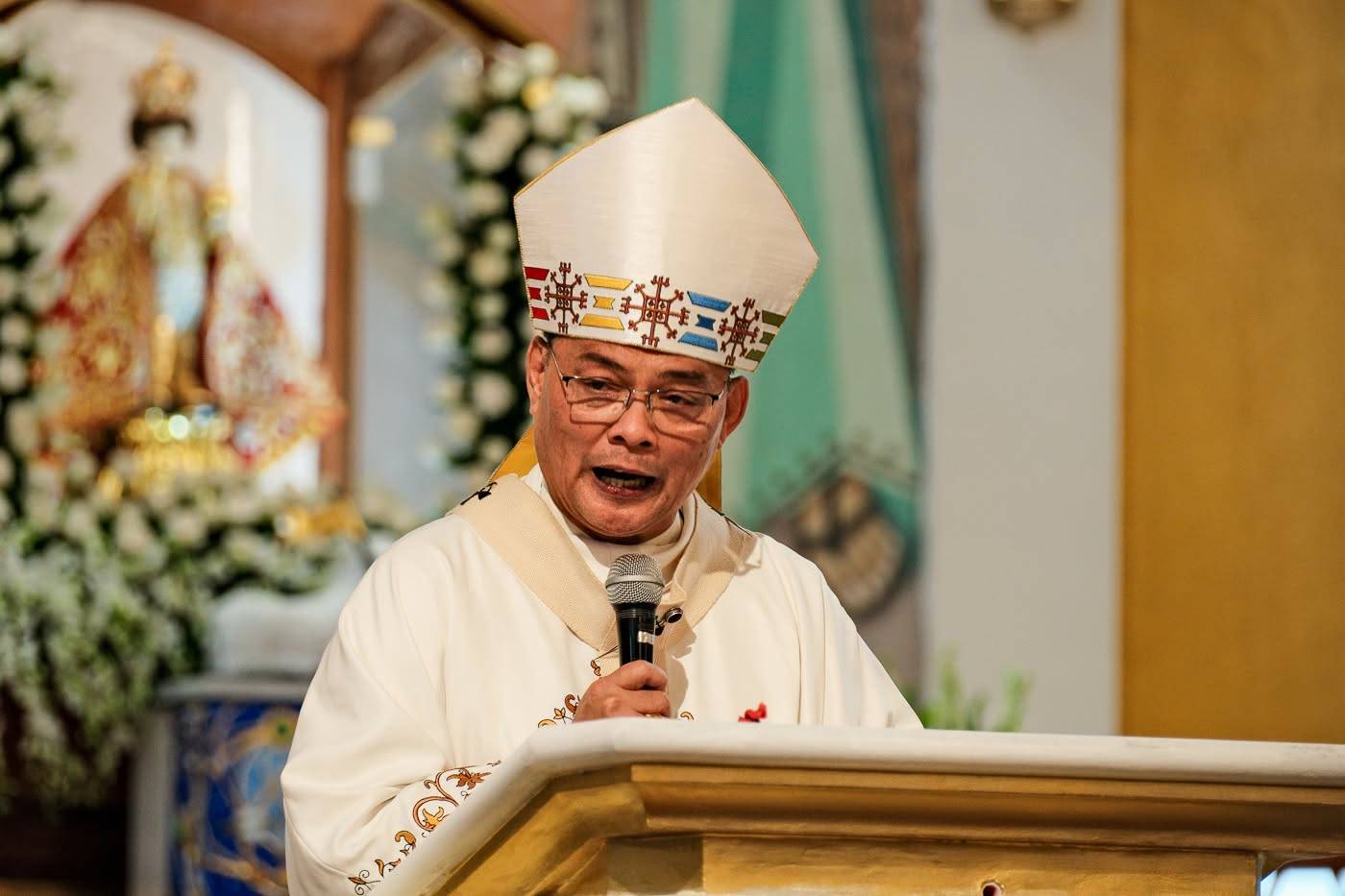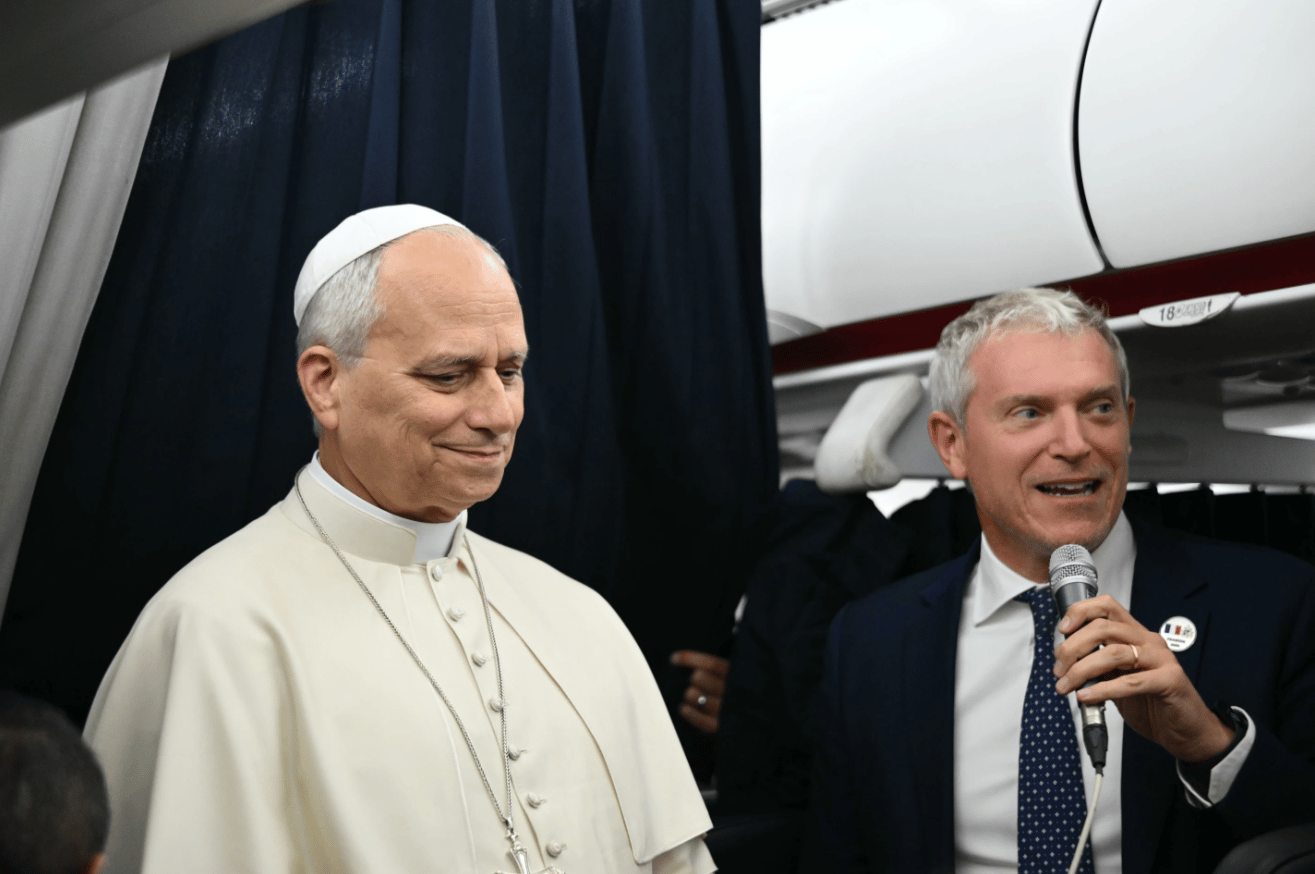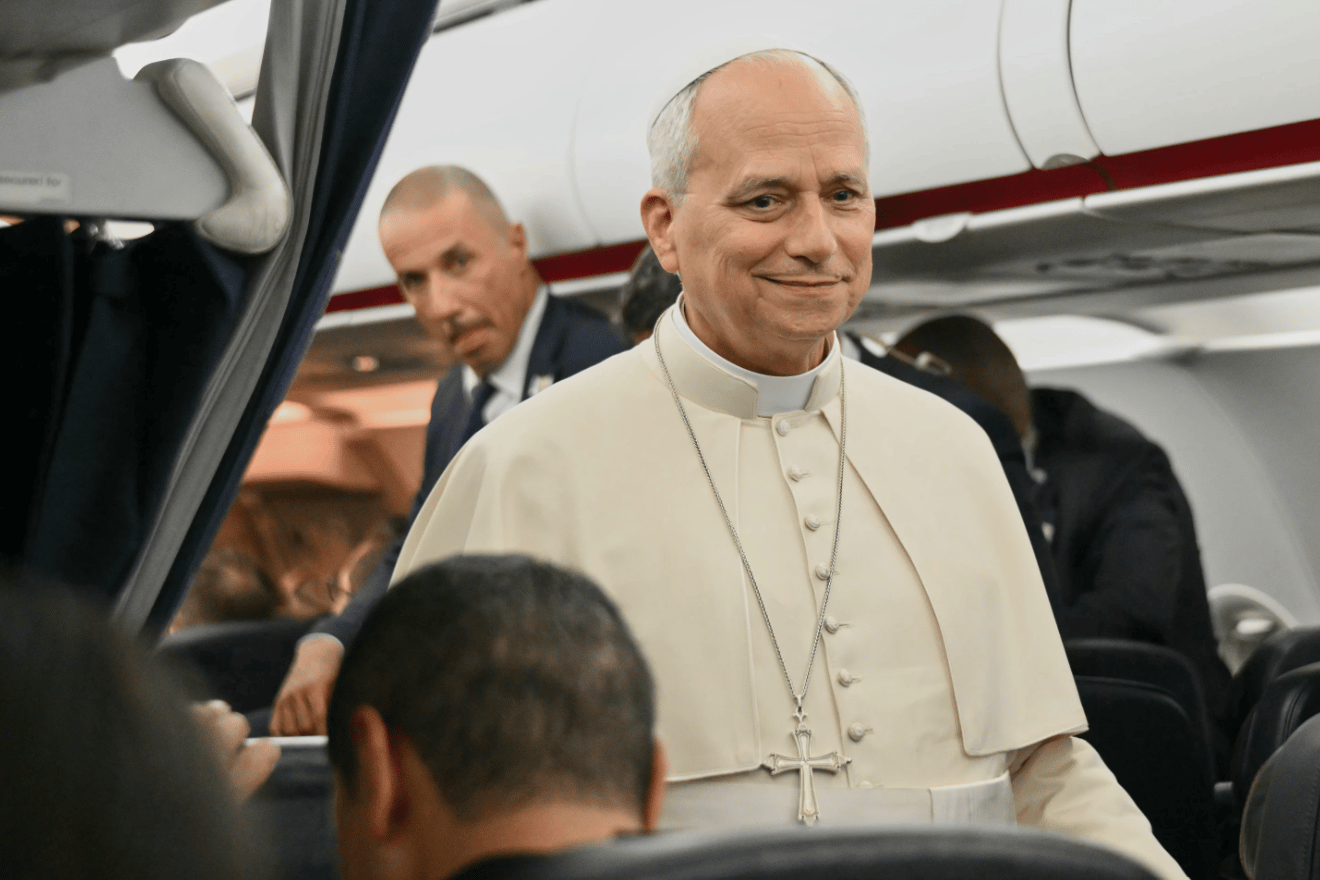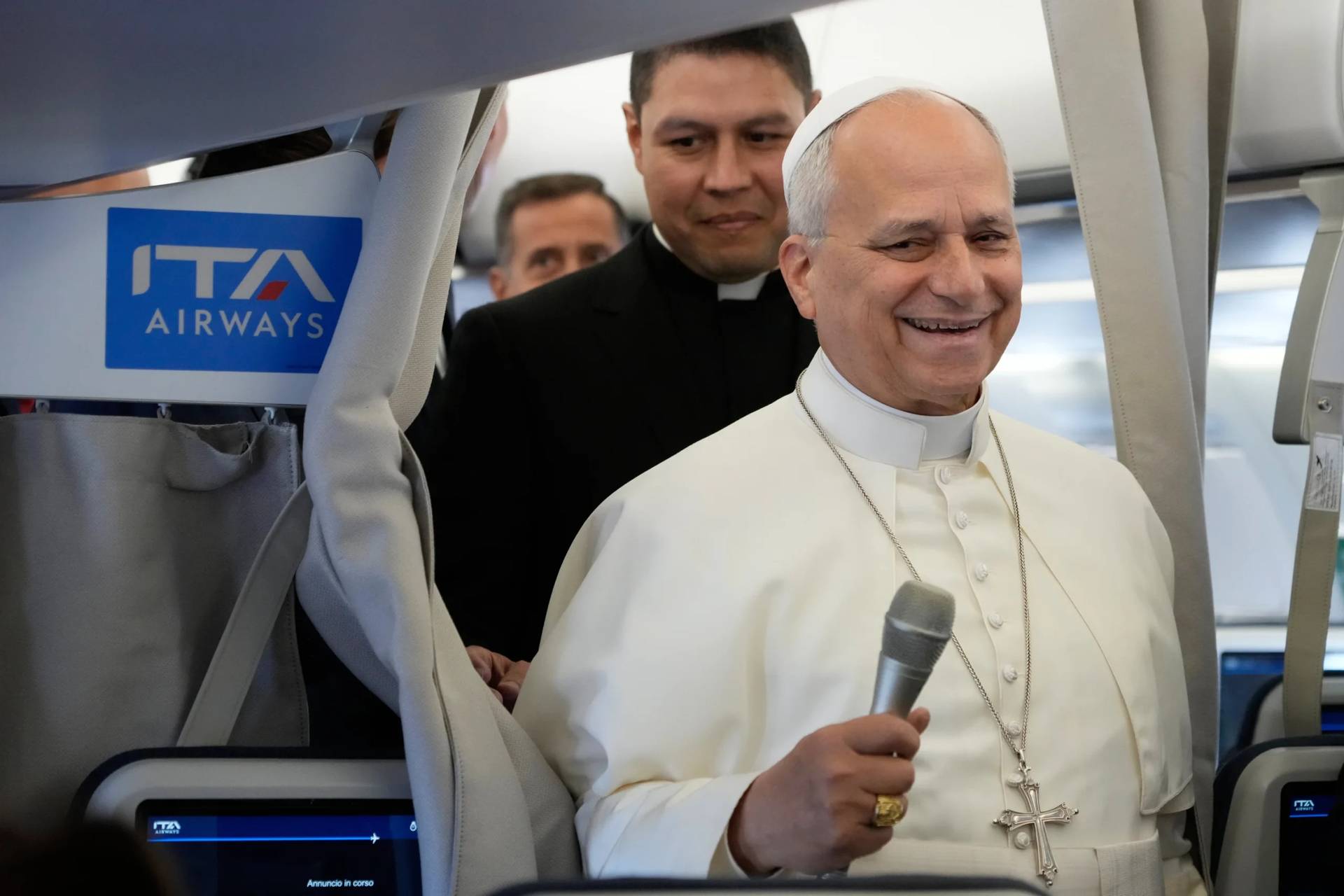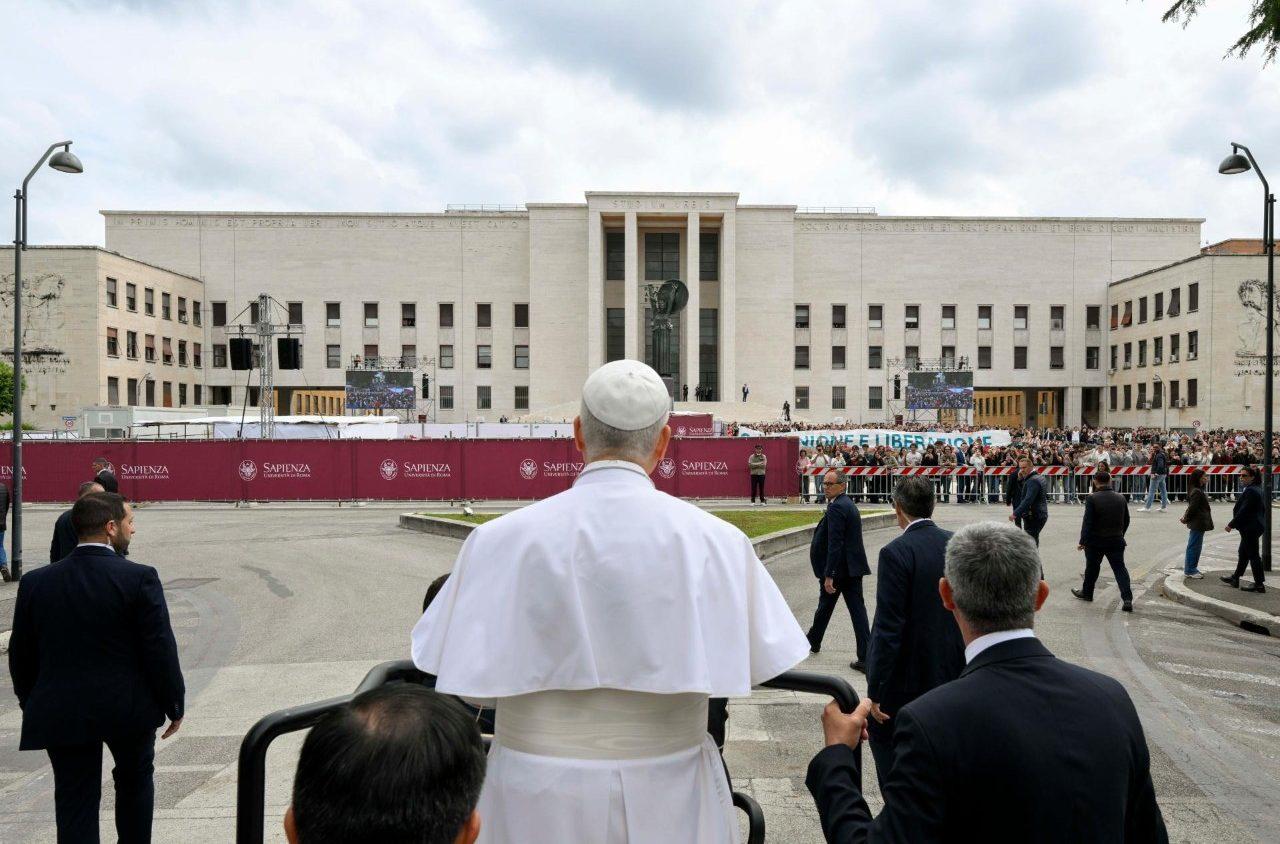
Many young people are sick with anxiety, Pope Leo XIV told students of Europe’s largest university on Thursday, saying there “are difficult seasons for everyone.”
The pontiff was visiting Rome’s La Sapienza University, which was founded in 1303 in what was then the Papal States, but nationalized after the Italian monarchy captured the city in 1870.
In 2008, Pope Benedict XVI canceled his scheduled visit to the university after students protested the proposal, claiming he was “anti-science.”
Pope Leo made no mention of the incident, which happened nearly two decades ago, but said he wished everyone to seek more opportunities to dialogue.
“You know that I am spiritually linked to St. Augustine, who was a restless young man: He also made serious mistakes, but nothing was lost of his passion for beauty and wisdom,” he told the students, referring to his membership in the Augustinian Order.
Speaking about the “sad face of anxiety” in the faces of young people, Leo said there are “difficult seasons” for everyone.
RELATED: Pope decries the rise of AI-directed warfare, saying it leads to a spiral of annihilation
“Some, however, may have the impression that they never end. Today this depends more and more on the blackmail of expectations and the pressure of performance,” he said.
“It is the pervasive lie of a distorted system, which reduces people to numbers, exasperating competitiveness and abandoning us to spirals of anxiety. It is precisely this spiritual malaise of many young people that reminds us that we are not the sum of what we have, nor a casually assembled matter of a mute cosmos,” he added.
“We are a desire,” said the pope, “not an algorithm!”
The pope claimed that to you young people, this malaise asks: “Who are you?”
“Being ourselves, in fact, is the characteristic commitment of the life of every man and woman. ‘Who are you?’ is the question we ask each other; the question that we silently ask God; the question that only we can answer, for ourselves, but which we can never answer alone. We are our bonds, our language, our culture: All the more so, it is vital that the university years are the time of great encounters,” Leo said.
“Therefore, to those who are more adult, youthful malaise asks: ‘What world are we leaving?’ A world unfortunately crippled by wars and words of war. It is a pollution of reason, which from the geopolitical level invades every social relationship,” he continued.
“The simplification that builds enemies must therefore be corrected, especially in universities, with care for complexity and the wise exercise of memory,” the pope said.
“In particular, the drama of the twentieth century should not be forgotten,” he said.
“The cry ‘never again war!’ of my Predecessors, so consonant with the repudiation of war enshrined in the Italian Constitution, spurs us to a spiritual alliance with the sense of justice that dwells in the hearts of young people,” Leo said, “with their vocation not to close themselves between ideologies and national borders.”
Pope Leo said he lamented the enormous expansion of military spending in the world over the past year, and in particular in Europe.
“Do not call ‘defense’ a rearmament that increases tensions and insecurity, impoverishes investments in education and health, belies trust in diplomacy, enriches elites who care nothing about the common good,” he told the students.
“It is also necessary to monitor the development and application of artificial intelligence in the military and civilian spheres, so that they do not de-responsibility human choices and do not worsen the tragic nature of conflicts,” he said.
RELATED: New US policy on AI threatens industry disruption, puts US at loggerheads with Holy See
Pope Leo said what is happening in Ukraine, Gaza and the Palestinian territories, Lebanon, and Iran “describes the inhuman evolution of the relationship between war and new technologies in a spiral of annihilation.”
The pontiff also spoke about the concerns facing the economy, and noted it has been a decade since Pope Francis wrote Laudato Si’, his encyclical on the issue, and “the situation does not seem to have improved.”
“In this scenario,” the pope told them, “I encourage you above all, dear young people, not to give in to resignation, but instead to transform restlessness into prophecy.”
“Especially those who believe know that history does not fall without escape into the hands of death, but is always guarded, whatever happens, by a God who creates life from nothing, who gives without taking, who shares without consuming,” the pope said.
“Today, it is precisely the implosion of a possessive and consumerist paradigm that frees the field for the new that is already sprouting: study, cultivate, guard justice!” Leo said.
He said it takes all their “intelligence and boldness” to properly take care of the Earth.
“It is necessary to move from hermeneutics to action: so little considered by a society with fewer and fewer children, you bear witness that humanity is capable of the future, when it builds it with wisdom,” the pope said.