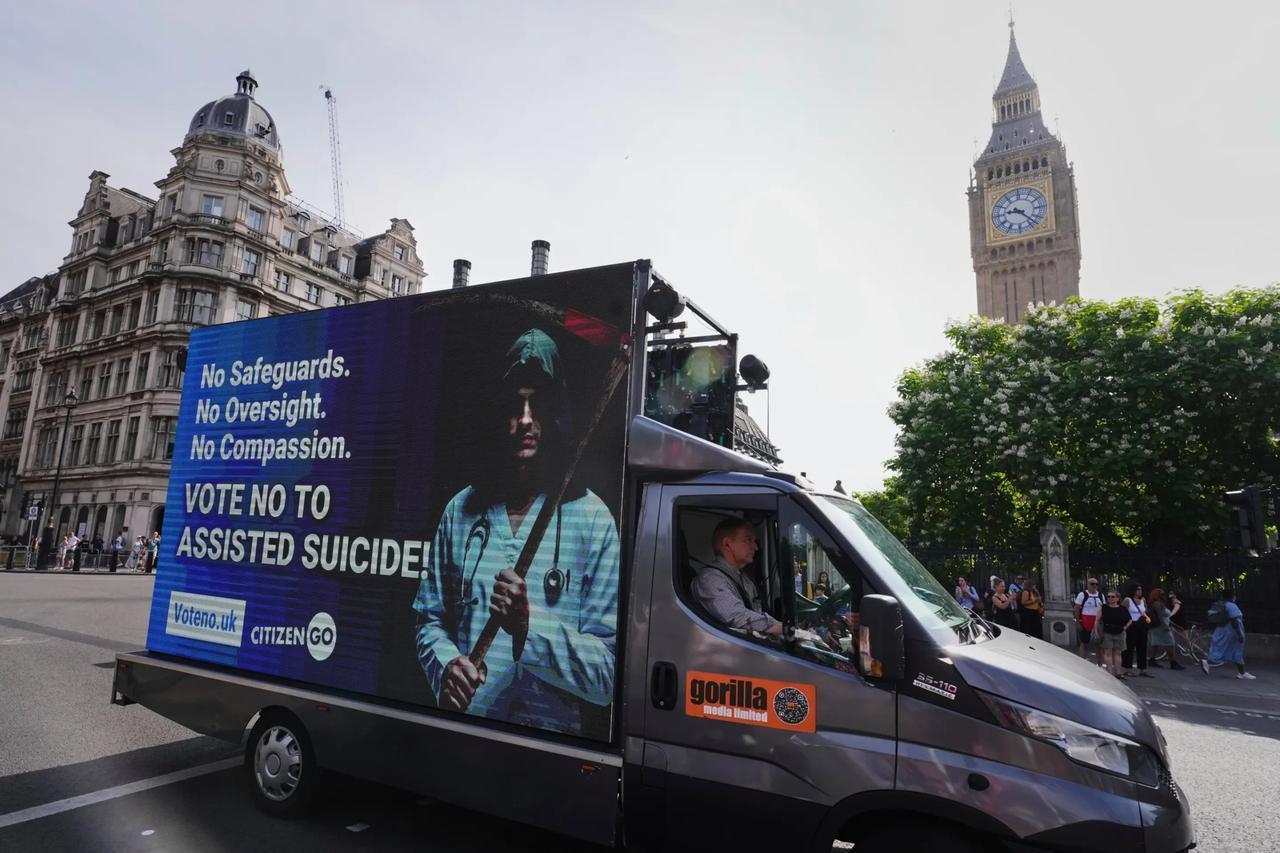
Another Catholic bishop has spoken against the latest push to legalize assisted suicide in the UK, as a mid-September vote on the proposed legislation looms.
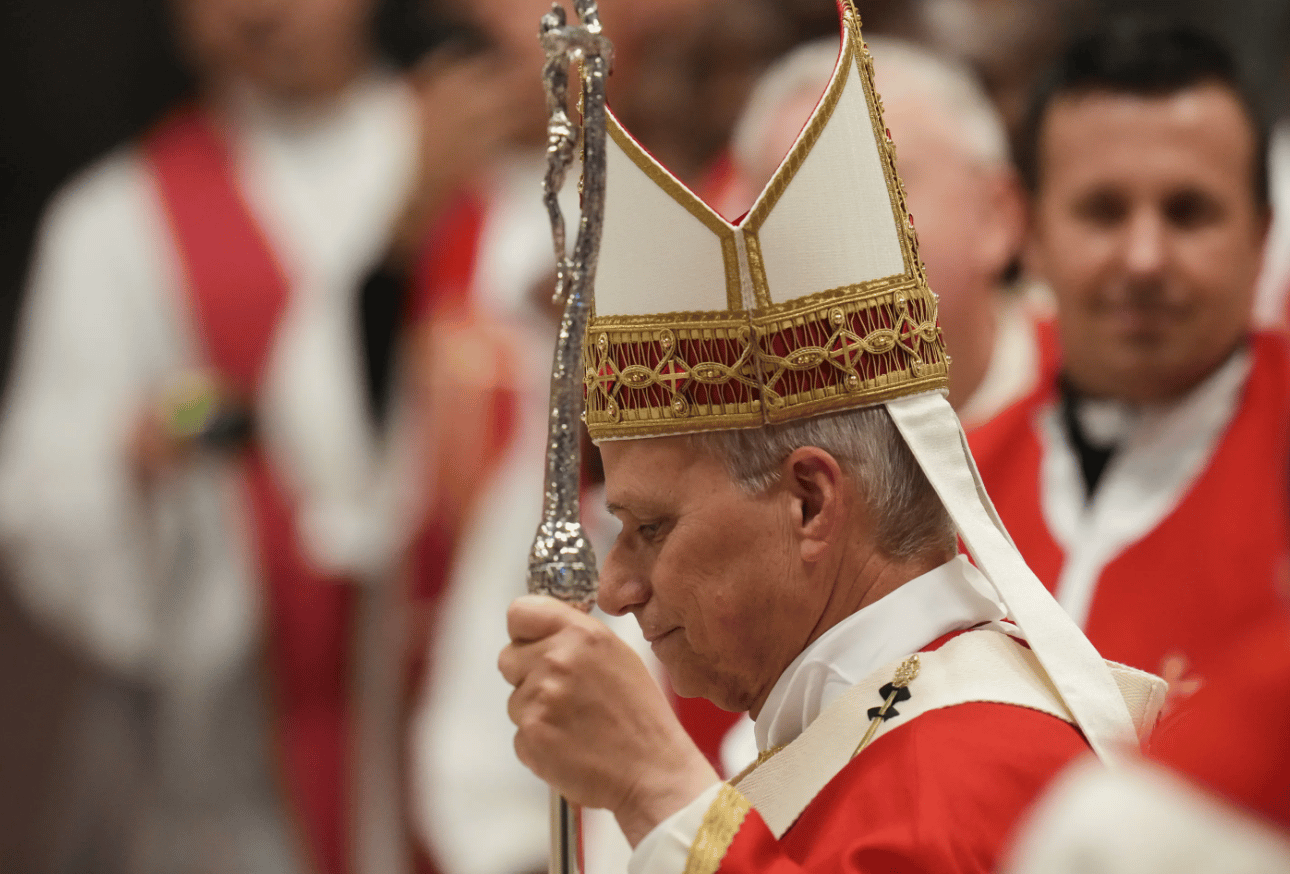
Bishop Thomas Menezes said the legislation threatens the lives of the vulnerable, including those with disabilities.
“[W]e think of assisted dying as to do with elderly people,” Menezes said, “but it’s not just that.”
“People are already making quality judgments about a potential disability of an unborn child,” he noted, saying also that his pastoral experience has shown him how disabled persons keenly feel their own vulnerability in this moment.
He urged Catholics to contact legislators especially on behalf of those who are vulnerable, to raise these concerns and ask them to oppose the proposed legislation, which the conference described as “dangerous” and “a direct threat to the dignity of life” that “risks placing vulnerable people under pressure to end their life prematurely.”
Menezes, an auxiliary bishop for the Archdiocese of Birmingham, made his statement in an audio message published Monday and carried on the website of the Catholic Bishops’ Conference of England and Wales.
Menezes described visiting a local hospital to support the dying and their families.
“It was a privilege to be with those people, all of them end-of-life patients, and their families, at very precious moments,” he said, describing also his sense “that they would not have wanted a single one of those last moments of life for their loved one take taken away.”
Bishop James Curry, auxiliary bishop for the diocese of Westminster, also recently voiced his opposition to the bill.
“We want to have a society that assumes that we care for people and accompany them rather than treat them as a burden,” Curry said.
“Nobody wants to see a person suffer,” Curry also said, “but surely with the advances in medical care, we can allow someone to die with dignity – being accompanied, without pain.”
British Prime Minister Andy Burnham recently said palliative and social care needed to be fixed before the debate over assisted suicide took place again, remarks widely construed as a major blow to the assisted suicide movement.
“I take the view that that debate – and I don’t say that there shouldn’t be a debate at some point about those issues – personally, I think there’s something that needs to happen first,” Burnham said.
“That is the fixing of the funding of palliative care and social care,” he added.
The Terminally Ill Adults (End of Life) Bill is set to have its second reading on Sept. 11 in the House of Commons, after it was reintroduced by Labour MP Lauren Edwards in June.
A nearly identical bill already passed the final stage in the House of Commons in June 2025 but timed out in April this year after there were over 1200 amendments introduced in the House of Lords.
However, due to two Parliament Acts, if the bill passes the House of Commons again, the House of Lords will be unable to prevent it becoming law.
Advocates for people with disabilities have long campaigned against assisted suicide and a group recently wrote to Burnham, asking him to prioritize improving social and palliative care.
The Assist Us To Live group said people are being “failed by society” and “introducing assisted dying in these circumstances will put sick and disabled people’s lives at risk.”
The UK’s regulator, the Equality and Human Rights Commission, said the assisted suicide legislation is “likely to have particular impacts on people with certain protected characteristics, especially older and disabled people.”
______
You are reading this Crux Now article for free. You can register for our free daily newsletter here, and you can become a Crux Now supporter for full access to all our premium content here. To find out more about why becoming a Crux Now supporter is a great idea, go here.