SÃO PAULO, Brazil – During a 10-hour raid on the Colombian town of Buenos Aires, near Cali, guerrillas machine-gunned public buildings, attacked police and forced the local vicar to relay their messages through the church’s sound system on December 16.
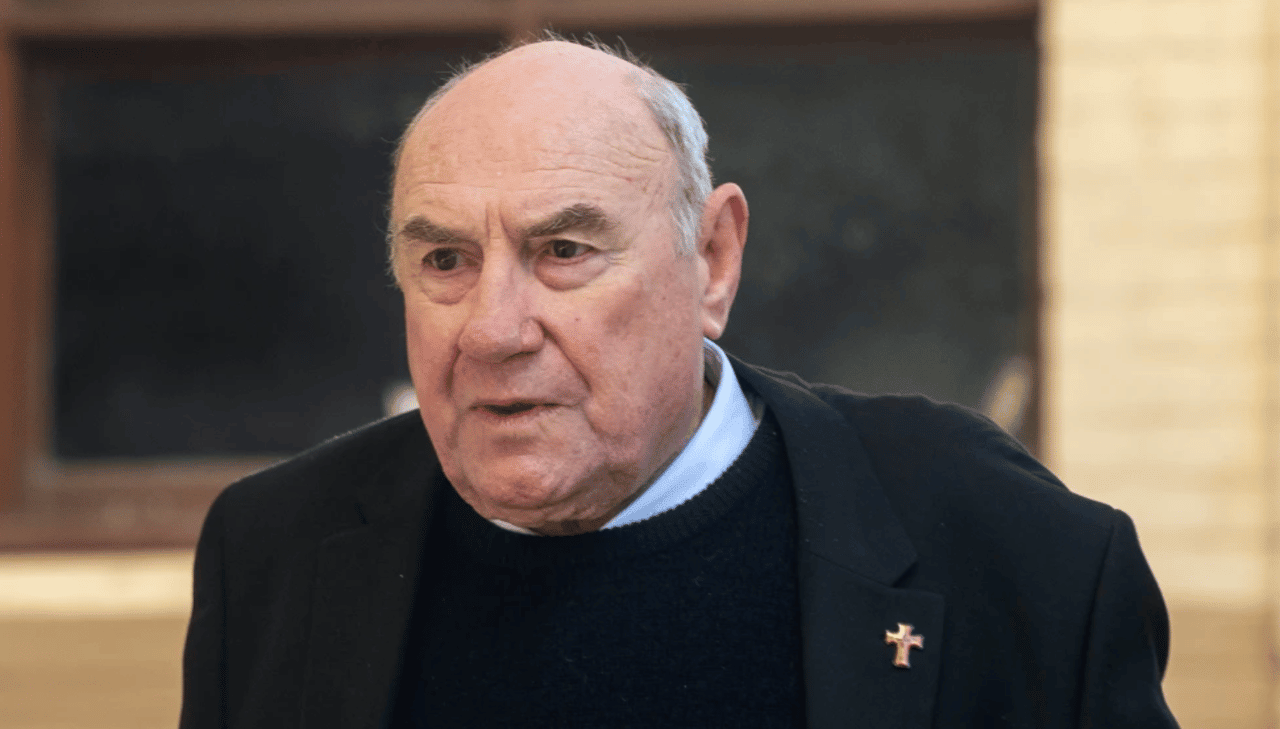
In one of the most dramatic moments of the assault waged by the Jaime Martínez Front, a dissident group of the Revolutionary Armed Forces of Colombia (FARC), Father Winston Chávez was taken at gunpoint by the men and was forced to tell the police to surrender.
The city, located 38 miles away from Cali, has around 36,000 residents and a rather small presence of the State. When the guerrillas arrived, there were only 17 members of the local police in charge of the whole area.
Wearing military uniforms, the gunmen blocked the only road to the city and easily got hold of it. Frightened residents fled into their homes and lay on the floor to avoid the gunfire, but guerrillas broke into some houses and used them as temporary bases.
According to mayor Pablo César Peña, who gave an interview about the incident to Blu Radio, bombs were positioned by the attackers on the local streets, in order to prevent police reinforcements from moving. Eight officers were injured, two of them seriously wounded.
Archbishop Omar Sánchez of the Diocese of Popayán told the local press that he was able to contact Chávez shortly after the incident, when communications were temporarily reestablished.
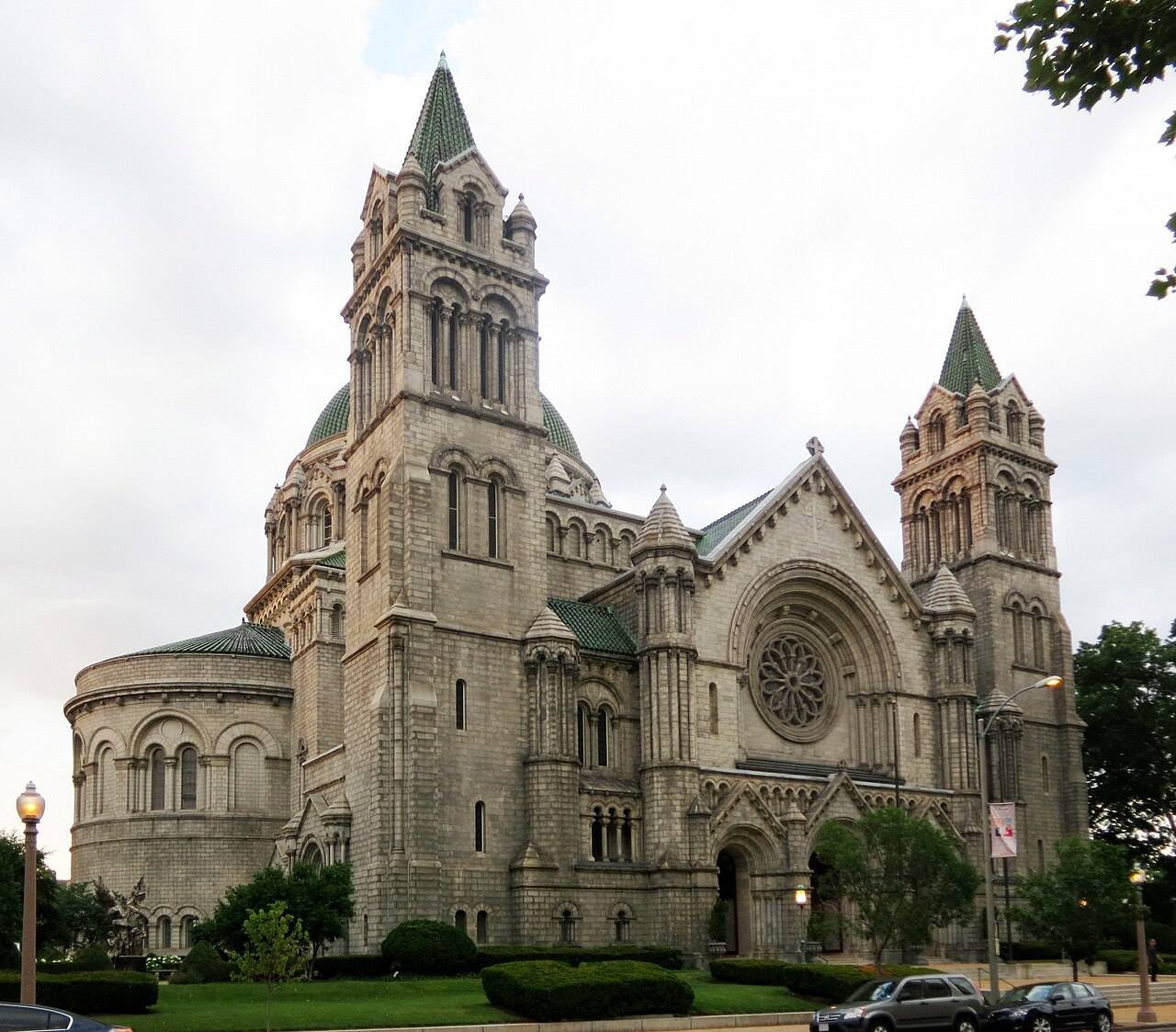
Chávez reported to Sánchez that a few guerrillas invaded the rectory of the St. Michael the Archangel parish. At some point, they realized the church’s external sound system – normally used on feast days, especially in December – could be used to communicate with the police. According to Sánchez, one of the goals of such invasions is to obtain guns from the police.
At gunpoint and amid heavy gunfire, Chávez had to comply with the guerrillas and transmitted their messages to the policemen. The archbishop said he refused to go to the police station in person, as the armed men later asked him to do.
Sánchez not only intended to inform the public – especially Catholics – about the events of that day, but also to make clear to those attacking the priest for complying s that he had no chance of resisting the guerrillas.
After the news on the attack was released by the press, many people on social media questioned the priest’s behavior, saying that he should have refused to relay the guerrillas’ messages.
“Those are heartless people. An armed conflict was happening. I’m sure the priest was threatened. He wouldn’t say those things without a serious threat,” a former parishioner of Chávez told Crux. The person asked to remain anonymous for safety reasons.
Chávez was a vicar for some time in the town where that person lives. The former parishioner had contact with him for around two years. Many members of the community still talk to him by phone or social media.
“A friend of ours managed to talk to him shortly after the attack. He just said that they were alive. After that, nobody could speak to him again,” the person said.
According to people connected with the archdiocese, communications in Buenos Aires have been on and off since the invasion.
The former parishioner described Chávez as somebody “very responsible and committed to his mission as a priest.”
“He marked our parish. He was always ready to listen to our problems and to help us. It infuriates me to know that some people have been saying that he could be involved in the guerrilla,” the former parishioner said. He would intervene to curb the attack if he could, the person added.
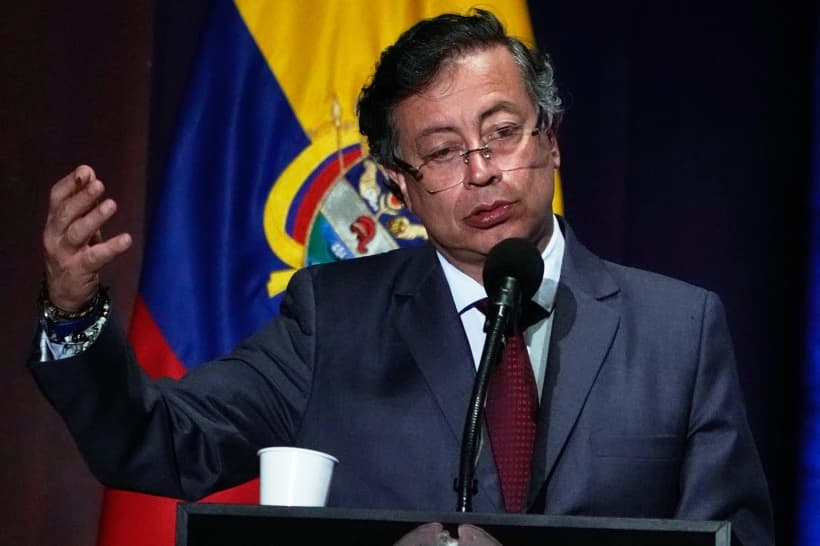
According to Father Hector Henao, a long-time peace negotiator who is representing the Colombian episcopate in the talks between President Gustavo Petro’s administration and armed groups, the situation in the Southwestern region of the country has been more and more complex.
“There have been numerous raids that have impacted both the civil population and the State’s Armed Forces,” he told Crux.
It’s a particularly sensitive zone, with its Pacific coast and borders with neighboring countries, Henao said.
“The Church has been working very actively in coordination with national and international organizations in order to find solutions and alternatives. The Episcopate has always been concerned with that region,” he added.
Not only dissident groups of the FARC – which demobilized after a peace agreement in 2016 – are active in the region, but also the National Liberation Army (ELN) and drug mafias.