SÃO PAULO, Brazil – The U.S. invasion of Venezuela, which resulted in the seizure of then-President Nicolás Maduro and his wife, prompted the episcopal conferences of many Latin American countries to send letters of solidarity to the Venezuelan Church and people.
Since Jan. 3, when dozens of US aircraft broke into the Venezuelan airspace, bombed military targets and abducted Maduro and his wife, Cilia, at least nine Bishops’ Conferences manifested their fraternity with the Venezuelans, besides a number of Latin American Church organizations.
That was the case of the Bolivian episcopate, which released on the same day a letter titled Hope doesn’t disappoint.
The bishops began their letter expressing their fraternity and solidarity with the Venezuelan episcopate.
“We repudiate all excessive use of violence and trust that, with God’s help, the way of dialogue, justice, peace, and respect of human dignity will be found and that the suffering of so many families finds solace in Christian hope,” the document read.
On the next day, Archbishop José Domingo Ulloa of Panama City said in his homily that “Venezuela is not alone.”
“We firmly believe that God never abandons His people. The last word does not belong to violence or fear, but to life, truth, and peace that flow from him,” he said, praying for all Venezuelan families.
On the next day, the Panamanian bishops sent a message to Venezuela’s Church with a similar concern. Panama’s episcopate recalled the large Venezuelan community living in the Central American nation.
On Jan. 5, Chile’s episcopate called all Christian communities in the South American nation to dedicate a day of prayers to the “complex Venezuelan situation.”
The bishops emphasized their closeness especially with the large Venezuelan community in Chile, which has reached almost 700,000 people.
Also on Jan. 5, the Costa Rican bishops released a letter to the Venezuelan episcopate mentioning the words of Pope Leo XIV, who said that Venezuela’s sovereignty must be ensured, as well as “the rule of law enshrined in the Constitution,” and the “human and civil rights of everybody.”
The very same words of the pontiff were mentioned by the Argentine episcopate, which sent a letter to Archbishop Jesús González de Zárate of Valencia, who heads the Venezuelan episcopal conference, on Jan. 6.
The Brazilian Bishops’ Conference, headed by Cardinal Jaime Spengler – who also heads the Latin American and Caribbean Episcopal Council (CELAM) – sent a message to the Venezuelan Church in which it “renovates the hope in the strength of the Gospel of unarmed and disarming peace.”
“We reaffirm, with conviction, that sincere dialogue, illuminated by truth, by justice, by respect for the dignity of the human person and for the sovereignty of nations is the only way capable of promoting common good, strengthening democracy and building a social coexistence marked by reconciliation and lasting peace,” the Brazilian bishops said.
Messages of solidarity and asking for peace and respect to the human rights of the Venezuelans also came from the Uruguayan bishops, from the Mexican bishops and from the Puerto Rican bishops.
Church organizations like the Pan-Amazon Ecclesial Network (REPAM) and the Ecclesial Conference of the Amazon (CEAMA), as well as the Justice and Peace Network of Patria Grande (Greater Homeland) and the Conference of Religious of Latin America, sent letters to Venezuela too.
CELAM also echoed Pope Leo XIV’s message in a letter.
“His call is clear and hopeful: to overcome all situations of violence, to respect the dignity of every person, to care for the poorest and to embark on paths of justice and peace, built from dialogue and truth,” CELAM’s message read.
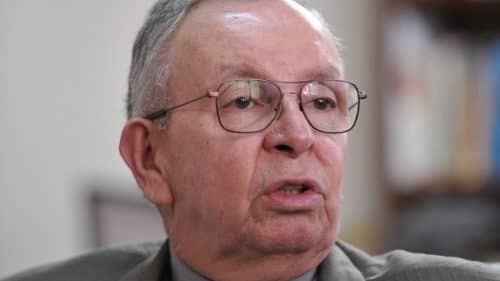
Bishop José Antônio da Conceição Ferreira of the Diocese of Puerto Cabello, who is also the Venezuelan Episcopal Conference’s Secretary General, told Crux that all those letters were received by the Venezuelan Church with gratitude in a moment of anguish.
“They’re an expression of the Church’s real communion. Not only the communion that exists in theology and ecclesial documents, but also one that appears in a moment of pain,” he said.
Ferreira said that each Latin American country has its own particularities, “but there’s a transversal axis connecting all of them, a history of political challenges, conflicts, and foreign intervention.”
“We all face situations of poverty and sociopolitical disputes. That’s why we’re able to understand each other so well, despite being different nations. It strengthens our fraternity,” he added.
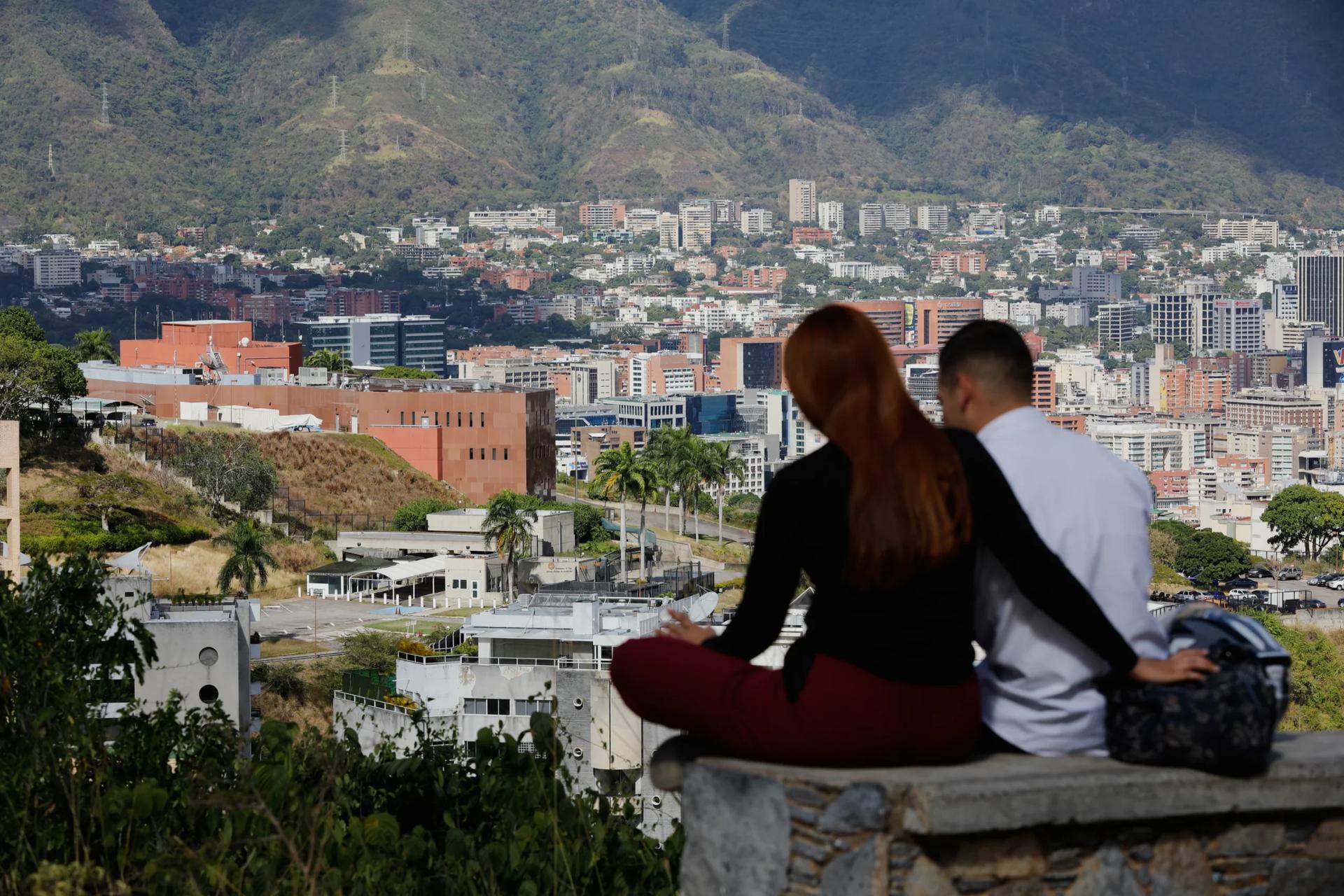
Ferreira described the situation in Puerto Cabello at this moment as “calm,” but he said that uncertainty is impacting many Venezuelans.
“Venezuelans want to move on with their lives. But we have many questions now. And the Church has to go on and indicate the Gospel’s light to the people, the one that never disappears,” he concluded.