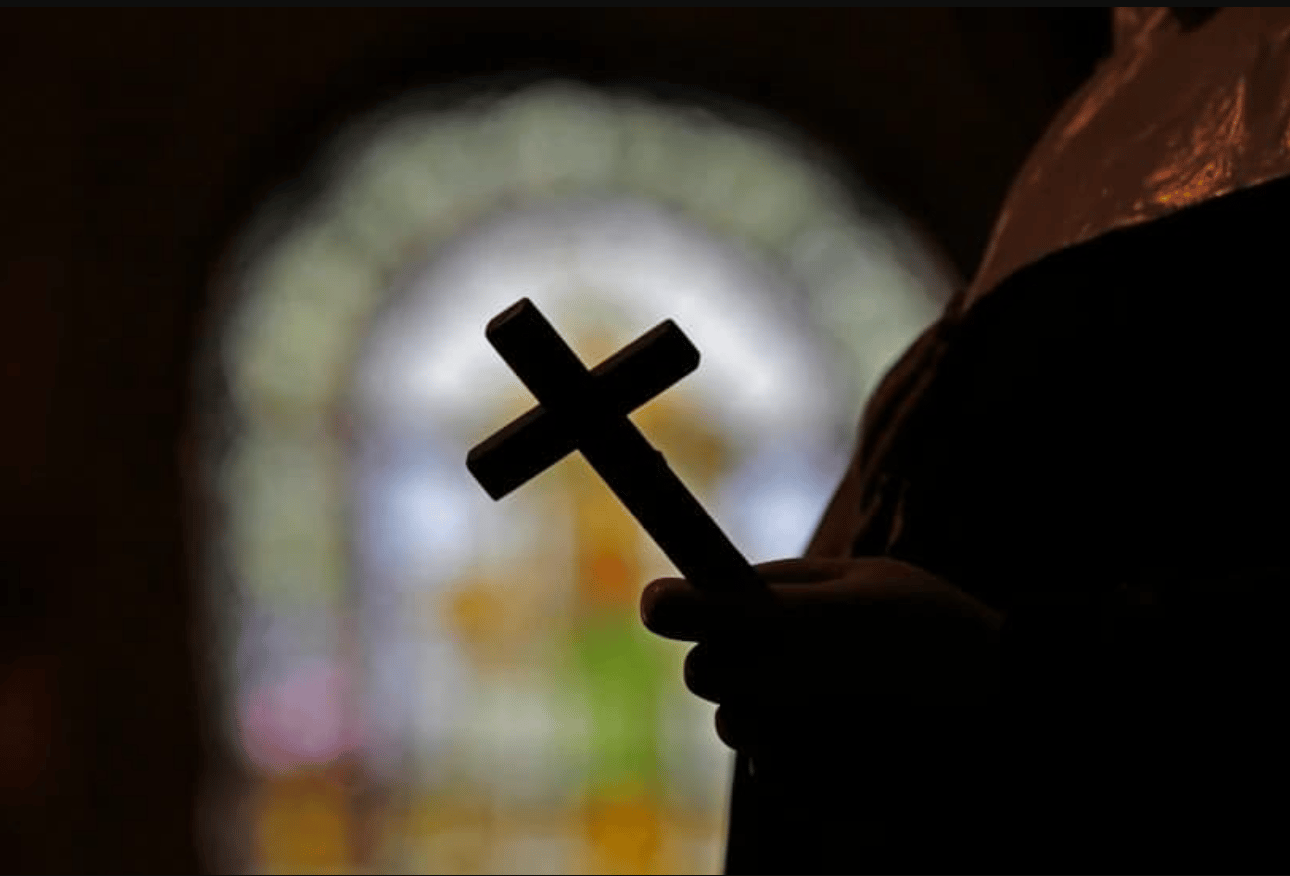
SÃO PAULO, Brazil – In a new attack on the Catholic Church, the Nicaraguan regime has forbidden the Diocese of León from promoting pastoral visits to the homes of lay people, informing ecclesial authorities that all activities must be carried out inside Church buildings.
The information was released last week by Nicaraguan lawyer Martha Patricia Molina, author of the report Nicaragua: A Persecuted Church, who has been documenting measures taken by the regime against Catholics in the Central American nation.
“On Jan. 17, a group of altar boys was allowed to carry out a door-to-door mission to bring the Gospel to the people. But as soon as authorities realized it was something positive, they banned it,” Molina told Crux.
Visits to the homes of lay Catholics are traditionally promoted by the Diocese of León, which encompasses the departments of Chinandega and León in western Nicaragua.
The city of El Viejo – home to the country’s most important shrine, the 17th-century Basilica of Our Lady of the Immaculate Conception of Mary of El Viejo – is part of the diocese.
“In other dioceses, repression takes different forms,” Molina said.
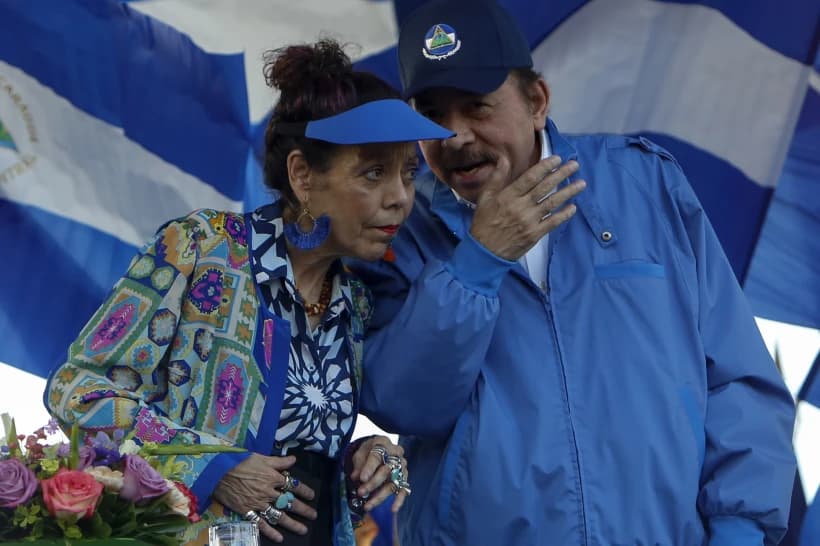
Over the past years, the government of President Daniel Ortega and his wife, Rosario Murillo, has fiercely persecuted the Church. According to Molina, it has become common to force nuns to leave the country due to surveillance and harassment, to ban the ordination of deacons, to order the shutdown of social media pages dedicated exclusively to evangelization, and to compel priests to pose smiling for pictures with police officers.
“On many occasions, policemen have entered retreats to interrupt them and speak about matters entirely unrelated to religion, using the priests’ own sound systems while the retreats were underway. I could go on and on listing these arbitrary abuses,” she said.
Since protests against a social security reform grew into massive demonstrations against Ortega in 2018, the regime has defined the Catholic Church as its primary enemy in Nicaragua.
Because some priests took part in protests and churches opened their doors to assist injured demonstrators, Ortega concluded that the Church was conspiring against him.
“The dictatorship does not fully control the Church – only a few bishops and priests collaborate with it,” Molina said.
According to Nicaraguan political analyst Enrique Sáenz, the Ortega-Murillo regime has taken on an increasingly pathological character in recent years, marked by visible paranoia and irrational measures.
“They feel threatened by many ghosts. One of them is linked to people gathering. The idea of people visiting one another and sharing a message terrifies Ortega and Murillo,” Sáenz told Crux.
A second key element, Sáenz said, is that not only the Catholic Church as an institution or hierarchy is being targeted, but people’s religious ideas itself.
“The totalitarian nature of the regime – this paranoid element and its obsession with clinging to power are part of it – leads to the absurd attempt to control the minds of the population,” he said.
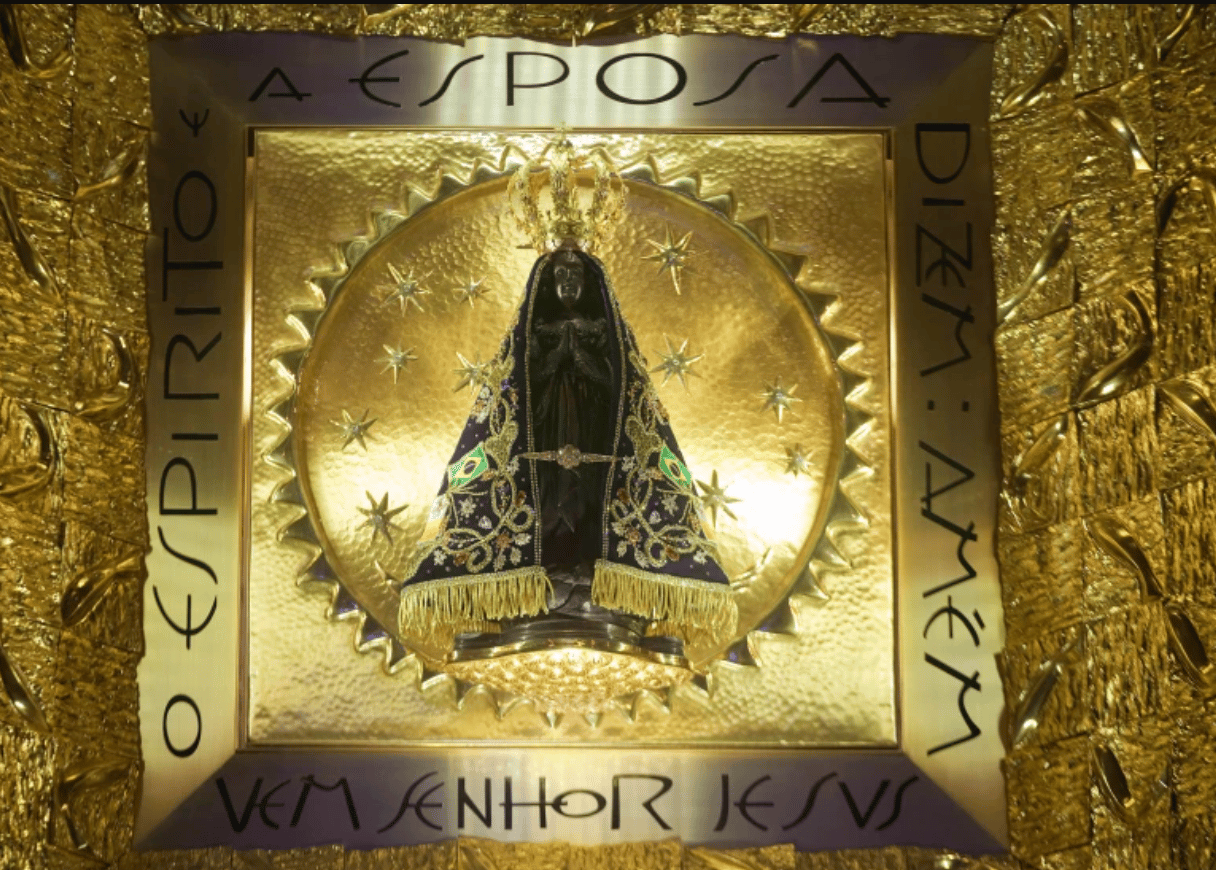
This helps explain why religious expressions deeply rooted in the Nicaraguan people’s conscience – such as the devotion to Our Lady of Fatima and a number of patronal feasts – are being suffocated.
“It also explains why authorities can even go so far as to confront a priest during a homily inside a church,” he added.
The Nicaraguan regime has sent contradictory signals since the Jan. 3 U.S. intervention in Venezuela and the seizure of then-President Nicolás Maduro.
On the one hand, Molina said, Catholic lay people have been detained and threatened for liking social media posts referring to the U.S. operation.
“Similar threats have been made during religious retreats,” she said.
On the other hand, a few dozen political prisoners have been released since Jan. 3, Sáenz noted.
“Ortega also spoke in a confusing manner last week about the need for national reconciliation, citing historical examples. That is highly unusual rhetoric for him,” he said.
In Sáenz’s view, the regime is closely monitoring developments in Venezuela and anticipating possible repercussions in Nicaragua.
“Despite the most recent prohibition imposed on the Church – which is clearly repressive –, it has not been accompanied by new arrests or additional measures. I believe they are being cautious,” he said.
Sáenz also noted that U.S. Secretary of State Marco Rubio participated, while still a senator, in efforts that led to the 2018 Nicaragua Investment Conditionality Act (NICA Act) and the 2021 Reinforcing Nicaragua’s Adherence to Conditions for Electoral Reform Act (Renacer Act), both aimed at exerting financial pressure over human rights violations by the Ortega-Murillo regime.
“Rubio has demonstrated deep knowledge of Nicaraguan reality. U.S. lawmakers are once again discussing Nicaragua and human rights. Further measures cannot be ruled out,” Sáenz said.