SÃO PAULO, Brazil – As Cuba faces its worst social crisis in decades, the Catholic Church has taken on the role of a central provider of humanitarian assistance on the island, channeling international donations and distributing relief to the neediest members of society.
At the same time, more and more Catholics have become outspoken critics of the regime, directly calling for change as the Cuban economy seems to collapse.
The current humanitarian emergency began in October 2025, when Hurricane Melissa struck eastern Cuba. Provinces such as Camagüey and Santiago de Cuba were among the hardest hit, with thousands of homes destroyed. At least 2 million Cubans were affected, and many are still living in public shelters.
In January, U.S. President Donald Trump threatened tariffs on nations that sell oil to Cuba, such as Mexico. Fuel shipments to the island were reduced, and power shortages became even more frequent.
The lack of oil led to temporary shutdowns of public services, a garbage collection crisis in Havana and other cities — trucks have been unable to operate without fuel — and the closure of numerous businesses.
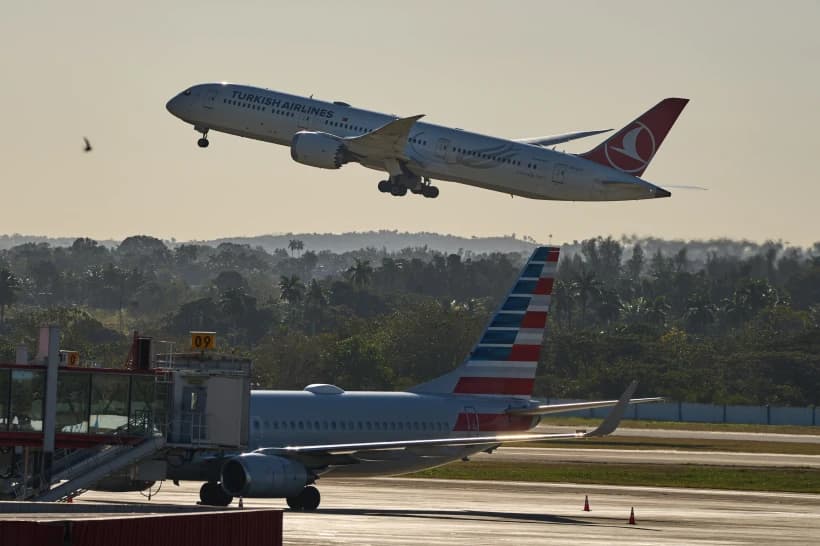
Food prices have since soared. Tourism has sharply declined, with companies such as Air Canada cutting flights to Cuba due to uncertainty over aircraft refueling. Many workers have been laid off.
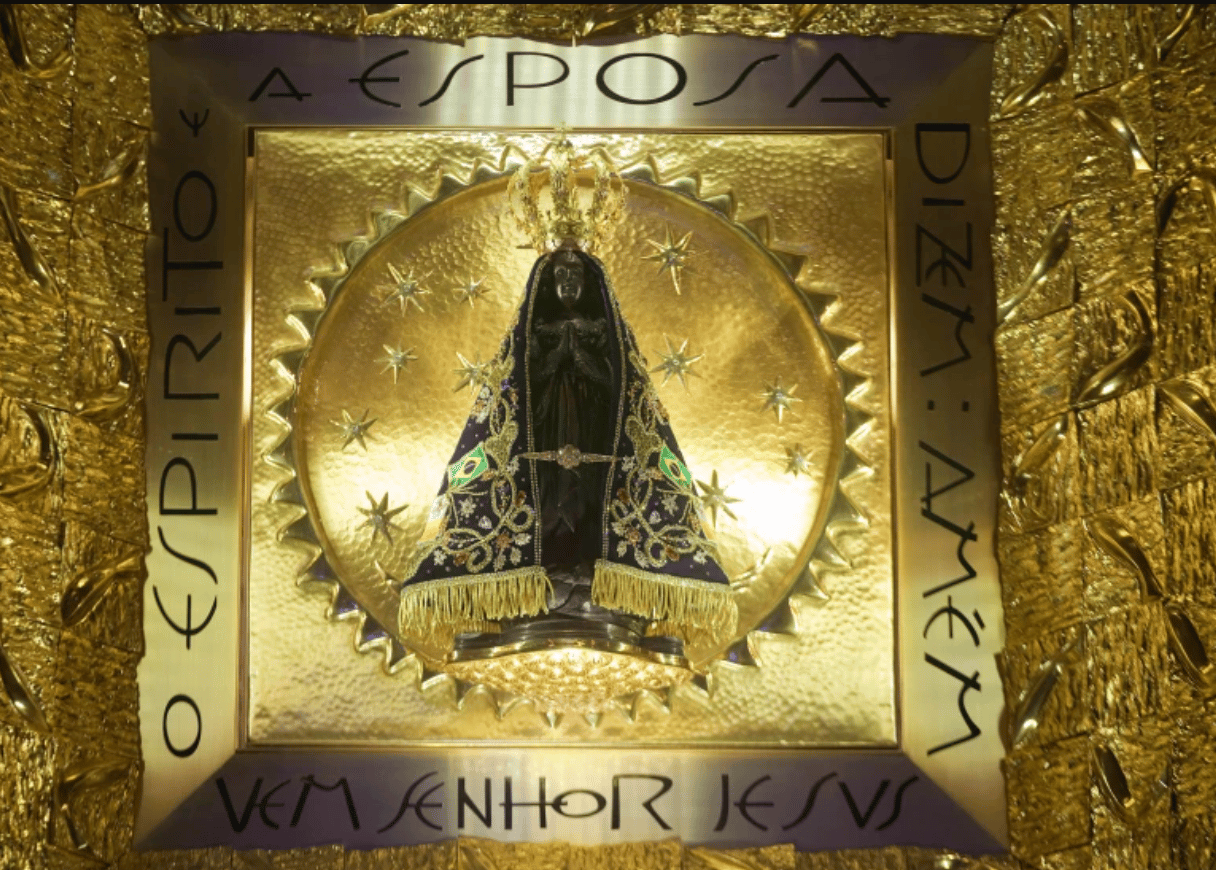
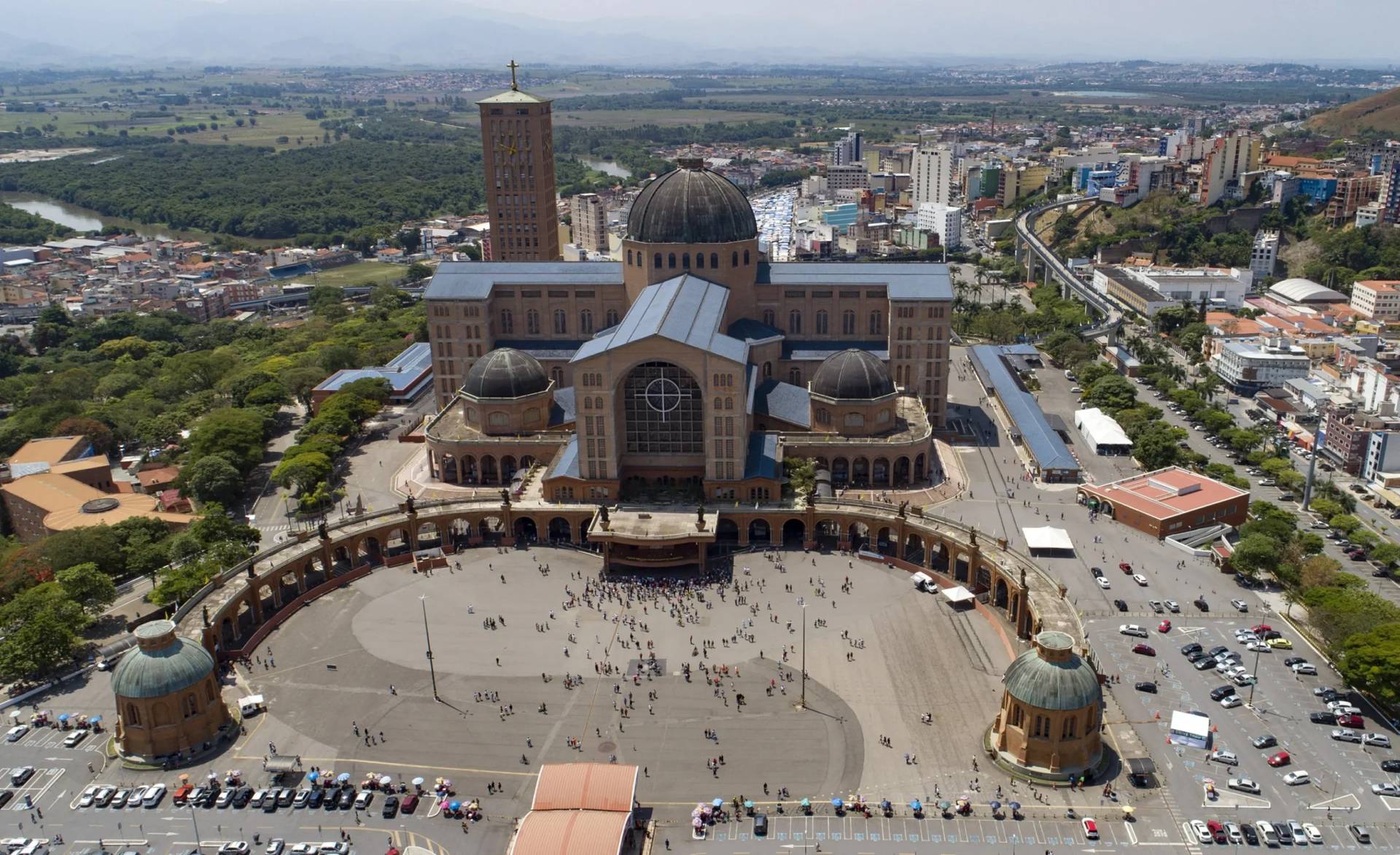
“The role of the Catholic Church is fundamental at this moment in channeling humanitarian aid to Cuba. Caritas, a well-organized structure at every level, has extensive experience working in humanitarian emergencies,” said Father Rogelio Deán, rector of the National Shrine of Our Lady of Charity of El Cobre, the patroness of Cuba, in Santiago de Cuba province.
Deán told Crux that the shrine includes a retreat house, a guesthouse and storage facilities, and therefore “serves as a central hub for the distribution of aid.”
“In our parish here in El Cobre, we have also undertaken many assistance projects,” he added.
Since January, the Archdiocese of Santiago de Cuba has served as a major logistical center for humanitarian relief operations on the island.
Part of the donations arriving from the United States — hundreds of food and hygiene kits intended to help the victims of Melissa — were delivered through the province’s airport and seaport.
“The aid we have received from the U.S. government has been entrusted to Caritas in Cuba,” Deán said.
Caritas conducted assessments to identify the neediest groups and began distributing the kits among dioceses and parishes. The degree of autonomy it has been allowed in carrying out this work is unusual on the communist-run island.
“Over time, a greater understanding has gradually been achieved in terms of working with the Cuban government. In other words, the government has come to better understand the Church’s humanitarian role, and the Church has gained broader acceptance and more space to operate,” Deán said.
He added that “there is still a road ahead and much dialogue remains to be done, but certainly the Cuban government has gradually come to understand the Church’s role.”
Other Church groups have also been working to provide relief. This is the case with the Dominican friars, who receive support from a Spain-based nongovernmental organization run by the order.
“Thanks to this support, we have been able to assist very vulnerable people in our communities,” Father Raisel Matanzas told Crux.
He said that during catastrophes, volunteers typically collect donations — especially nonperishable food, clothing and medicine — and send them to Caritas in Havana.
“The Church fosters solidarity among individuals and nations. It is a trustworthy institution and acts with transparency,” Matanzas added.
Perhaps because the Church has remained in close contact with the neediest, Catholics now seem particularly candid in their criticism of the government.
Archbishop Dionisio García Ibáñez of Santiago de Cuba, who serves as national president of Caritas, has openly lamented the state of affairs on the island in recent months.
During a homily in November 2025, García referred to the hardships Cubans were facing, including shortages of food and medicine, the spread of disease and the destruction caused by the hurricane.
“What sense does it make, as a people, to endure the hardships we are enduring? It makes no sense,” he said.
He has repeatedly led extended prayers for the Cuban people, mentioning famine, the healthcare crisis and prisoners awaited by their families.
Even more blunt has been Father Alberto Reyes, a well-known critic of the Cuban regime who writes a social media column titled “I Have Been Thinking.” On Feb. 22, he argued that Cubans should accept a U.S. intervention in their country.
“For many years now, the people of Cuba have not identified with the Cuban government. […] We are a people held hostage, subjugated and bound by those who wield power,” Reyes wrote.
The priest argued that portraying U.S. voices calling for freedom for the Cuban people as “interference in sovereignty” is misguided.
“In fact, this would be precisely the moment to support the proposal of the U.S. and to show that nations that proclaim themselves democratic have the decency and the courage to defend the freedom and true sovereignty of ordinary people — those whom their own governments have turned into hostages,” he said.
U.S. intervention in the island’s politics would represent “the help of someone stronger,” Reyes reasoned, without which “all that remains for us is to sink deeper and deeper, to die and to watch our children die.”
Such sentiments appear to be growing among Catholic Cubans. Jorge López, a sacristan at Saint Joseph parish in the town of Jobabo, in Las Tunas province, told Crux that he took part in distributing food to victims of Melissa in Santiago de Cuba. The government, he said, did nothing to help the people.
“The Church has been excellent in providing aid. If it depended on the government, it would divert the donations and sell them in shops,” he said.
López said he lives in extreme poverty and opposes the Cuban regime.
“I am no longer interested in the Cuban government at all,” he said.
In Matanzas’s view, the outspokenness of some Catholics could be seen as a form of “prophetic witness.”
“In every age and at all times, God raises up prophets among His people who make His word present, proclaim the Good News and denounce the evil that may oppress the people,” he said.