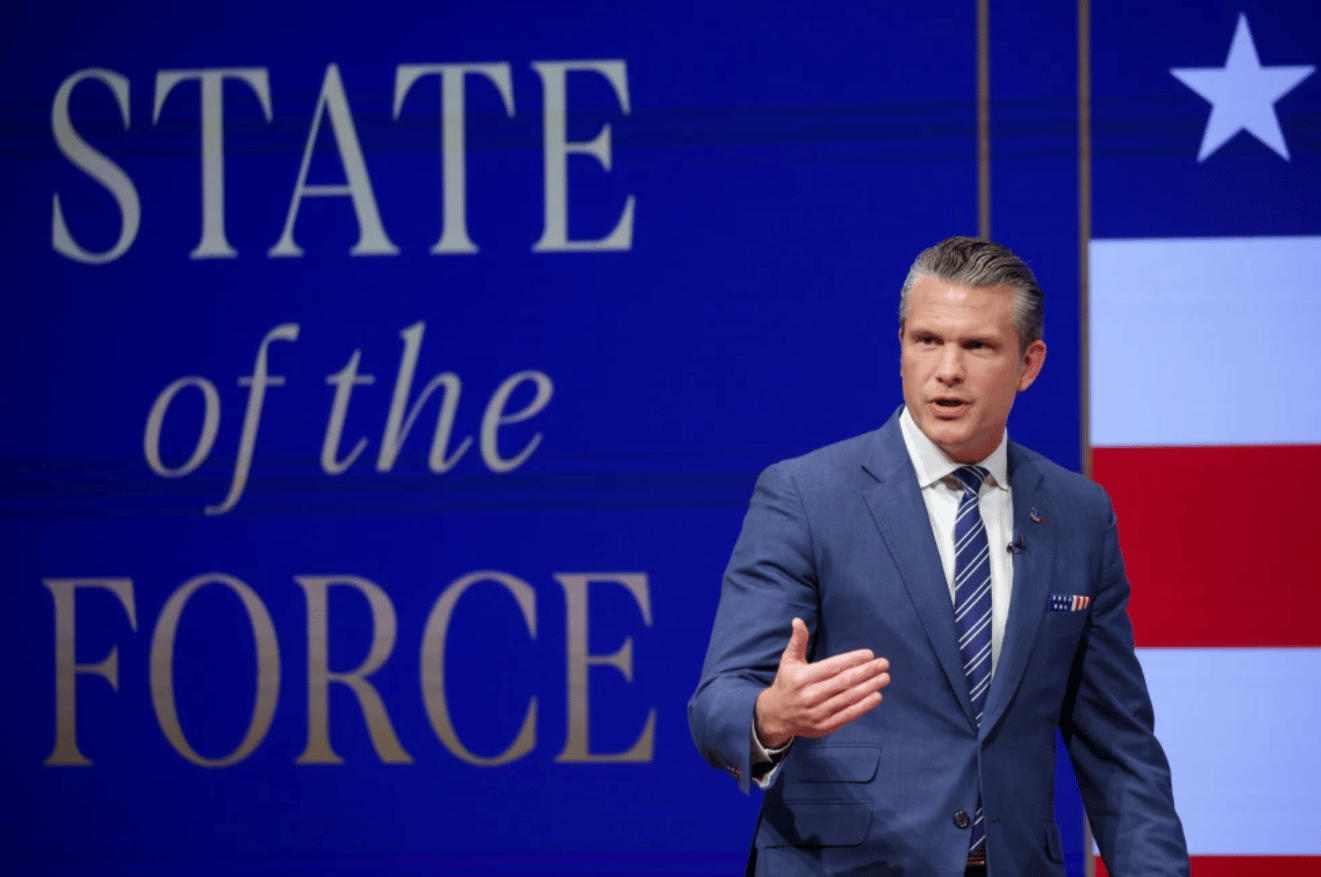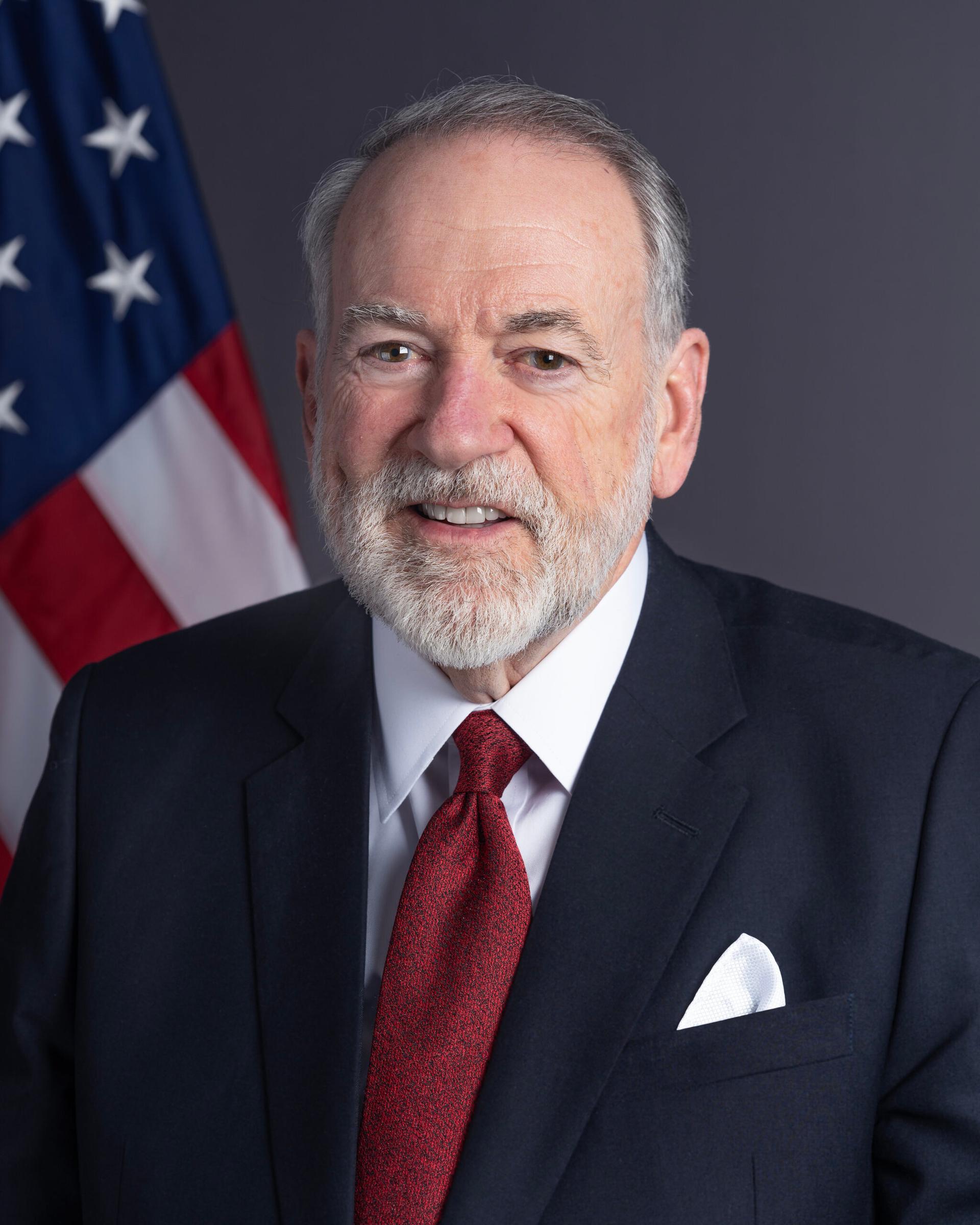
The U.S. ambassador to Israel responded to a recent letter from the patriarchs of the Churches in the Holy Land on Tuesday, a highly unusual foray by a diplomatic representative into religious affairs in the region where he represents his government.
Ambassador Mike Huckabee – a committed evangelical and ordained Southern Baptist minister appointed U.S. ambassador to Israel in April of last year – issued his statement via social media, saying he respects the patriarchs and leaders of the traditional liturgical Churches but does not believe they should speak for Christians everywhere.
“I love my brothers and sisters in Christ from traditional, liturgical churches and respect their views,” Huckabee said, “but I do not feel any sect of the Christian faith should claim exclusivity in speaking for Christians worldwide.”
Huckabee also offered an explicitly theological defense of Christian Zionism, describing himself as an adherent to it and expressing bewilderment at the notion any Christian could be otherwise.
“Christian Zionism” is a mostly U.S. evangelical protestant notion tending to conflate – even when it does not identify – the modern-day state of Israel with God’s chosen people, even though the state of Israel explicitly rejects the notion in its founding documents.
Theologically, Christian Zionism is usually rooted in “dispensationalism” – a 19th century proto-evangelical eschatological scheme – in which history, including salvation history, is divided into several different ages (or dispensations) during which God has different ways of interacting with his people and different terms for the nature and conduct of his relationship.
“Labels such as ‘Christian Zionism’ are too often used in a pejorative manner to disparage free-church believers, of which there are millions across the planet,” Huckabee said.
“Christians are followers of Christ and a Zionist simply accepts that the Jewish people have a right to live in their ancient, indigenous, and Biblical homeland,” Huckabee said.
“It’s hard for me to understand why every one [sic] who takes on the moniker ‘Christian’ would not also be a Zionist,” he said.
“It’s not a commitment to a particular government or government policy,” Huckabee also said, “but to the Biblical revelation as given to Abraham, Isaac, and Jacob.”
Since the role of an ambassador is precisely that of advancing his government’s policies in the country to which he is appointed, Huckabee’s remarks led observers to wonder whether the ambassador’s statement represents the official position of the U.S. government, and to wonder at the extent to which Huckabee’s personal religious commitments are informing his conduct of diplomacy.
The patriarchs, who are heads of the Churches with historic presence in the Holy Land and represent mostly Arab flocks, had published a letter at the weekend that called Christian Zionism a “damaging” ideology, expressing dismay at the recent activity of “local individuals” who “mislead the public, sow confusion, and harm the unity of our flock.”
Huckabee made clear that his observations were “[i]n response to the statement of non-evangelical churches in Israel,” and included a digital reproduction of the patriarchs’ statement in full.
“The Patriarchs and Heads of Churches further note with concern that these individuals have been welcomed at official levels both locally and internationally,” the patriarchs’ Jan. 18 statement also said.
“Such actions,” the patriarchs’ original statement continued, “constitute interference in the internal life of the churches and disregard the pastoral responsibility vested in the Patriarchs and Heads of Churches in Jerusalem.”
“The Patriarchs and Heads of Churches in Jerusalem reiterate that they alone represent the Churches and their flock in matters pertaining to Christian religious, communal, and pastoral life in the Holy Land,” they Church leaders also said.
The group of leaders include the Latin patriarch, The Maronite, Melkite, Syrian, and Armenian Catholic patriarchs, the Armenian Apostolic patriarch, the Coptic and Greek Orthodox patriarchs, as well as the Lutheran and Anglican leaders.