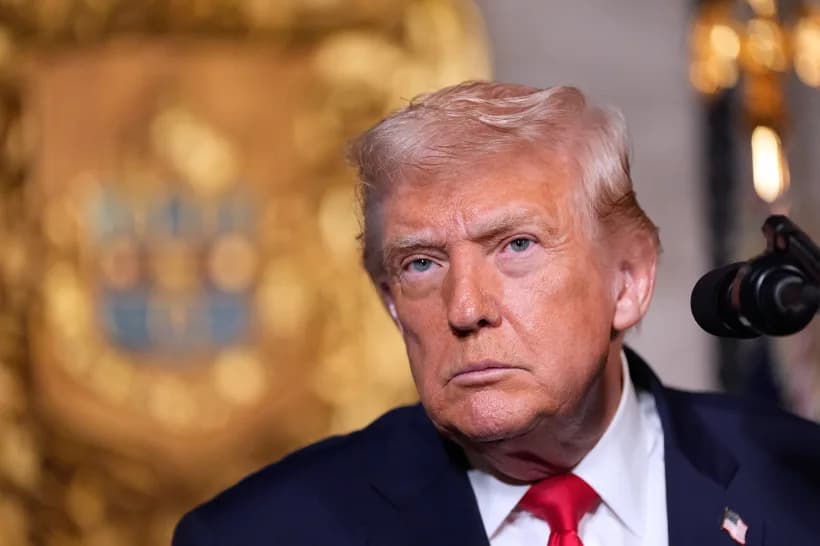
Two senior Catholic Church leaders in the United States issued separate calls on Monday for an apology from U.S. President Donald Trump, after Trump shared a video meme using a racist trope to depict former U.S. President Barack Obama and former First Lady Michelle Obama.
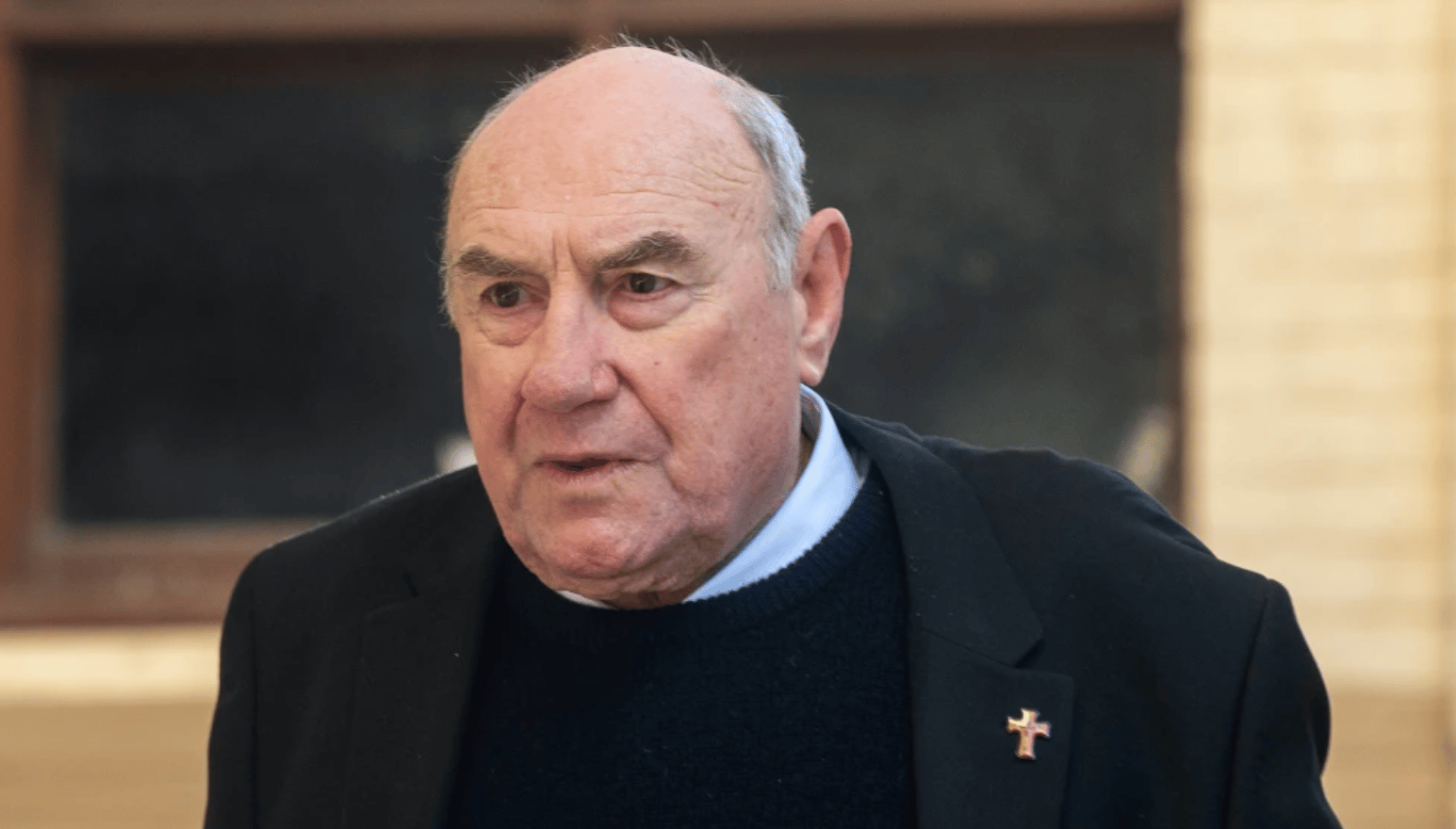
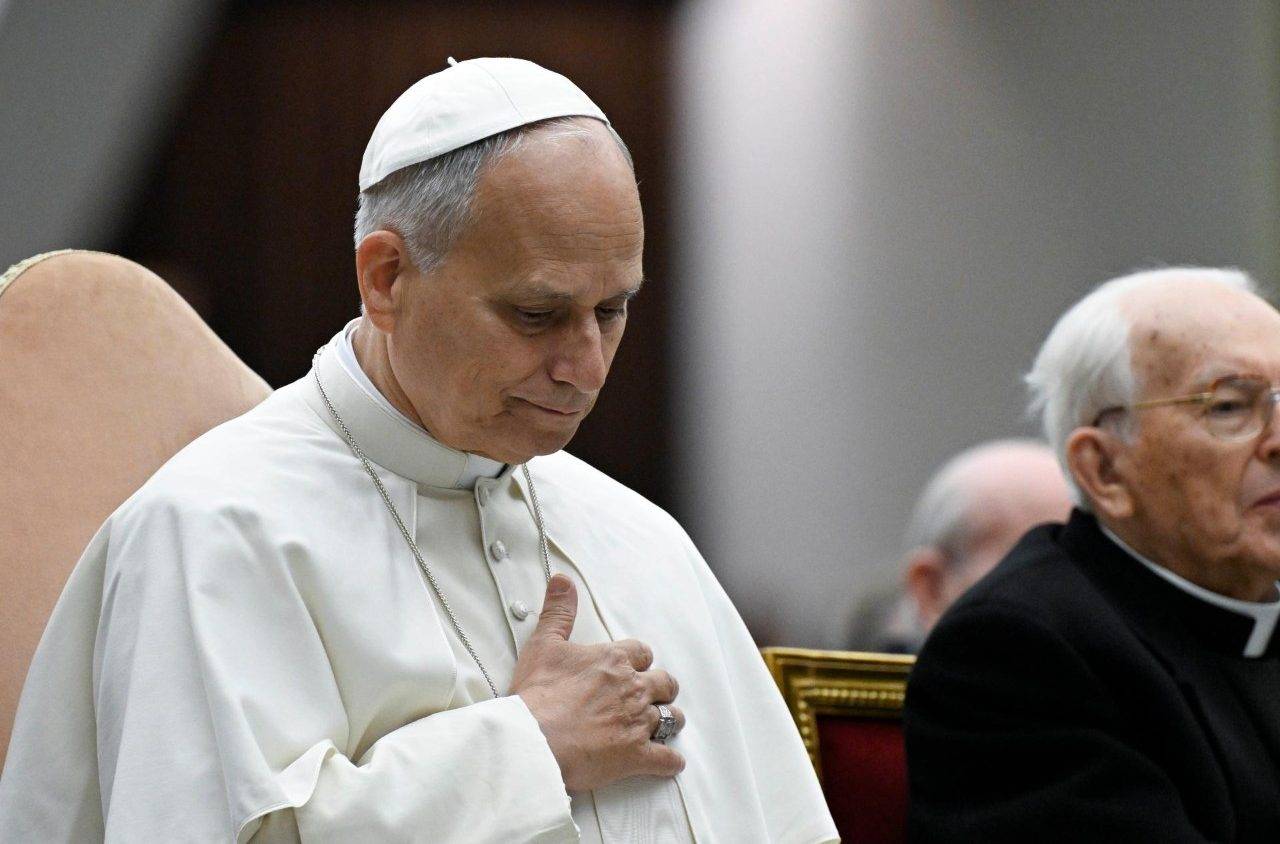
Cardinal Blase Cupich of Chicago and Archbishop Edward Weisenburger of Detroit each issued a statement on Monday calling on Trump to apologize and clarify, calling the harm done by his action real and saying his explanations for his behavior are inadequate.
“Our shock is real,” said Cupich. “So is our outrage. Nothing less than an unequivocal apology – to the nation and to the persons demeaned – is acceptable. And it must come immediately.”
“I join my voice to the many calling for a public apology with full acceptance of responsibility,” Weisenburger wrote, “and I also bristle at claims from the White House that the rage many of us feel is ‘fake’.”
The offensive meme, an animated depiction of apes with the Obamas’ faces superimposed, was the tail part of a longer video rehearsing long-debunked claims the 2020 presidential election had been stolen.
Trump reposted the offensive video to his Truth Social platform from his own account, shortly before midnight on February 5.
The post drew the ire of politicians across the spectrum of opinion, but the White House initially defended it and the post remained on the site for some 12 hours before it was deleted.
White House press secretary Karoline Leavitt described the video as coming “from an internet meme video depicting President Trump as the King of the Jungle and Democrats as characters from The Lion King.”
“Please stop the fake outrage and report on something today that actually matters to the American public,” Leavitt said.
Neither reporters nor politicians nor the American public were content to let the matter rest, however, and by Friday afternoon the White House was telling press outlets including ABC News that a “staffer” who “erroneously made the post” was to blame.
“I guess during the end of it, there was some kind of picture people don’t like,” Trump said on Friday when pressed by reporters, “I wouldn’t like it either,” Trump also said, adding that he “didn’t see it.”
“I just, I looked at the first part,” Trump said, “and it was really about voter fraud.”
“I gave it to the people,” i.e. staff, Trump said, “generally they’d look at the whole thing, but I guess somebody didn’t, and we posted it – and we took it down – but that was a voter fraud that nobody talks about,” Trump said.
“We took it down as soon as we found out about that,” Trump said, but insisted he “didn’t make a mistake,” and would not be apologizing.
Queries from Crux to the White House press office asking whether Trump had received or was aware of the calls from Cupich and Weisenburger and whether Trump intends to apologize, were without reply at time of publication.
“It is very disturbing,” Weisenburger wrote Monday in a statement posted to the the X social media platform and the archdiocesan website, “that anyone, much less the President of the United States or his staff members, should see racist memes as humorous or appropriate expressions of political discourse.”
“They are deeply offensive,” Weisenburger wrote, “and must be condemned in the strongest terms.”
“Portraying human beings as animals – less than human – is not new,” Cupich said in his statement on Monday.
“It was a common way in past centuries for politicians and others to demean immigrant groups as each arrived, the Chinese, Irish, Italians, Slavs, Jews, Latinos and so on,” Cupich said.
“Cartoons, ‘news’ articles, even theatrical productions carried the message that these ‘others’ were worthy of ridicule,” Cupich continued.
“It made it easier to turn a blind eye to their privation,” Cupich continued, “[to] pay them pitiful wages and mock their ‘foreign’ religion even as the country needed their labor.”
“It immunized the national conscience when we turned away shiploads of refugees, lynched thousands and doomed generations to poverty,” Cupich said.
“We tell ourselves that those days belong in the past,” Cupich went on to say, “that even sharing that history is harmful to the fantasy of equality we strive to create.”
“A few days ago,” Cupich said on Monday, “we saw that in the White House such blatant racism is not merely a practice of the past.”
“If the President intentionally approved the message containing viciously racist images,” Cupich said, “he should admit it.”
“If he did not know of it originally,” Cupich said, “he should explain why he let his staff describe the public outcry over their transmission as fake outrage.”
“Either way,” said the cardinal archbishop of Chicago, “he should apologize.”
In his statement on X, Weisenburger went further, calling for a reckoning with the national conscience.
“Beyond the necessary apology,” Weisenburger wrote, “I also believe that we all must examine our conscience, individually and collectively.”
We need to recognize and acknowledge how prevalent racism continues to be in our society and commit ourselves to vigilance in counteracting its harm,” Weisenburger wrote.
“As Catholics,” Weisenburger wrote, “we believe that every person is made in the image and likeness of God. This sacred truth compels us to treat every human being with dignity, respect, and love.
“We must recommit ourselves to vigilance in counteracting the wounds caused by the evil of racism,” Weisenburger wrote, “as truly we are called to be one human family.”
*This story has been updated to include further publication details regarding the statement of Archbishop Weisenburger.
Follow Chris Altieri on X: @craltieri