LEICESTER, United Kingdom – Ireland needs to “resist dragging the language of faith into political battles or justifying violence in the name of our beliefs,” according to Archbishop Dermot Farrell of Dublin.
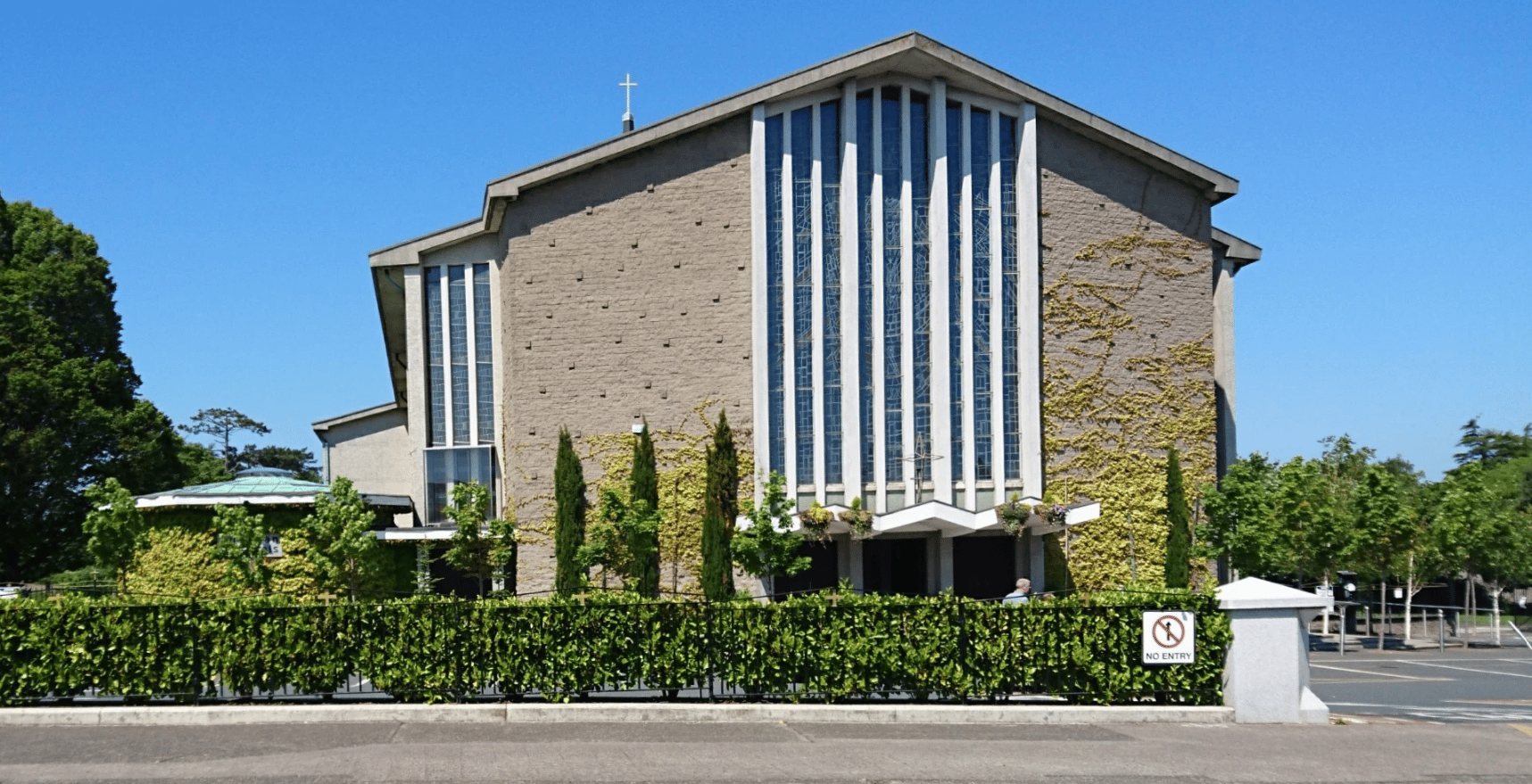
Celebrating the World Day of Peace 2026 on Thursday in Dublin’s Church of the Guardian Angels, Farrell said it is a way to “remember that a faith that is truly Catholic calls us to encounter the world.”
“Ireland has a proud record in international work for peace,” he said.
“Now, in our days, there is a need and opportunity for the Irish State to articulate how this tradition, and the values which underpin it, will be continued in a rapidly-changing international situation,” the archbishop continued.
“It is not enough to invest in defense capacity or to point to how the circumstances of our traditional military neutrality have changed; Ireland’s commitment to promoting a sustainable peace needs a new articulation. We are not in an either-or situation. It is not them or us. When we invest in peace everybody wins,” he explained.
Ireland is the only nation to have a continuous presence on UN and UN-mandated peace support operations since 1958. As of May 2025, there are 368 Irish peacekeepers, the vast majority of them currently in Lebanon.
Farrell said governments have a critical role to play in shaping the course of international events.
“Specifically, they have the onerous responsibility of pursuing the path of peace even in the face of provocation, there is no enduring peace without the commitment of ordinary people. Yes, leaders are important; indeed, good leadership is vital. However, we need to take to heart that good leaders bring people with them,” he said.
In his homily, the archbishop spoke about the recent release of papers from thirty years ago, shortly before the 1998 Good Friday Agreement in Northern Ireland.
The 1998 peace deal largely ended the conflict involving Irish republican and British loyalist militants and the British security forces that left 3,600 people dead and around 50,000 wounded.
“As well as the many insights one can gain into political events of the time, and into the public figures that shaped them, there is also a clear witness of the many years of building trust and confidence that led to ‘the commitment to pursue political aims through peaceful means,’ that we call the Good Friday Agreement. Given the inevitable complications and setbacks, such a long process can only be born of hope,” Farrell said.
“It was not for nothing that people of faith across the various communities in Northern Ireland made such a contribution to the ‘peace process.’ Faith transforms; living faith gives us another horizon. Living faith does not lead us away from the world, but brings us to the heart of world,” he said.
The archbishop said in this time of deep change in the world, “we need to discover a new idiom, and maybe in certain ways a new language.”
“It takes time to learn a new language, and just as learning a new language needs another person. Nobody learns a new language on their own!” Farrell said.
“Real language happens is born of the other. In Christ, God learns our language, from within, without any shortcuts,” he said.
Follow Charles Collins on Twitter: @CharlesinRome