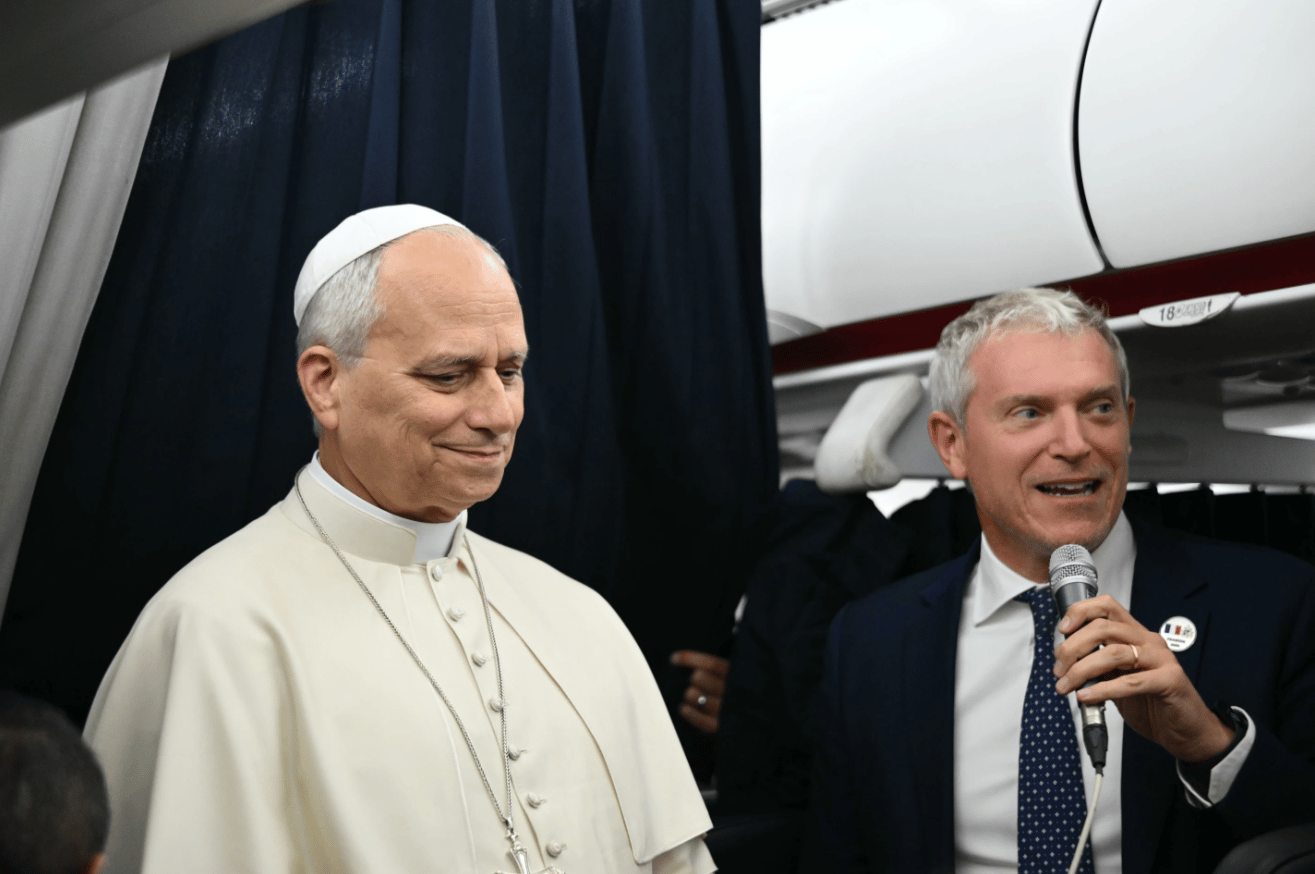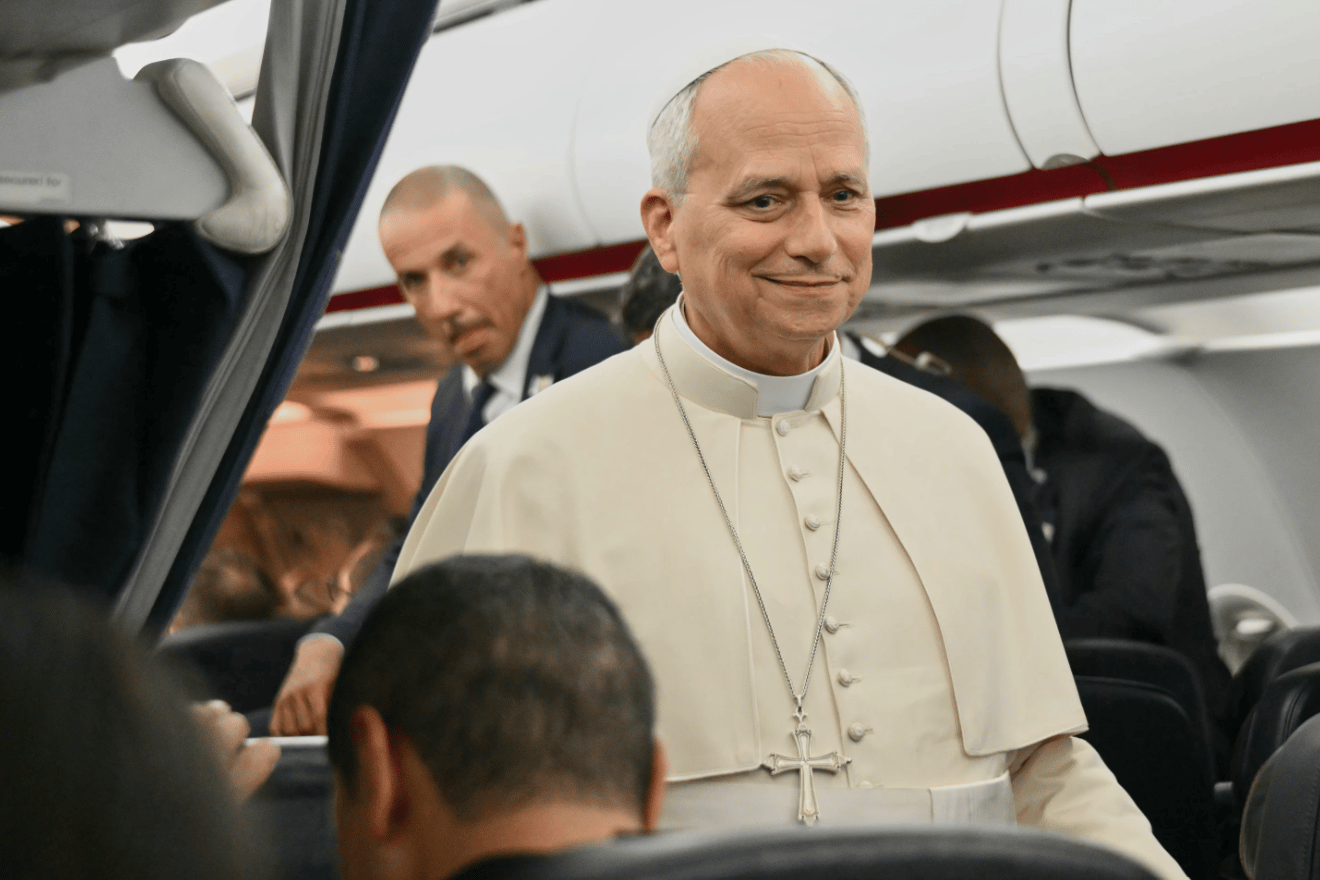
ROME – One could perhaps summarize Pope Leo XIV’s high profile meeting of cardinals next month with a line from Jerry Reed’s famed song “East Bound and Down”, featured in the 1977 film Smokey and the Bandit: “We’ve got a long way to go and a short time to get there.”
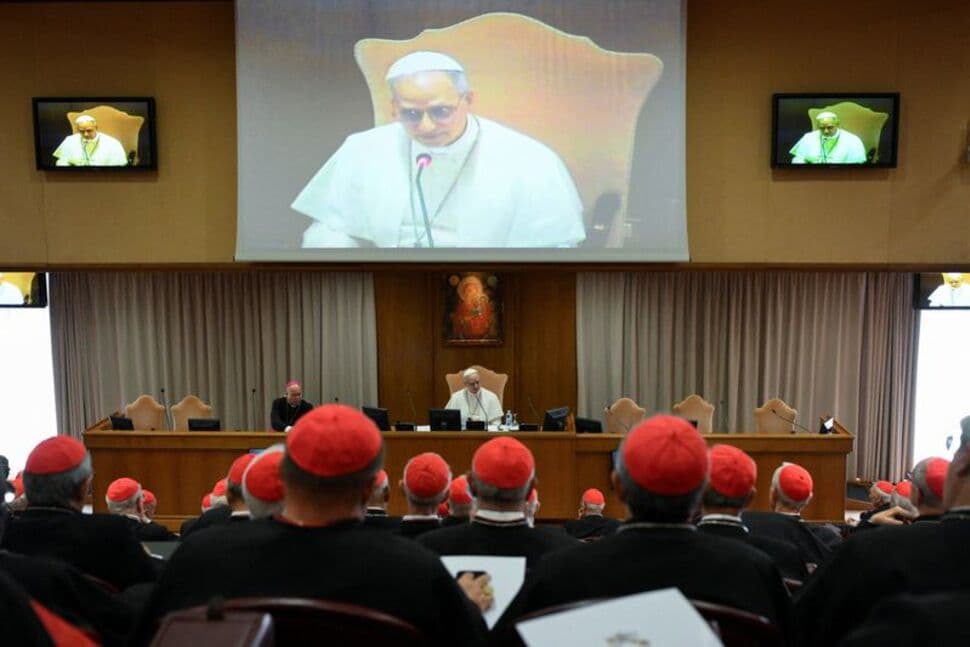
Much has been made of the extraordinary consistory of cardinals, as it will be Leo’s first consistory since his election and it is expected to provide a blueprint of sorts for some of Leo’s top priorities as he finishes the leftover business of his predecessor and begins to dive more completely into his own agenda.
The meeting is scheduled for Jan. 7-8 – the day after Pope Leo formally concludes the Jubilee of Hope with the closing of the holy door in St. Peter’s Basilica on the Jan. 6 feast of the Epiphany.
It will undoubtedly give the cardinals, and the world, key insight into the mind and priorities of the new pope, but it could also prove challenging for the cardinals, who have just two days to discuss and share perspectives on some of the most open-ended and broad-ranging topics that have come up in recent years.
In a Christmas letter to cardinals signed Dec. 12, the feast of Our Lady of Guadalupe, which Crux has seen, Leo outlines four major points of discussion for the two-day meeting, with discussion likely to be focused on two issues per day.
Specifically, the pope asked cardinals to read and reflect on several magisterial texts as well as “some themes of particular relevance”:
- Rereading of Pope Francis’s 2013 Apostolic Exhortation Evangelii Gaudium, for a renewed and joyful impetus in proclaiming the Gospel.
- In-depth study of Pope Francis’s 2022 Apostolic Constitution reforming the Roman Curia Praedicate Evangelium, with particular consideration to “the relationship of mutual interiority that exists between the universal Church and the particular Church” (art. 4).
- Synod and synodality, as instruments of effective cooperation with the Roman Pontiff in matters of major importance, for the good of the whole Church.
- Liturgy: Detailed theological, historical and pastoral reflection “in order that sound tradition be retained, and yet the way remain open to legitimate progress” (Second Vatican Ecumenical Council, Constitution Sacrosanctum Concilium, 23).
Pope Leo in his letter – sent in Italian with a courtesy translation into English – told cardinals that the consistory “will be a moment of communion and fraternity, of reflection and sharing, aimed at supporting and advising the pope in the demanding responsibility of governing the universal Church.”
If one considers what Pope Leo has said and done since his election, none of the discussion topics for the consistory should be a surprise.
Leo the day of his May 8 election indicated that he intended to follow his predecessor’s path of synodality, saying, “we want to be a synodal church, a church that moves forward” and seeks peace together, and which is close to the poor and suffering.
During a May 10 meeting with cardinals just two days after his election he pointed to Evangelii Gaudium as a “masterful” outline of the direction the church has taken since the 1962-65 Second Vatican Council, a direction he said he felt called to continue.
Similarly, in his exclusive interview with me for my recent biography of him, León XIV: ciudadano del mundo, misionero del siglo XXI, Leo applauded some elements of Pope Francis’s agenda of synodality as “a true prophetic vision for the church today and tomorrow.”
In our interview he also touched on liturgical debates, specifically ad intra dispute over Pope Francis’s restriction of the Traditional Latin Mass, saying he had already begun meeting with different groups about the topic.
So far coverage of the upcoming consistory has tended to ignore the broader points of Evangelii Gaudium, Predicate Evangelium, and synodality, and has been pigeonholed almost entirely into a debate about the traditional liturgy.
It is no secret that since his election, Leo has received countless requests, and no small amount of pressure, from various groups and individuals to again broaden access to the traditional Mass.
Leo in our interview referred to the ongoing “liturgy wars” playing out in global Catholicism, Leo said that “people always say ‘the Latin Mass.’ Well, you can say Mass in Latin right now. If it’s the Vatican II rite there’s no problem.”
“Obviously, between the Tridentine Mass and the Vatican II Mass, the Mass of Paul VI, I’m not sure where that’s going to go. It’s obviously very complicated,” he said.
RELATED: Pope Leo speaks to Crux’s Elise Ann Allen about LGBTQ+ issues and the liturgy
He lamented that “people have used the liturgy as an excuse for advancing other topics. It’s become a political tool, and that’s very unfortunate.”
Leo pinned part of the blame on abuses of the post-Vatican II Novus Ordo rite, but also lamented the extremism of the resistance, noting that the issue has become “so polarized that people aren’t willing to listen to one another.”
“We’ve become polarized, so that instead of being able to say, well, if we celebrate the Vatican II liturgy in a proper way, do you really find that much difference between this experience and that experience?” he said.
In terms of what Leo plans to do, he said plainly in our interview that he did not have a specific plan for how to handle the debate over the Traditional Latin Mass, but would approach the matter with “synodality,” by sitting and listening to all sides.
That listening exercise – about liturgy and more – is exactly what Leo aims to do during the upcoming consistory, by making good on his promise to treat the College of Cardinals as his close collaborators and advisors as he weighs the major questions of the day.
During that May 10 meeting with cardinals after his election, Leo said that he wanted to hold “a sort of dialogue…to hear what advice, suggestions, proposals, concrete things, which have already been discussed in the days leading up to the Conclave.”
The cardinals “are the closest collaborators of the pope,” he said, calling this a source of comfort to him “in accepting a yoke clearly far beyond my own limited powers, as it would be for any of us.”
“Your presence reminds me that the Lord, who has entrusted me with this mission, will not leave me alone in bearing its responsibility. I know, before all else, that I can always count on his help,” he said.
Leo’s first consistory is his first exercise in invoking the cardinals’ help and assistance as he evaluates what direction to take as he begins to govern more seriously, having concluded the jubilee year and many of the lingering projects and proposals on his desk when he took the reins.
Beyond ongoing liturgical disputes, Leo already teased his agenda for the consistory during his May 10 meeting with cardinals, telling them that he wanted them to renew their “complete commitment” to the path taken in the wake of the Second Vatican Council.
“Pope Francis masterfully and concretely set it forth in the Apostolic Exhortation Evangelii Gaudium,” he said, and highlighted what he said were several “fundamental points” of the document.
These points, he said, included:
- the return to the primacy of Christ in proclamation (cf. No. 11)
- the missionary conversion of the entire Christian community (cf. No. 9)
- growth in collegiality and synodality (cf. No. 33)
- attention to the sensus fidei (cf. Nos. 119-120), especially in its most authentic and inclusive forms, such as popular piety (cf. No. 123)
- loving care for the least and the rejected (cf. No. 53)
- courageous and trusting dialogue with the contemporary world in its various components and realities (cf. No. 84; Second Vatican Council, Pastoral Constitution Gaudium et Spes, 1-2)
“These are evangelical principles that have always inspired and guided the life and activity of God’s Family. In these values, the merciful face of the Father has been revealed and continues to be revealed in his incarnate Son, the ultimate hope of all who sincerely seek truth, justice, peace and fraternity,” he said.
A careful re-reading of these points can offer a glimpse into the direction that the cardinals’ discussion in January might take.
Pope Leo has already published his first apostolic letter Dilexi te on poverty and has repeatedly condemned income disparities and insisted on the need to engage the world of big tech and artificial intelligence.
He made the clear statement in our interview that he does not see it as his role to solve the world’s problems, but to encourage Christians in their faith and in the joyful preaching of the Gospel.
Leo also said that he aims to continue some of Francis’s reforms in Predicate Evangelium, specifically in making the Roman Curia more collaborative at the interdicasterial level, and that he will continue the reflection on the role of bishops’ conferences and hierarchal authority in a synodal church.
In our interview he defined synodality as “an attitude, an openness, a willingness to understand. Speaking of the Church now, this means each and every member of the church has a voice and a role to play through prayer, reflection…dialogue and respect of one another.”
In terms of what to expect come Jan. 7, then, observers ought to be on the lookout for more than a debate about liturgy.
While that will be a factor of the discussion, the bigger, and arguable far more important picture, will likely be the discussion on the church’s, and the Roman Curia’s, very identity and how it can more effectively communicate Gospel amid modern challenges.
These are issues that Pope Francis opened discussion on during his sprawling Synod of Bishops on Synodality, and which Leo is now taking up with his own manner and approach.
Currently it is unknown how many cardinals are expected to attend the two-day meeting, and what the format for the discussion will be, but one thing is clear: the cardinals, and Leo, have a lot to discuss and limited time to do it.
Given the broad agenda and brief time for collective reflection, it is unlikely that any major decisions will come out of the January discussion, but Leo will certainly come away with plenty of perspective to guide him on what decisions he will eventually make.
Follow Elise Ann Allen on X: @eliseannallen