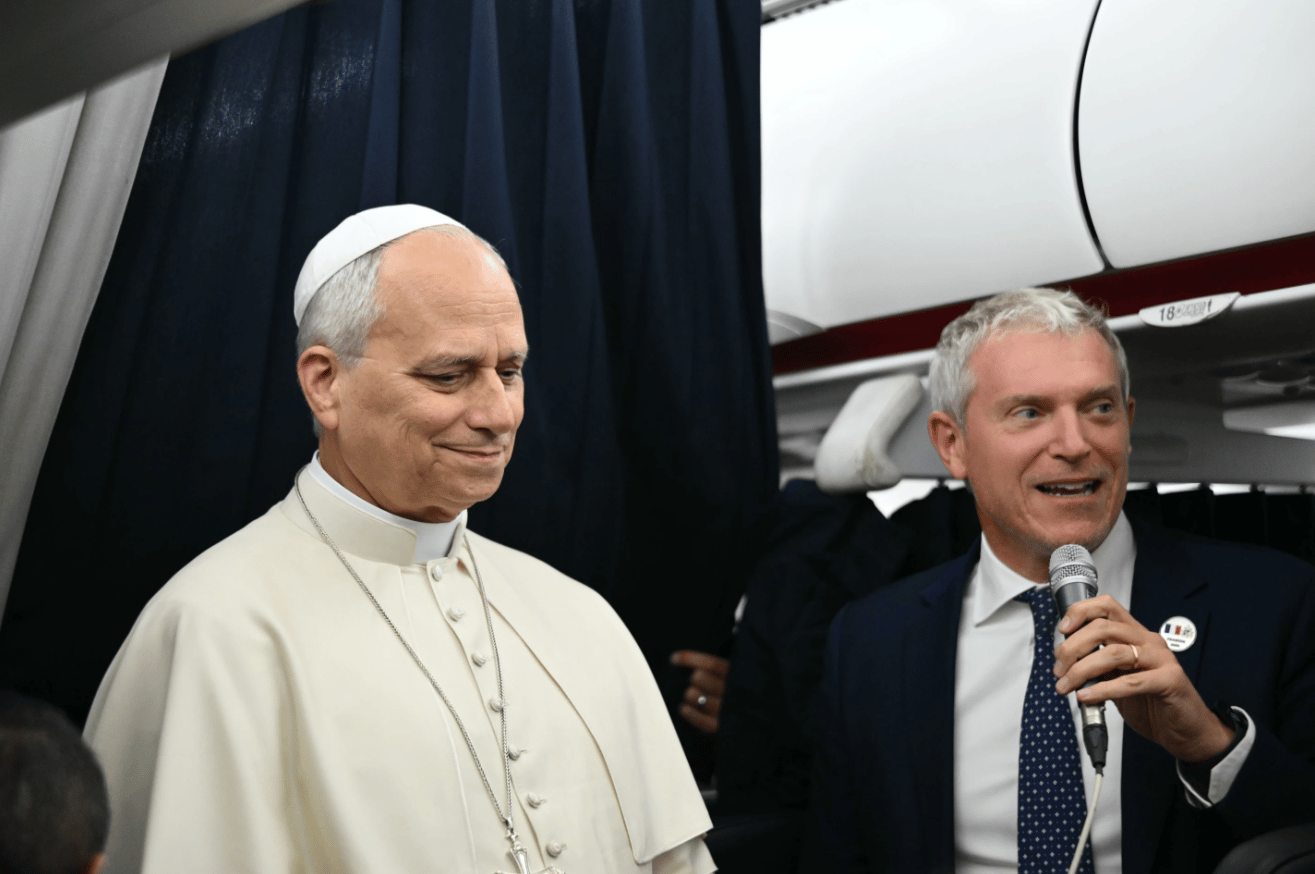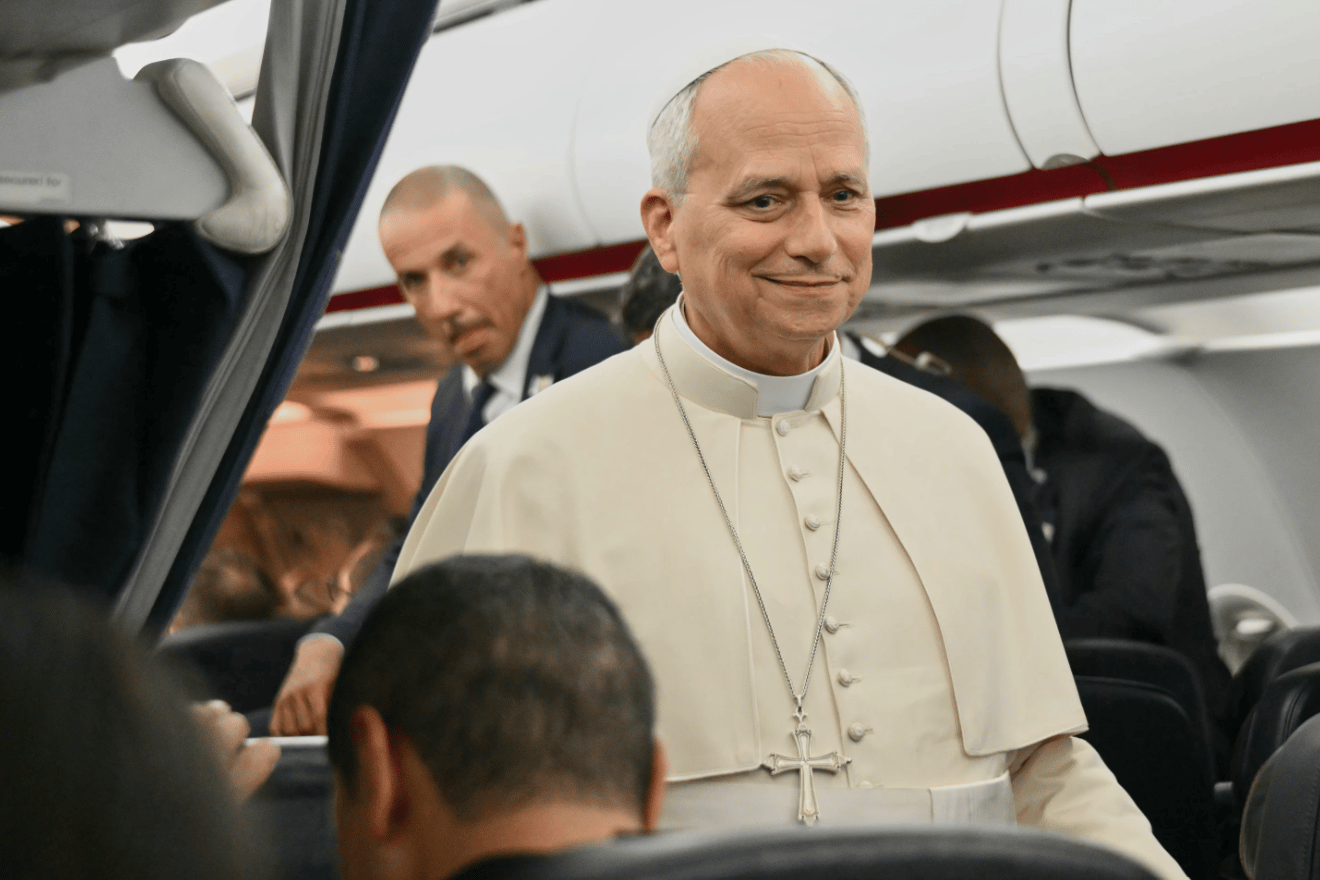
ROME – Pope Leo on “Boxing Day” reflected on the death of the church’s first martyr, urging Christians to work for peace and justice in a world often marred by inequality, even when it comes at a cost.
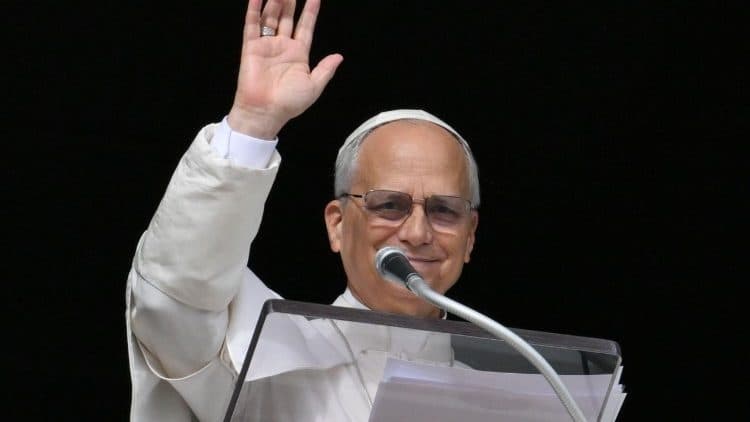
Speaking to pilgrims gathered in St. Peter’s Square for his Dec. 26 Angelus address, the pope affirmed that “no power can prevail over the work of God.”
“Everywhere in the world, there are those who choose justice even at great cost, those who put peace before their fears, and those who serve the poor instead of themselves. Hope then sprouts, and it makes sense to celebrate despite everything,” he said.
Leo spoke on the feast of Saint Stephen, the church’s first martyr, a deacon who is commemorated the day after Christmas and who was accused of blasphemy and stoned to death for preaching that Jesus was the Messiah.
In Friday’s Angelus address, the pope said the day of Stephen’s martyrdom was his “birthday” into heaven.
“Seeing with the eyes of faith is to see no longer mere darkness, even in death, for Martyrdom is a birth into heaven,” he said, noting that human beings do not choose to come into the world, but throughout life “we pass through many experiences in which we are asked to choose ever more intentionally to ‘come to the light,’ to choose the light.”
He noted how scripture described those who witnessed Stephen’s martyrdom as being struck by the light on his face, saying, “This is the face of one who does not leave history indifferently, but responds to it with love.”
“Everything Stephen does and says represents the divine love that appeared in Jesus, the light that shines in our darkness,” the pope said.
Jesus’s birth at Christmas, he said, is a call to live as children of God, which Jesus himself makes possible “by attracting us through the humility of people such as Mary, Joseph, and the shepherds, whom we encounter from that night in Bethlehem.”
“Yet the beauty of Jesus, and of those who imitate his life, is also rejected,” he said, noting that from the beginning, this beauty “provoked the reaction of those who struggle for power, those who are exposed by their acts of injustice because of a goodness that reveals the intentions of their hearts.”
However, Pope Leo stressed that to this day, no power has been or will be able to overcome the work of God, because there are those who continue to choose goodness and love, working for justice and peace, even when they face resistance.
These efforts are a source of hope for a world in crisis, he said, noting that “in current conditions of uncertainty and suffering in the world, joy might seem impossible.”
“Today, those who believe in peace and have chosen the unarmed path of Jesus and the martyrs are often ridiculed, excluded from public discourse, and not infrequently accused of favoring adversaries and enemies,” he said.
Christians, however, “have no enemies,” he said, but rather “brothers and sisters, who remain so even when they do not understand each other.”
The mystery of Christmastime, then, brings humanity a joy “motivated by the tenacity of those who already live in fraternity, of those who already recognize around them, even in their adversaries, the indelible dignity of the daughters and sons of God.”
Like Jesus, Stephen, Leo said, died forgiving others “because of a force more real than that of weapons.”
“It is a gratuitous force, already present in the hearts of all, and which is reawakened and shared in an irresistible way when we begin to look at our neighbor differently, offering them attention and recognition,” the pope said.
This, Pope Leo said, is what it means “to be reborn” and to come into the light brought by Jesus at Christmas.
He closed his address praying for Mary’s intercession, calling her “blessed among all women who give life and counter arrogance with care, and distrust with faith.”
“May Mary bring us into her own joy, a joy that dissolves all fear and all threats, just as snow melts before the sun,” he said.
After his address, the pope greeted pilgrims who had come from all over the world, and asked for St. Stephen’s intercession in making “our faith strong” and in supporting communities “that suffer for their Christian witness.”
“His example of meekness and courage,” Leo said, can be an inspiration to “those who are committed in situations of conflict to promoting dialogue, peace and reconciliation.”
Follow Elise Ann Allen on X: @eliseannallen