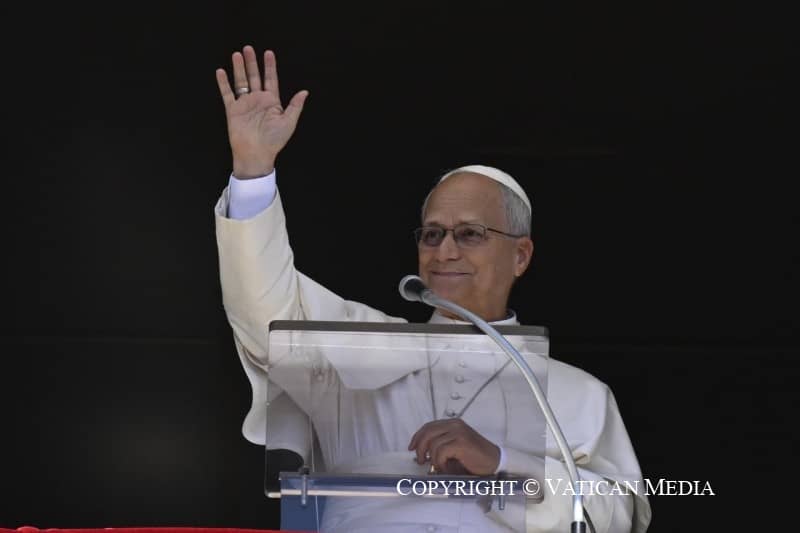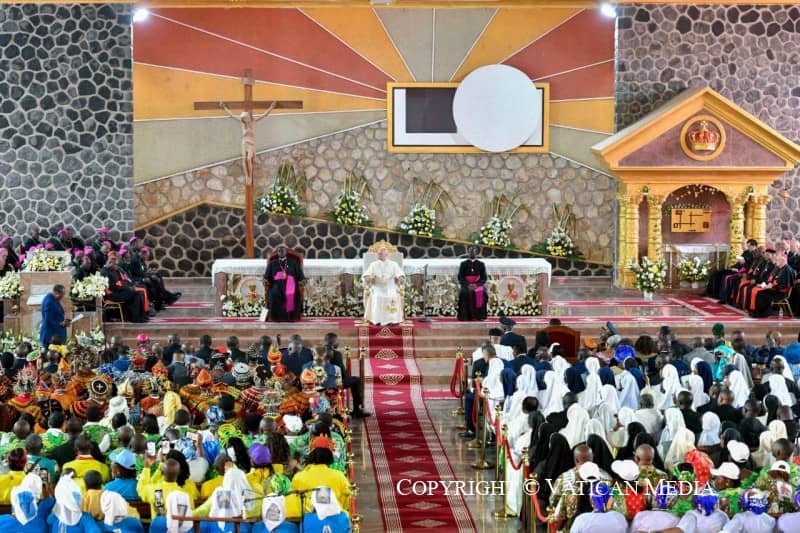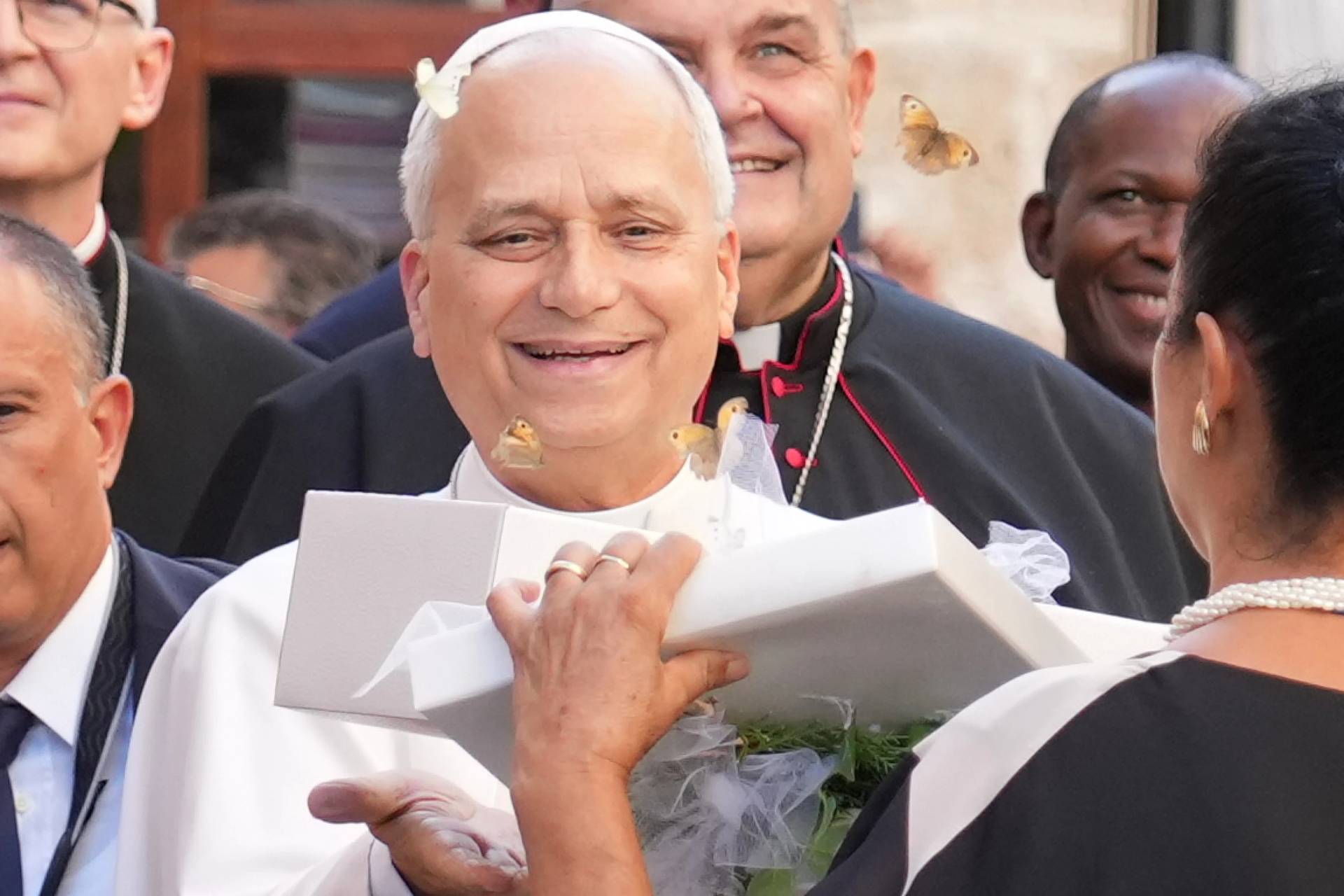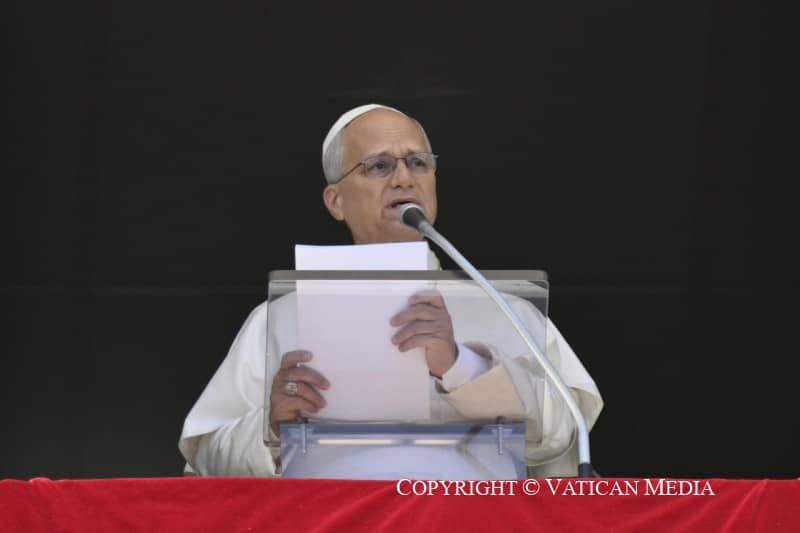
ROME – Pope Leo XIV brought the Jubilee of Hope to a close Tuesday, saying it ought to serve as a turning point for believers and marks the beginning of a new chapter in both living hope and bringing it to the world.
Speaking during a Jan. 6 Mass on the feast of the Epiphany, which commemorates the visit of the three Magi, or “Wise Men” to the infant Jesus, he also criticized what he said was “a distorted economy” that seeks only profit and which saw pilgrims who traveled to holy sites for the jubilee as mere business opportunities.
“Today we celebrate the Epiphany of the Lord, aware that in his presence nothing stays the same. This marks the beginning of hope, for God reveals himself and nothing remains unchanged,” Leo said in his homily.
When God reveals himself, he said, “something new begins which determines the present and the future,” challenging complacency and letting oneself be transformed and compelled to action.
“Dear brothers and sisters, it is wonderful to become pilgrims of hope. It is wonderful for us to continue to be pilgrims together! The faithfulness of God continues to amaze us,” he said.
“If we do not reduce our churches to monuments, if our communities are homes, if we stand united and resist the flattery and seduction of those in power, then we will be the generation of a new dawn,” he said.
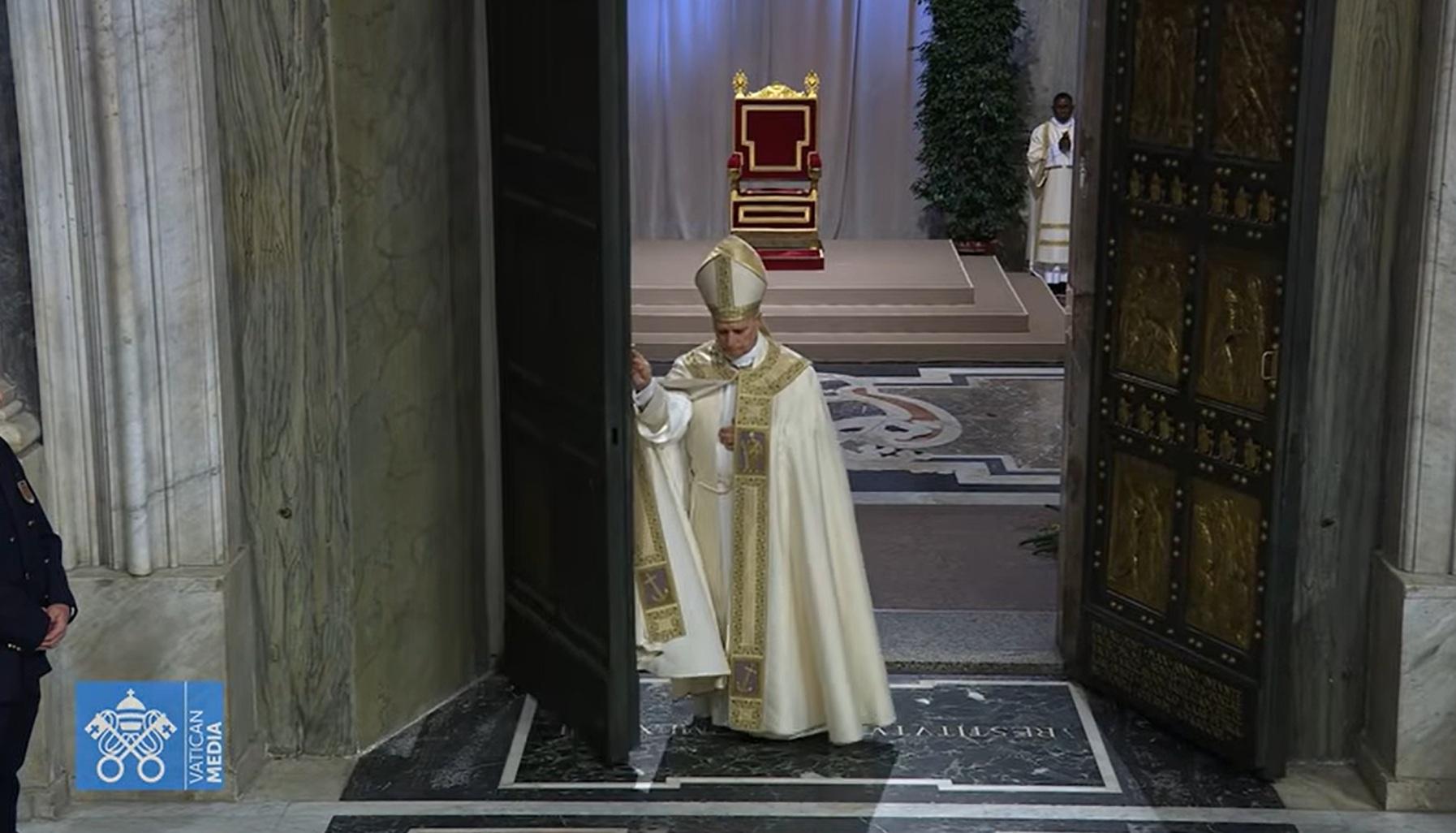
Prior to beginning Mass, Pope Leo closed the holy door in St. Peter’s Basilica, officially bringing the Jubilee of Hope to an end. It was inaugurated by Pope Francis Dec. 24, 2024.
Pope Francis’s death last year marked only the second time in history that an ordinary jubilee was opened by one pope, and closed by another.
The only other time this occurred was in 1700, when Pope Innocent XII formally opened the jubilee for that year, though due to ill health he was unable to preside over it personally, and died in September 1700, meaning his successor, Pope Clement XI, closed the jubilee in his place.
Intended to be a time of conversion and increased emphasis on God’s mercy and forgiveness of sins, jubilees are characterized by the opening of the Holy Door in St. Peter’s Basilica, and in each of the other four papal basilicas in Rome: Saint John Lateran, Saint Mary Major, and Saint Paul Outside the Wall.
The first-ever Holy Year was established by Pope Boniface VIII in 1300 and was celebrated every 100 years, however, later, following biblical tradition, it was observed every 50 years. It was finally decided by Pope Paul II in 1490 to observe the jubilee year every 25 years, so that each person could experience one in their lifetime.
A new custom of calling “extraordinary” jubilees, meaning outside of the 25-year rotation, and which can last a few days to a few months, began in the 16th century. There have only been a handful of extraordinary jubilees since, the latest being the 2015-2016 Jubilee of Mercy called by Pope Francis.
It is expected that an extraordinary jubilee could be declared for 2033, the year commemorating the 2000th anniversary of Jesus’s death and resurrection.
Pope Leo in his homily Tuesday noted that reactions to Jesus have always been mixed: “joy and agitation, resistance and obedience, fear and longing.” Yet Jesus in manifesting himself throughout scripture always brings something new, he said.
He lamented that both in the city of Jerusalem during Jesus’s time and now, “those who study the Scriptures and think they have all the answers seem to have lost the ability to ask questions and cultivate a sense of longing.”
“Indeed, the city is frightened of those who, moved by hope, come to it from afar; the city seems fearfully threatened by what should instead bring great joy,” he said, saying, “this reaction also challenges us as a Church.”
Leo reflected on the stream of pilgrims who visited Rome during the jubilee year, wondering aloud what motivated them to come, what was in their hearts and minds, and what they found.
He said pilgrims were modern-day Magi, “the people who sense the need to go out and search, accepting the risks associated with their journey, especially in a troubled world like ours that may be unpleasant and dangerous in many ways.”
All of life is a continuous journey, he said, saying believers should not be afraid of this, but welcome the journey and direct it to God.
“He is a God who can unsettle us because he does not remain firmly in our hands like the idols of silver and gold,” but is rather “alive and life-giving,” he said, saying the holy sites pilgrims visit “must diffuse the aroma of life, the unforgettable realization that another world has begun.”
Leo challenged the church to ask itself whether it gives life, and whether it welcomes newness and the journey God has designed.
Pointing to scripture, he notes how King Herod upon hearing about the imminent birth of the Messiah fears that he will lose his power and “is agitated about those things that he feels are beyond his control.”
“He tries to take advantage of the wishes of the Magi by manipulating their quest. He is ready to lie, he is willing to do anything. Fear does indeed blind us,” he said, noting that the Gospel, on the other hand, “liberates us.”
The Gospel, the pope said, “makes us prudent, yes, but also bold, attentive and creative; it beckons us along ways that are different to those already traveled.”
Those who come to the church, he said, must find Christ there and a community “in which hope springs forth, and that a story of life is unfolding!”
“The Jubilee reminds us that we can start anew, indeed, that we are still at the beginning and that the Lord wants his presence to grow among us as God-with-us,” he said.
As he did in the time of the Magi and at Jesus’s birth, God still challenges “the existing order,” Leo said, “for he has plans that inspire his prophets even today.”
“God is determined to rescue us from both old and new forms of slavery. He involves young and old, poor and rich, men and women, saints and sinners in his works of mercy, and in the wonders of his justice,” he said.
He cautioned against falling into the same temptation as Herod, clinging to power and letting fear become aggression, lamenting “the many conflicts by which men resist and even damage the new things that God has in store for everyone.”
“Loving and seeking peace means protecting what is holy and, consequently, that which is newly born,” he said, and condemned what he said was “a distorted economy tries to profit from everything.”
“We see how the marketplace can turn human yearnings of seeking, traveling and beginning again into a mere business,” he said, saying the jubilee ought to be an occasion “to flee from this type of efficiency that reduces everything to a product and human beings to consumers.”
Pope Leo echoed his predecessor Francis’s frequent declaration that God is full of surprises, but in unexpected ways.
“His ways are not our ways, and the violent do not succeed in controlling them, nor can the powers of the world block them,” he said, asking the Virgin Mary to guide believers on the journey to be taken after the jubilee.
Follow Elise Ann Allen on X: @eliseannallen