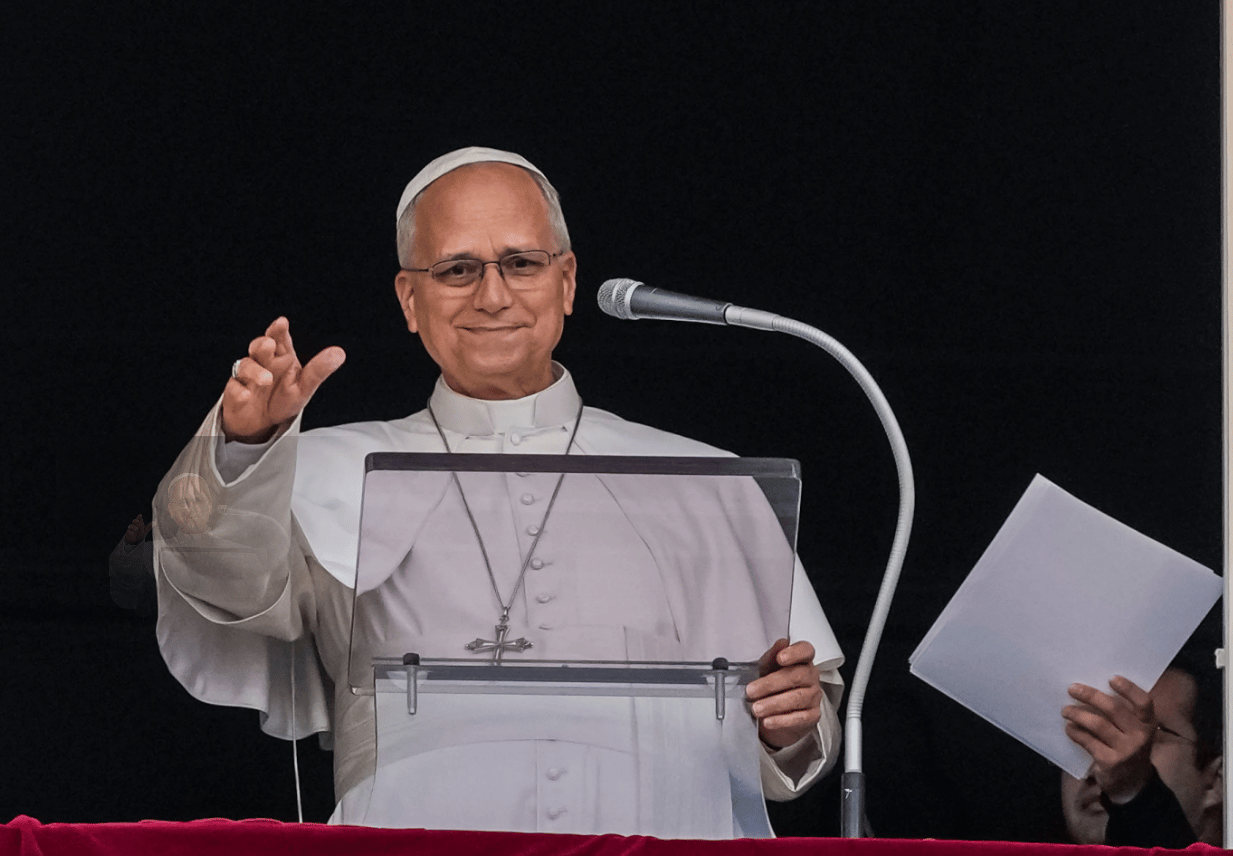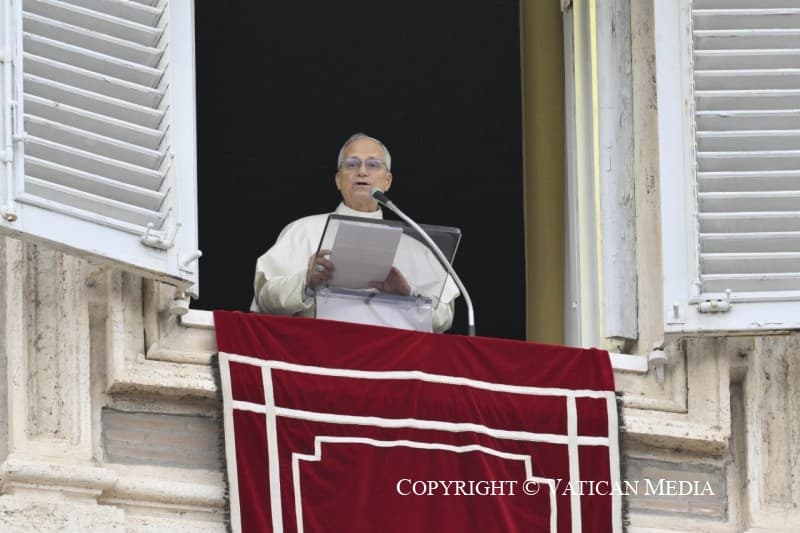
Pope Leo XIV appealed for peace in the Democratic Republic of Congo on Sunday and called for humanitarian aid to stave off an urgent humanitarian crisis among more than 200,000 refugees in neighboring Burundi.
Leo called the attention of the faithful to “the great suffering of the people in eastern Democratic Republic of the Congo.”
Since December of 2025, more than 100,000 people have fled the war-ravaged eastern reaches of the DRC seeking refuge across the border in Burundi, as M23 rebels generally understood to have Rwandan backing continue to press a brutal offensive.
“Many have been forced to flee their country,” Leo noted, “especially to Burundi, due to violence, and they are facing a serious humanitarian crisis.”
The DRC conflict in brief
Conflict has wracked the DRC for more than three decades now, particularly in the east, where rights observers estimate over 120 armed groups have been active in a struggle to control the area, which contains vast mineral reserves.
The DRC’s mineral wealth is estimated to be $24 trillion.
Some six million people have perished as a result of conflict, and millions more have been driven from their homes, while even those who have not – or not yet – been displaced daily feel the effects of decades of multiple, overlapping and converging conflicts and crises.
War erupted in the wake of the 1994 Rwandan Genocide, in which ethnic Hutu extremists killed an estimated 1 million minority Tutsis and moderate Hutus in Rwanda (DRC’s neighbor to the east).
During the genocide and in its wake, nearly two million Hutus fled Rwanda and settled in the provinces of North Kivu and South Kivu.
Some of those Rwandan refugees were Hutu extremists in retreat, who began organizing themselves into militia groups. Tutsi militias began to organize and foreign powers took sides.
The M23 rebel group – ostensibly founded to secure the implementation of a March 23, 2009 peace agreement – was formed in 2012 by Tutsis to resist the Democratic Forces for the Liberation of Rwanda (FDLR), a Hutu militia that fled to the Congo in the wake of the 1994 Rwanda genocide that resulted in the deaths of some 1 million Tutsis and moderate Hutus.
Pope Francis visited the DRC in January and February of 2023, on a mission of peace, solidarity, and reconciliation.
“Torn by war,” Francis said in a speech to dignitaries upon his arrival in the country on January 31, 2023, “the Democratic Republic of the Congo continues to witness within its confines conflicts and forced migrations, and to suffer from terrible forms of exploitation, unworthy of humanity and of creation.”
Pope Francis noted how “[r]epeated violent attacks and so many situations of unrest could weaken the resistance of the Congolese people, undermine their resolve and lead to discouragement and resignation.” In a striking simile comparing the Congolese people to a diamond, “the hardest of the minerals found in nature,” for their resilience, resolve, and especially their “resistance to chemical agents.”
“In the name of Christ,” Francis said, “the God of hope, the God of every possibility, who always gives us the strength to begin anew, in the name of the dignity and worth of the most precious diamonds of this land, which are its citizens,” he called all “to undertake a courageous and inclusive social renewal.”
This Sunday, Pope Leo XIV again prayed “that dialogue for reconciliation and peace may always prevail among the parties in conflict.”
The pope’s televised remarks to pilgrims and tourists gathered beneath the window of the papal apartments overlooking St. Peter’s Square from the Apostolic Palace in the Vatican came on the opening Sunday of the 2026 Week of Prayer for Christian Unity, from Jan. 18-25.
“Our responsibility for unity,” the pontiff said, “must be accompanied by a steadfast commitment to peace and justice in the world.”
Prayers for southern Africa
Leo also prayed for victims of flooding in southern Africa, where weeks of heavy rainfall – at times torrential downpours – have overwhelmed infrastructure, triggering emergency evacuations and straining resources across the region, particularly in Mozambique, South Africa, and Zimbabwe.
“I would also like to assure the victims of the recent floods in southern Africa of my prayers,” Leo said.
More than 100 people are confirmed dead as a result of flooding, while meteorologists and authorities warn of more severe weather to come.