The weaponization of Artificial Intelligence (AI) is a chief driver of a moral crisis that has brought humanity to “a critical juncture,” and the international organs designed in the wake of WWII to prevent catastrophe are largely sidelined.
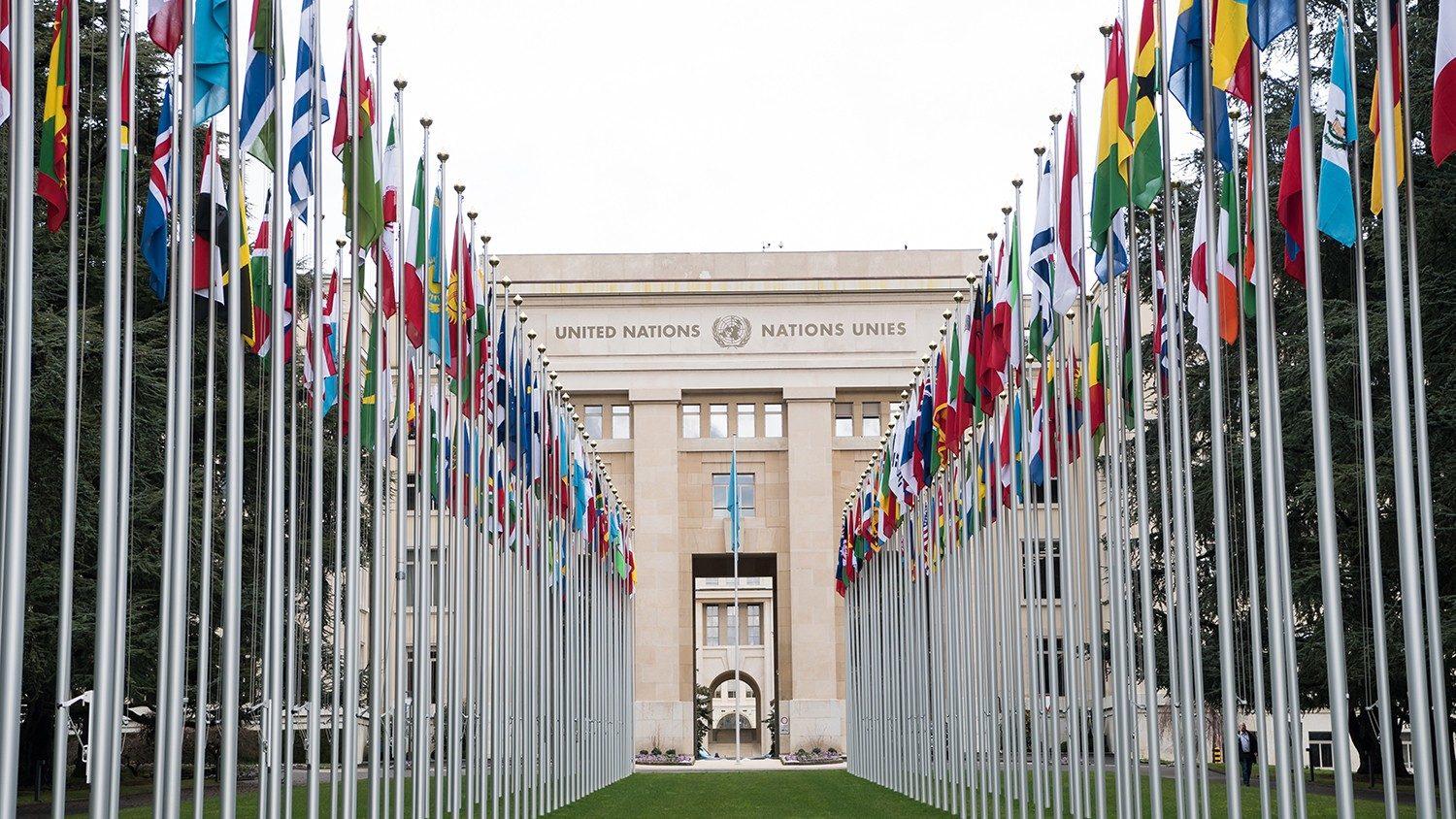
That was the stark assessment of the Holy See, shared officially on Wednesday at the high-level segment of the United Nations’ permanent Conference on Disarmament in Geneva.
The statement from the Holy See came as the most powerful nation on earth moves rapidly to implement a policy of AI acceleration that includes the development of autonomous weapons systems.
In January, U.S. Defense Secretary Pete Hegseth circulated a memo to all branches detailiong the Pentagon’s new Artificial Intelligence Acceleration Strategy.
“Together with capability innovation,” Hegseth stated in his memo, “we must more fully incorporate AI and Autonomy into military planning; tactics, techniques and procedures (TTP) development; and experimentation processes.”
Industry leaders reluctant to cooperate with the Pentagon on autonomous weapons development and espionage capabilities have already begun to face threats of backlash.
RELATED: New US policy on AI threatens industry disruption, puts US at loggerheads with Holy See
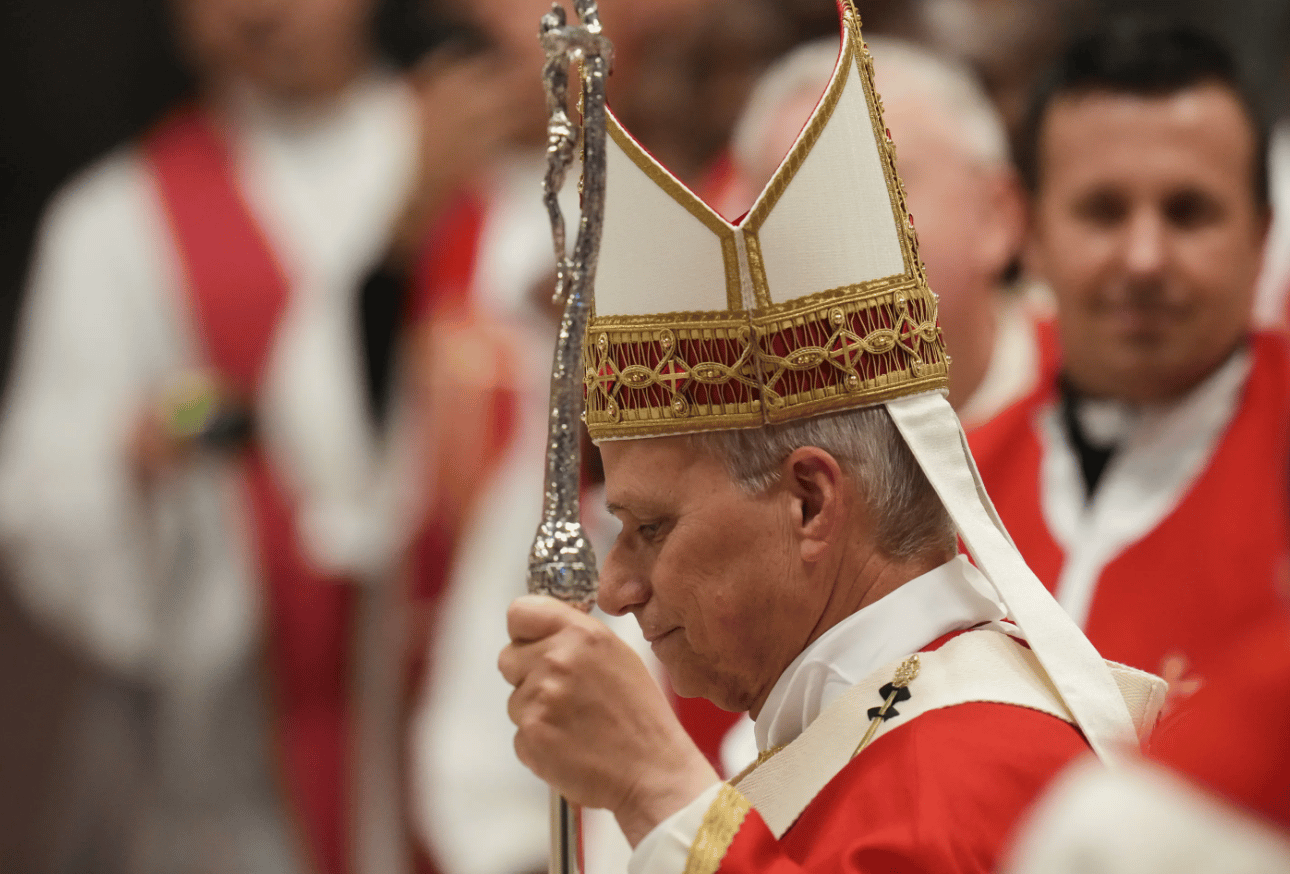
The Holy See’s representative to the high-level segment of the Conference’s 2026 meeting, Monsignor Daniel Pacho, told participants, “A diplomacy that promotes dialogue and seeks consensus among all parties is being replaced by a diplomacy based on force, by either individuals or groups of allies.”
“These dynamics,” he said, “have deprived this Conference, which for years has been held hostage to a stalemate, of its very raison d’être, that is, to negotiate multilateral disarmament instruments.”
Established in 1978, the Geneva-based Conference on Disarmament involves all the world’s nuclear powers as well as scores of other nations and has played a key role in negotiating major multilateral arms limitation and disarmament agreements.
The Conference had notable successes in its first decades of existence, but member states have struggled to overcome what then-UN Secretary General Ban Ki-moon had already lamented as an “impasse over priorities” as long ago as 2008.
Regarding the weaponization of AI specifically, Pacho forcefully reiterated the Holy See’s long-standing objection to such weapons and repeated the Vatican’s call for a moratorium on their development.
“Emerging technologies are not only transforming our daily lives,” Pacho said, “they are also changing the ways wars are fought, resulting in an ‘even more cold and detached approach to the immense tragedy of war’.”
“When autonomous weapons ‘become’ the combatants,” the Holy See’s representative said, “the unique human capacity for moral judgment and ethical decision-making disappears, as does the burden of responsibility, dangerously lowering the threshold for conflict.”
“Therefore,” Pacho continued, “it is fundamental to retain human control and judgement in the use of force, and a moratorium on the development and use of lethal autonomous weapons systems should be established immediately.”
Follow Chris Altieri on X: @craltieri