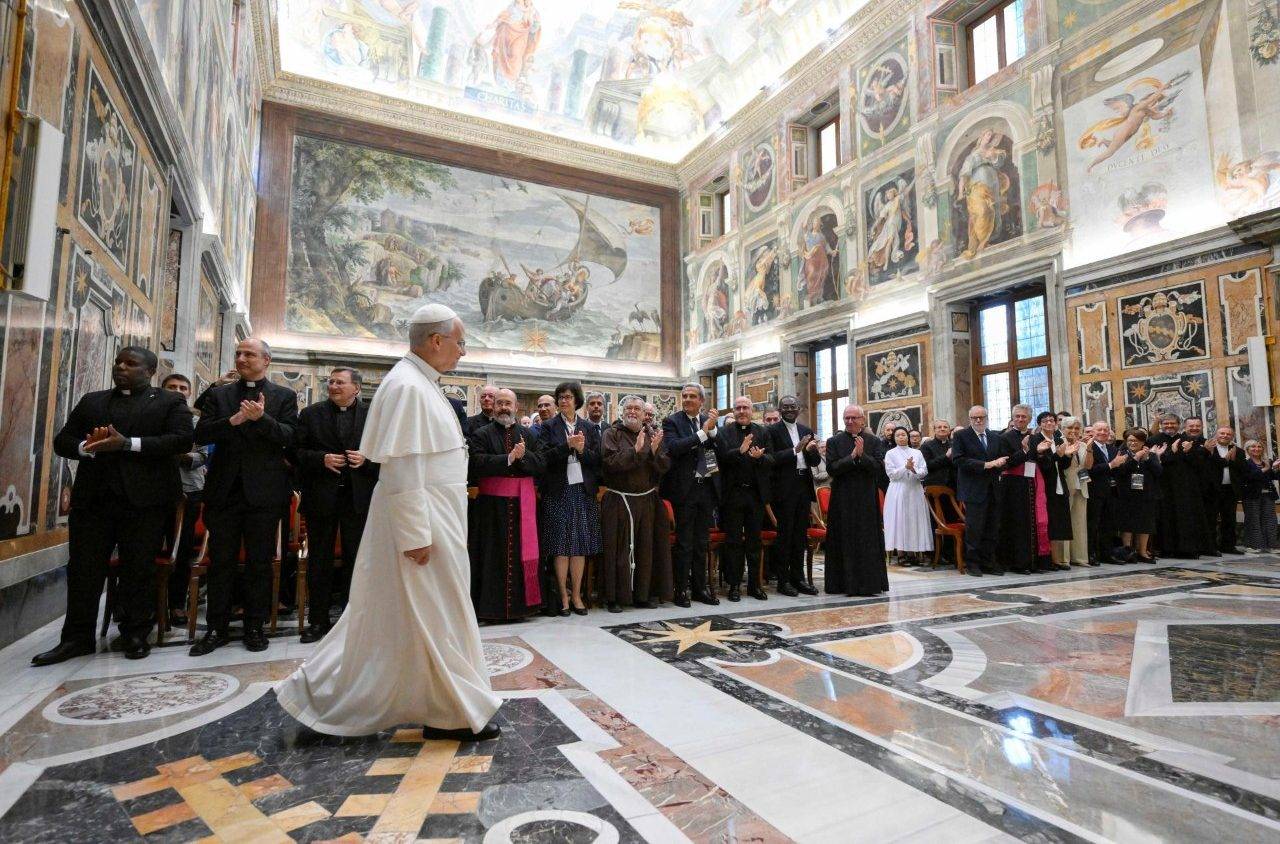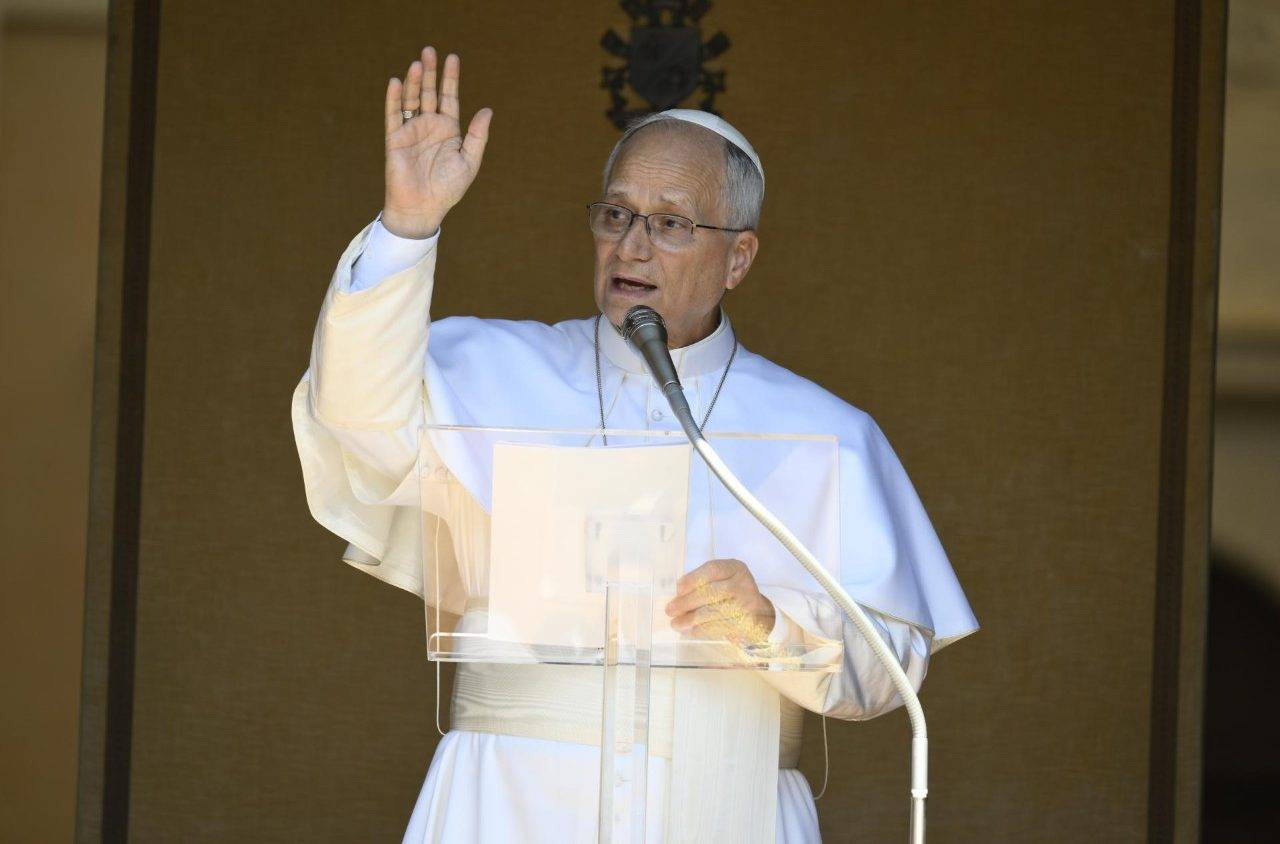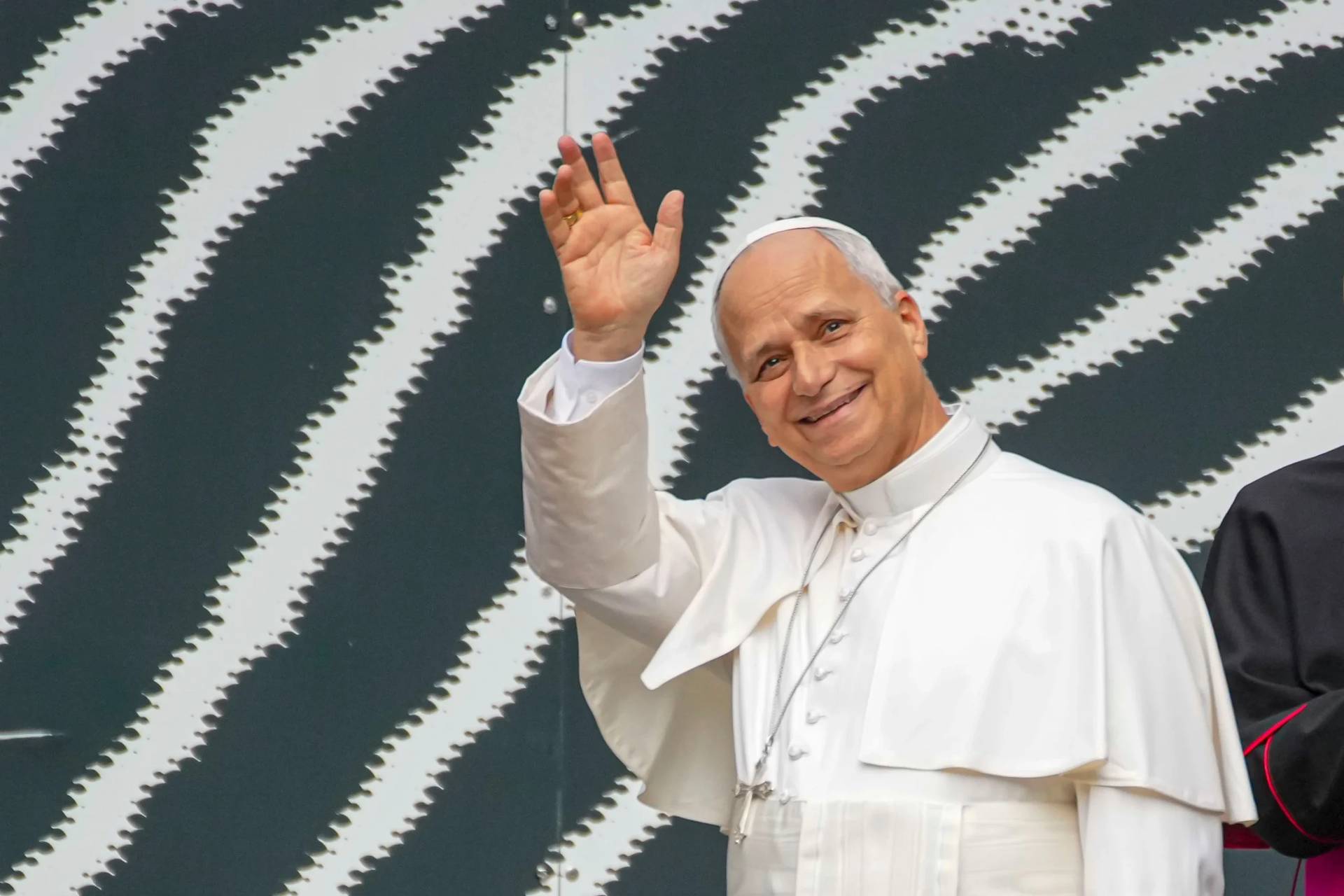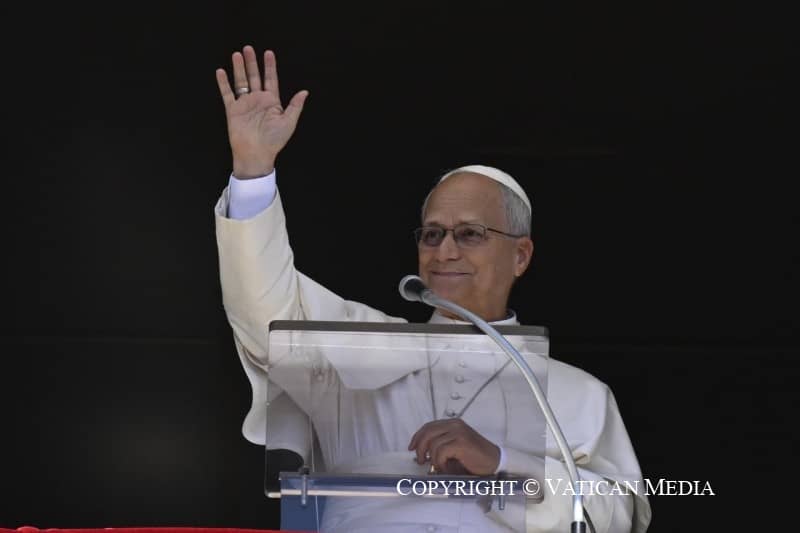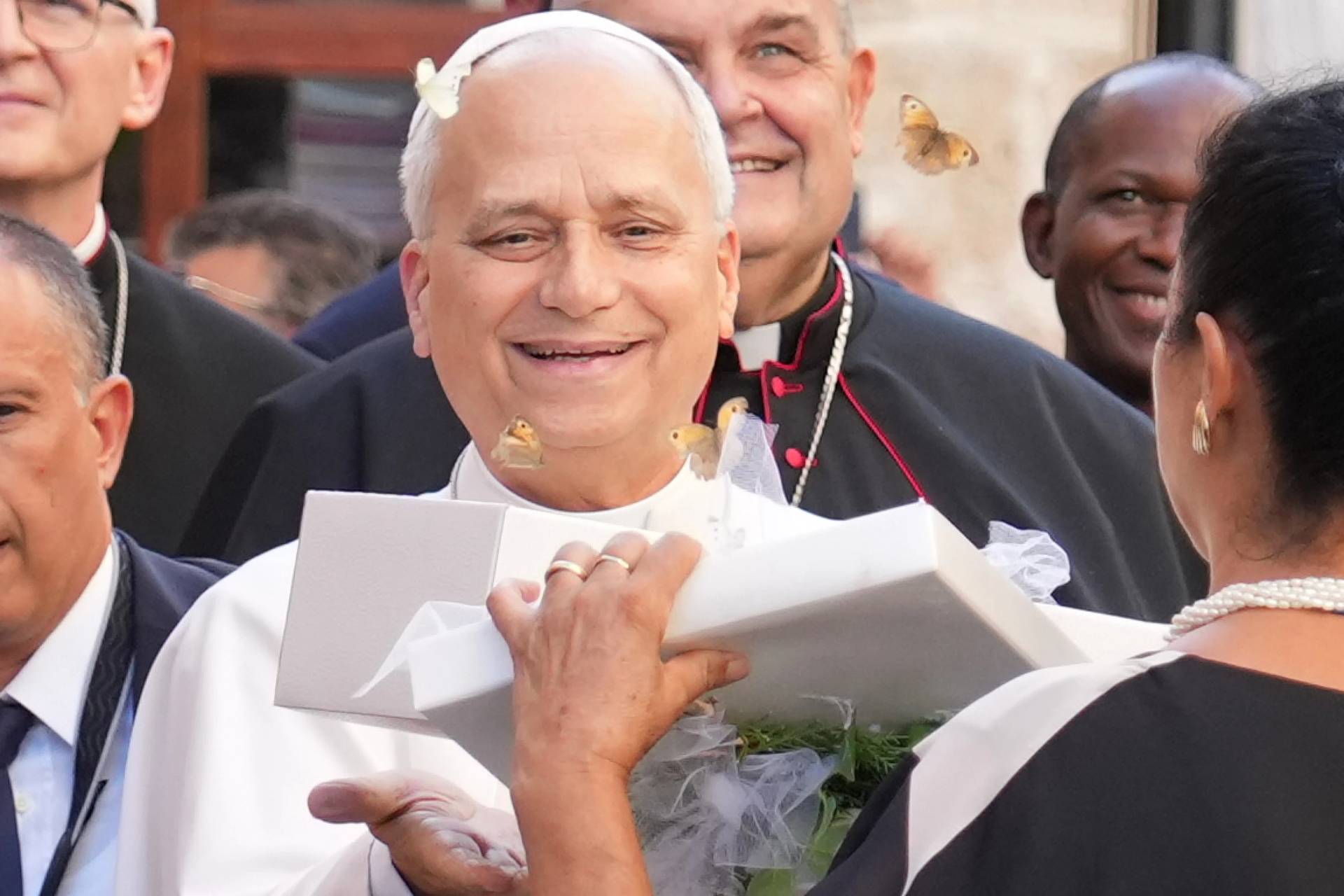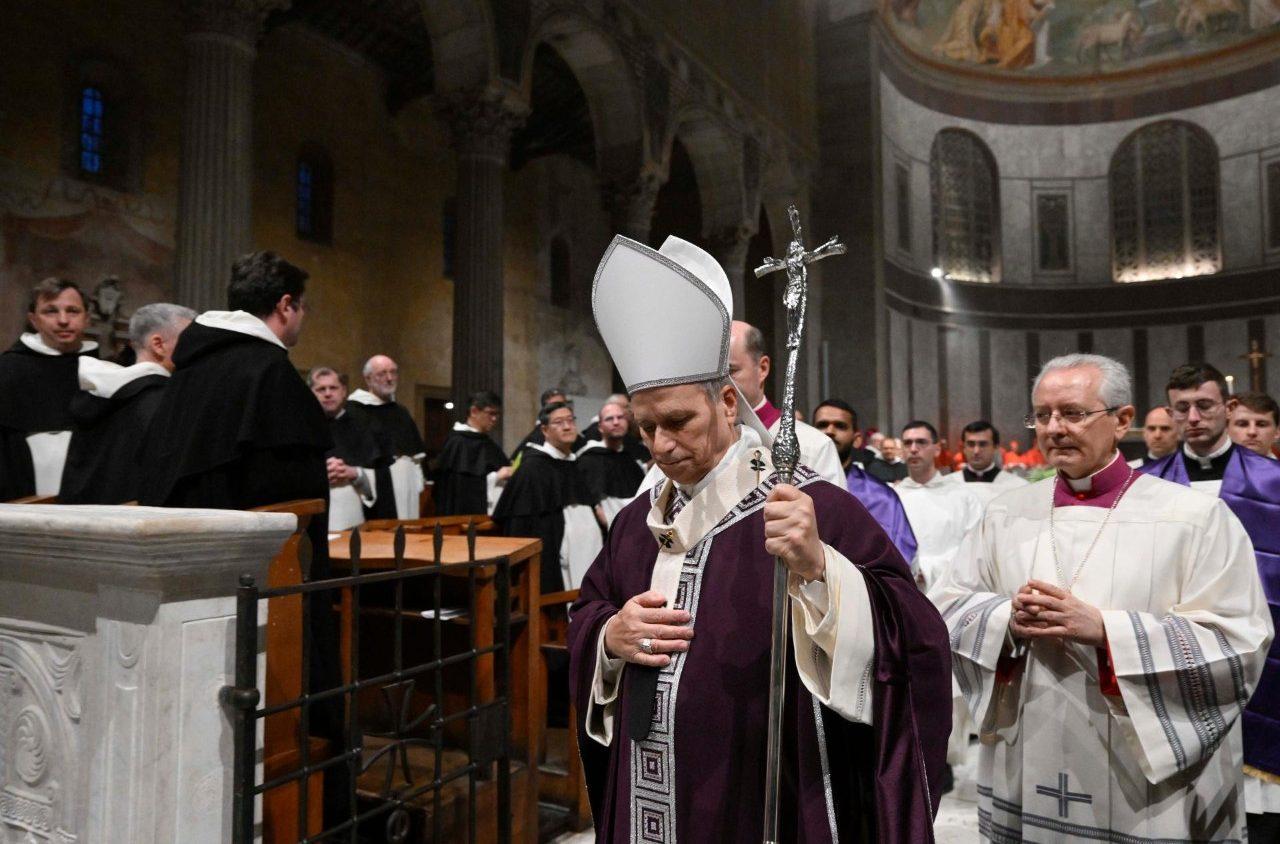
ROME – Pope Leo inaugurated the Lenten season Wednesday lamenting the various “structures of sin” that exist in the world and encouraging believers to live embrace the period as a time of conversion.
Speaking in his Feb. 18 homily for Ash Wednesday, which marks the beginning of the Lenten liturgical season, the pope said the day’s readings are a reminder of the need to bring “each of us out of our isolation” and shows “the urgent need for conversion, which is always both personal and public.”
While sin is always personal, the pope said, “it takes shape in the real and virtual contexts of life, in the attitudes we adopt towards each other that mutually impact us, and often within real economic, cultural, political and even religious ‘structures of sin.’”
“Scripture teaches us that opposing idolatry with worship of the living God means daring to be free, and rediscovering freedom through an exodus, a journey, where we are no longer paralyzed, rigid or complacent in our positions,” he said.
Rather, believers are called to be “gathered together to move and change,” he said, adding, “how rare it is to find adults who repent — individuals, businesses and institutions that admit they have done wrong!”
Pope Leo spoke from the Basilica of Santa Sabina, where he celebrated Ash Wednesday Mass after leading a procession from the nearby Basilica of Saint Anselmo.
Referring in his homily to the prophet Joel’s instruction in the day’s scripture readings to “gather the people,” he said Lent among other things is “a powerful time for community.”
“We know that it has become increasingly difficult to gather people together and make them feel like a community – not in a nationalistic and aggressive way, but in a communion where each of us finds our place,” he said.
Lent is ultimately a time to recognize one’s sins, which he called “evils that have not come from supposed enemies, but afflict our hearts, and exist within us.”
Believers must respond to their sins “by courageously accepting responsibility for them,” he said, saying this is a “countercultural” attitude, but an attractive one in modern times, “when it is so easy to feel powerless in the face of a world that is in flames.”
Pope Leo then reflected on the act of repentance, noting that young people are increasingly interested in this call to conversion and penance, understanding that “it is possible to live a just lifestyle, and that there should be accountability for wrongdoings in the Church and in the world.”
“We must therefore start where we can, with those who are around us,” he said, saying Lent in this sense holds a “missionary significance.”
It is missionary, he said, because Lent invites believers to personal conversion and to reach out “to the many restless people of good will who are seeking authentic ways to renew their lives, within the context of the Kingdom of God and his justice.”
He stressed the importance of the witness that Christians give to the world, and the invitation to conversion in Lent, symbolized by the distribution of ashes.
The distribution of ashes is an act that “defies common sense and at the same time responds to the demands of our culture,” he said.
Quoting Pope Paul VI, Leo said the ashes are a reminder of humanity’s “tremendous capacity for delusion, self-suggestion and systematic self-deception about the reality of life and its values.”
It is also a reminder, he said, that “most of the material offered to us today by philosophy, literature and entertainment concludes by proclaiming the inevitable vanity of everything, the immense sadness of life, the metaphysics of the absurd and of nothingness.”
Calling his predecessor’s words “prophetic,” the pope said the ashes dispersed during the liturgy reflect “the weight of a world that is ablaze, of entire cities destroyed by war.”
“This is also reflected in the ashes of international law and justice among peoples, the ashes of entire ecosystems and harmony among peoples, the ashes of critical thinking and ancient local wisdom, the ashes of that sense of the sacred that dwells in every creature,” he said.
Both history and the human conscience, he said, beckon believers “to call death for what it is, and to carry its marks within us while also bearing witness to the resurrection.”
“We recognize our sins so that we can be converted; this is itself a sign and testimony of Resurrection,” he said, saying this means that believers “will not remain among the ashes, but will rise up and rebuild.”
The joy of Easter and the resurrection is only possible, he said, “if we participate, through penance, in the passage from death to life, from powerlessness to the possibilities of God.”
Pope Leo closed his homily urging Christians to follow the example of the martyrs, who served and sacrificed often without being seen, and inviting them to “redirect, with sobriety and joy, our entire lives and hearts towards God.”
Follow Elise Ann Allen on X: @eliseannallen