Today’s persecution of Christians is one of the most prevalent crises in the world today, a Vatican official has told the United Nations.
More than 388 million Christians around the world face high levels of persecution and discrimination for their faith, which equates to more than 14 percent of all believers in Christianity, according to the charity Open Doors.
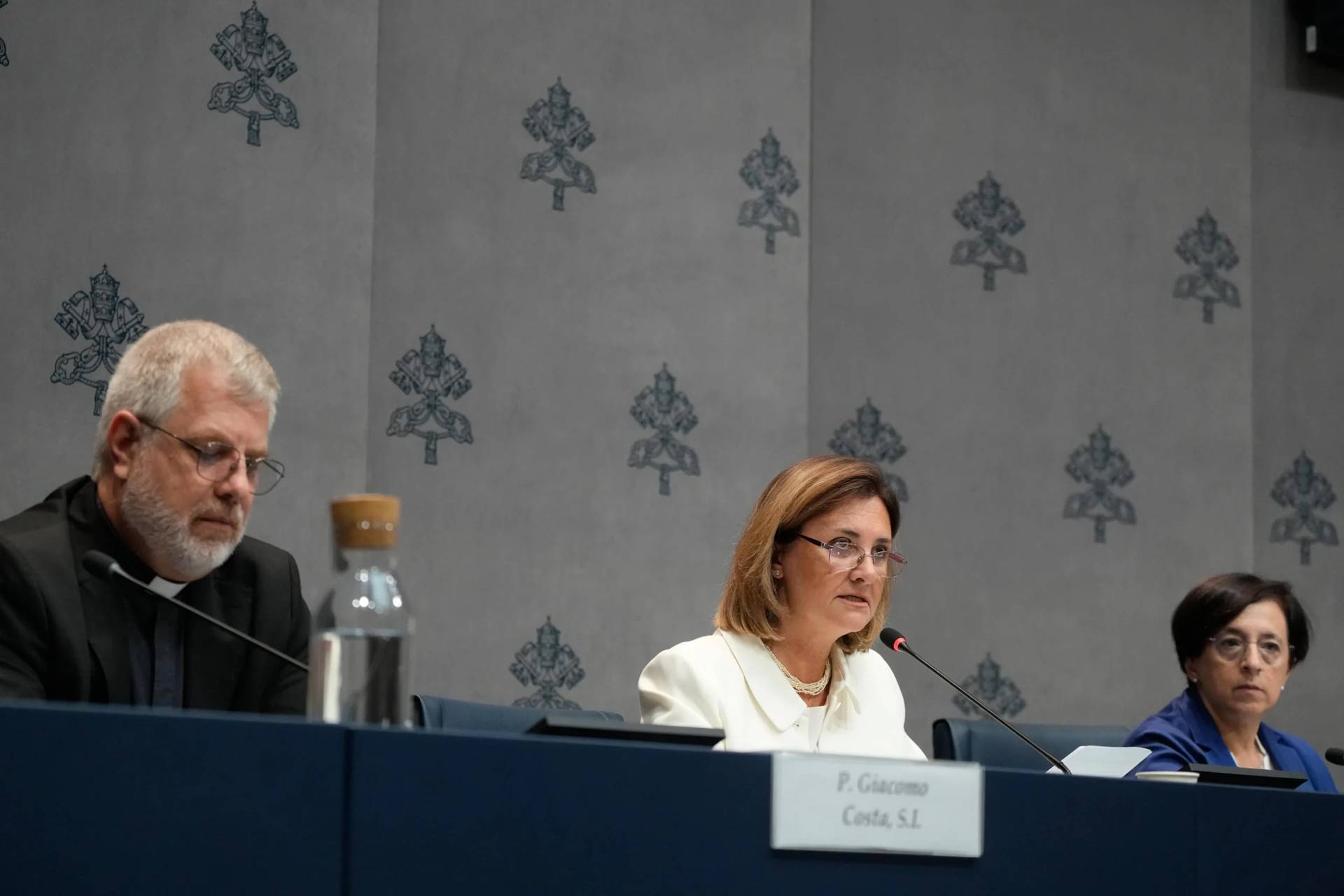
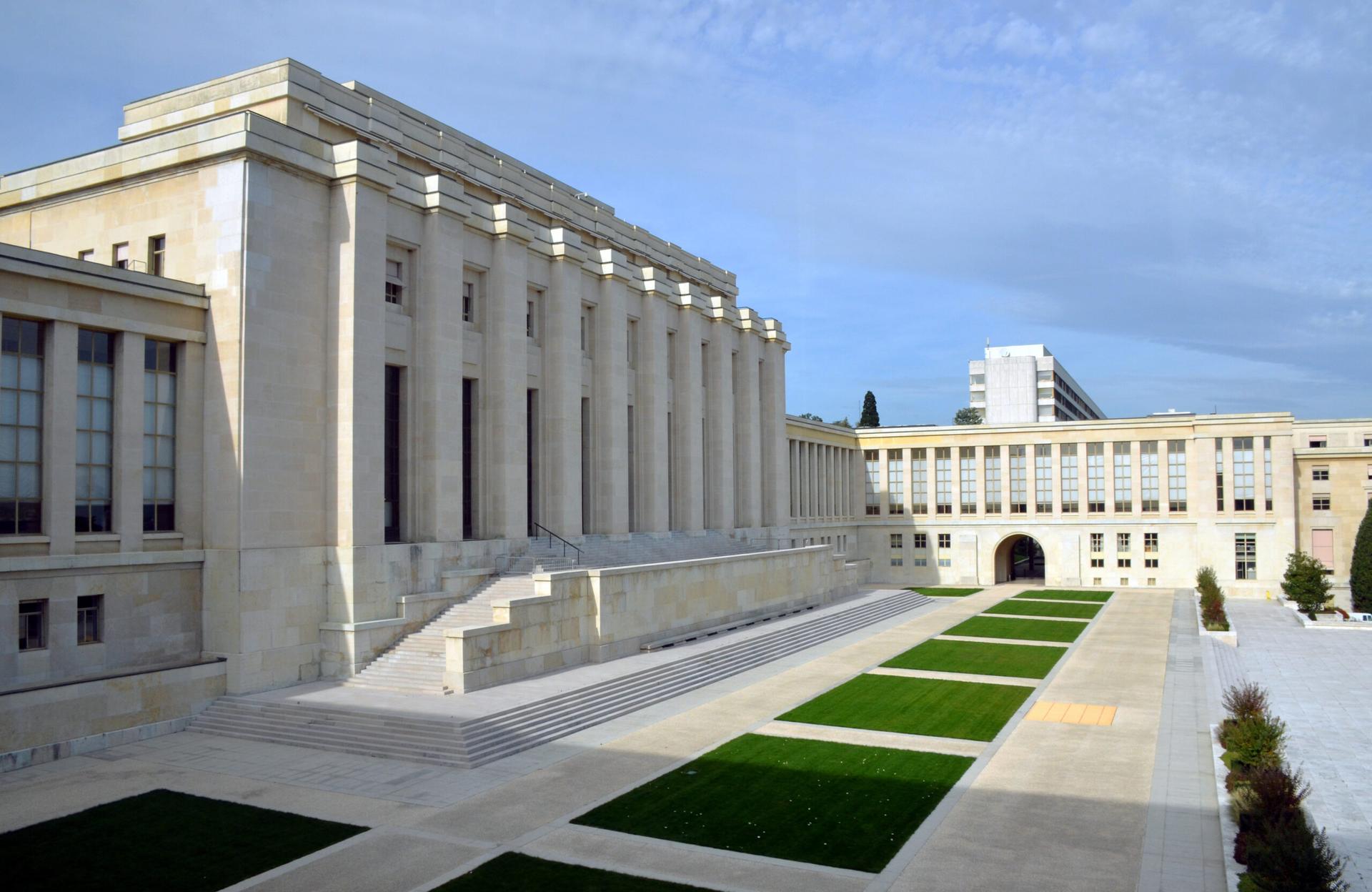
“This unfortunate situation has deteriorated further in 2025 due to the exacerbating factors of conflict and extremism,” Monsignor Daniel Pacho told the United Nations Human Rights Council on Feb. 25. The priest is the Holy See’s Undersecretary for the Multilateral Sector of the Section for Relations with States and International Organizations.
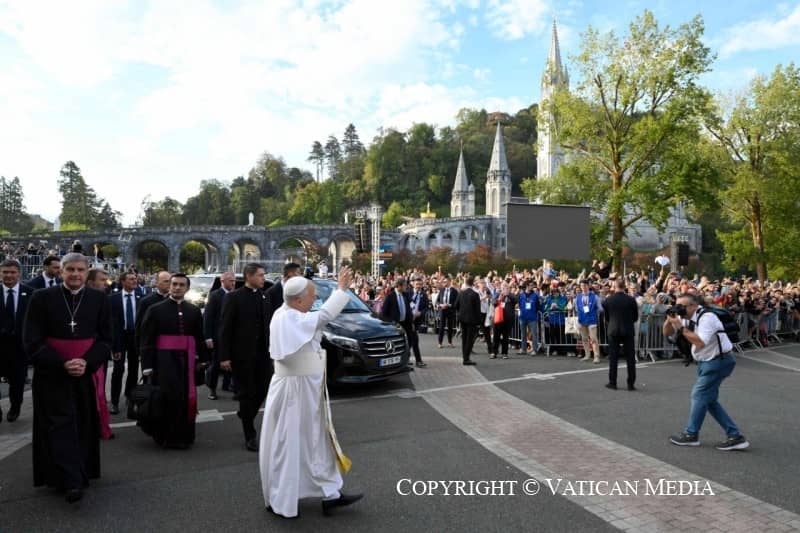
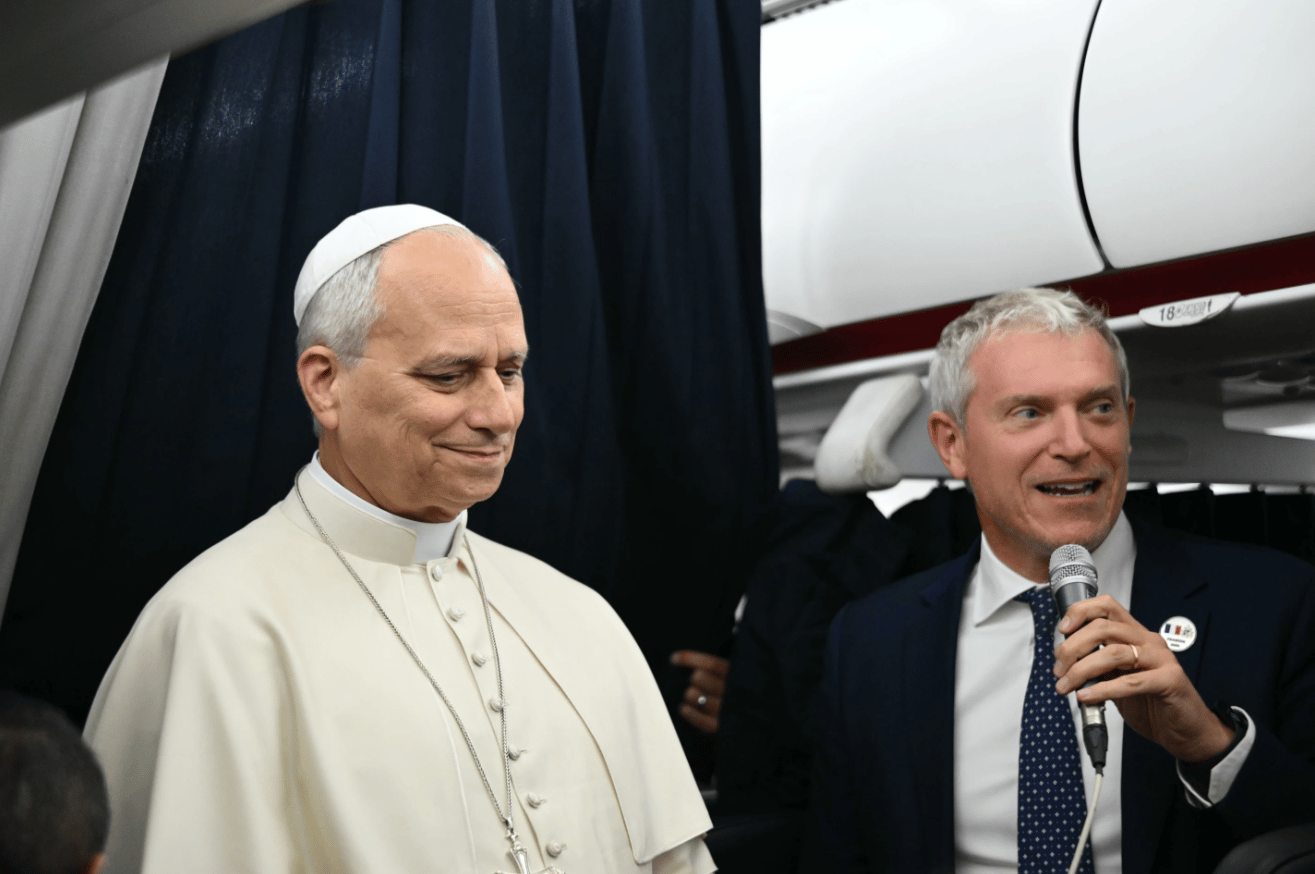
Since his election, Pope Leo XIV has been highlighting the persecution of Christians, especially during his address to the Diplomatic Corps accredited to the Holy See last month.
“[Christians] suffer high or extreme levels of discrimination, violence and oppression because of their faith,” Leo said on Jan. 9.
“This phenomenon impinges on Christians globally, and it worsened in 2025 due to ongoing conflicts, authoritarian regimes and religious extremism. Sadly, all of this demonstrates that religious freedom is considered in many contexts more as a ‘privilege’ or concession than a fundamental human right,” the pope continued.
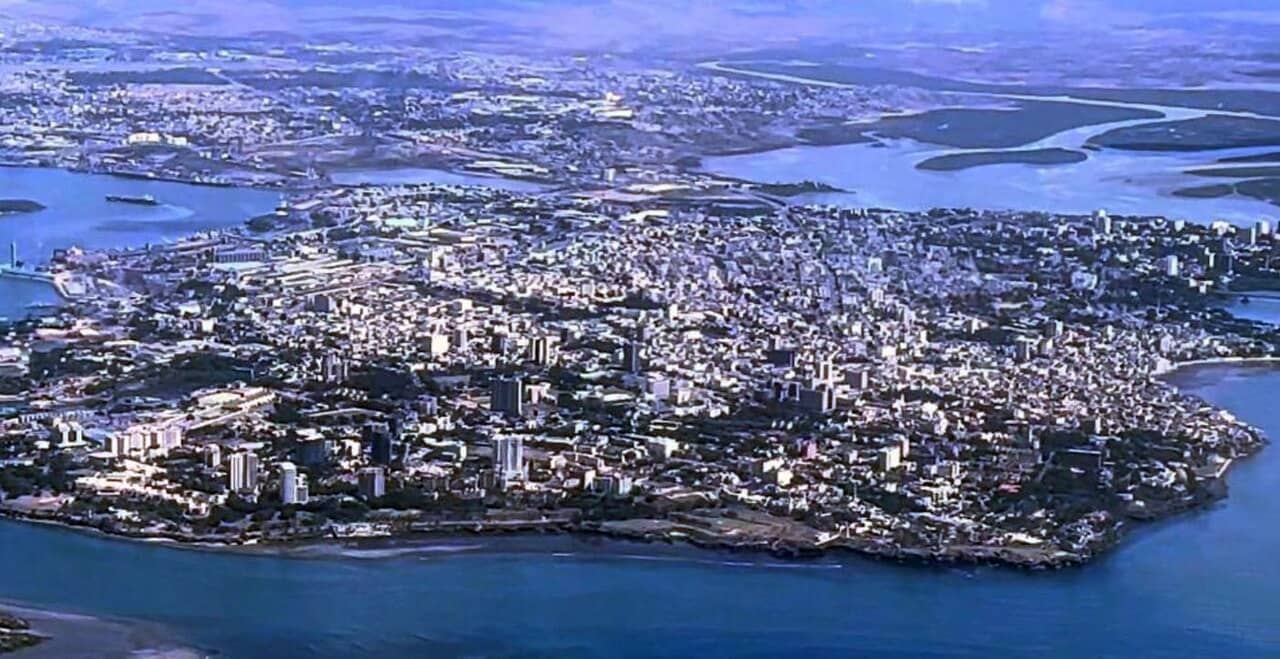
Pope Leo made specific reference of the violence facing Christians in Bangladesh, the Sahel region of Africa, and Nigeria. He also mentioned the terrorist attack on the parish of Saint Elias in Damascus, Syria, and the jihadist violence in Cabo Delgado, Mozambique.
“At the same time, we must not forget a subtle form of religious discrimination against Christians, which is spreading even in countries where they are in the majority, such as in Europe or the Americas,” Pope Leo added, mentioning the restrictions in the ability to proclaim the truths of the Gospel for political or ideological reasons.
In his address on Wednesday, Pacho echoed the Pope’s words, saying “it is crucial” to address the phenomenon of “polite persecution” that is spreading in Western societies, where believers are increasingly restricted in living and proclaiming the Gospel, particularly when it comes to defending life from conception to its natural end, the family, or migrants, under the guise of “tolerance.”
The Vatican official said human rights remain the cornerstone of any flourishing society, offering hope and rejecting brutality and injustice.
According to Pacho, the human rights project is currently facing a credibility crisis, and the retreat from multilateral frameworks by some countries is “particularly troubling,” as is the erosion of meaning across the multilateral system.
The priest pointed to the “reinterpretation or selective endorsement” of traditional human rights by many groups. He said the issue is further compounded by the ongoing proliferation of so-called “new rights,” a term often used by the Holy See to refer to more recently articulated human rights claims — particularly in areas such as abortion, assisted suicide, gender identity and sexual orientation — that it argues are not explicitly grounded in foundational international human rights documents.
“It is evident that a paradox is being observed, wherein fundamental rights are being restricted under the guise of these so-called new rights,” said Pacho.
“The right to freedom of expression, freedom of conscience, religious freedom and even the right to life are being restricted in the name of other so-called new rights, with the result that the very framework of human rights is losing its vitality and creating space for force and oppression,” he said, quoting Pope Leo.
“This occurs when each right becomes self-referential, and especially when it becomes disconnected from reality, nature and truth.”