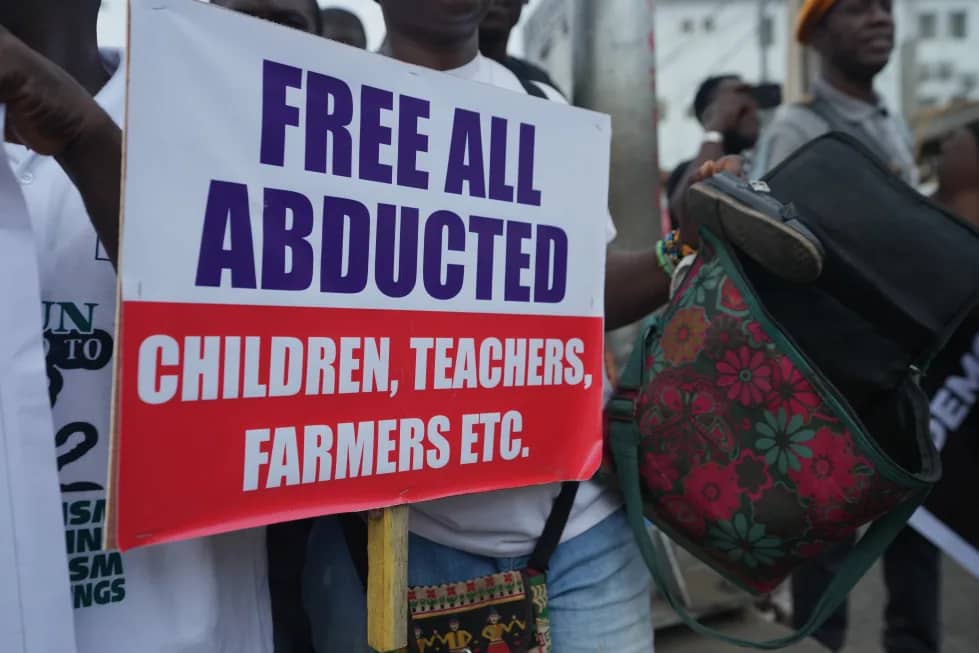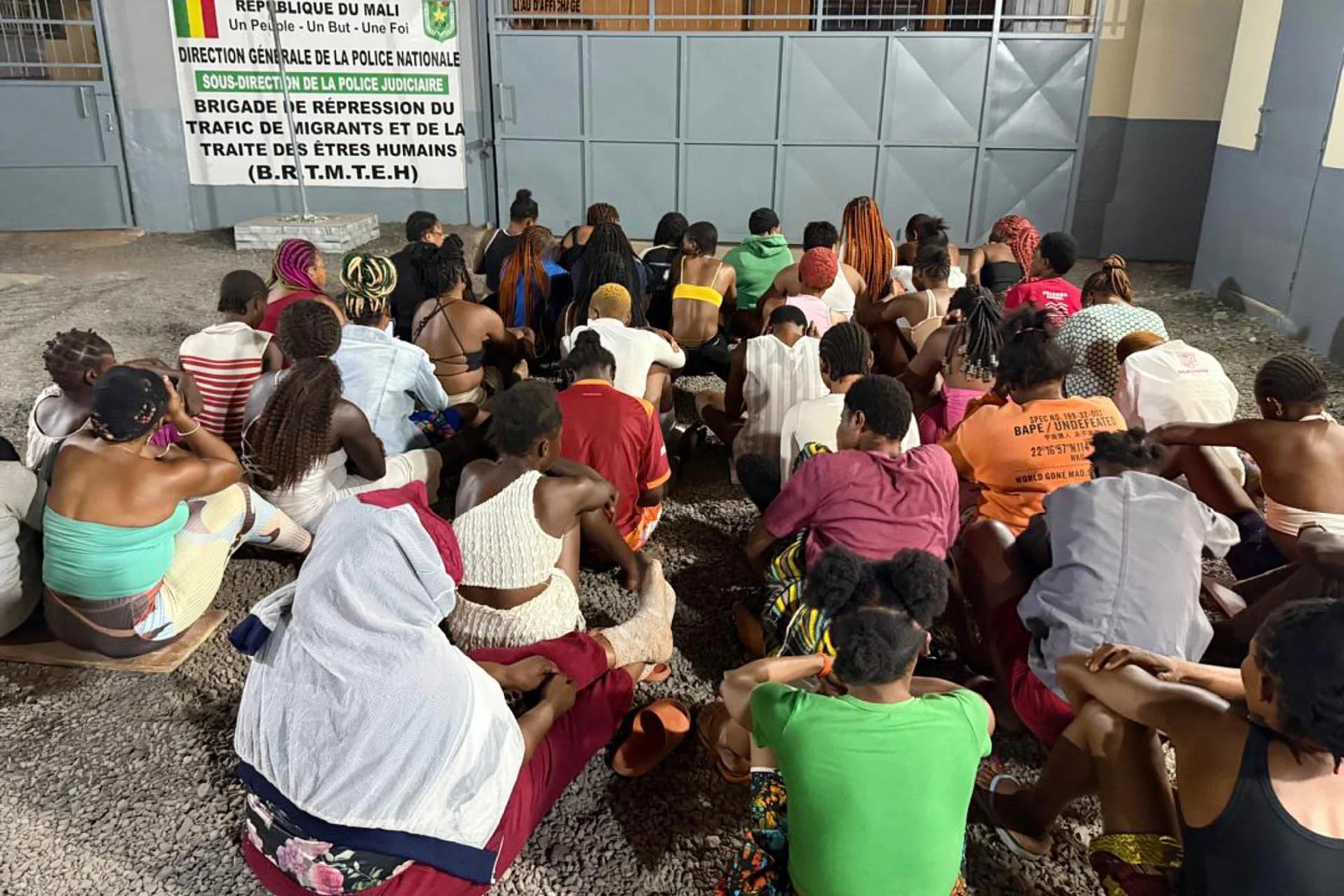
As the world prepares to commemorate the Feast of Saint Josephine Bakhita on February 7, an extraordinary movement against human trafficking is gaining momentum across Africa.
Sister Leonida Katunge, a Kenyan religious sister inspired by Bakhita’s remarkable journey from slavery to sainthood, is leading an “Army against Modern Day Slavery” that spans more than 30 African nations with over 23,000 committed “soldiers.”
This campaign comes at a critical time when, according to the International Labor Organization, over 50 million people globally live in conditions of modern slavery, generating an estimated $150 billion annually. In Africa, the crisis is particularly acute, with countries like Eritrea, Mauritania, and South Sudan showing alarming prevalence rates.
Katunge told Crux that St. Bakhita’s Feast will be used to “pray for the victims of human trafficking, for their families, and even pray for those who are survivors and who are still living with the wounds of trafficking.”
“On Friday, February 6th, we’ll have a candle lighting in preparation for the celebration of the 7th. We’ll be praying for deceased brothers and sisters as we remember them and the struggles that they went through in the arms of their captors. “
A highpoint of the celebration will be a keynote speech from pan-Africanist lawyer, P.L.O Lumumba who will speak about the reality of human trafficking in Africa.
“Human trafficking is a war against human dignity,” Katunge told Crux, “requiring an army of committed people who stand firm until freedom is won.”
Following are excerpts of that interview…
Crux: What inspired you to create this “Army against Modern Day Slavery” and to hold it on the Feast of St. Bakhita?
Sister Leonida Katunge: Human trafficking is a war against human dignity, requiring an army of committed people who stand firm until freedom is won. The Feast of St. Josephine Bakhita is deeply symbolic as she is the patron saint of trafficked persons. Her life reminds us that oppression cannot destroy human dignity. Across 30+ African countries, we stand united by our love for God and humanity.
Could you briefly share the story of St. Josephine Bakhita?
Born in 1869 in South Sudan, Bakhita was kidnapped at 9, sold into slavery, and brutally tortured. She was brought to Italy where she encountered the Canossian Sisters, chose to remain with them, and became a religious sister. Despite her suffering, she forgave her captors: “If I were to meet the slave-traders…I would kneel and kiss their hands, for if that did not happen, I would not be a Christian and religious today.” She died in 1947 and was canonized in 2000.
How does her legacy of forgiveness shape your fight against modern slavery?
Bakhita’s story shows spiritual freedom through forgiveness despite great suffering. We gently encourage survivors toward this journey, as forgiveness can break the invisible chains left by traffickers. Her life teaches that healing is possible and true freedom begins within.
As a religious sister, how does St. Bakhita inspire you personally?
Having visited her shrine in Italy, I’m inspired by how this African girl fought and won her battle. She teaches me to stand with the enslaved, believe in their dignity when they cannot, and trust that God fights alongside us.
How has slavery evolved in our time?
Today’s slavery is hidden, organized, and profitable — taking forms like human trafficking, forced labor, and online recruitment. Social media has become a dangerous tool for deception. The chains are now digital, economic, and psychological.
Who are the soldiers, the vulnerable, and the perpetrators in this battle?
The Army 2025 consists of 23,000+ soldiers across 30+ African countries — priests, religious, professionals, youth, and survivors. The most vulnerable are women, children, unemployed youth, migrants, and those displaced by poverty and conflict. Perpetrators include criminal networks, corrupt officials, and digital predators.
What global factors fuel modern slavery?
Poverty, armed conflict, political instability, climate change, displacement, weak governance, corruption, global inequality, demand for cheap labor, gender discrimination, and digital recruitment all contribute to modern slavery’s persistence and expansion.
Do we have facts and figures on modern slavery?
According to the ILO, over 50 million people globally live in modern slavery, generating $150 billion annually. In Africa, Eritrea has the highest prevalence (90.3 per 1,000), followed by Mauritania (32 per 1,000). Nigeria, Ethiopia, and Egypt have the highest absolute numbers due to large populations.
What are the “weapons” used by your army?
Our weapons are faith and action — prayer, digital evangelization, arts, and collaboration with law enforcement. We intentionally use social media to warn, educate, and protect, turning recruitment tools into prevention tools.
Why was Prof. P.L.O. Lumumba the ideal keynote speaker?
Prof. Lumumba, a renowned Pan-Africanist, consistently speaks truth to power about corruption’s role in destroying institutions and exposing people to exploitation. He connects corruption, poor governance, and modern slavery, calling for moral responsibility and protection of human dignity.
What gives you hope, and what keeps you fighting?
My hope is rooted in faith — God is not asleep. Luke 4:18 reminds us to “proclaim freedom to captives.” I fight because I am free and must speak for those without voices. Having seen girls rescued and reunited with families, I know that with God, all things are possible.