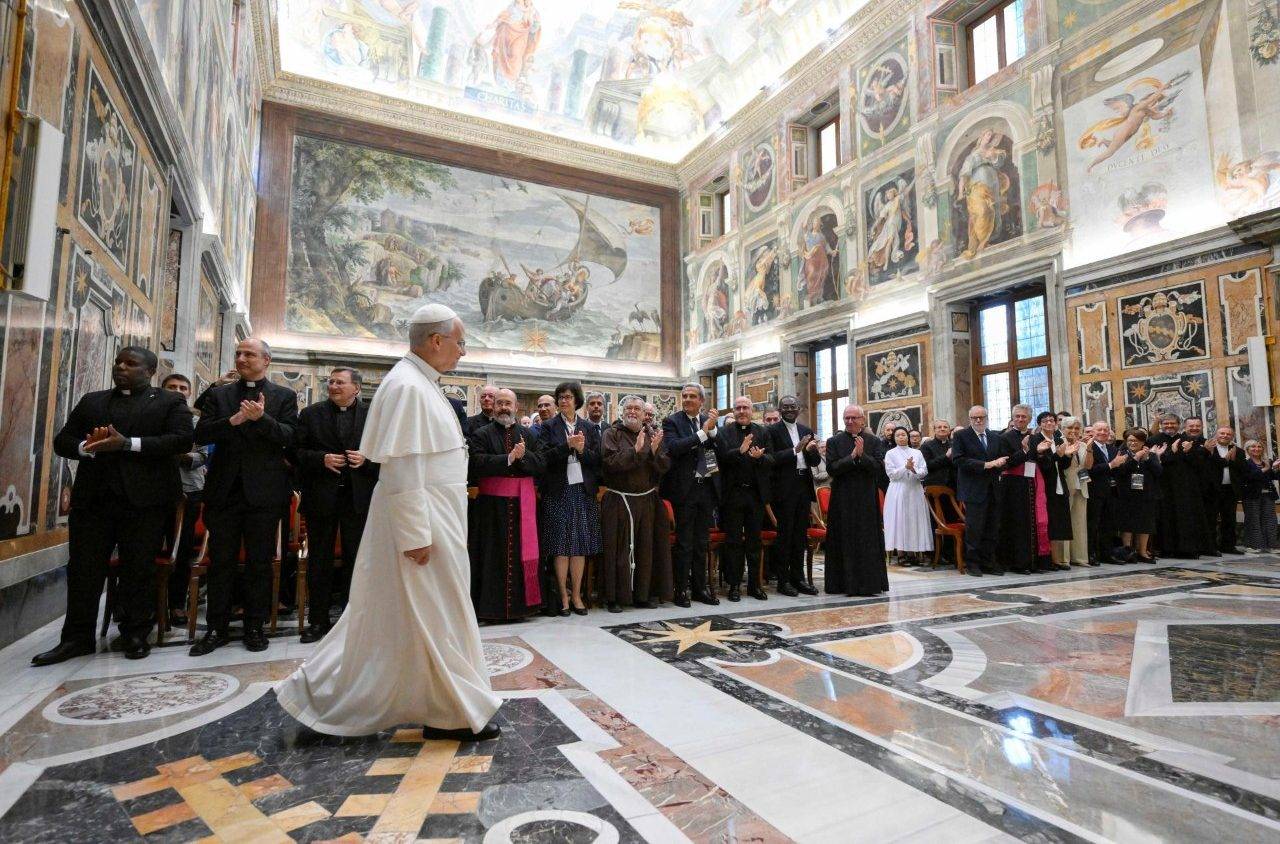
As Pope Leo XVI prepares to visit Algeria, the Bishop Michel Jean-Paul Guillaud of Constantine says the Holy Father’s presence will demonstrate that Christianity “is an asset and not a danger” to Algeria.
In an interview with Crux Now, the Church leader discusses the deep connection to Saint Augustine that unites the Pope with the nation, the daily realities faced by Christians who are “one in a thousand,” and their hopes for a future where their presence is seen as a “wealth, not a danger.”
The northern Africa nation has a population of about 47 million people, but Catholics make up just 0.2 percent of the population, composed mainly of foreign expatriates, students, and migrants rather than indigenous residents.
Guillaud, a French priest from Lyon in France, speaks about the daily realities faced by Christians.
From the challenges of practicing faith in a predominantly Muslim country to the joy found in small, tight-knit communities, the bishop paints a compelling portrait of a Church singing the “alleluia of the road” with perseverance and profound hope.
Following are excerpts of that interview…
Crux Now: What is the significance of this papal visit to Algeria, both for the local Church and for the country as a whole?
Guillaud: The Holy Father has already visited Algeria twice, in 2003 and 2014, when he was Prior General of the Order of Saint Augustine. He is not coming primarily on a personal pilgrimage in the footsteps of Saint Augustine, but to meet the Algerian people and to support his Church, drawing on the strong bond between them through the figure of Augustine.
What is the general feeling among the faithful in Algeria as they prepare for this historic visit?
When Pope Leo was elected, one of his first statements was: “I am the son of Saint Augustine.”
All of Algeria trembled. Was he a descendant of an Algerian who had immigrated to the United States? Algerians quickly understood that this connection was of a different order, but they retained a sense of complicity with him, as ‘sons of Augustine’. And since then, they have been waiting for him!
As for Christians themselves, they await him with both great joy and a certain expectation: when Saint Peter travels in the Acts of the Apostles, it is anything but ordinary. With his successor, we try to open our hearts to the grace proper to this visit.
What are the main hopes and objectives of the Church in Algeria for this visit?
A visit is a free adventure, not a round of negotiations with the hope of winning contracts or privileges. Algerians know that popes are not only concerned with their flock, but also with peace, justice and reconciliation for all.
Algeria is close to Europe. Rome, Paris and Madrid are closer to Algiers than the south of Algeria. The Algerian people’s experience of Christianity has mainly been with Europeans in recent centuries.
However, the majority of Catholics in Algeria today are students or migrants from sub-Saharan Africa. And the Pope who is visiting Algeria for the first time in history is American-Peruvian.
Through this Pope and the Catholics present in Algeria today, the Church is perceived more accurately, as universal, transcending the interests of states.
Algeria is the land of Saint Augustine of Hippo. How will his legacy be highlighted during the Pope’s visit?
Firstly, there is hardly a speech by the Holy Father that is not peppered with references to Saint Augustine. For Algerians who are more familiar with the life than the thought of the Bishop of Hippo, this allows them to more fully appreciate the relevance of this figure for our contemporaries.
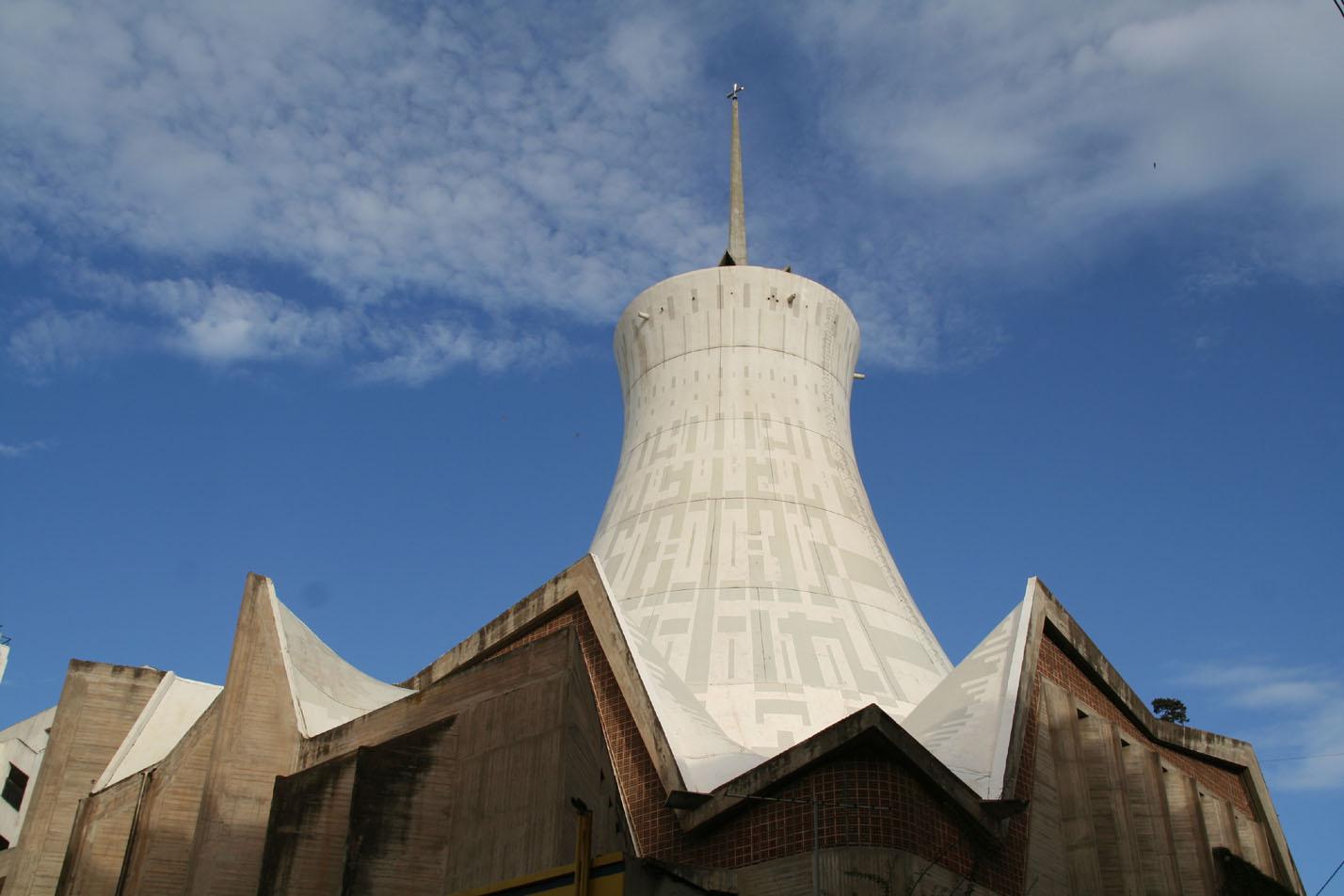
On April 14, the Pope will travel 500 kilometers from Algiers to celebrate Mass in the Basilica of Hippo, in the city now called Annaba. This can only draw attention to this place, where tens of thousands of Algerian Muslims already come every year to visit – families, tourists, school groups and university students – to discover this place and something of the man whose memory it preserves.
How can the life and teachings of Saint Augustine serve as a bridge and source of inspiration for Christians living in Algeria today?
Every year, we organize “Augustinian Days” in Hippo, attended by both Muslims and Christians.
The three speakers this year were Algerian and expressed how much the Bishop of Hippo was a source of inspiration for them. Augustine was, in his life as in his thinking, a seeker of truth, a builder of unity, a person who scrutinized the world with intelligence and faith. He propels us forward by telling us to love in everything we do, to sing the ‘alleluia of the road’ even when we are going through trials, and to walk with perseverance and confidence.
The Christian community in Algeria is a small minority. Could you talk about the daily challenges and obstacles they face in practicing their faith?
Of the country’s 47 million inhabitants, Catholics are perhaps one in a thousand.
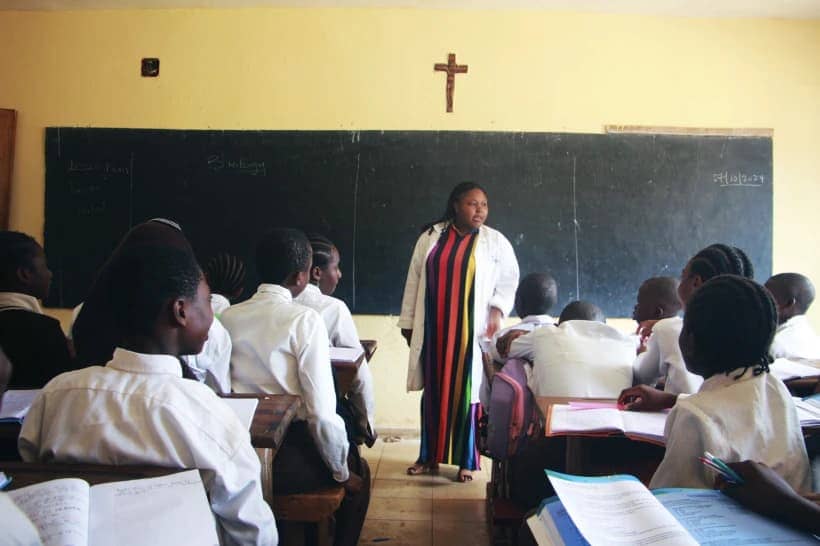
Every day we are questioned about not being Muslim. It takes a great deal of effort to join a Christian community in a country of 2.5 million square kilometers, and some have to travel several hours by road to do so. Our communities sometimes have as many Christians of other denominations as they do Catholics.
We speak different languages – English, Portuguese, Arabic, French, Berber – which is a challenge for our gatherings.
Sunday is a working day, so we have to meet at the weekend, on Friday or Saturday. We do not have a priest in every parish, and Christians must learn that a community does not begin with the presence of a priest, but with Christians.
Our communities are not very large. They rarely exceed fifty people, more often gathering 15 to 30, which gives them a character that is both more austere and more familiar.
There have been reports of laws restricting religious freedom and cases of pressure being exerted on converts. How does this affect the public life of the Church, its ability to organize services or its charitable work?
Proselytism is prohibited, but we are not in Algeria to convert the Muslim Algerian people. We are there to support Christians and maintain fraternal ties with Muslims.
We sometimes welcome people who come knocking on our door because they feel called to follow Christ. For Christians of European origin, it is considered “normal” for them to be Christians.
For people from sub-Saharan Africa, it is more surprising, since Algerians had previously only known Christians from the northern Mediterranean. When Christians are of Algerian origin, it comes as a shock.
The authorities tolerate it, respecting the conscience of the country’s citizens, but society struggles to accept it. These new Christians often have to remain very discreet in their family, social and professional environments. And evangelical communities composed solely of Algerians struggle to be recognized.
Our presence in society, when it manifests itself in cultural or charitable institutions, must remain modest, proportionate to our numbers.
Despite these challenges, where do you and your flock find hope and strength?
The Algerian people are hospitable and generous. Algerians are happy when they encounter us praying and can enter into spiritual sharing. Algeria offers foreign students the same conditions of free education as its own citizens. Being frequently questioned about their faith often provokes a sudden awakening and a new appropriation of their faith among Christians. Being few in number also increases the family-like character of our communities.
What message do you think the Pope’s presence will bring to those who feel marginalized or under pressure because of their faith?
The Pope will encourage and support Christians by showing that his presence, and therefore theirs, is an asset to Algeria and not a danger.
What is the role of the Church in a predominantly Muslim nation like Algeria?
To show that difference is not a danger, that unity can coexist with differences, whereas too much emphasis on unanimity stifles freedom. If society becomes more accepting of difference, this will benefit everyone.
Beyond the visit itself, what are your long-term hopes for the future of Christianity in Algeria?
The Catholic Church is the custodian of a treasure in the Eucharist and the apostolic ministry. But the latter has been exercised for too long in a way that gives it excessive importance.
When there are fewer priests, the challenge for the community is to realize that it does not exist primarily through the presence of a priest, but through the presence of Christians, and to rethink itself accordingly. The future depends in part on the emergence of a new way of being Church.
It also depends on the place that society will accept to give it. Everything is still possible.