YAOUNDÉ, Cameroon – In the wake of Cameroon’s contentious Oct. 12 presidential election, the Catholic Church is facing mounting criticism for its perceived silence, with some clerics and faithful accusing it of inaction and even collusion with the government.
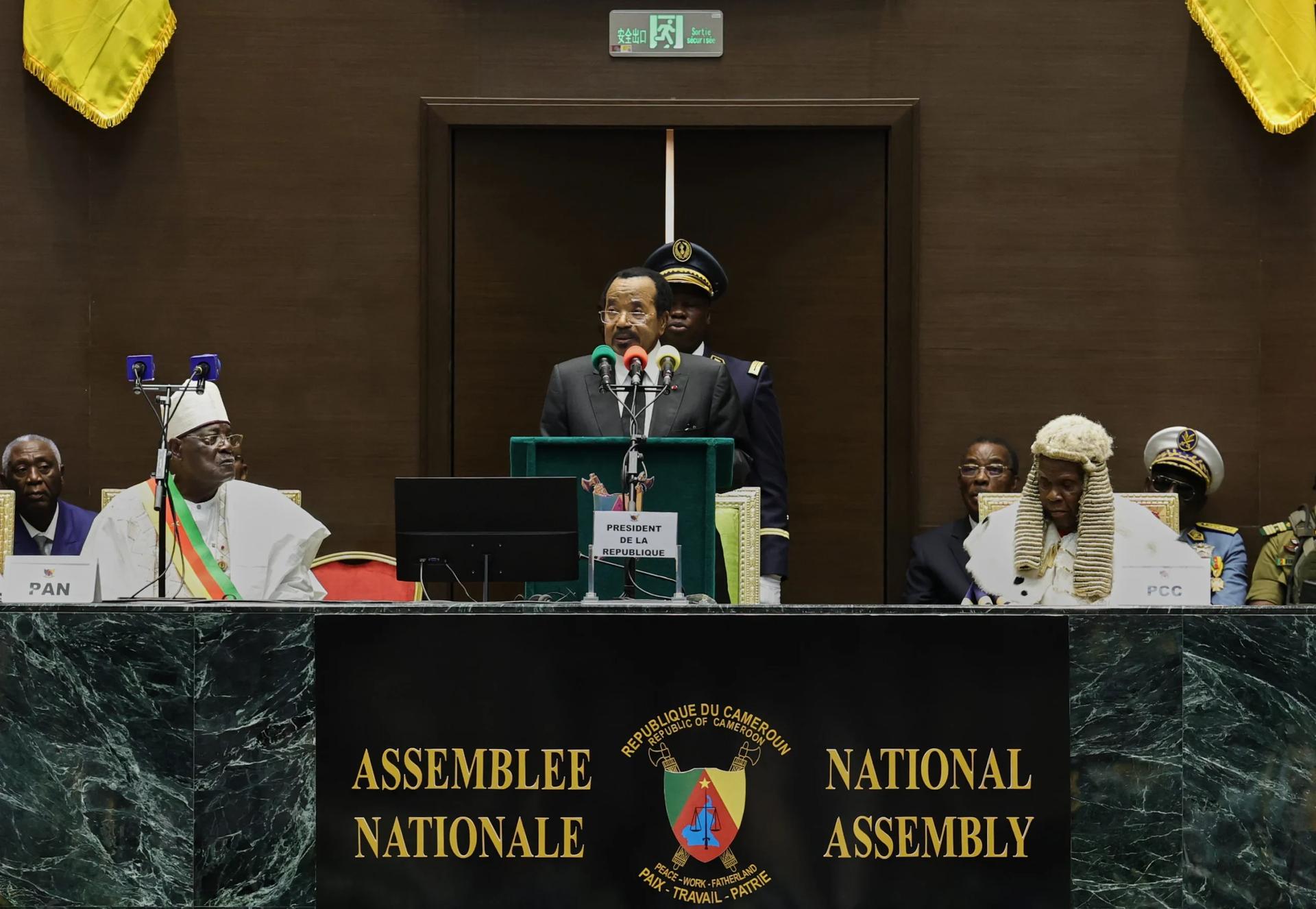
The election saw the re-election of 92-year-old incumbent, Paul Biya, who had been in power for 43 years. He will be nearly 100 by the time his 8th term of office runs out in 2032.
Opposition figure, Issa Tchiroma Bakary, has continued to claim that he was legitimately elected – a claim large swathes of the Cameroon population seem to espouse.
Catholic bishops have come under severe scrutiny for failing to call out what many consider as an election fraught with fraud.
However, the bishops in the Central African nation are rushing to defend the Church’s role in the aftermath of the election.
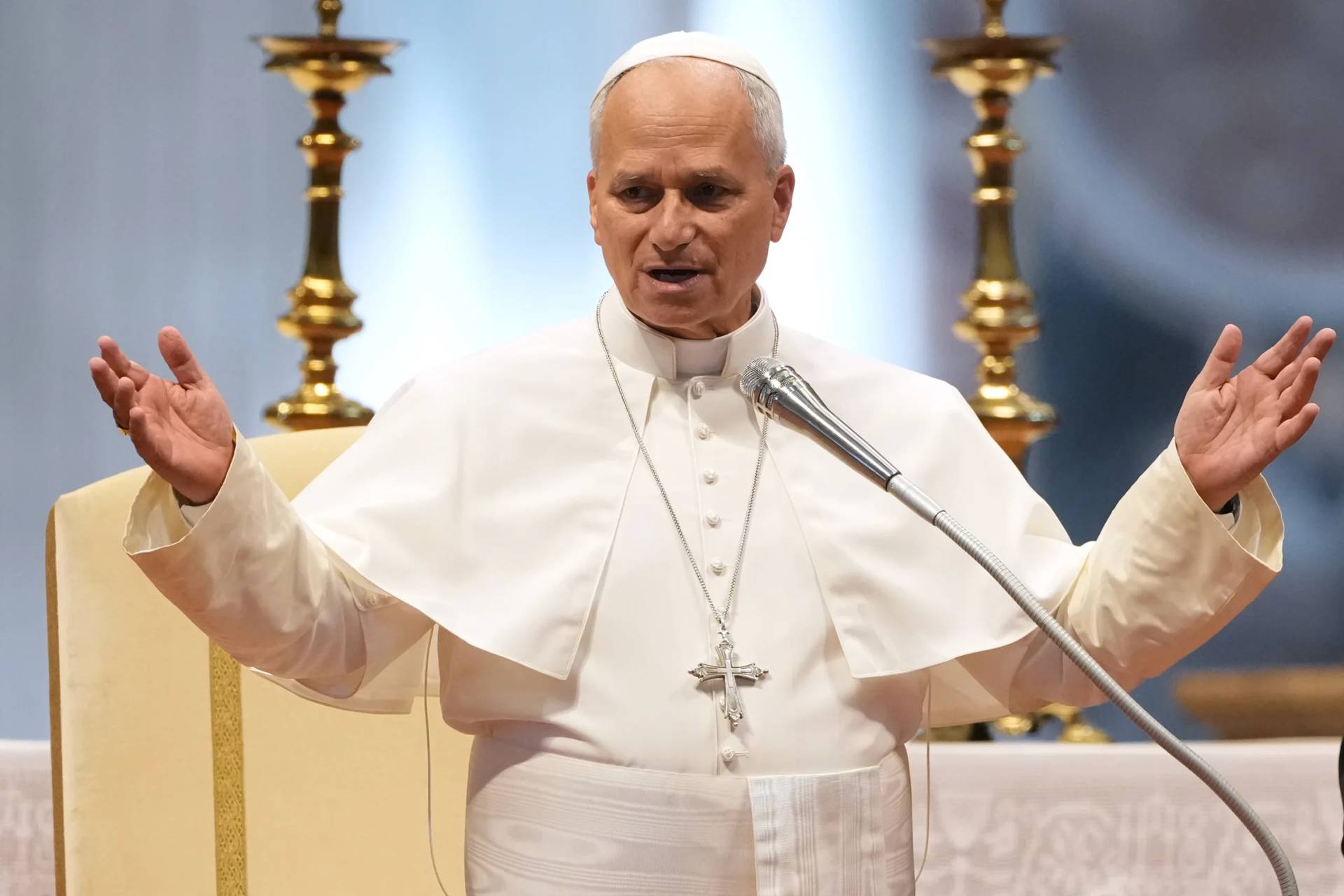
Speaking Jan. 5 at the start of the 49th annual seminar of bishops in Cameroon taking place in the Diocese of Kumba in the country’s South West region, the president of the National Episcopal Conference urged Cameroonians to take their responsibilities and stop shifting the blame to the bishops.
“Some people don’t understand what the National Episcopal Conference is and its role in society,” said Archbishop Andrew Nkea Fuanya of the Bamenda Archdiocese.
“An Episcopal Conference is not a political party nor is it an electoral commission or a constitutional commission to give results of elections in various countries,” he said.
“An Episcopal Conference is not an institution to be manipulated by political parties and individuals with grievances against the state. I therefore call on Cameroonians of all walks of life to take their responsibilities as political actors and stop hiding behind the Catholic Church and expecting her to do their duty,” the archbishop said.
Bishop Michael Bibi of Buea had in an earlier interview said that it wasn’t the place of the Catholic Church to physically remove a long-standing regime, insisting though that the Church will continue to be “the voice of the voiceless.”
“War begets war. The Catholic Church will never lead any revolution. It will never lead any violent acts, but the Catholic Church has always been the voice of the voiceless. The Catholic Church will continue to speak out and we are ready to die for the truth,” the bishop said.
“If there is a government in a country that has stayed for far too long, a government people have grown weary of; they want that government to go away and that government is sitting tight, is it the Catholic Church to force it out? Can the Bishops force it out?” Bibi asked rhetorically.
But a voice too critical of the bishops’ stance comes from a Catholic priest, Father Francis Muma. Preaching at his Christ the King Parish in Michigan in the United States, the priest suggested the Church needs to be more confrontational in its approach to dictatorial regimes.
“My honored bishop [referring to Bishop Bibi] … should read the voice of Saint John Paul the II that helped bring down the evil government of communism. He should read the great role of the Catholic bishops in DRC that helped to topple the repressive governments of Mobutu and later Kabila,” Muma said.
“He should read the Catholic bishops voices that helped brought an end to evil apartheid in South Africa, he should read the role of the bishops of Madagascar, He should read about the great role of clergy, nuns and Catholic Church in the Philippines that was the direct cause of the downfall of Dictator Ferdinand Marcos just to limit to these few,” he added.
In comments to Crux, Cameroon priest Father Humphrey Tatah Mbuy said the Church’s approach is not silence, but a deeply rooted commitment to its identity as a “field hospital” for a wounded nation, rather than a partisan political actor.
“Many called us and expressed their frustration against the Church. Some even went as far as accusing the Church of collusion with the powers that be, and that the Church was aware of the cheating that went on as they alleged,” Mbuy said.
The priest turned to the foundational documents of the Church’s social doctrine to clarify its mission. He argued that the criticism stems from a misunderstanding of the Church’s fundamental nature.
“The first thing that we need to know is to understand that the Church is as worried about the vulnerable and the marginalized as she is concerned about the aggressors and those who marginalize others,” he told Crux.
“Reconciliation seeks internal conversion. It seeks to touch the inner person and to reach the real person, not by force or brutal criticism, but in imitation of Christ Jesus, who became a friend of sinners and tax collectors in order to win them over,” he stated.
Mbuy placed the Cameroonian crisis within a broader African and global context, condemning the injustices that fuel conflict.
“Society is sick, critically sick,” the priest said.
“The Church is uncompromisingly on the side of justice and peace, reconciliation, and building a better world,” he said.