Archbishop Joseph Arshad of the Catholic Diocese of Islamabad-Rawalpindi in Pakistan has expressed deep concern and alarm over a recent ruling by the Federal Shariat Court validating the marriage of a 13-year-old Christian girl to a Muslim man.
Under Pakistani law, the legal age of marital consent is 18.
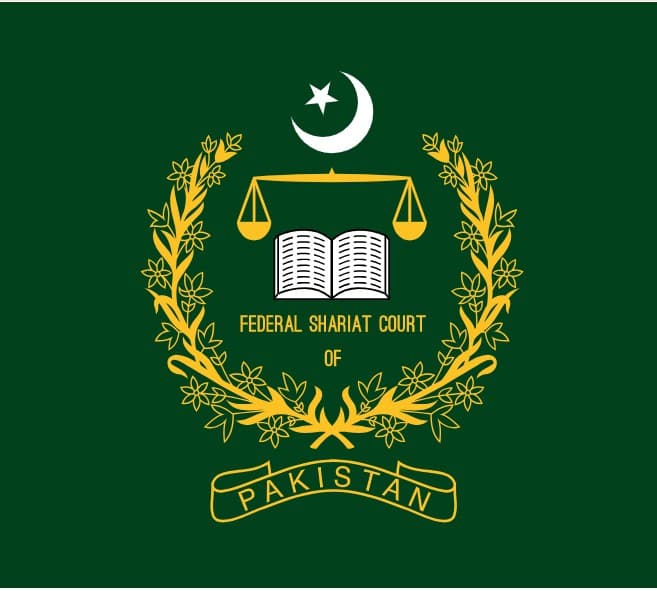
Established in 1980, the Federal Shariat Court reviews Pakistani laws for compliance with Islamic tenets. Catholic bishops and other faith leaders and civil society advocates in Pakistan say the new Shariat ruling flies in the face of earlier decisions and could set a dangerous precedent.
The teenager from Lahore was reported missing in June 2025. Her father, Masih Shahbaz, maintains she was abducted and groomed by Shehryar Ahmad, a local mechanic.
A two-judge panel in Pakistan upheld the marriage despite official birth records produced in court that indicated the girl was 13 at the time of her disappearance.
The court categorized the government documents as “unreliable” and instead credited the respondent’s claim that the minor had reached a “mature age” and converted to Islam voluntarily.
Church leaders are concerned the ruling allows religious interpretations to supersede civil registration laws.
“This situation is deeply troubling,” Arshad told Crux Now, “and the apparent inconsistency in the application of laws designed to protect minors undermines confidence in the justice system and raises grave concerns about the safety and dignity of vulnerable communities.”
Arshad said such cases must be addressed strictly in accordance with the law of the land, which clearly sets the minimum age of marriage at 18 years. He expressed concern that legal safeguards intended to protect children are not being applied consistently.
The archbishop reiterated the Church’s commitment to advocating for justice, dignity, and equal protection for all citizens, especially the most vulnerable.
He called upon the relevant authorities to take immediate and effective measures to ensure the protection of minors, uphold constitutional guarantees, and fulfill Pakistan’s commitments to international human rights standards.
The Catholic bishops’ conference of Pakistan (PCBC) and the bishops’ National Commission for Justice and Peace (NCJP) issued a joint statement through the human rights journalism project Voicepk.net, warning that cases involving abducted Christian girls are being adjudicated in a manner inconsistent with the law of the land.
“Courts are not consistently applying legislation that prohibits the marriage of anyone under 18 years of age,” the joint statement read. “This selective application of the law is deeply troubling,” it said.
The PCBC and NCJP stressed that while judicial independence must be respected, courts are equally obligated to ensure that allegations of forced conversion and underage marriage are investigated in a manner that is transparent, impartial, and fully consistent with both constitutional protections and international human rights standards.
Women’s rights and human rights organizations including Minority Rights March, Aurat March, and the Minority Forum Pakistan, held a protest rally and press conference at the Karachi Press Club against the Federal Constitutional Court’s decision regarding Mr. Shehbaz’s daughter.
Voicepk.net reported that the organizations called on the relevant authorities to review the ruling and uphold the rights and dignity of all citizens, regardless of faith.
The participants demanded a review of the verdict, expressing deep sorrow and anger over the ruling and noting that the girl is a victim of abduction and child marriage who now faces the risk of further serious harm.
The protesters warned that the ruling effectively undermines laws against child marriage and could have far-reaching consequences for minor girls across the country. They called on authorities to withdraw the decision and urged state institutions to act, warning of serious repercussions if no action is taken.
Protestors also maintained that the ruling contradicts previous judgments including those of the Federal Shariat Court and could therefore put not only minority girls but Muslim girls at risk as well.
“[C]ourts,” the Archbishop of Islamabad-Rawalpindi told Crux Now, “have a fundamental responsibility to ensure that all allegations, particularly those involving forced conversion and underage marriage, are investigated in a transparent, impartial, and just manner.”