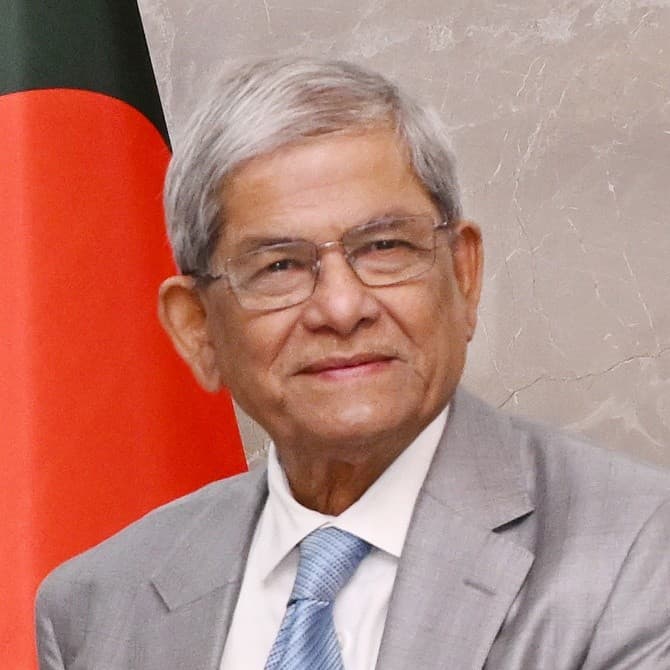
Bangladesh elected a new president earlier this month, Mirza Fakhrul Islam Alamgir, an educator and long-serving secretary of the ruling center-right Bangladesh Nationalist Party.
The president’s role is largely ceremonial, but Catholic Church leaders are hoping Alamgir can be an effective voice of moral leadership, especially for religious and ethnic minorities.
A south-Asian nation of 180 million, the overwhelming majority of whom are Muslim, Bangladesh is also home to a rich array of religious and ethnic minorities whose constitutional rights are often honored in the breach.
RELATED: Religious minorities in Bangladesh are not doing well, new report says
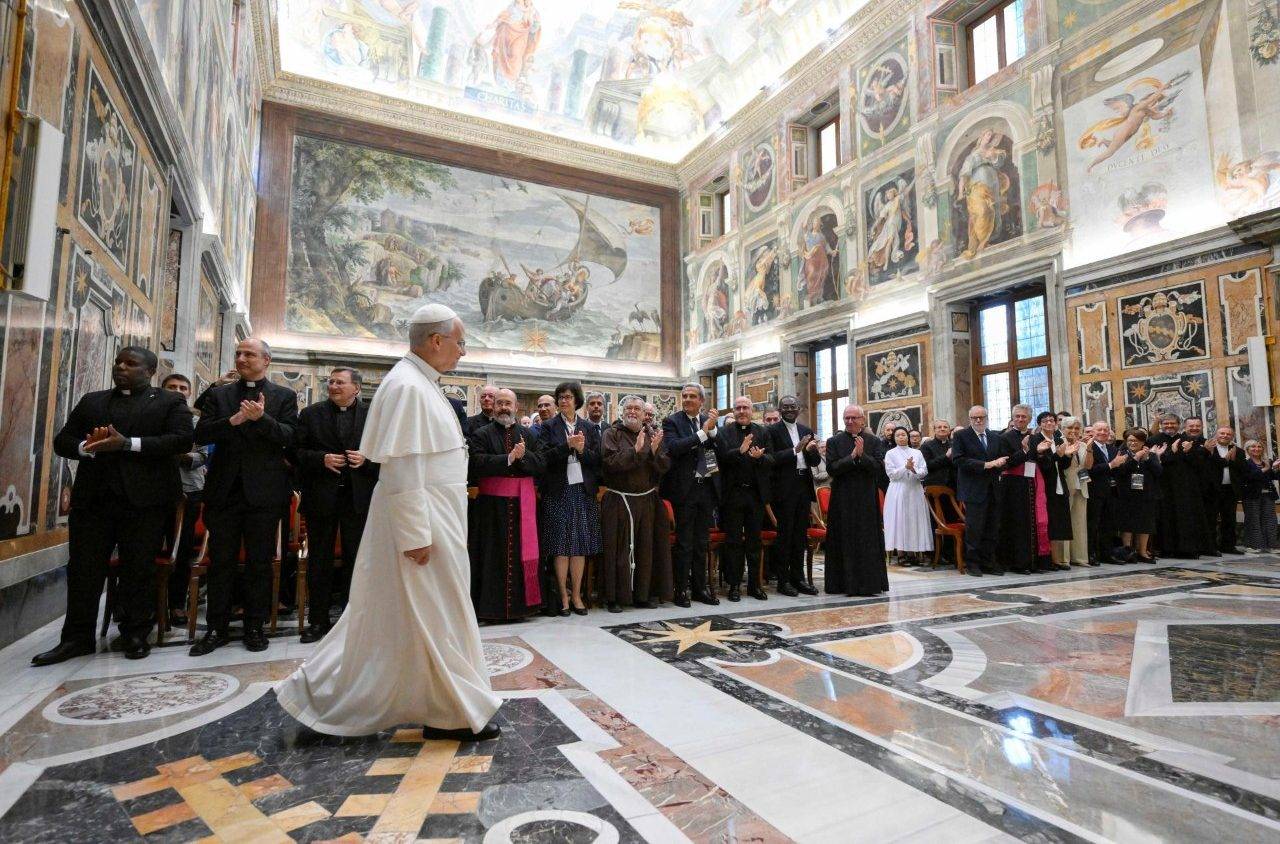
Catholics in Bangladesh are a tiny minority, but the Church and the faithful make outsized contributions to education, medical care and development work.
Catholics run one university, 20 colleges, about 100 secondary schools and over 1,000 primary schools in Bangladesh.
There are also technical education institutions, in which as many as 300,000 students are studying, most of them Muslim.
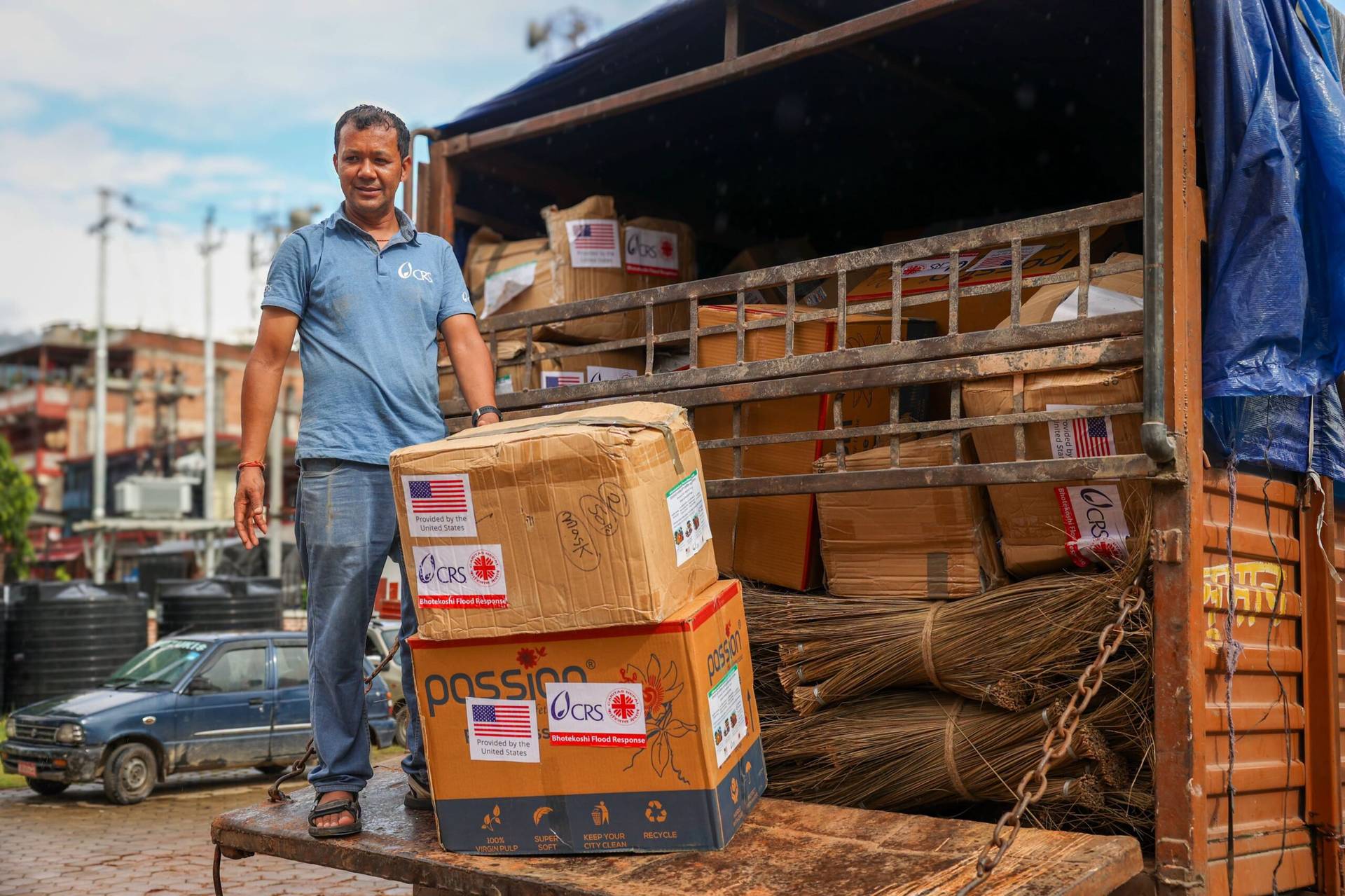
The aid and development arm of the Catholic Bishops’ Conference, In addition, Caritas Bangladesh, has been running activities since before Bangladesh gained independence from Pakistan in 1971.
Caritas has a good reputation for development work in remote areas of Bangladesh.
RELATED: Caritas Bangladesh, already active, seeks to do more
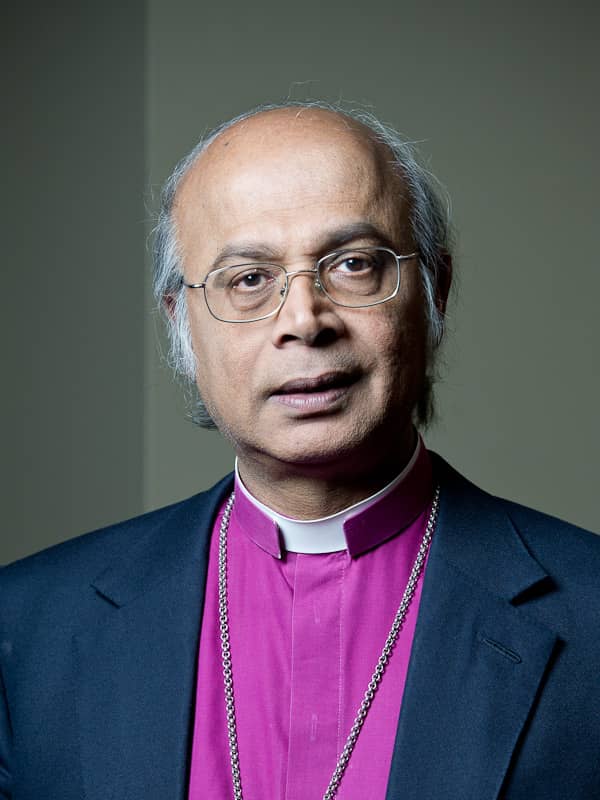
Bishop Gervas Rozario, vice-president of the Bangladesh Catholic Bishops’ Conference, told Crux Now the country’s Catholics ask the new president to recognize the work of the Church.
“We want the new president to recognize the work we, as a religious minority, have been doing historically in the education, health and development sectors,” Rozario said.
“This is not to show off,” the bishop said, “but to recognize the work we are doing and contributing to building the country.”
The prelate said that the president, as the guardian of the state, can advise the government so that the government gives fair rights to minorities and indigenous peoples, so that minority oppression and land grabbing by the majority are stopped.
“I want the president to be a government not only for the majority Muslims, but for people of all religions,” said Rozario, who leads the northern Rajshahi diocese.
Rozario is also calling for constitutional reforms to strengthen the presidency, saying it could be a powerful office for the protection of religious and ethnic minorities.
At present, the president is elected by the legislature – not by popular vote – and serves as a head-of-state with very little effective governing power.
“It would have been better if the constitution were amended in the future to increase the power of the president and change the presidential election system,” Rozario said.
The Bangladesh Christian Association also welcomed the new president, elected August 20.
Describing the 78 year-old Alamgir as “a gentleman,” the Christian advocacy group “wish him good health, longevity and all-round success in carrying out his duties.”
The Association expressed confidence Almagir “will further enhance the dignity of the highest constitutional position in Bangladesh.”
“Under the leadership of His Excellency the President,” the statement said, “Bangladesh will move forward on a more prosperous, developed, just and democratic path.”
______