DHAKA – The economy of Bangladesh is one of the world’s fastest growing, but life is still hard for many, and Caritas Bangladesh quietly plays an outsize role in the lives of citizens in the officially and overwhelmingly Muslim south-Asian nation of more than 171 million people.
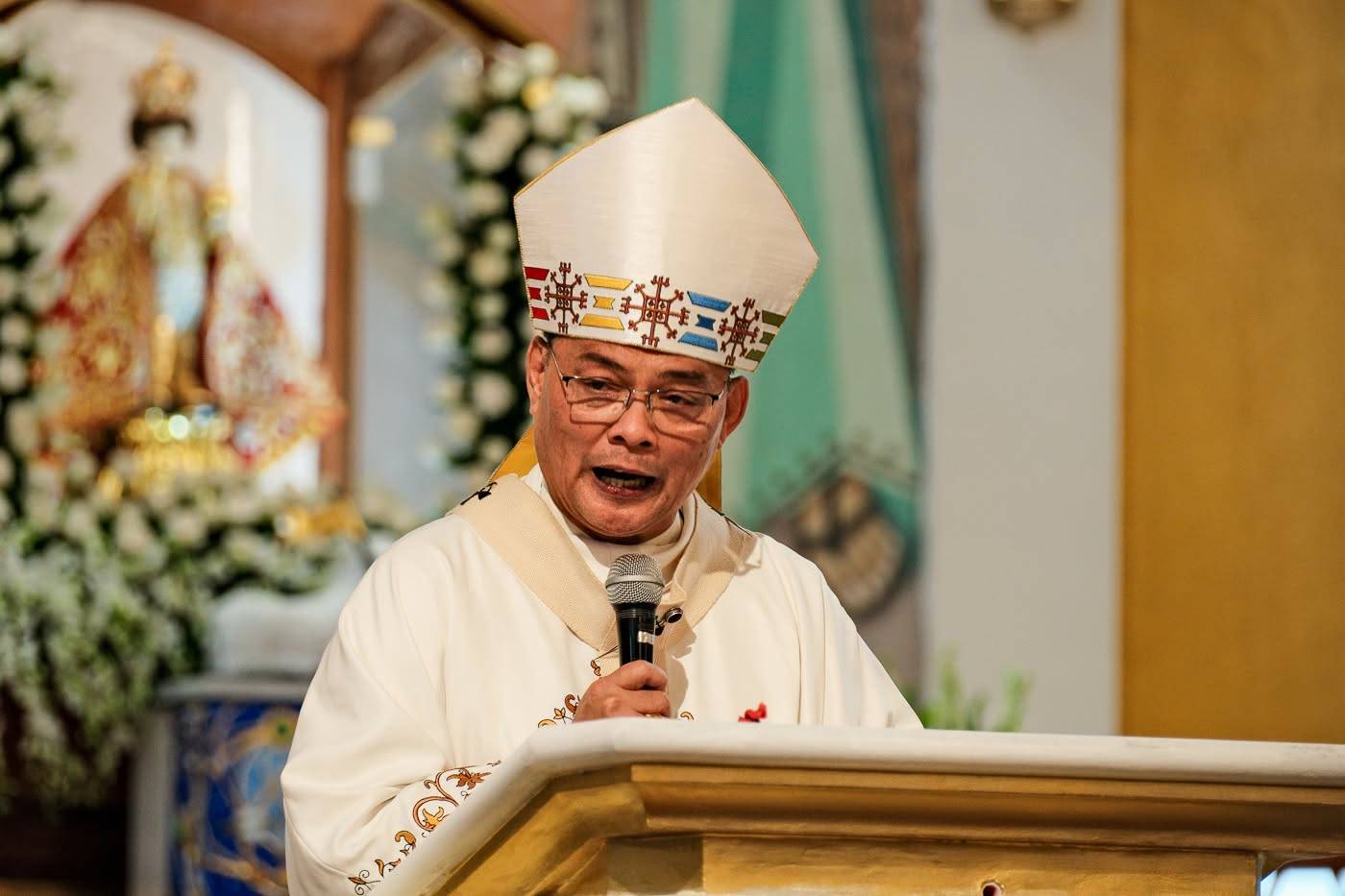
“Caritas Bangladesh is working for the people of the country,” Archbishop Bejoy D’Cruze of Dhaka told Crux, “regardless of race or religion.”
Founded in 1967 as Caritas East Pakistan, the organization – today part of the Caritas Internationalis family – has continued to operate through several reorganizations and became a national outfit in 1971 following Bangladeshi independence.
Caritas Bangladesh today operates a diverse range of projects for about 1.6 million direct beneficiaries, including training facilities, weather shelters in the cyclone-prone country, technical schools, tuberculosis and leprosy treatment centers, drug treatment clinics, and daycare centers.
The Catholic outfit also has programs to help sex workers and street children.
During natural disasters and other emergencies, Caritas Bangladesh is active throughout the country.
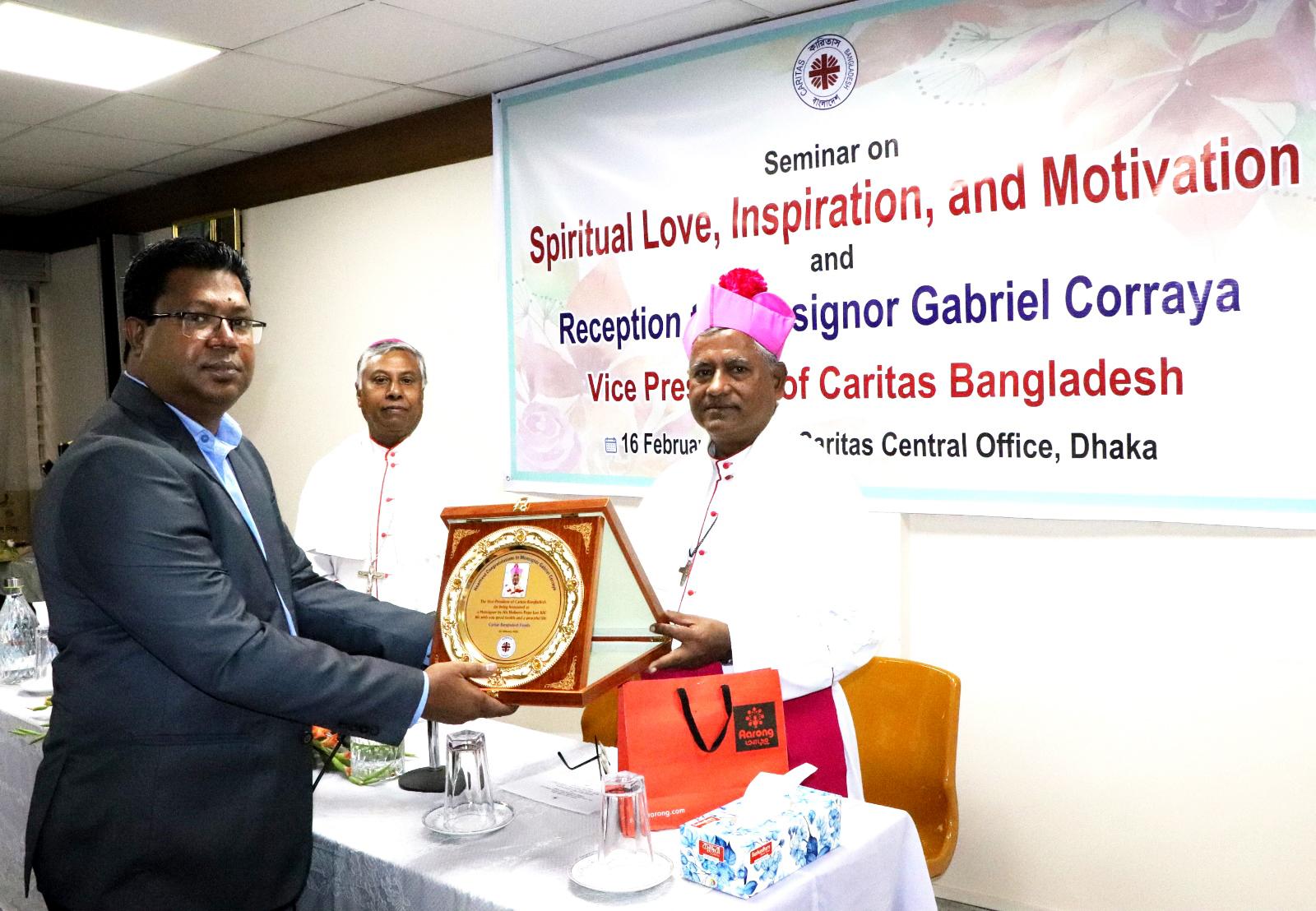
Speaking at a seminar on Feb. 16, D’Cruze said the workers of Caritas are “the doctors of society” who are “alleviating the suffering of poor and vulnerable people and bringing hope to their lives.”
D’Cruze expressed deep gratitude to the staff members of Caritas Bangladesh for their dedication to serving marginalized communities through the social arm of the Catholic Bishops’ Conference.
Executive director Caritas Bangladesh Daud Jibon Das said the organization is currently focused on implementing key projects in the areas of emergency response for displaced people, and humanitarian aid and protection to Rohingya refugees, of whom there are more than a million in the country according to estimates.
Over the last nine years, more than 723,000 mostly Muslim ethnic Rohingya refugees have fled Rakhine State in Myanmar, where they have faced often violent persecution for decades.
Pope Francis visited Rohingya refugees in Dhaka to highlight their plight in late 2017, when he visited Bangladesh as part of an Asian journey that also saw him in Myanmar.
Caritas also has an eco-enterprise development project called Doritry (Mother Earth), focused on sustainable marketing and climate-vulnerable communities. Caritas is involved in supporting the Smallholder Adaptive Farming & Biodiversity Network, crucial for food security and helping small-scale farmers adapt to climate change, as well.
Vocational skill training is another area in which Caritas is active, seeking to help underprivileged young people create self-employment opportunities technical education.
Das said Caritas Bangladesh tries to operate in partnership with people – especially the poor, disadvantaged and the marginalized and the people living in peripheries with equal respect for all – to attain inclusive, integral and holistic development.
The executive director also said Caritas is looking to expand its activities in support of migrants whose lives have been disrupted by climate change.
More projects are needed to provide sustainable livelihoods for “climate refugees” moving to urban slums, he said.
Caritas is also focusing on youth leadership and governance, in efforts to strengthen “Good Governance” and “Local Resource Mobilization” capacities to make communities at once more self-reliant and less less dependent on foreign aid.
“Caritas always works for the development of Bangladesh,” D’Cruze said, “for human justice.”