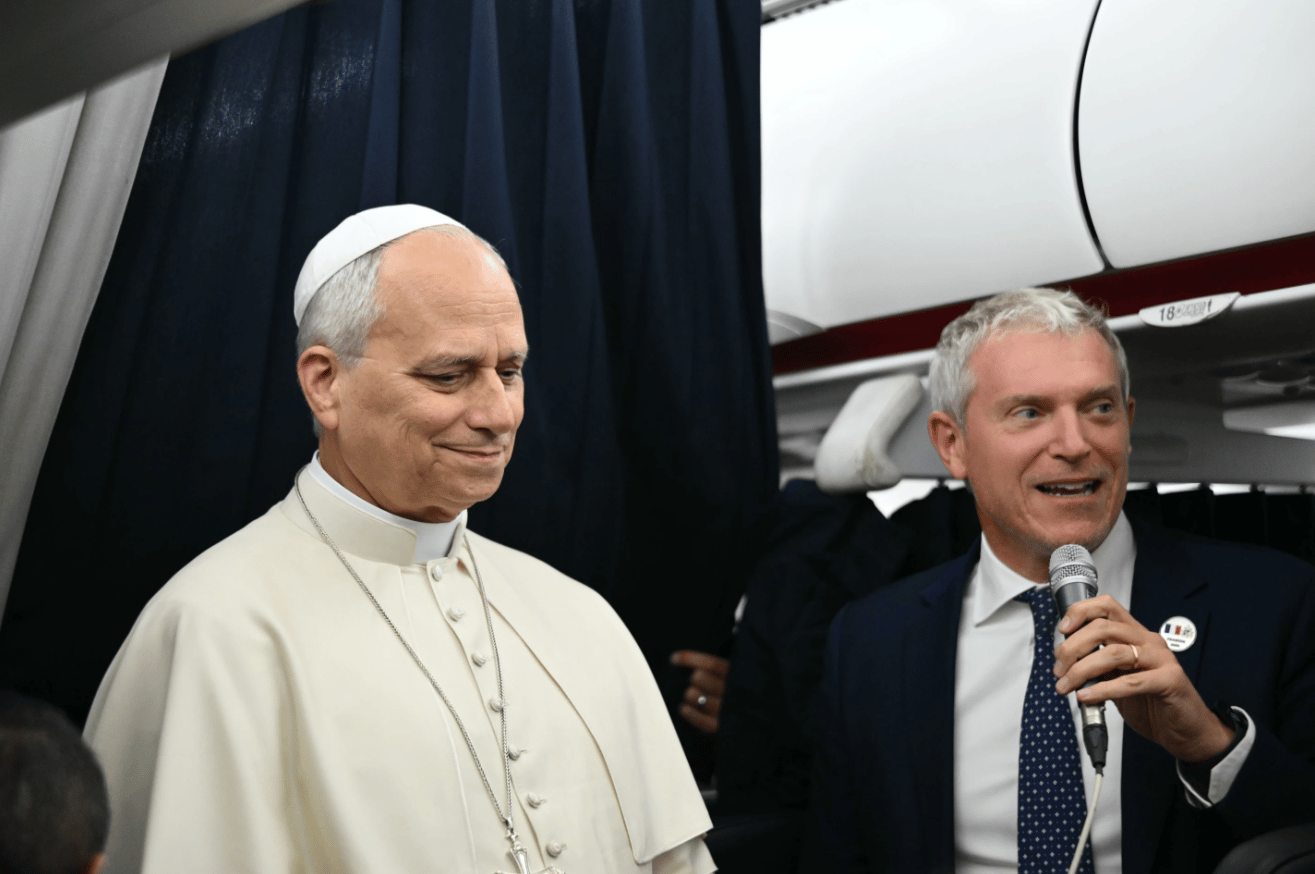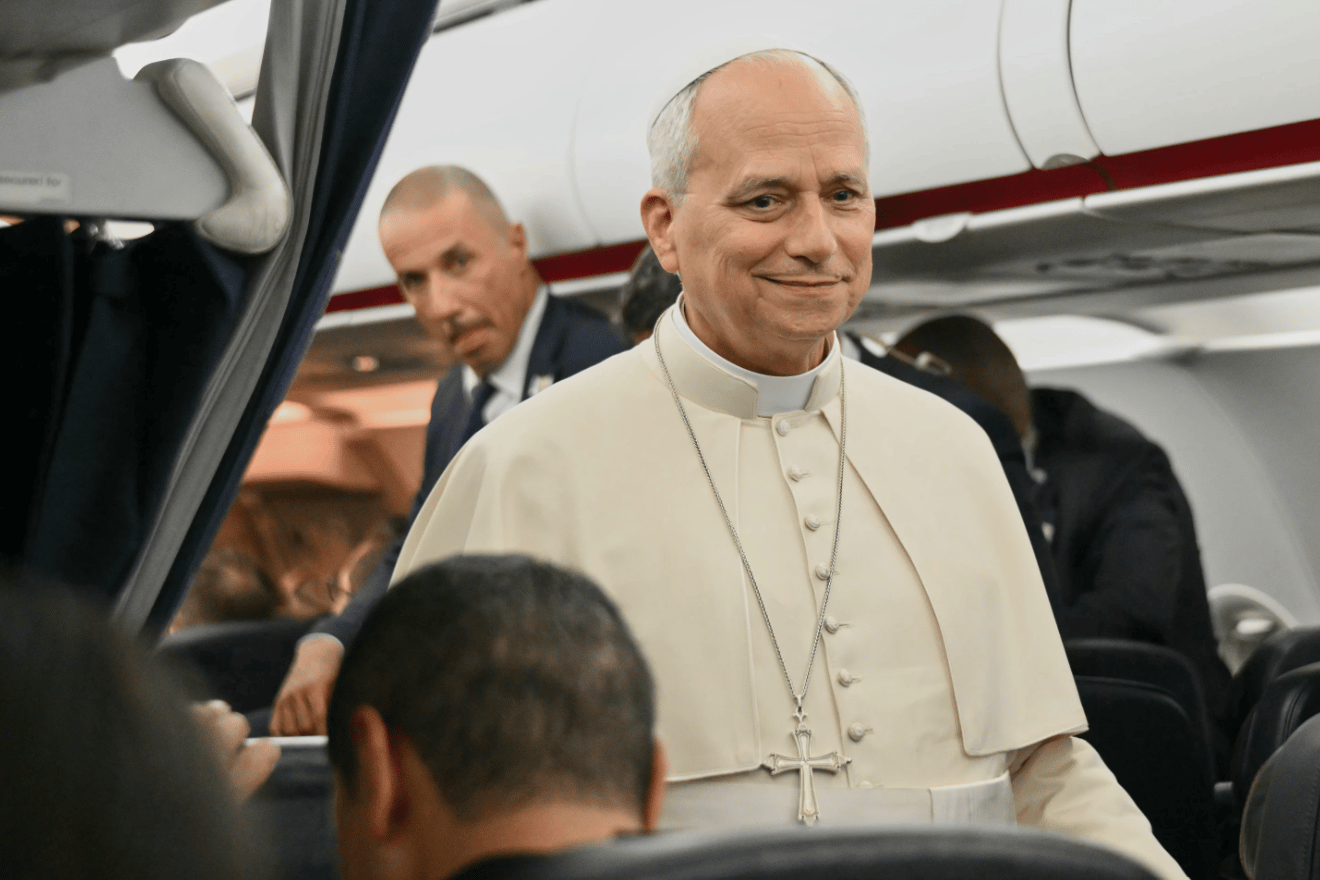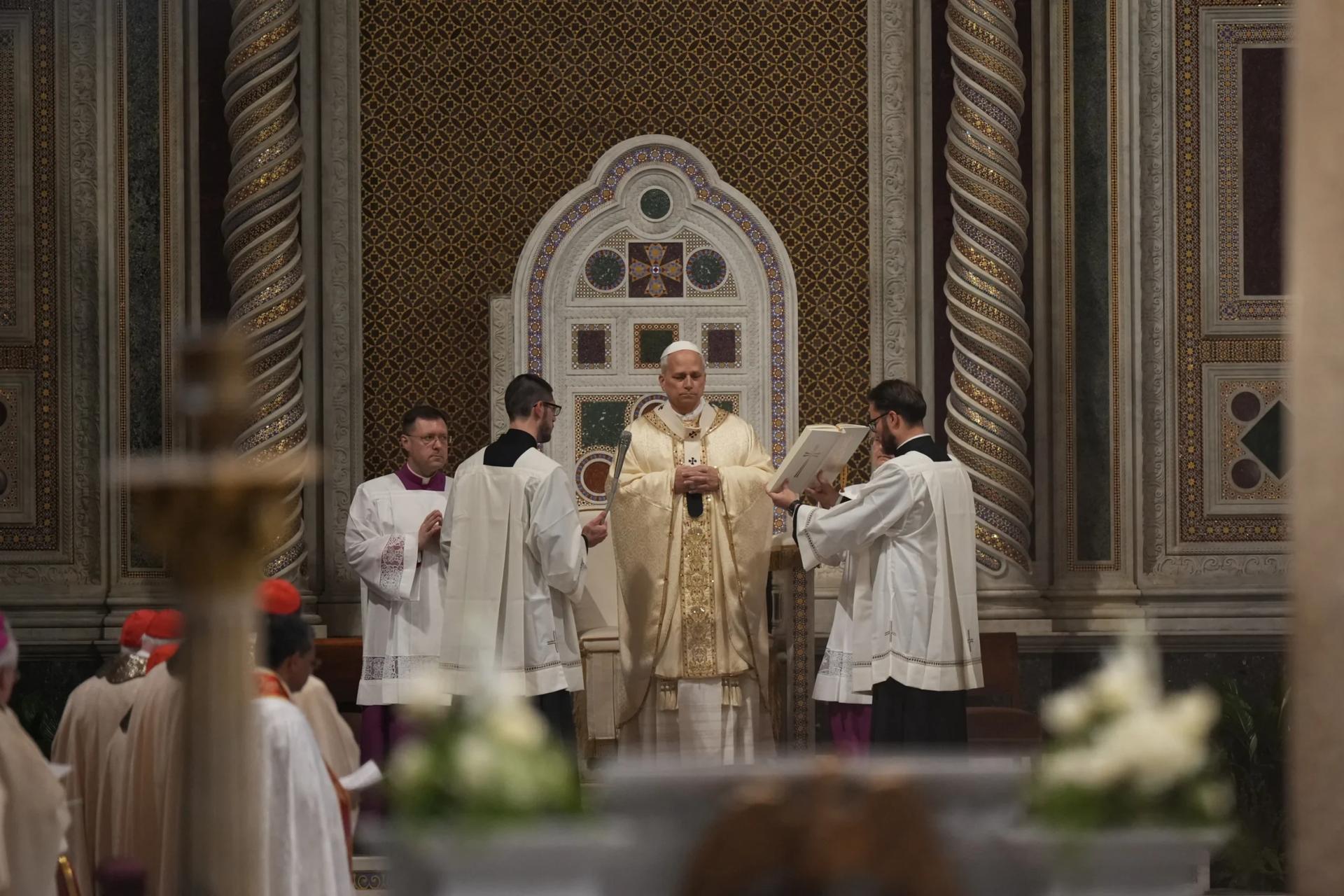
ROME – On Good Friday, Pope Leo XIV held phone conversations with the presidents of Israel and Ukraine, stressing the need to pursue paths of peaceful dialogue to end the conflicts ravaging each nation.
In an April 3 communique, the Vatican said the phone call between Pope Leo and Israeli President Issac Herzog was an opportunity to exchange Easter well-wishes and to discuss the need for peace in the Middle East.
“During the conversation, the need to reopen all possible channels of diplomatic dialogue was reiterated, to put an end to the serious ongoing conflict, with a view to a just and lasting peace in the Middle East,” the statement said.
The conversation, which took place against the backdrop of the current U.S. and Israel led war in Iran, which has expanded to Lebanon, also touched on the need to protect civilians and promote “respect for international and humanitarian law.”
A statement from Herzog’s press office said that during their call, the two men discussed the war with Iran, “including the ongoing threat of missile attacks by the Iranian regime and its terror proxies against people of all faiths in the region.”
“President Herzog recalled the recent Iranian missile attacks on Jerusalem that fell in the area of sites holy to Christians, Muslims, and Jews,” the Israeli spokesperson said.
The Israeli statement said they also spoke about the situation in Lebanon, “including the importance of the safety and security of Christian communities on both sides of the border.”
The Israeli spokesperson said Herzog emphasized that the Hezbollah terror organization cannot be allowed to continue threatening both the people of Israel and Lebanon, who both deserve a future of peace and stability.
“President Herzog expressed to Pope Leo XIV the great importance of the State of Israel’s relationship with the Holy See, the Catholic Church, and Christians around the world. He also underscored the importance of the cooperation of all world and religious leaders in the crucial fight against antisemitism,” the Israeli statement said.
The Israeli spokesperson also said Herzog and Leo “expressed their shared hope for a more peaceful future for people of all faiths across the world, free from the threat of violence and bloodshed.”
Friday’s call also comes after an incident in which the Latin Patriarch of Jerusalem, Cardinal Pierbattista Pizzaballa, was barred by Israeli police from celebrating Palm Sunday Mass in the Basilica of the Holy Sepulcher.
The reason was for apparent security concerns, as missile fragments from had been falling in the area in the midst of the ongoing war with Iran. Authorities quickly deescalated the wave of international backlash that followed, saying they worked out a plan to ensure security while allowing faith leaders access to the holy sites in Jerusalem during this holiest week on the Christian calendar.
Pope Leo on Friday also held a phone call with Ukrainian President Volodymyr Zelenskyy, with whom he has met three times, twice at the pope’s summer residence in Castel Gandolfo.
During the conversation, described by the Vatican as “cordial,” the pope conveyed Easter greetings and reiterated his closeness to the Ukrainian people.
“The discussion then focused on the humanitarian situation, reiterating the urgency of ensuring the necessary aid to the population affected by the conflict,” the Vatican said, saying specific reference was made to efforts “to promote humanitarian initiatives, especially regarding the release of prisoners.”
Hope was also expressed that “with the commitment and support of the international community, a cessation of hostilities and a just and lasting peace can be achieved as soon as possible.”
Speaking on X – formerly known as Twitter – Zelenskyy said at the “very moment of our conversation,” the Russians attacked Ukraine yet again – hundreds of “shaheds” and dozens of missiles against our cities and communities.
“In fact, the attack has been ongoing in waves since last night, and at least five regions have already been targeted. Not a single hour of peace for our people, and this is Russia’s response to our proposal for an Easter ceasefire,” the Ukrainian president said.
“Essentially, the Russians have only intensified their strikes, turning what should have been silence in the skies into an Easter escalation. This certainly cannot be ignored, and I am grateful to everyone in the world who does not remain quiet about it,” Zelenskyy continued.
He said he spoke to Pope Leo about the negotiation process and Ukraine’s work with the American team.
“I also expressed gratitude for the assistance in returning our abducted children and for all the humanitarian aid the Vatican has provided to our people, particularly during this difficult winter. We also discussed the situation in the Middle East and the Gulf region,” the Ukrainian leader said, before wishing the pontiff a “blessed holiday” for Easter.
The phone calls between the pope and Herzog and Zelenskyy come after repeated appeals for peace from Leo, who has condemned the wars both in Ukraine and the Middle East.
On Palm Sunday, he notably condemned those who use faith to justify war, saying, “This is our God: Jesus, King of Peace, who rejects war, whom no one can use to justify war.”
“He does not listen to the prayers of those who wage war, but rejects them, saying: ‘Even though you make many prayers, I will not listen: your hands are full of blood’,” the pope said.
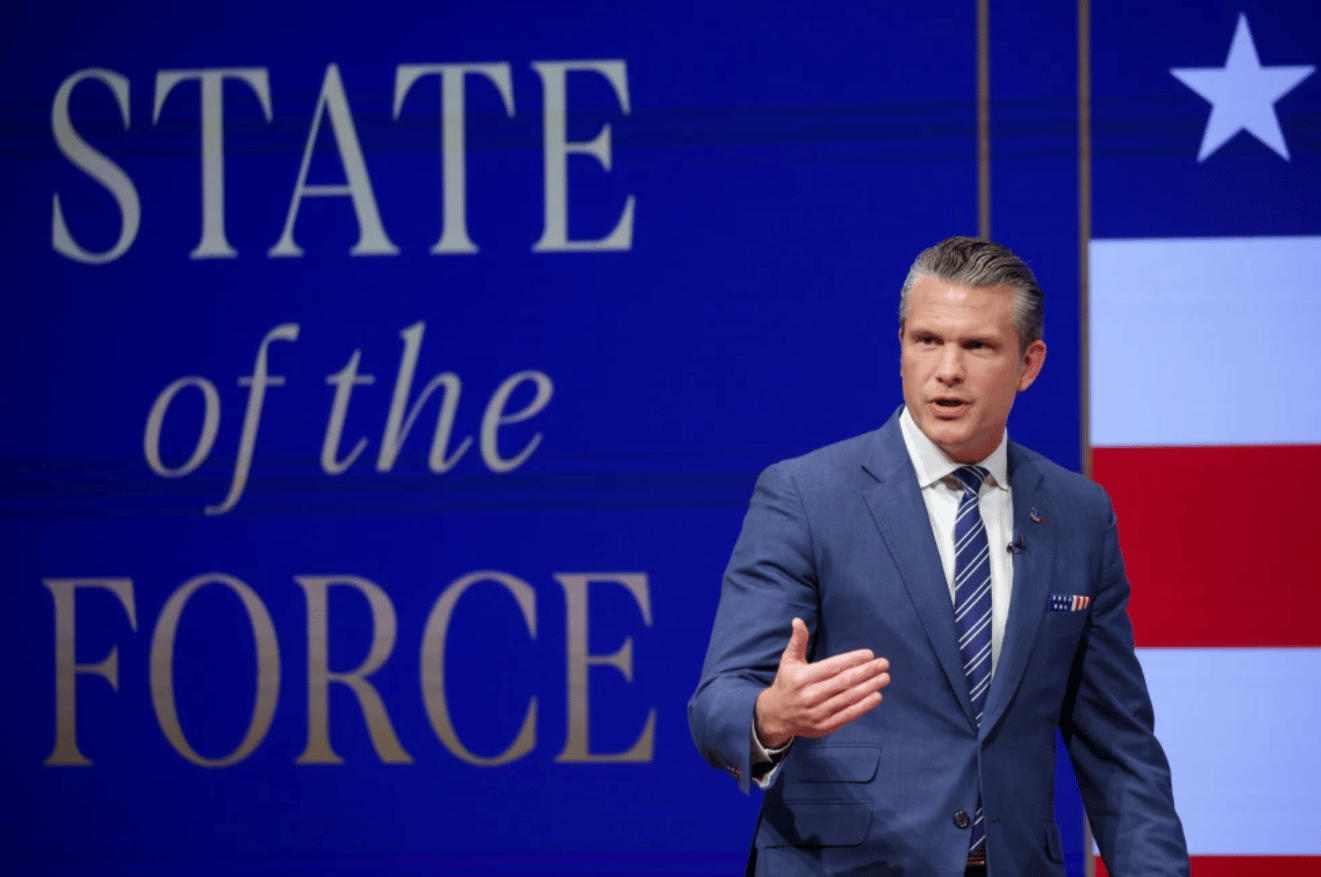
So far, all parties involved in the current war in Iran have used faith to justify their military actions, including U.S. Defense Secretary Pete Hegseth, who during a recent prayer service at the Pentagon prayed for “overwhelming violence of action against those who deserve no mercy.”
Both political and ecclesial leaders in Russia have also repeatedly used faith to justify its 2022 invasion of Ukraine, styling it as a quasi-crusade against the secularism of the West.
Pope Leo in his Chrism Mass on Holy Thursday, without mentioning any specific group, spoke of the transformative power of the cross, saying, “the imperialist occupation of the world is thus disrupted from within; the violence that until now has been the law is unmasked.”
“The poor, imprisoned, rejected Messiah descends into the darkness of death, yet in so doing he brings a new creation to light,” he said.
Follow Elise Ann Allen on X: @eliseannallen
This article has been updated with Zelenskyy’s statements.