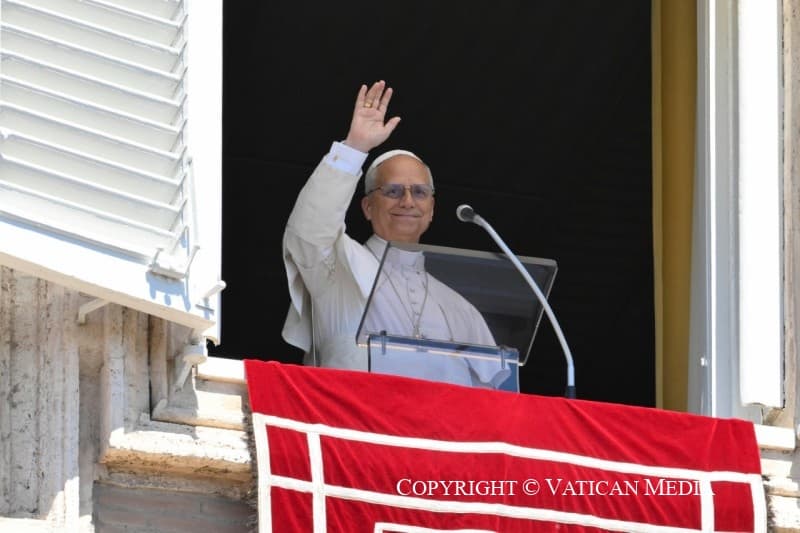
Pope Leo XIV called for responsible use of atomic energy on Sunday, the 40th anniversary of the Soviet-era disaster at the Chernobyl nuclear power plant in Ukraine.
More than two dozen people died in the April 1986 incident and its immediate aftermath, while thousands of people have suffered serious health consequences resulting from radiation exposure during the four decades that have since passed.
The Chernobyl incident is still widely considered the worst nuclear power disaster in history and is one of only two nuclear power plant failures to reach maximum severity on the International Atomic Energy Agency’s INES scale of international nuclear and radiological events.
Management of the Chernobyl crisis by Soviet authorities in Moscow and Ukraine has been scrutinized and heavily criticized over the years.
The other was the Fukushima disaster in 2011, brought on by a tsunami that struck Japan’s eastern coast.
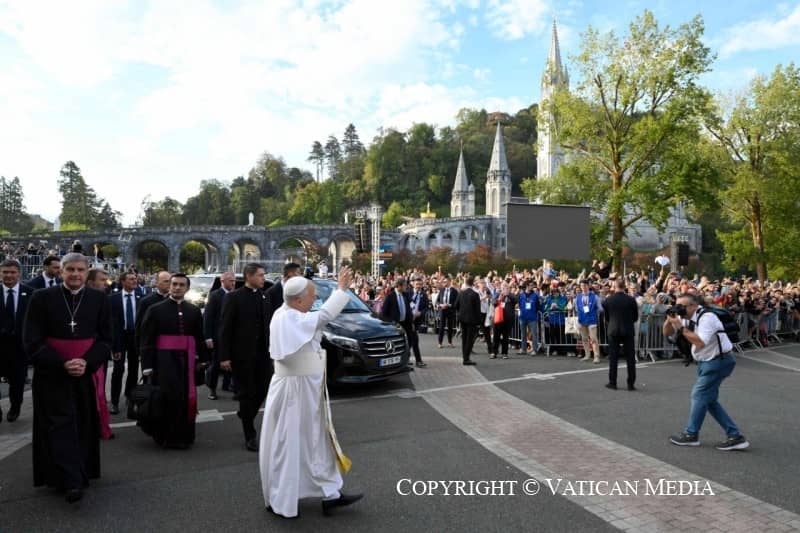
“Today marks the 40th anniversary of the tragic incident in Chernobyl,” the pontiff said Sunday, noting how the disaster “left a lasting mark on the conscience of humanity.”
Leo said Chernobyl “serves as a warning regarding the inherent risks of using increasingly powerful technologies.”
“Let us entrust those who died and all who still suffer from the aftermath of the disaster to God’s mercy,” Leo said Sunday.
The pope also expressed hope “that discernment and responsibility will always prevail at every level of decision-making so that all use of atomic energy may be placed at the service of life and peace.”
From the very beginning of his pontificate, Leo XIV has been concerned with the disruptive effect of technology on human affairs.
Leo XIV chose his regnal name largely in view of his predecessor, Leo XIII, who addressed the disruptions of the great nineteenth-century industrial revolution in his encyclical letter, Rerum novarum.
“In our own day,” Leo XIV told the cardinals assembled to greet him on May 10, 2025, not two full days after his election, “the Church offers to everyone the treasury of her social teaching in response to another industrial revolution.”
On that occasion, Leo XIV specifically mentioned “developments in the field of artificial intelligence that pose new challenges for the defense of human dignity, justice and labor.”