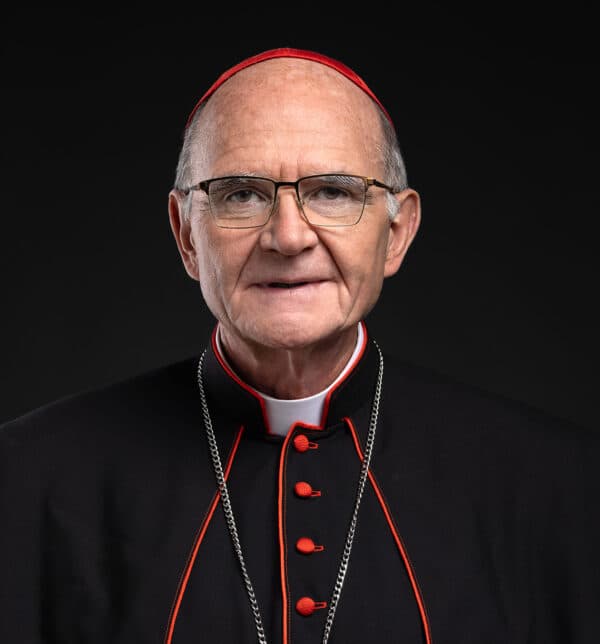
In the first part of his interview with Crux, Cardinal Stephen Brislin of Johannesburg examined the historical battles of the South African Church and its growth over time.
In this second part, the President of the South Africa Bishops’ Conference examines the Church’s contemporary battles, including a severe funding crisis, worsened by cuts in international aid, that threatens vital outreach to HIV-positive individuals and migrants. He also dismantles what he calls a “false narrative” of “black apartheid” and “genocide” against white South Africans, attributing recent emigration not to persecution but to economic hardship and political uncertainty.
Despite these challenges, Brislin remains optimistic, outlining his vision for the Church as a crucial “bridge-builder” in a divided society and pointing to Pope Francis’s planned 2026 visit to Africa as a powerful message of affirmation and a call for peace.
Following are excerpts of that conversation…
Crux: Your Eminence, the Church in Africa as a whole faces a problem of funding, and it’s a situation that has become particularly dire as western countries focus more on security spending than humanitarian spending. How is the Church in South Africa dealing with this problem?
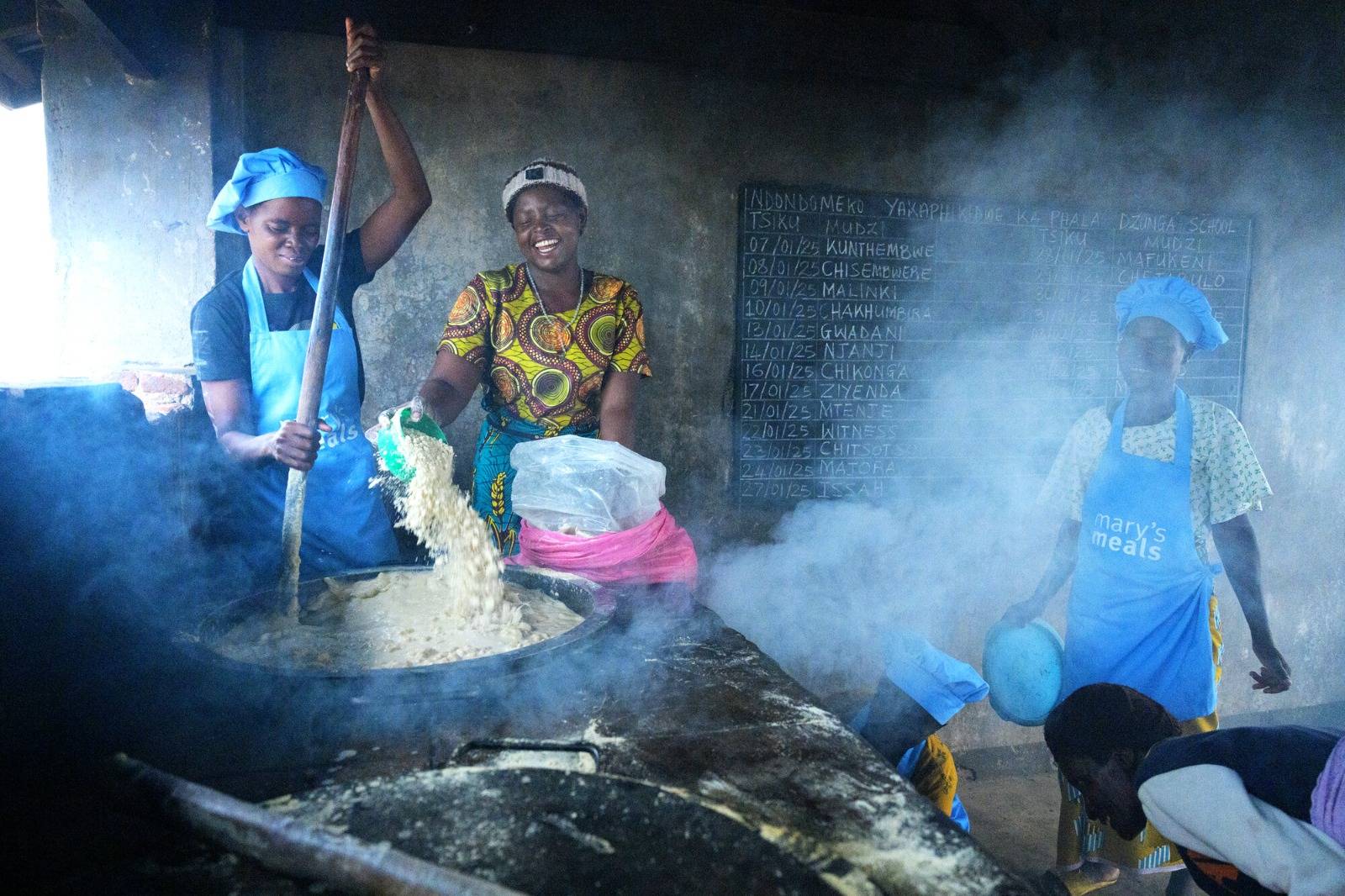
Brislin: Regrettably, we have remained quite dependent on funding from other countries and, of course, from the Vatican itself in terms of the subsidies that are given. But there has, of course, been a lot of progress. So, what has happened in particularly the metropolitan archdioceses, which are much bigger, there’s far more funding. We only turn to overseas funding for special projects or particular projects. So, the decision of the United States government to cut a lot of that funding has impacted on South Africa in general, but also on the Church.
And in our case, this has been especially true of the outreach to people who are HIV positive, because great strides have been made to overcome that disease. And if we can continue to give the proper treatment to people who are HIV positive, then eventually HIV will be overcome. So, that has been impacted very seriously.
But the government has made plans in South Africa to provide funding for the HIV programme, and they’ve also called on businesses to give assistance in this regard. But it’s a great pity with other areas, for example, our outreach to migrants and refugees have been greatly impacted by the decision of the U.S. government.
Beyond the historical struggles that the South African Church has gone through, there are ongoing talks, things like racial integration, lay participation, and synodality. Of all of these challenges, which do you think is the most challenging internal struggle that the Church has to overcome?
I think we’ve got to also understand that the socio-political situation is still a big struggle for the Church in terms of the fact that the majority of people in our country are still living in poverty, and unemployment, or enormous social problems that cannot be detached from the life and the ministry of the Church, and cannot be detached from our theology and our ecclesiology.
So, I think that as we face those social problems, they also impact enormously on the Church itself. But in terms of the life of the Church itself, we have embraced synodality, and Pope Francis called us to become a synodal Church. And, in fact, before this interview, we just had our plenary session where we were dealing with synodality. The theme was “synodality in mission.”
The fact of the matter is that I think in South Africa we have had that aspect of synodality all through the life of the Church. We’ve always tried to work together as bishops, priests, consecrated persons, and the laity. So, I think there has been that type of synodal relationship that has perhaps been very informal, but which we now hope will increase, and that we can develop it even further.
Your Eminence, there is a new narrative coming out of South Africa: that blacks are now lording it over whites. Is there a black apartheid-or genocide- against whites in South Africa?
No, not at all. I think that is a very false narrative, and it’s been very unfortunate that the United States has deemed fit to be instrumental as well in perpetuating that, even claiming that there is a genocide against Afrikaners. This is not the case at all. South Africa is a free country. We have a democracy that is living and that is thriving. I can criticize the government. I can criticize the president, and I’m not afraid that I’m going to be arrested or put in prison or anything like that. We are free.
We are free in terms of seeking jobs. Certainly, there is a Black Economic Empowerment – what’s called BEE, which would try to ensure that the situation of the past, where black people were excluded, will now be included. So there are processes in place, for the upliftment of people, to provide opportunities for people who were previously deprived.
But that doesn’t mean that the white population is now being deprived. What it does mean is that the job market has become far more competitive, because in the apartheid era, jobs were given to whites, and you didn’t really have to compete for jobs. Now, because there is equality, there is competitiveness.
Therefore, you’ve got to reach that level. But that’s not unjust. That’s not unfair. That’s just reality. So, there are certainly still racial tensions, you can’t just eradicate the past 400 years or 500 years of colonialism and apartheid. There are racial tensions. We’ve still got to work on that, work on integration, work on normalizing our society. To say that there’s domination or discrimination against whites would be truly inaccurate and false.
But there are a number of white people who are actually leaving South Africa and seeking asylum in the United States. Why are they leaving?
I find it very difficult to understand. I’m not sure whether they will not one day regret the decision. Their claim, of course, is that they’ve been persecuted and there is genocide against them. The fact of the matter is that many, many young people have left South Africa for Australia, for Canada, New Zealand, the United Kingdom, and so on. Just as there’s migration from every country, people are on the move throughout the world at the moment. And this is impacting on South Africa, too. Not only are we receiving people from other countries, a lot of our people are going to other countries. And that’s simply because of opportunity. South Africa is suffering from unemployment. It is suffering from poor economic growth. And so people are seeking opportunity in other countries.
So I think that that is the primary factor, economic. But also, there are people who fear for the future because while we are a democracy and our structures are really holding out, the fact of the matter is there’s a certain uncertainty because of the political situation at the moment.
There’s still stability, but there’s a lot of tensions within the political sphere.
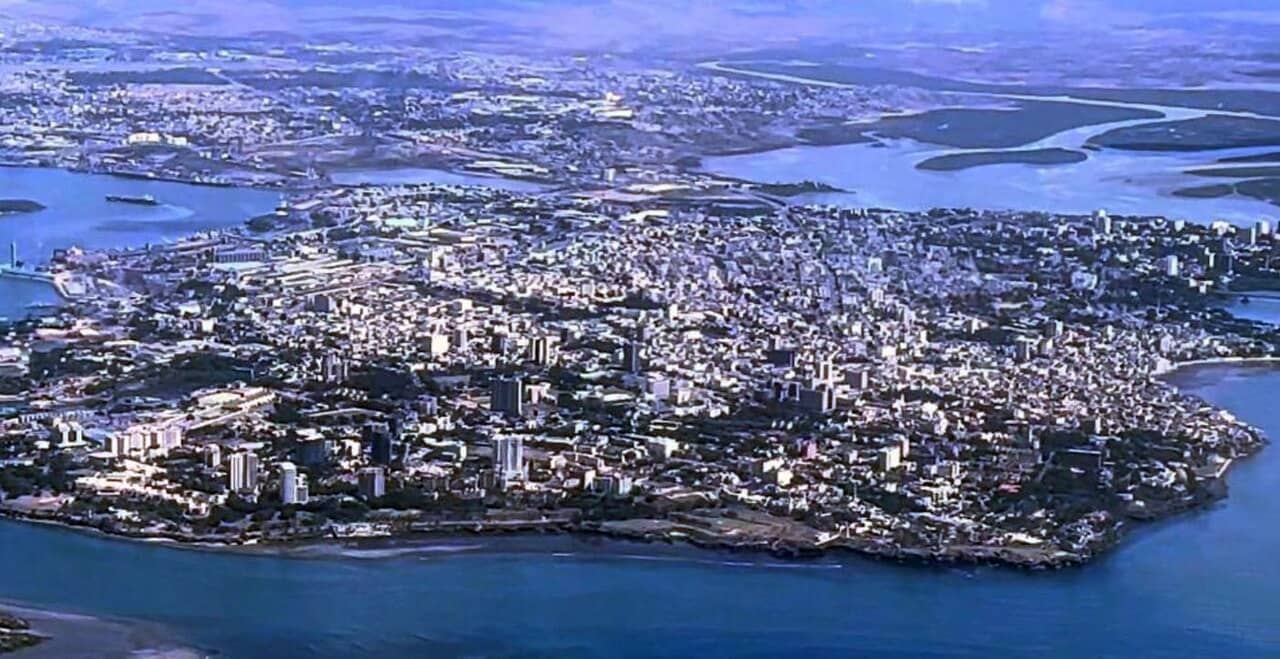
There are reports the Holy Father will make his first foreign trip in 2026 to Africa. It’s been confirmed, he’ll be going to Mozambique, he’ll be going to Equatorial Guinea, and a couple of other African countries. What do you think is the message he’s sending?
I think it’s very much a message of an affirmation of the church in Africa. I think the Holy Father, as with other previous popes, really sees that the faith is alive and growing in Africa, and that Africa has an enormous contribution to make to the universal church.
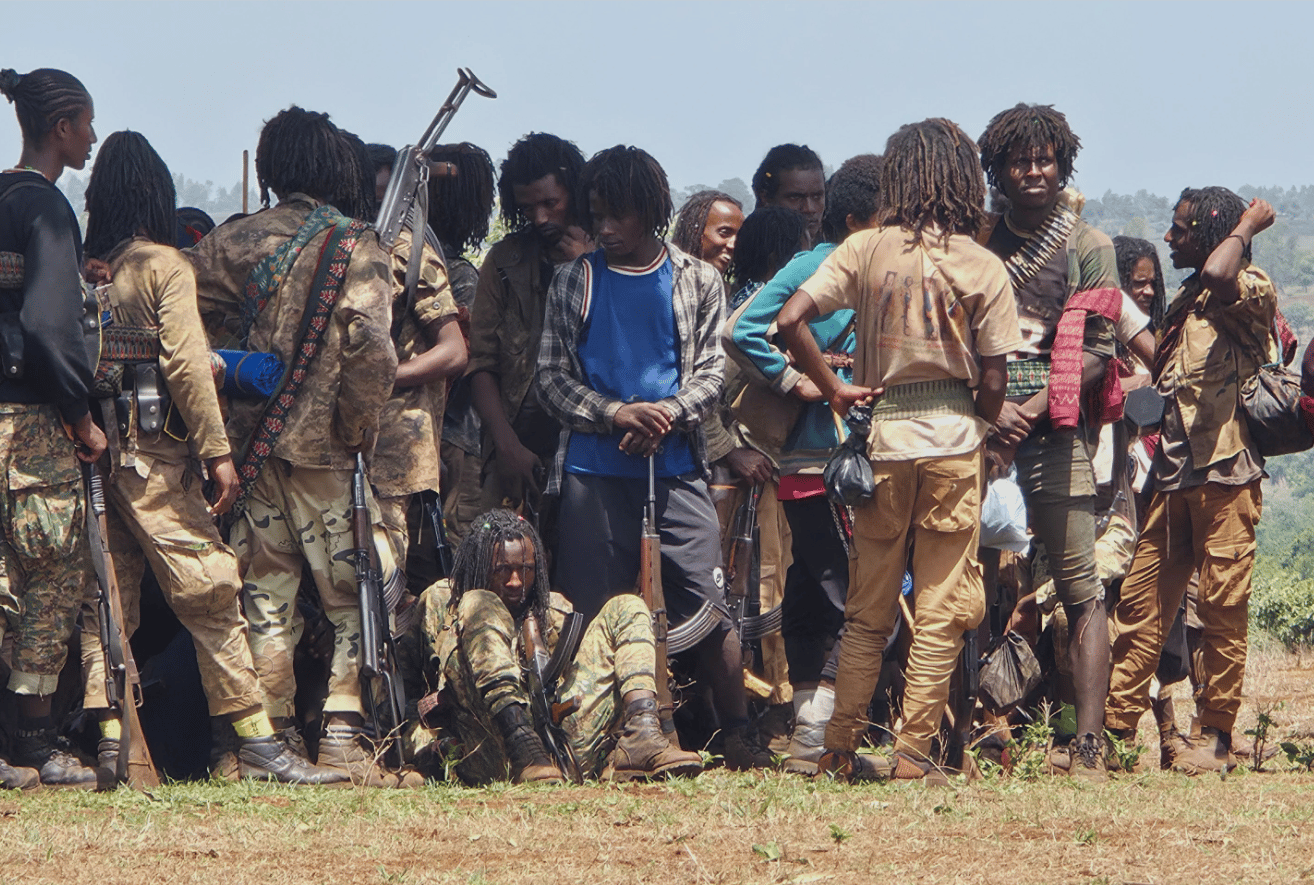
He will also come undoubtedly with the message of peace, of a message of reconciliation, and calling upon Africa to find ways to make peace, and to find ways of reconciling, because this has been unfortunately the great tragedy of Africa, of conflict and wars. And if we as Africans can really try to say we can work together to bring about progress on our continent and in our countries, then we will be able to build the foundation for peace based on justice. So I think, and we hope in the future to invite the Holy Father to come to South Africa.
Now, as we move to the end of this conversation, Cardinal, what do you see as the future of the church?
I see a very positive role for the church. I think the church in South Africa, as in many other parts of the world, is now seen by many people, even those who are not Catholic, as being a very important source of teaching on justice, on peace, on equality, but also a body that can really build bridges between people.
And I think more and more people are turning to the church asking, in these difficult times of political and social challenges, how can the church build bridges between people so that we can work together to overcome these difficulties? The fact of the matter is that our church in South Africa is filled with promising young people who truly hold the faith dear in their hearts. One of the challenges that we do have to face is the situation of families, because so many of our families are broken, they are suffering, they are hurting in many cases, and we’ve got to try to give more support to family life, to marriage itself, and to strengthen families, because if we’ve got strong, stable families, we’ll have a strong, stable society. So I think that that is one of the biggest challenges for the church, and indeed for the country itself.