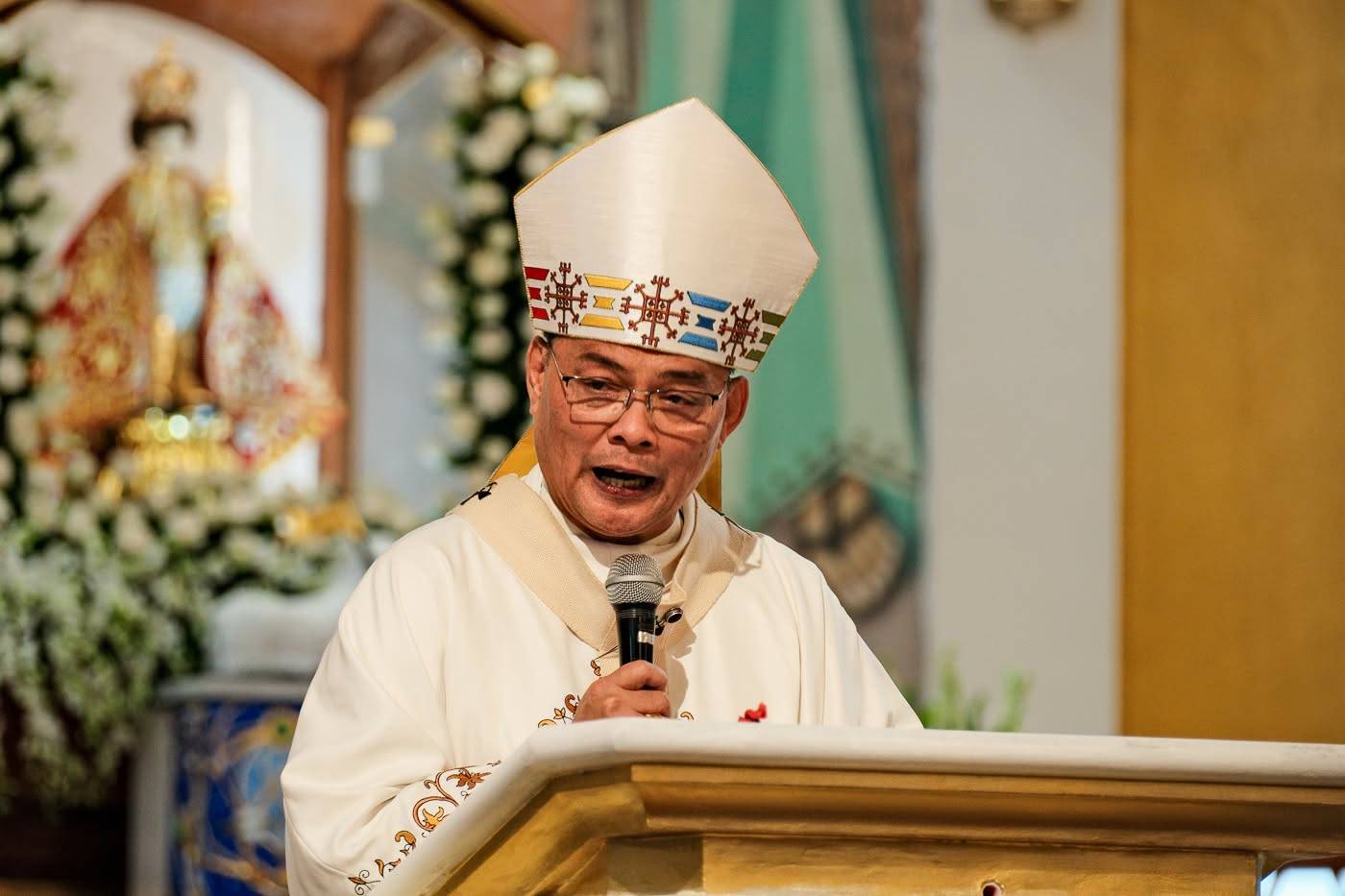
MANILA, Philippines – Cardinal Jose Advincula, the archbishop of Manila, called on Filipinos to resist modern-day Herods as the Philippines faces its worst corruption scandal in decades.
The corruption controversy, involving billions of pesos in flood control projects, has triggered massive protests led by the Catholic Church. Intensifying the country’s political climate, the scandal broke out amid a feud between President Ferdinand Marcos Jr. and Vice President Sara Duterte, former allies from powerful clans.
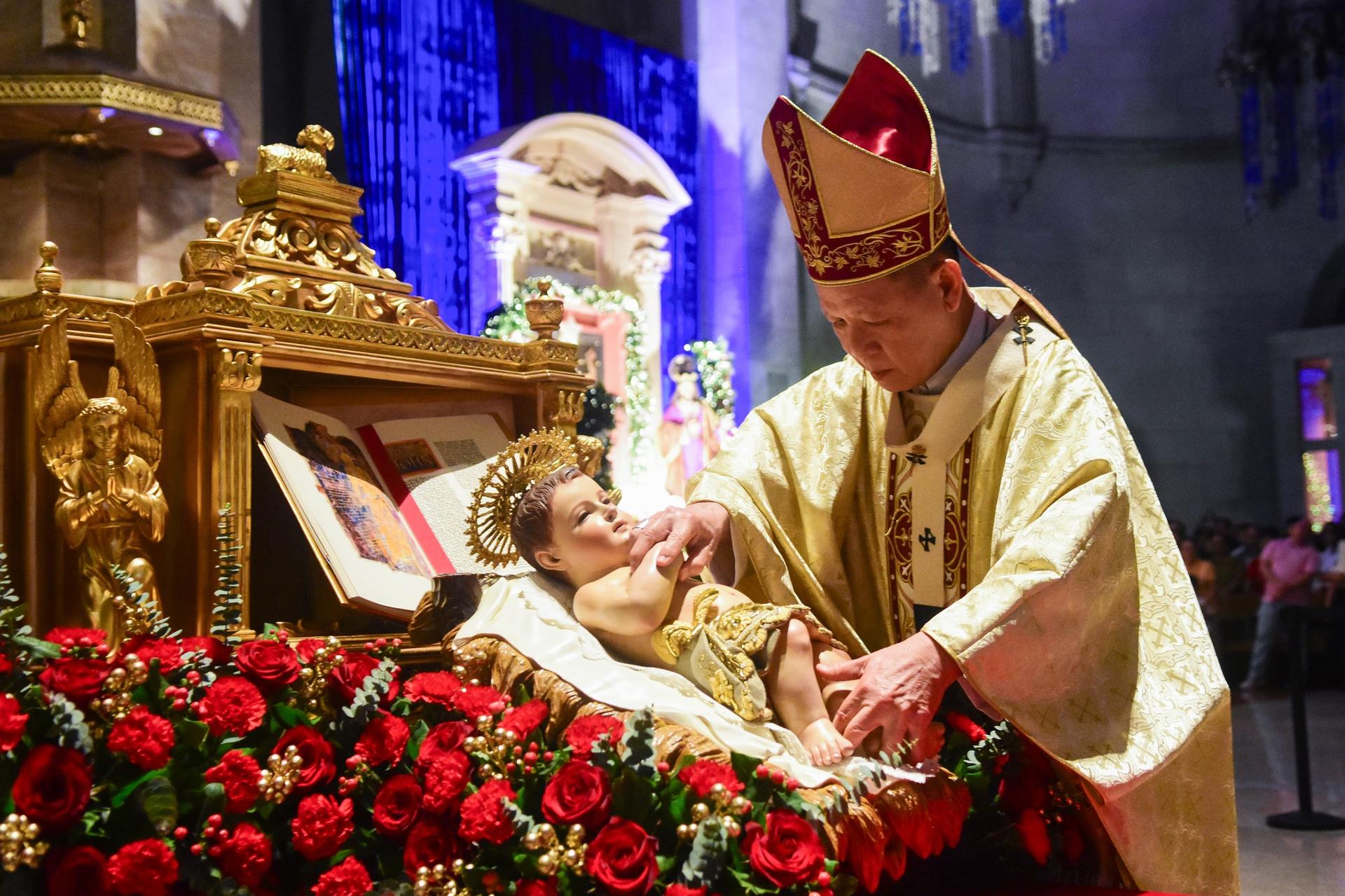
In his Christmas message, Advincula alluded to the flood control mess, and said the antidote to “distorted systems” and “the unceasing abuse of public trust” can be found in a simple Christmas gesture: Kneeling.
The 73-year-old cardinal drew attention to the practice of kneeling at one part of the profession of faith, during Christmas Mass, when Catholics proclaim the words, “He was made flesh.” He said that Catholics often fail to give importance to this “seemingly ordinary gesture.” The kneeling “is rushed, done almost absent-mindedly, sometimes even forgotten.”
“This Christmas, let us take this simple ritual as a message and a reminder, and make room for it amid our many preoccupations, for it is the very heart and center of our celebration of the Lord’s Nativity,” Advincula said on Dec. 25.
The Manila archbishop said that Christmas “becomes shallow and empty” if Catholics imitate King Herod, the tyrannical king of Judea who wanted the infant Jesus killed. Imitating Herod, he explained, means “we no longer know how to kneel in humility, and instead worship and bow before other gods.”
“If obsession with wealth and intoxication with power rule our society, how can we ever set right our distorted systems and the unceasing abuse of public trust?” Advincula said.
“Let us resist the Herods who mercilessly destroy our future,” the cardinal said. “Let us journey toward Bethlehem. Let us kneel before the Redeemer — Emmanuel, the Star, the light of our salvation and our peace.”
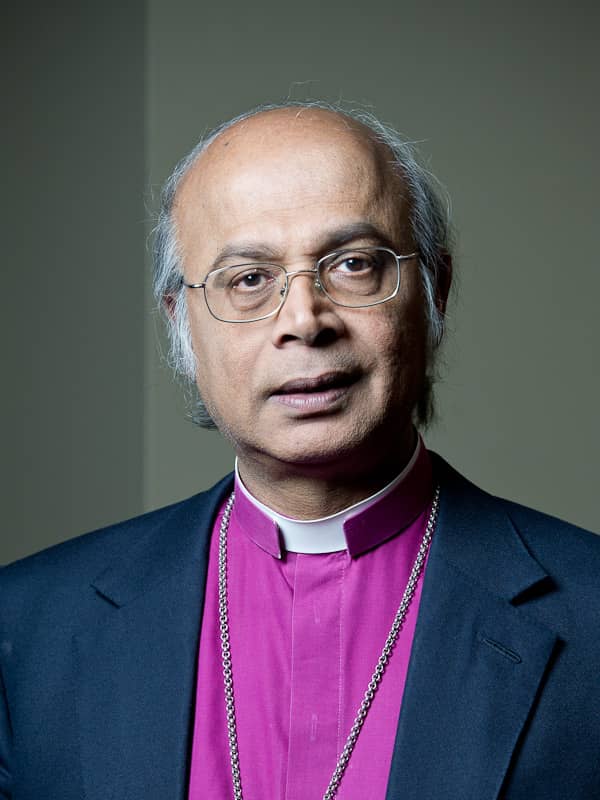
In his own Christmas message, Cardinal Pablo Virgilio David reflected on the 2025 Jubilee Year of Hope declared by the late Pope Francis. He said that for Filipinos, 2025 “did not feel like a year of hope at all” because of problems that plagued the nation.
“And yet — if we listen carefully — this is precisely where hope must be located,” said David, 66, the bishop of Kalookan and a former president of the Catholic Bishops’ Conference of the Philippines.
He cited the French philosopher Gabriel Marcel who said that hope is not optimism. “True hope is born in the very moment when despair seems most logical — like light that shines brightest not at noon, but at midnight,” he said.
Known for defending human rights, David said, “Hope showed itself in small but real ways this year: in journalists who refused silence, in citizens who kept watch, in voters who surprised the powerful, in families who refused to forget their dead, in a people who, despite exhaustion, still ask: Can we be better than this?”
“Hope is fragile. But it is stubborn,” said David. “Perhaps 2025 did not feel like a Year of Hope because hope, when it is real, is never comfortable. It demands vigilance, memory, moral courage. And the refusal to surrender our future to cynicism.”